
Planning your first trip to the Land of Smiles is an exhilarating milestone. With its gold-leafed temples, neon-lit street food markets, and turquoise waters, Thailand feels like another world. However, because Thailand is a tropical country with distinct regional microclimates, when you go is just as important as where you go.
Timing your trip correctly ensures you aren’t caught in a monsoon while trying to island-hop, or melting in 40°C heat while exploring the Grand Palace in Bangkok. This guide will help you navigate the seasons so you can experience Thailand exactly how you imagined it.
Quick Summary: When is the Best Time to Visit Thailand?
For most first-time travelers, the best time to visit Thailand is between November and February. During these months, the weather is consistently pleasant across the entire country—dry, sunny, and not too humid. This is the ideal window for exploring Bangkok’s temples, trekking in Chiang Mai, and lounging on the beaches of Phuket or Krabi.
Understanding Thailand’s Three Main Seasons
Thailand doesn’t follow the traditional four-season calendar. Instead, the climate is dictated by tropical monsoons, creating three distinct phases:
The Cool Season (November – February)
Don’t let the name fool you; “cool” in Thailand still means temperatures around 25°C to 30°C. However, the humidity is at its lowest, and the skies are a reliable crystal blue. This is the peak tourist season because the weather is nearly perfect everywhere.

The Hot Season (March – May)
As spring arrives, the heat intensifies. Temperatures in Bangkok and Central Thailand can regularly soar above 35°C. This is a great time for beach lovers who don’t mind the heat, but it can be taxing for those planning heavy sightseeing or mountain hiking in the north.
The Rainy Season (June – October)
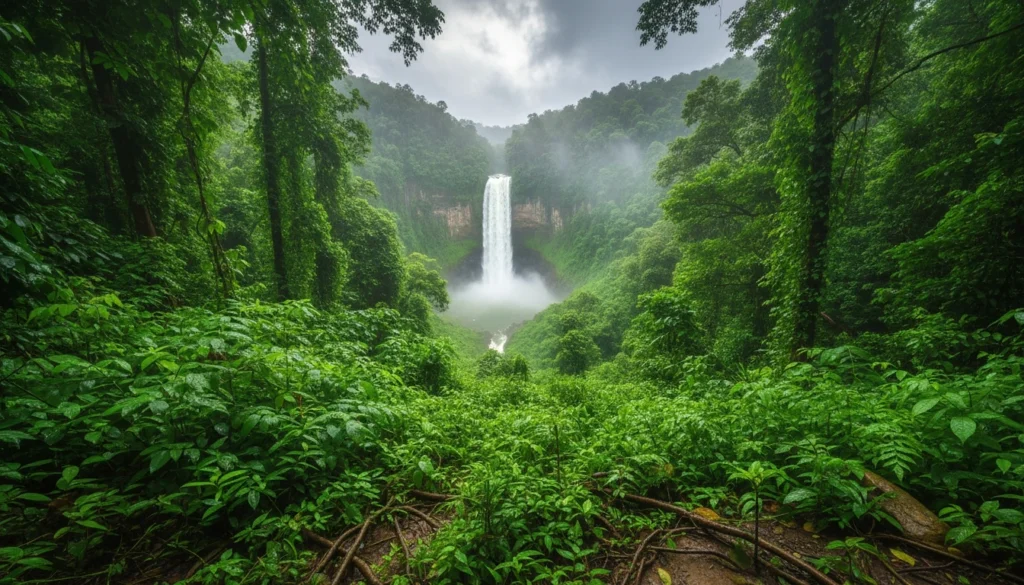
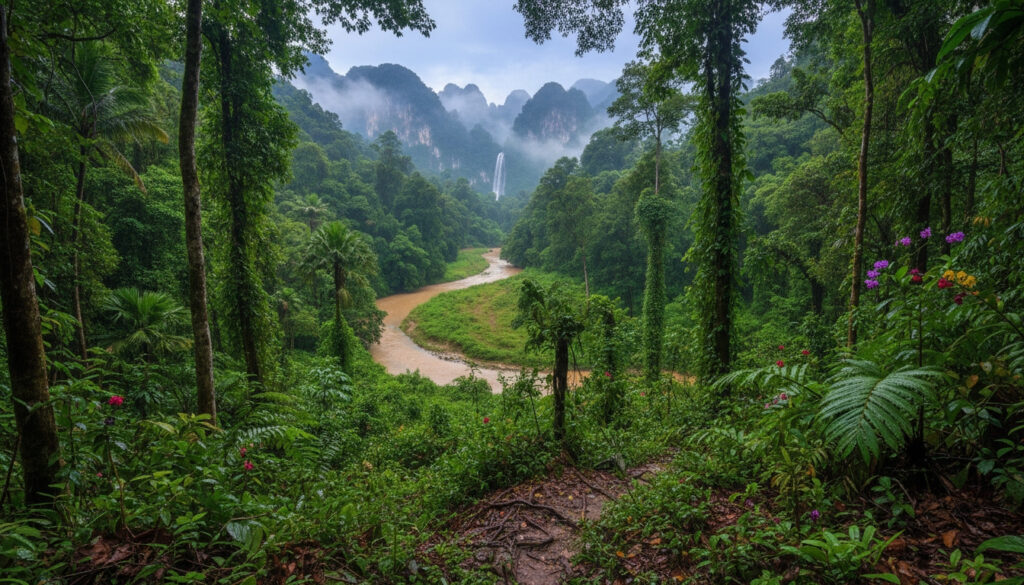
Also known as the “Green Season,” this period sees the arrival of the southwest monsoon. While it sounds intimidating, it rarely rains all day. You can expect short, intense tropical downpours in the afternoon or evening, followed by sunshine. The landscape becomes incredibly lush and vibrant during this time.
The Best Time for Ideal Weather
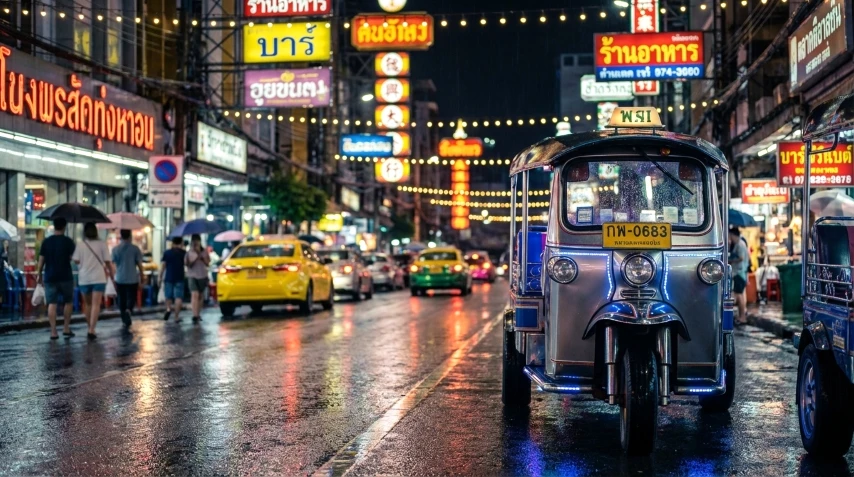
If your goal is to have the most comfortable experience possible, aim for December or January. This is when the northern highlands around Chiang Mai are at their most refreshing—it can even get chilly enough at night to require a light sweater! In Bangkok, the air is less oppressive, making long walks through the city’s vibrant markets much more enjoyable.
The Best Time for Beaches and Islands
This is where Thailand’s weather gets a little tricky. The country has two distinct coastlines, and they experience their rainy seasons at different times:
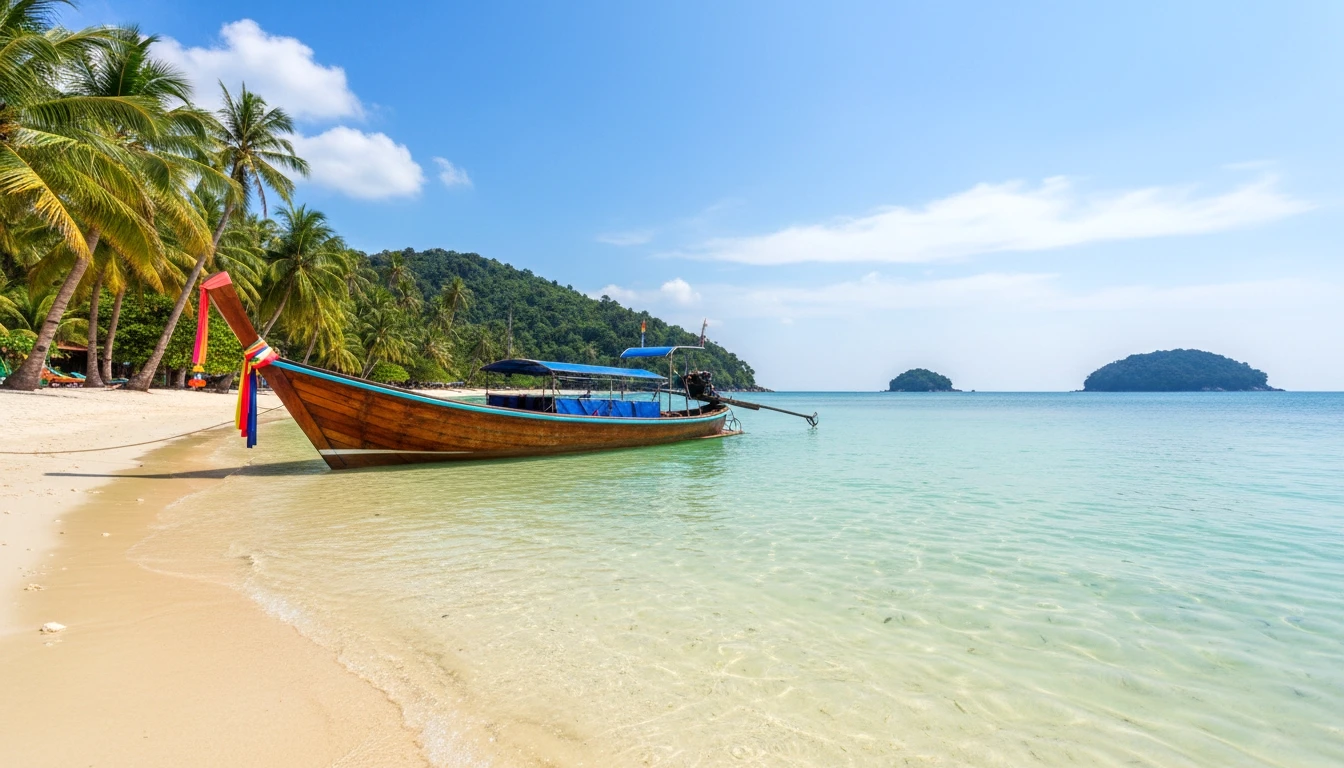
The Andaman Coast (Phuket, Krabi, Koh Phi Phi): The best weather is from November to April. The seas are calm and perfect for snorkeling and diving.
The Gulf of Thailand (Koh Samui, Koh Phangan, Koh Tao): These islands stay sunny much longer into the year. The best time to visit the Gulf is from January to August. Interestingly, while the rest of Thailand is getting wet in July and August, the Gulf islands often remain dry and beautiful.
Practical Tip: If you are visiting in the “summer” months of July or August, head to the Gulf side (Koh Samui) for the best chance of sunshine.
The Best Time for Festivals and Culture
Thailand’s festivals are bucket-list experiences that can define your entire trip. If you want to witness the country’s soul, try to time your visit with these two major events:
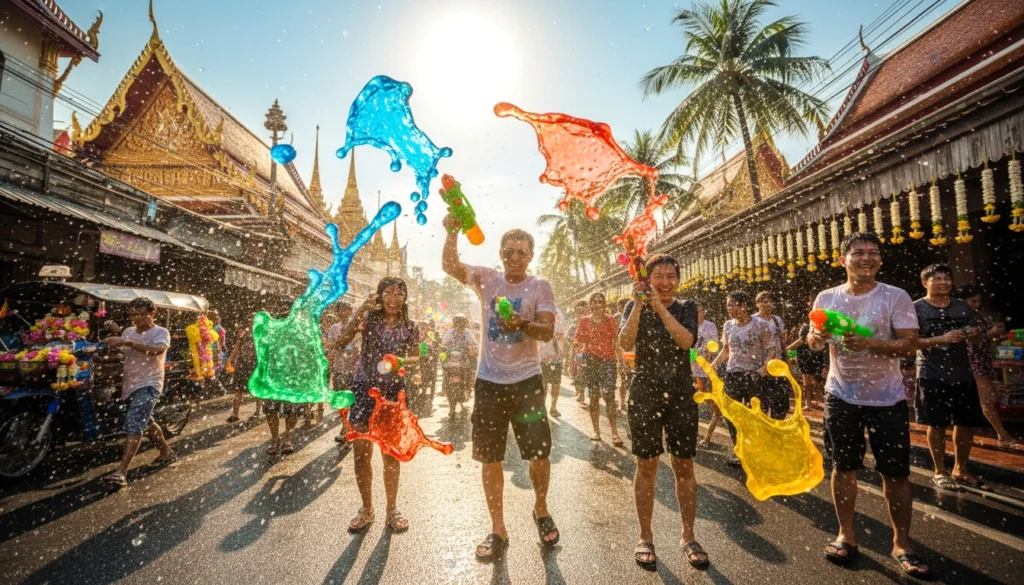
Songkran (April 13–15, 2026): The Thai New Year is celebrated with a country-wide water fight. It is the hottest time of year, so being splashed with water is a welcome relief. Bangkok and Chiang Mai host the biggest celebrations. Loy Krathong and Yi Peng (November 24–25, 2026): Known as the Festival of Lights, this is perhaps Thailand’s most beautiful celebration. In Chiang Mai, thousands of lanterns are released into the sky, while across the country, people float candlelit baskets (krathongs) on the water.
Is the Rainy Season Actually a Good Time to Visit?
Absolutely! Many seasoned travelers actually prefer the rainy season for several reasons:
Lush Scenery: The jungles and rice paddies are a brilliant, electric green that you won’t see during the dry months. Fewer Crowds: You can explore famous landmarks like the White Temple in Chiang Rai without fighting through walls of people. Better Value: Hotels and domestic flights often drop their prices by 30% to 50%, making it the best time for budget-conscious travelers.
Reassuring Tip: Tropical rain is warm. Most showers last about an hour, and 7-Eleven stores on every corner sell inexpensive ponchos. It’s rarely a “washout” that ruins a vacation.
Choosing the Right Time for Your Travel Style
Depending on what you value most, your “best time” might differ from the standard advice:
Budget Travelers May – September Lowest prices on luxury resorts and flights.
Avoiding Crowds May, June, or September You’ll have the beaches almost to yourself.
Diving & Snorkeling November – April Peak visibility in the Andaman Sea.
Photography October – November The rain has cleared the dust, and the waterfalls are at full flow.

Final Thoughts on Your Thai Adventure
Thailand is truly a year-round destination. While the “Cool Season” offers the most predictable weather, every month brings its own unique charm. Whether you are seeking the high-energy water fights of April or the quiet, misty mountain views of the rainy season, Thailand’s warmth—both in weather and hospitality—will be waiting for you.
Pack your bags with light, breathable clothing, an open mind, and a sense of adventure. No matter when you choose to land in Bangkok, you are in for an unforgettable journey.