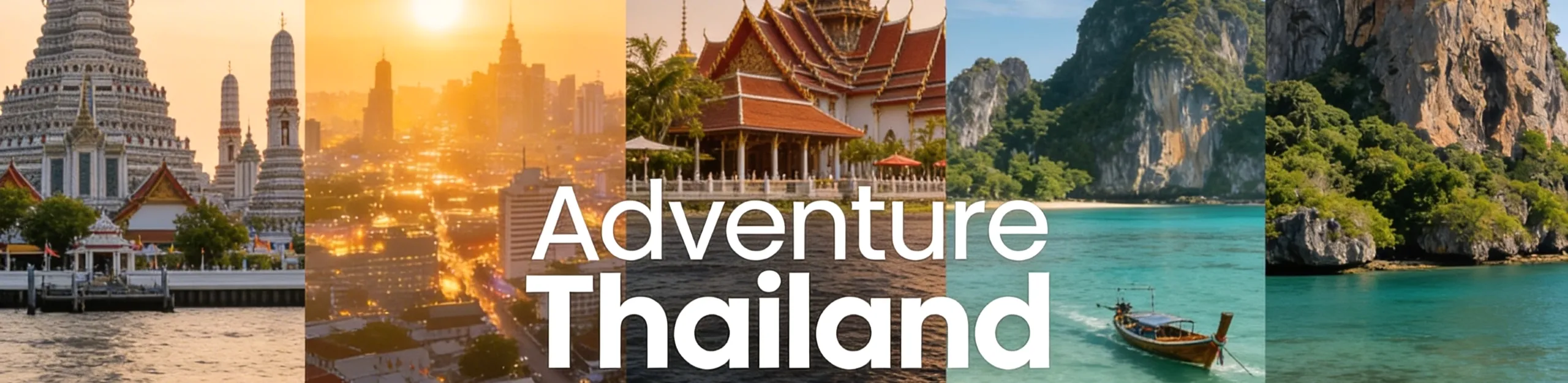
Cost Of Living In Thailand
This site contains affiliate links. We may earn a commission at no extra cost to you.
For visitors, one of the most common questions is simple: how expensive is Thailand really?
The good news is that Thailand remains one of the best-value travel destinations in the world. Whether you’re planning a backpacking adventure, a comfortable holiday, or something in between, your money often stretches much further here than in Europe, North America, or Australia.
Quick Summary: Is Thailand Expensive?
In short, Thailand is generally very affordable for travelers.
A single person can live a basic local life in Thailand for 25,000–35,000 THB per month. A comfortable mid-range lifestyle with a modern condo, frequent dining out, and health insurance requires 60,000–85,000 THB. Luxury living in premium districts starts at 120,000 THB and scales upward based on lifestyle choices.
The cost of existence in Thailand is a sliding scale dictated by geography and consumption. In 2026, the rise of the Destination Thailand Visa (DTV) has brought a new wave of long-term residents, stabilizing the rental market in digital nomad hotspots. While inflation has touched imported goods, local markets remain remarkably affordable.
Typical daily travel costs might look like this:
- Budget travelers: $30–$50 per day
- Mid-range travelers: $60–$120 per day
- Luxury travelers: $150+ per day
Accommodation, food, and transportation are particularly affordable, especially if you embrace local experiences like street food, night markets, and public transport.
However, major tourist areas and luxury resorts can raise prices, so it helps to understand where your money will go.
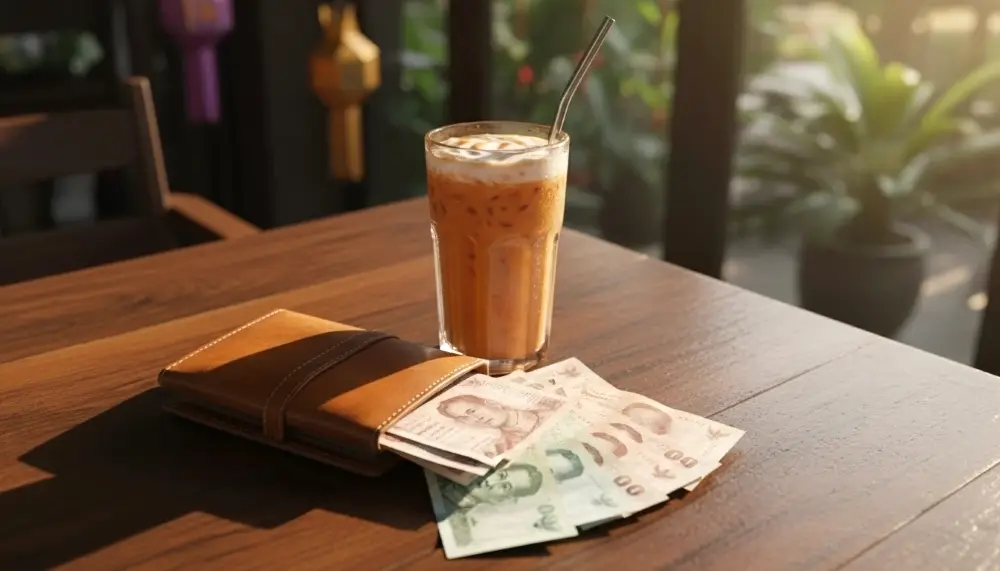
| Expense Category | Budget (Local Focus) | Comfortable (Expat Standard) | Luxury (Premium) |
|---|---|---|---|
| Monthly Rent (1-Bed) | 8,000 – 12,000 THB | 18,000 – 35,000 THB | 60,000+ THB |
| Food & Groceries | 9,000 – 12,000 THB | 15,000 – 25,000 THB | 40,000+ THB |
| Utilities & 5G Data | 2,500 THB | 4,500 THB | 8,000+ THB |
| Transport (Public/Apps) | 2,000 THB | 5,000 THB | 15,000+ THB |
| Total Monthly | 21,500 – 31,500 THB | 42,500 – 69,500 THB | 123,000+ THB |
Accommodation Costs:

Accommodation is usually the biggest travel expense, but Thailand offers options for every budget.
Backpackers and budget travelers can find hostels and guesthouses for as little as $8–$15 per night. These are common in cities and tourist areas and often provide a friendly social atmosphere.
Mid-range hotels and boutique guesthouses typically cost around $30–$70 per night. These often include air conditioning, private bathrooms, and excellent service.
Luxury resorts and beachfront villas can range from $120 to several hundred dollars per night, especially on popular islands.
Prices vary depending on location:
- Bangkok offers everything from budget hostels to five-star skyline hotels
- Chiang Mai is known for affordable boutique stays and cozy guesthouses
- Southern islands like Phuket and Koh Samui tend to be more expensive, particularly near beaches
Booking early during peak travel seasons can help you secure the best prices.
Food Costs:
Food is one of the highlights of traveling in Thailand, and it’s also incredibly affordable.
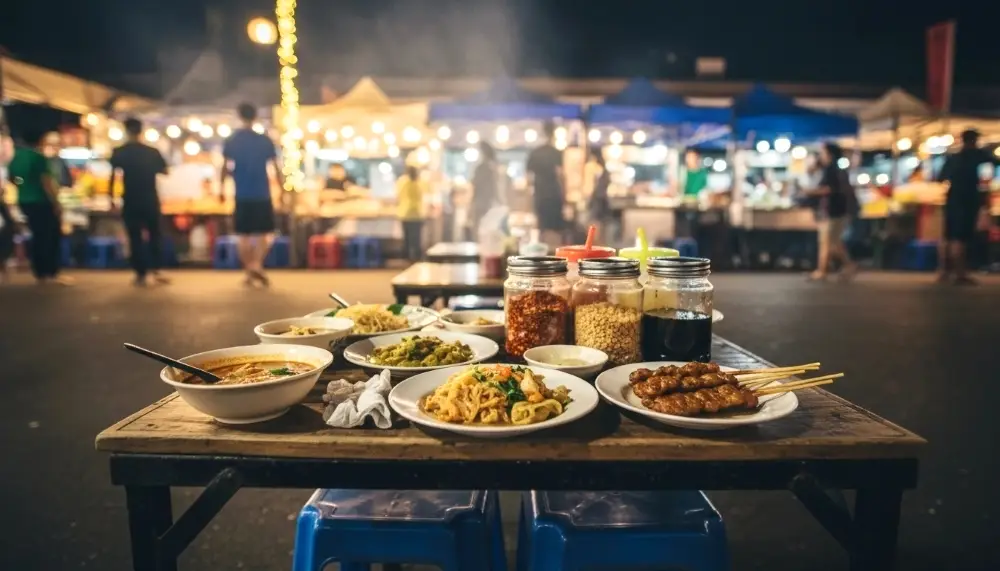
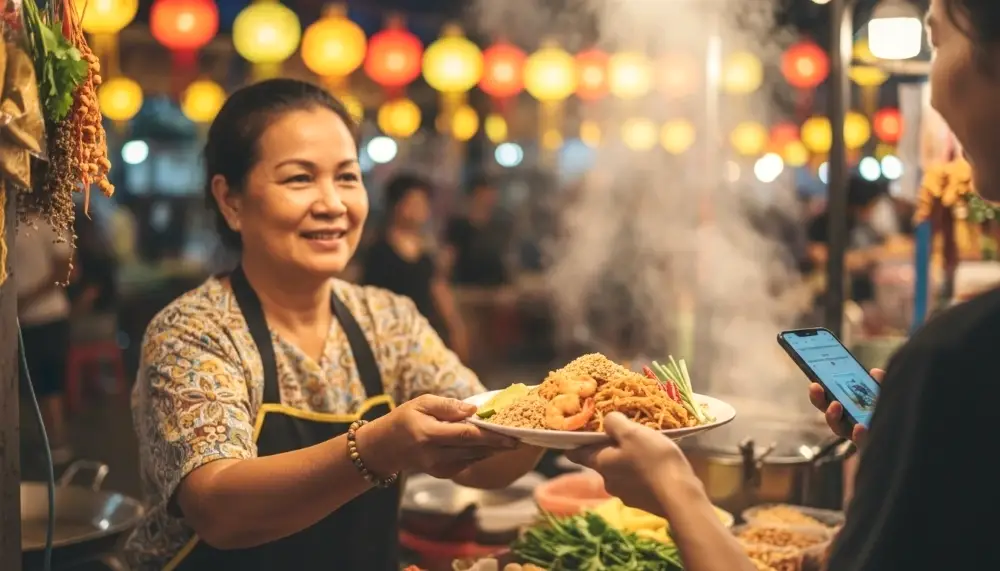
Street food stalls and local markets serve some of the most delicious dishes in the country at very low prices.
Typical costs include:
- Street food meal: $1.50–$3
- Casual restaurant meal: $4–$8
- Western-style restaurant: $10–$20
Popular dishes you’ll see everywhere include pad thai, green curry, mango sticky rice, and grilled skewers fresh off charcoal grills.
Night markets are a fantastic way to try many small dishes while experiencing Thailand’s lively food culture.
Even travelers who prefer restaurants over street food will usually find dining out far cheaper than at home.
Getting Around:
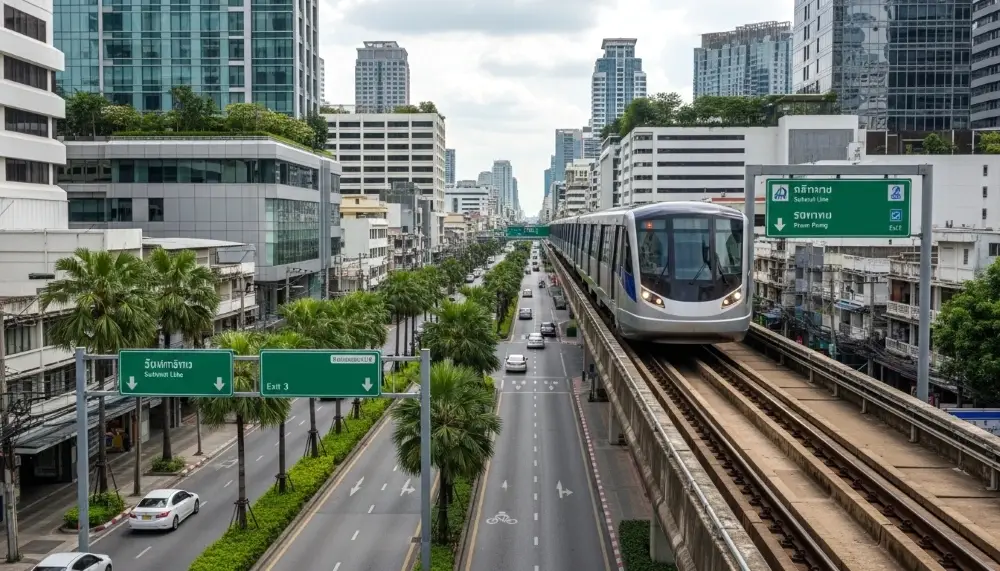
Getting around Thailand is both easy and affordable, with several options depending on how far you’re traveling.
In cities, transportation costs are low:
- BTS Skytrain or MRT metro rides in Bangkok: around $1–$2
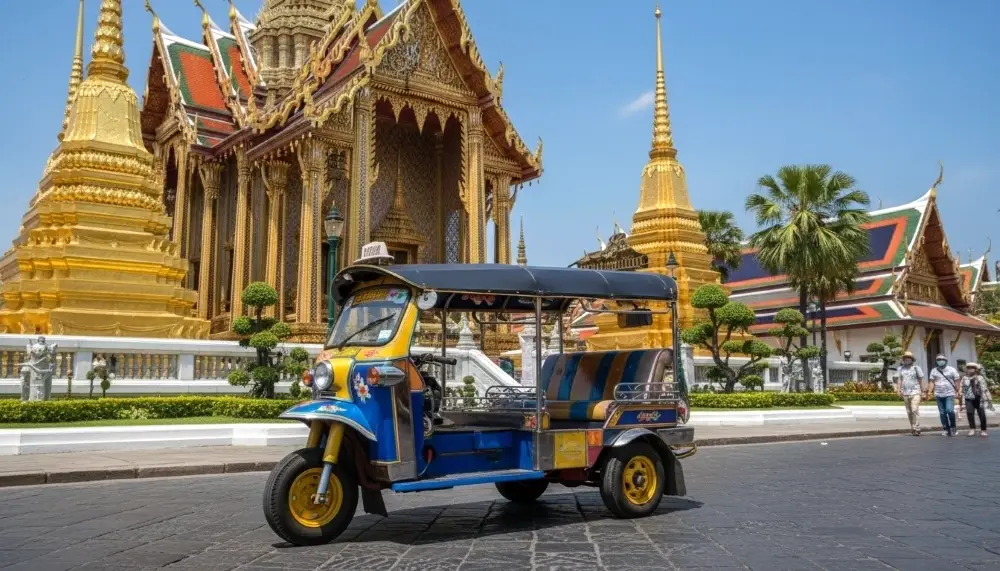
- Tuk-tuk rides: $2–$6 depending on distance
- Taxi rides: often $3–$10 within cities
For longer journeys across the country, travelers often use:
- Domestic flights (budget airlines): $30–$80
- Overnight trains: $25–$60
- Intercity buses: $10–$25
Many visitors enjoy mixing transportation styles, such as flying between regions and then exploring locally by scooter or taxi.
Island Prices vs Mainland Prices:
One thing first-time travelers often notice is that Thailand’s islands are usually more expensive than mainland destinations.
Places like Phuket, Koh Phi Phi, and Koh Samui attract international tourism and luxury resorts, which raises prices slightly.
You might notice:
- Higher hotel prices near beaches
- More expensive Western-style restaurants
- Tour activities priced for international visitors
However, affordable options still exist. Local food stalls, smaller guesthouses, and less crowded beaches can keep your budget under control.
Mainland destinations such as Chiang Mai or smaller towns in northern Thailand often provide excellent value for money.

Everyday Expenses To Expect:
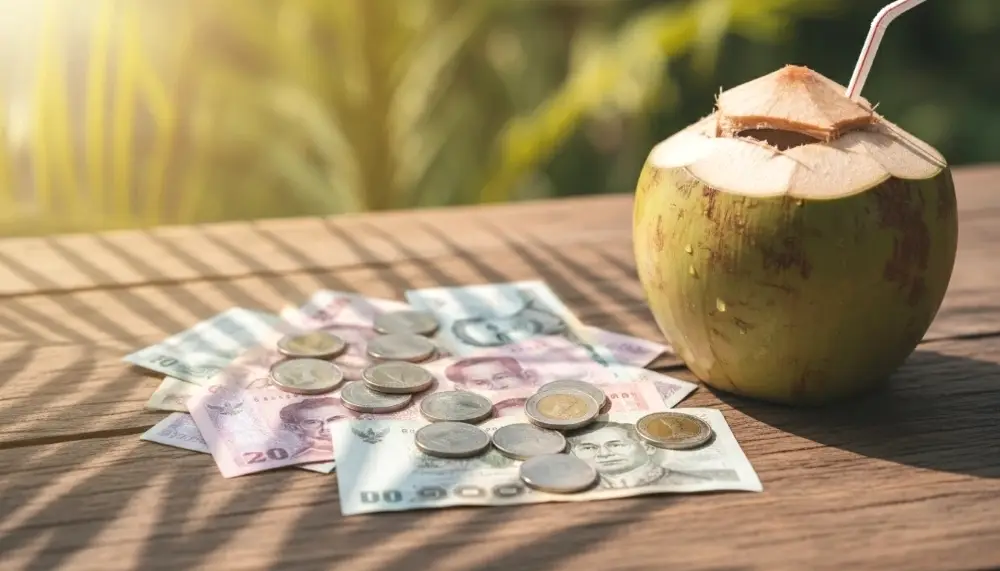
Beyond accommodation and food, travelers should budget for daily activities and small expenses.
Common travel costs include:
- Temple entrance fees: $1–$10
- Island tours or boat trips: $20–$80
- Thai massage: $6–$15
- Coffee or smoothies: $1.50–$4
Many experiences in Thailand, such as exploring markets, beaches, temples, and viewpoints, cost very little or nothing at all.
This is part of what makes traveling in Thailand feel so rewarding.
Cultural Tips:
Understanding a few local customs can help you stretch your travel budget while also respecting Thai culture.
For example:
- Street food is not only cheaper but often more authentic than tourist restaurants
- Bargaining is common at markets but should be friendly and respectful
- Small cash payments are preferred in many places
Thailand is known for its warm hospitality, and a polite smile goes a long way.
Learning a few simple Thai words like “hello” (sawasdee) and “thank you” (khob khun) can make interactions even more enjoyable.
Pro Tips For Stress Free Travel:
Transport: Use Grab or Bolt for transparent pricing. For bikes, Indriver often offers the lowest rates.
Stays: Agoda and Booking.com remain the gold standard for short-term stays, while Renthub is superior for monthly condo searches.
Connectivity: Secure a local SIM from AIS or TrueMove H. For immediate data upon landing, Yesim or Airalo provide easy eSIM solutions.
Finance: Use Wise or Revolut to transfer funds into THB. Always choose “Continue without conversion” at Thai ATMs to avoid predatory bank rates. A standard 220 THB fee applies to all foreign card withdrawals.
Digital Security: Use Nord VPN to access home streaming services and secure public Wi-Fi in the thousands of cafes across the country.
How To Travel On Any Budget:
Whether you’re backpacking or enjoying a more comfortable holiday, Thailand makes it easy to design a trip that fits your budget.
A few simple strategies can help:
- Eat local food whenever possible
- Use public transport in big cities
- Travel slightly outside peak tourist areas
- Book accommodation early during busy seasons
Even small choices like choosing local restaurants instead of international chains can make a big difference over the course of a trip.

Final Thoughts:

Thailand offers an incredible balance of affordability, adventure, and cultural richness.
Few places in the world allow travelers to explore ancient temples, tropical islands, vibrant cities, and mountain landscapes while still keeping costs manageable.
For first-time visitors especially, this combination makes Thailand an ideal destination.
Whether you’re wandering through the buzzing streets of Bangkok, exploring the temples of Chiang Mai, or relaxing on a palm-lined island beach, you’ll quickly see why so many travelers fall in love with the country.
And once you experience the value, beauty, and welcoming atmosphere of Thailand, there’s a good chance you’ll already be planning your next visit before the first one ends.
Continue Planning Your Trip