Living In Bangkok
This site contains affiliate links. We may earn a commission at no extra cost to you.
A First Glimpse of Life in Thailand’s Capital
Living in Bangkok, even for a short visit, means stepping into a world where ancient temples stand beside glittering skyscrapers, street food rivals the best restaurants in the world, and daily life flows with an energy unlike anywhere else.
The Quick Summary:
Monthly Budget: A comfortable lifestyle for a single resident averages 45,000–65,000 THB, while families should budget 120,000–180,000 THB including school fees.
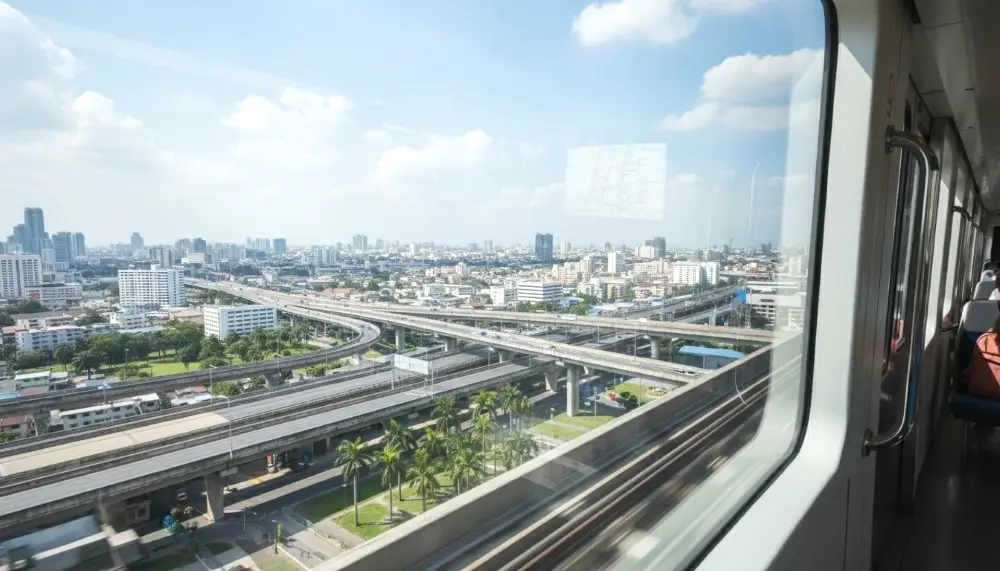
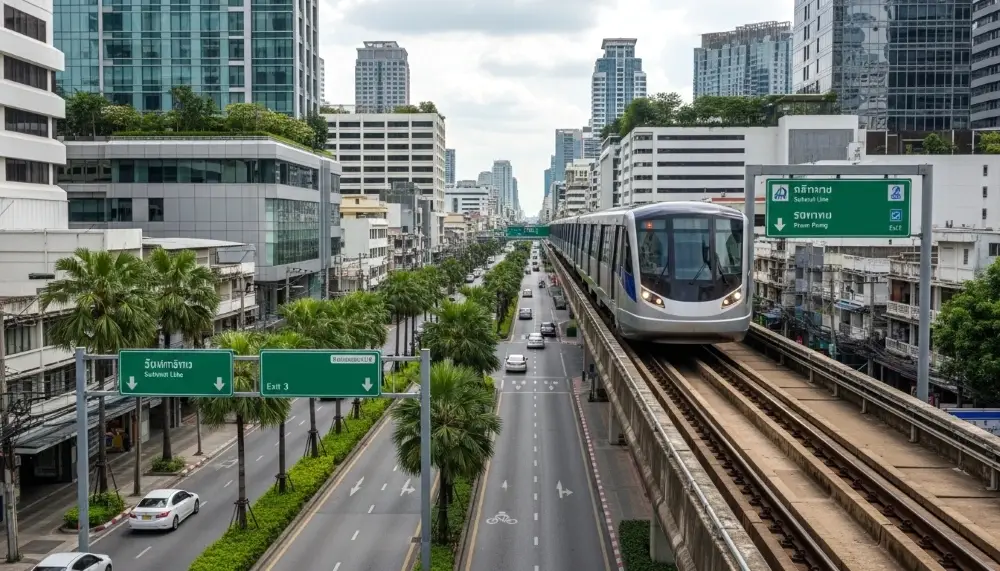
Transit Strategy: Living within 500 meters of a BTS (Skytrain) or MRT (Subway) station is non-negotiable to avoid the city’s legendary gridlock.
Visa Standards: The 2026 DTV (Destination Thailand Visa) is the premier choice for remote workers, offering 5-year multi-entry stays for those with 500,000 THB in savings.
Education: International schools are categorized into three tiers, with annual tuitions ranging from 250,000 THB to over 1,000,000 THB.
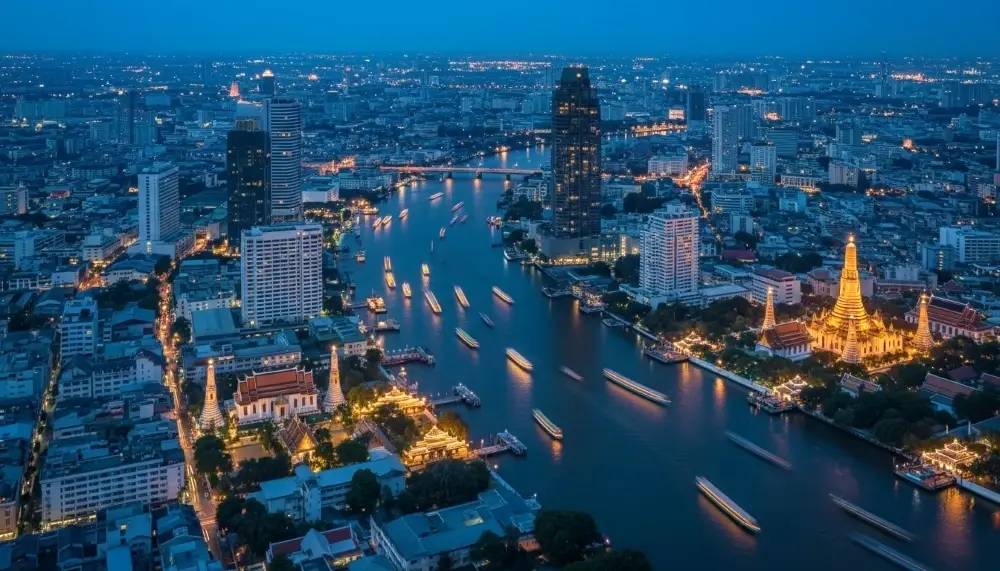
What Is It Really Like Living In Bangkok?
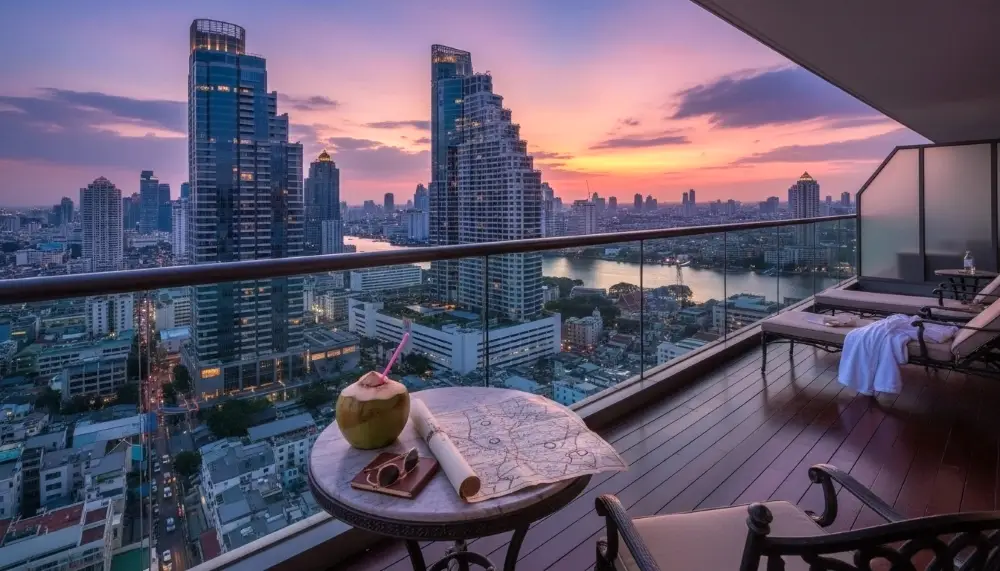
Living in Bangkok means experiencing one of the most vibrant cities in Southeast Asia. The lifestyle blends modern urban living with deep cultural traditions.
Visitors quickly notice a few defining features:
- Incredible street food on nearly every corner
- Efficient public transport systems like the BTS Skytrain
- Friendly locals who are used to welcoming international visitors
- A mix of luxury malls, historic temples, and bustling markets
- A tropical climate that shapes everyday life
The city moves fast, but it also has moments of calm — quiet temple courtyards, peaceful canals, and shaded parks where locals escape the heat.
For travelers, this contrast is part of Bangkok’s magic.
Best Neighborhoods for Expats and Families:
Bangkok’s residential landscape is defined by its transit hubs. Sukhumvit (Phrom Phong to Ekkamai) serves as the primary expat corridor with maximum amenities. Silom and Sathorn cater to the financial elite, while Ari offers a boutique, local-meets-modern aesthetic. Nonthaburi and Bang Na provide spacious family villas near major international campuses.
Sukhumvit: The Cosmopolitan Heart
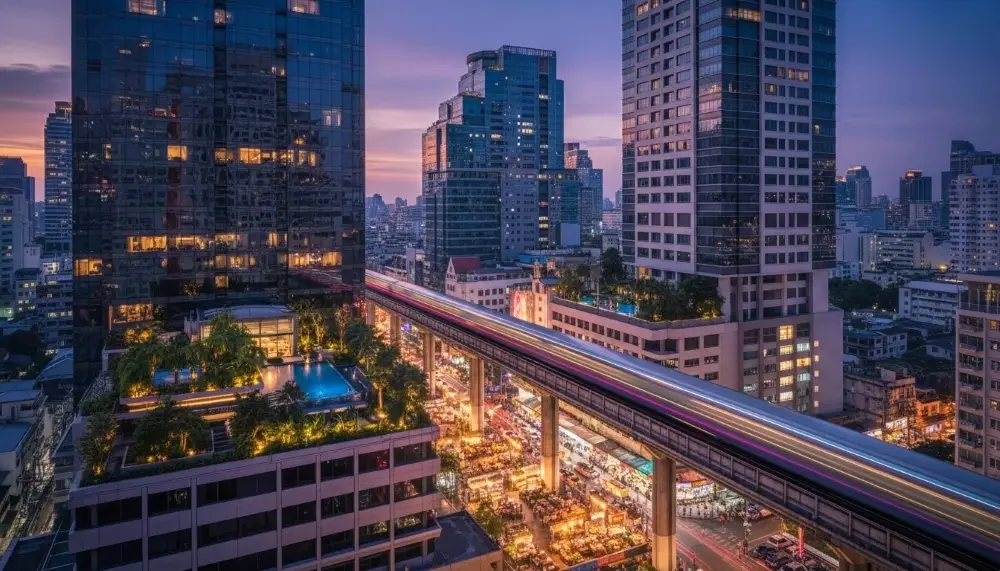
Sukhumvit is the city’s primary artery. The “Japanese Quarter” around Phrom Phong and Thong Lo offers high-end luxury, boutique coffee shops, and the EmDistrict malls. Thong Lo is the undisputed capital of nightlife and fine dining, while Ekkamai provides a slightly more relaxed residential feel with excellent access to the Eastern Bus Terminal.
Silom and Sathorn: The Business District
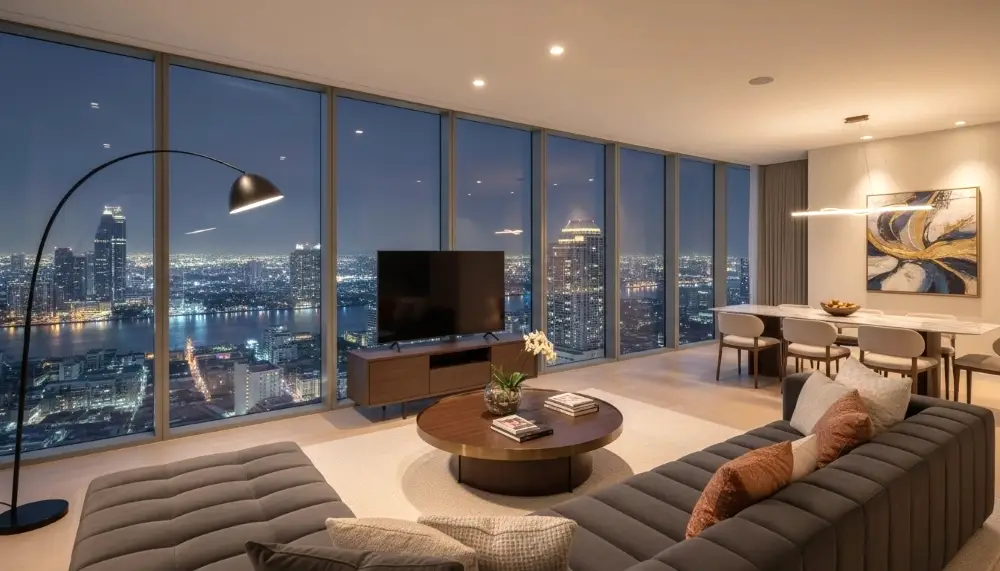
This is the “Wall Street” of Thailand. Sathorn is characterized by wide boulevards, embassies, and some of the city’s most prestigious high-rise condos. It feels more structured than Sukhumvit and provides immediate access to Lumpini Park, the city’s green lung.
Ari: The Local Alternative
For those seeking to avoid the “expat bubble,” Ari is the superior choice. This neighborhood in North Bangkok has resisted mega-mall development, favoring independent cafes and mid-century modern architecture. It is quieter, greener, and increasingly popular with creative professionals.
Neighborhood Comparison Table:
| District | Average 1BR Rent (Monthly) | Vibe | Primary Transit |
|---|---|---|---|
| Thong Lo | 45,000–70,000 THB | Luxury / Nightlife | BTS Sukhumvit Line |
| Sathorn | 35,000–60,000 THB | Executive / Serious | BTS Silom Line / MRT Blue |
| Ari | 20,000–35,000 THB | Boutique / Local | BTS Sukhumvit Line |
International Schools and Education Tiers:
Bangkok hosts over 150 international schools offering British, American, and IB curricula. Schools are ranked by “Tiers,” where Tier 1 institutions provide world-class facilities and high tuition (800,000+ THB), Tier 2 offers a balance of quality and cost (450,000–700,000 THB), and Tier 3 provides affordable, community-focused learning.
Tier 1: The Gold Standard
Schools like ISB (International School Bangkok) and Shrewsbury International School are institutions with decades of history. They offer sprawling campuses that resemble small universities, complete with Olympic-sized pools and professional theaters.
Tier 2: The Balanced Choice
Bangkok Patana School and NIST International School are highly sought after by embassy staff and corporate executives. They maintain rigorous academic standards with a heavy focus on the International Baccalaureate (IB) or the British curriculum (IGCSE/A-Levels).
Tier 3: Value and Community
Schools such as St. Andrews (Sathorn) or Wells International offer smaller class sizes and more accessible price points. These are excellent for families who prioritize a tight-knit community over massive athletic facilities.
Mastering the Transit Network:
The integrated rail network, consisting of the BTS Skytrain, MRT Subway, and Airport Rail Link, is the only reliable way to navigate Bangkok. Fares range from 17 to 62 THB per journey. Use the Rabbit Card for the BTS and a contactless Visa or Mastercard for the MRT.
The BTS Skytrain (Green Lines)
The Sukhumvit Line and Silom Line intersect at Siam Square. This is the backbone of the city. In 2026, extensions have made it possible to reach the outer suburbs of Samut Prakan and Pathum Thani in air-conditioned comfort.
The MRT Subway (Blue and Purple Lines)
The Blue Line is a loop that connects the business districts with the historic Old City (Rattanakosin) and Hualamphong. It is often less crowded than the BTS and provides a vital link to the Bang Sue Grand Station (Krung Thep Aphiwat Central Terminal).
Taxis and Ride-Hailing
While colorful taxis are everywhere, the “contrarian” secret is to use apps to ensure a fair price. Street taxis often refuse to use the meter during rain or peak hours.
Beyond the Holiday: Slow Travel and Relocation
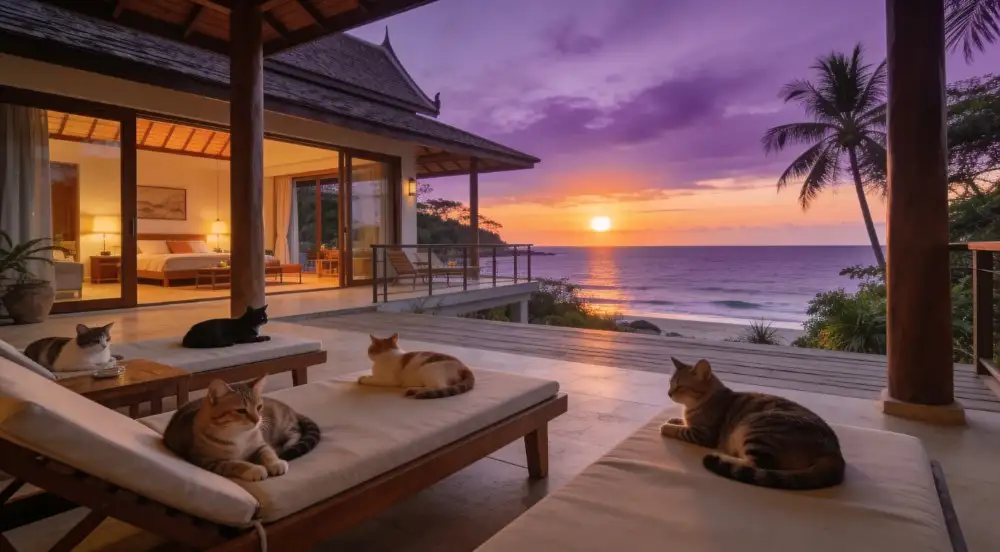
Moving to Bangkok permanently requires a strategic visa approach and logistical planning for dependents. The Destination Thailand Visa (DTV) allows for a 180-day stay per entry, extendable once, for a total of nearly one year before a border exit is required. Pet relocation is manageable but requires strict adherence to vaccination timelines.
The DTV Visa (Digital Nomad / Remote Work)
Introduced to capture the remote work market, the DTV is valid for five years. To qualify, you must be 20+ years old and show a bank balance of 500,000 THB. This visa is a game-changer for those looking to live in Thailand without the restrictive requirements of a traditional Work Permit or Retirement Visa.
Pet Relocation Logistics
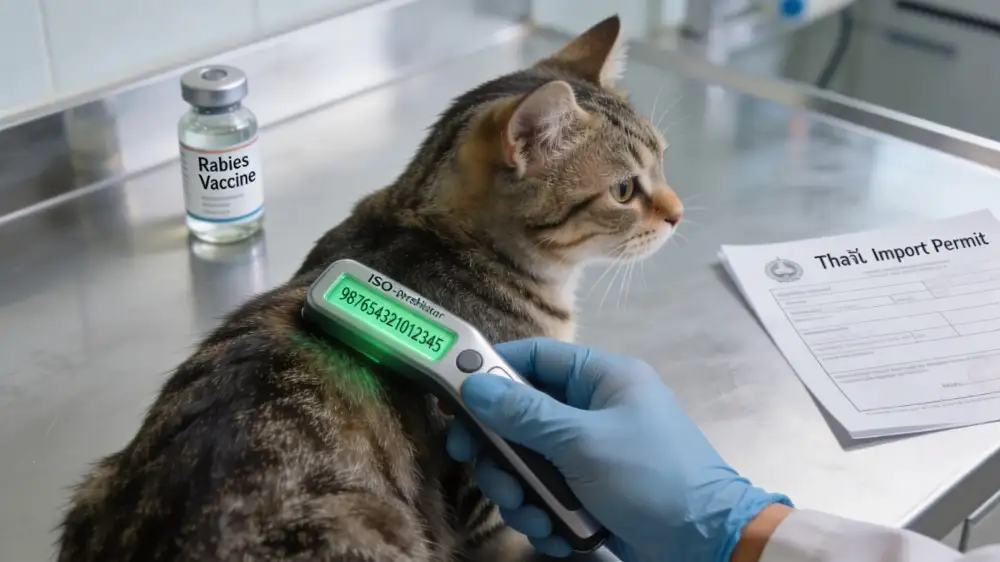
Moving with cats or dogs requires a microchip (ISO 11784/11785) and a rabies vaccination administered at least 30 days before arrival. You must apply for an import permit from the Department of Livestock Development (DLD) two weeks before your flight. Avoid the heat of mid-day arrivals to ensure your animals are not stressed by the tarmac temperatures at Suvarnabhumi.
Pro Tips For Stress Free Travel:
Transport: Grab and Bolt are essential. Use Bolt for the cheapest rates and Grab for the most reliable service and food delivery.
Finance: PromptPay is the national QR payment system. While most vendors take cash (THB), almost every stall—even for a 10 THB snack—now accepts PromptPay.
Booking: Agoda and Booking.com remain the standards for “staycations,” while Klook is best for booking fast-track airport services.
Connectivity: Yesim or local SIMs from AIS/DTAC provide 5G coverage. Use Nord VPN to access home streaming services and secure your data on public Wi-Fi.

Cost of Living: Surprisingly Affordable
One of the reasons many travelers fall in love with Bangkok is how affordable daily life can be.
Even in the heart of the city, you can eat extremely well for very little money.
Typical daily costs might include:
- Street food meal: $1–$3
- Restaurant meal: $5–$12
- Skytrain ticket: $1–$2
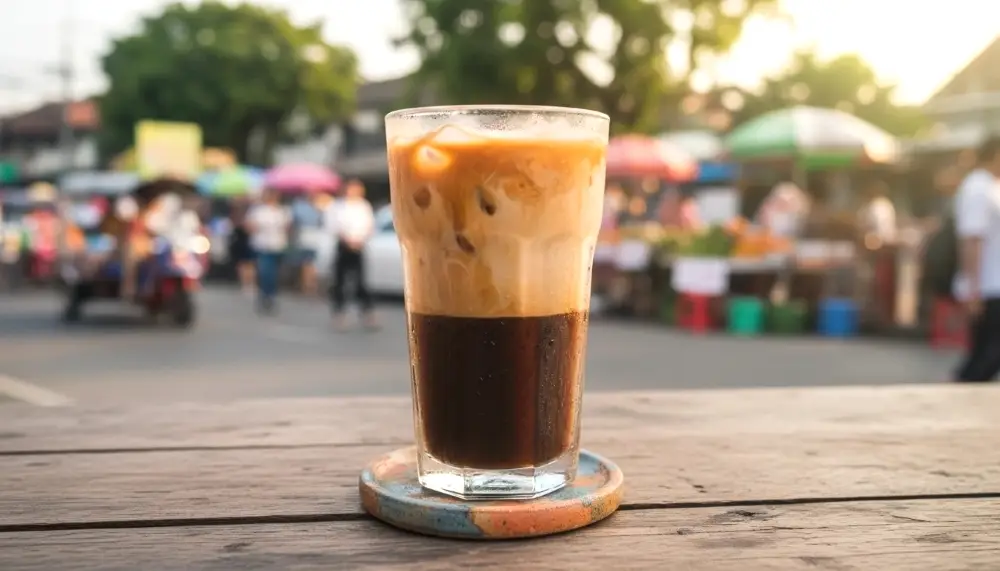
- Local coffee: $2–$4
- Budget hotel: $20–$40 per night
Luxury experiences are also widely available, but Bangkok allows visitors to enjoy incredible food, culture, and nightlife without spending a fortune.
For first-time visitors, this affordability makes the city a great starting point for exploring Thailand.
Bangkok’s Famous Street Food:
Living in Bangkok means eating incredibly well.
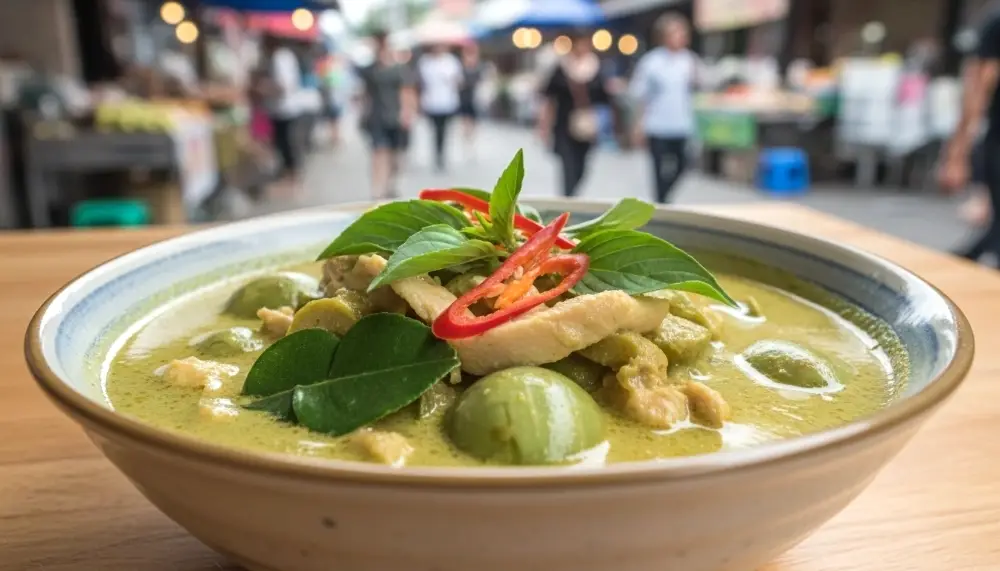
Food is everywhere, and often better on the street than in restaurants. Vendors specialise in a single dish perfected over decades, which is why locals line up at tiny stalls.
Some must-try Bangkok street foods include:
- Pad Thai cooked fresh in a sizzling wok
- Mango sticky rice with sweet coconut cream
- Crispy pork and rice dishes
- Boat noodles packed with flavour
- Fresh fruit smoothies and iced Thai tea
Street food is not just cheap, it’s a major part of Thai culture. Locals often eat out several times a day rather than cooking at home.
For visitors, it’s one of the most memorable parts of experiencing daily life in Bangkok.
Culture, Temples, and Respect:
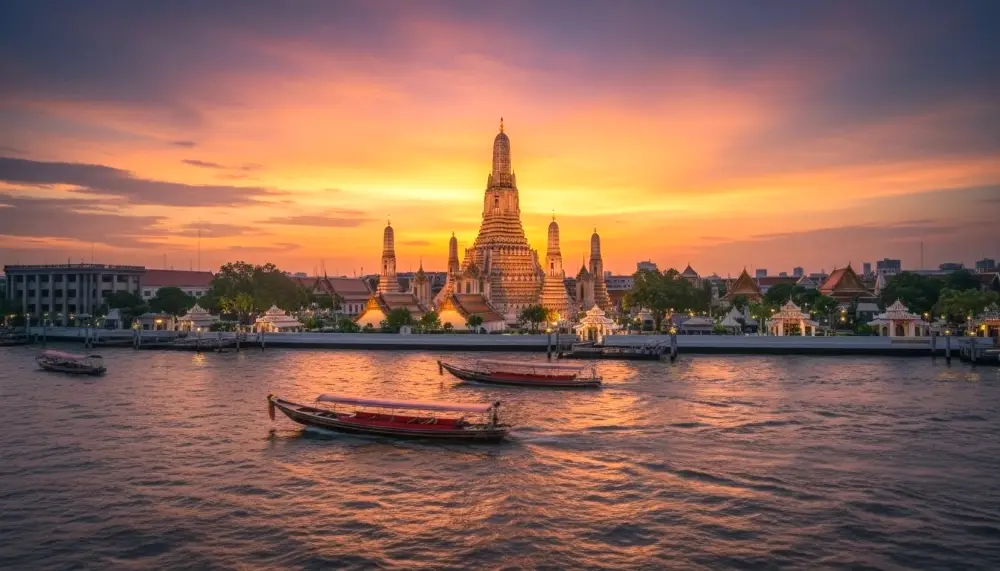
Bangkok may feel modern and fast-paced, but Thai culture remains deeply rooted in tradition.
Temples, known as wats, are scattered throughout the city and play an important role in everyday life. Locals visit them to pray, give offerings, or simply find a moment of calm.
When visiting temples, remember a few simple etiquette rules:
- Dress modestly (cover shoulders and knees)
- Remove shoes before entering temple buildings
- Avoid touching people’s heads or pointing feet at Buddha statues
- Speak quietly and respectfully
Understanding these customs helps visitors connect more deeply with Thai culture and ensures a respectful experience.
Living With the Climate:
Bangkok’s tropical weather is another big adjustment for first-time visitors.
The city is hot and humid most of the year, with temperatures often sitting between 28–35°C (82–95°F).
To stay comfortable:
- Drink plenty of water
- Wear light, breathable clothing
- Take breaks in air-conditioned cafés or malls
- Plan outdoor sightseeing in the morning or evening
The heat can feel intense at first, but most travelers adapt quickly.

Is Bangkok Safe?

Many travelers worry about safety when visiting a large international city, but Bangkok is generally very safe for tourists.
Petty scams and pickpocketing can occur, as in any big city, but violent crime is rare.
A few common-sense precautions help keep your trip smooth:
- Avoid overly friendly strangers offering “special deals”
- Use official taxis or ride apps
- Keep valuables secure in crowded markets
- Trust your instincts
Thai people are known for their hospitality, and most visitors feel welcomed almost immediately.
Bangkok as a Gateway:
Living in Bangkok, even briefly, opens the door to exploring the rest of Thailand.
From the capital, travelers can easily reach:
- The mountains and temples of Chiang Mai
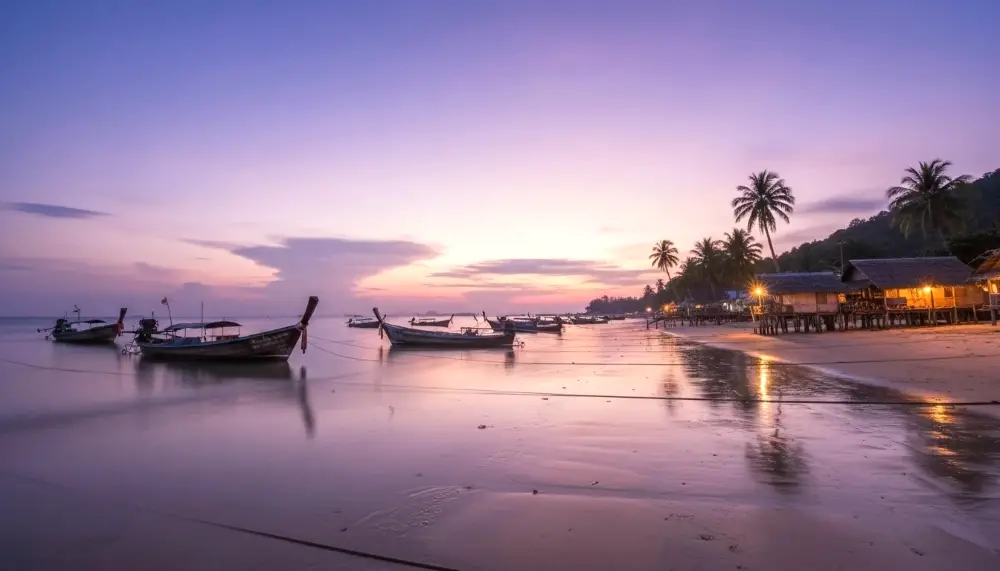
- The famous beaches and islands in the south
- Historic cities like Ayutthaya and Sukhothai
- Jungle landscapes and national parks
Many visitors start in Bangkok, fall in love with Thailand, and then extend their journey to discover more of the country.
A City That Grows On You:
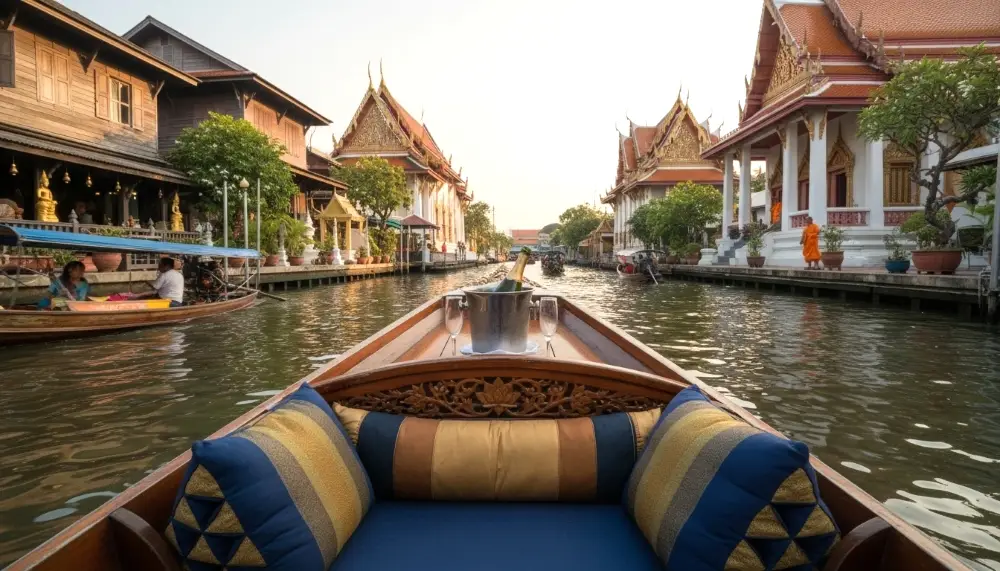
At first, Bangkok can feel overwhelming.
The traffic, heat, and crowds might seem intense compared to quieter destinations. But after a few days, many travelers begin to see the deeper charm of the city.
You start recognising favourite street food stalls. The Skytrain becomes easy to navigate. A busy street suddenly reveals a peaceful temple hidden behind its walls.
Bangkok rewards curiosity.
For first-time visitors to Thailand, spending time here offers a fascinating introduction to the country’s culture, cuisine, and energy. It’s a city that surprises you constantly — and often becomes the place travelers miss the most once they leave.
If your Thailand adventure begins in Bangkok, embrace the chaos, explore with an open mind, and enjoy every moment of discovering one of Asia’s most unforgettable cities.
FAQ: Living in Bangkok
What is the average electricity bill in Bangkok?
For a 1-bedroom condo with moderate air conditioning use, expect to pay between 2,500 and 4,500 THB per month. Rates are higher in older buildings with inefficient cooling units.
Can I buy a car in Thailand as an expat?
Yes, but it is rarely recommended for central Bangkok residents. The combination of high import taxes on foreign brands and oppressive traffic makes the BTS/MRT a far more logical investment.
Is tipping expected in Bangkok?
Thailand does not have a mandatory tipping culture. However, in “Plus Plus” establishments (where 10% service and 7% VAT are added to the bill), a tip is not required. For street food or taxis, rounding up to the nearest 20 or 50 THB is appreciated but never demanded.
What is the “Plus Plus” charge?
When you see “++” on a menu, it means the price excludes 10% service charge and 7% Value Added Tax (VAT). Always factor an additional 17.7% into your budget for mid-to-high-end dining.
Continue Planning Your Trip