Thai Healthcare Guide
This site contains affiliate links. We may earn a commission at no extra cost to you.
Traveling to Thailand With Peace of Mind
The good news is that Thailand has one of the best healthcare systems in Southeast Asia. From world-class private hospitals in Bangkok to reliable clinics in smaller towns and islands, visitors generally find medical care to be modern, professional, and surprisingly affordable.
This guide will help you understand how healthcare works in Thailand so you can travel confidently and focus on the adventure ahead.
The Quick Summary:
Budgets: Public hospital visits start at 500 THB; high-end private consultations range from 2,000 to 4,500 THB.
Service Speed: Private facilities offer near-instant care; public hospitals often require 4-6 hour wait times and early morning queueing.
English Proficiency: Private international hospitals employ multilingual staff; public hospitals may require a Thai speaker for complex navigation.
Regional Variance: Top-tier specialized care is concentrated in Bangkok (Sukhumvit, Silom) and Chiang Mai (Mueang district).
Entry Requirements: Foreigners on DTV or Long-Stay visas generally need insurance coverage of at least 1.8 Million THB ($50,000) for inpatient care.

Is The Healthcare Good?
Thailand offers excellent healthcare for international visitors.
Private hospitals in major cities are internationally accredited, doctors often speak good English, and treatment costs are significantly lower than in many Western countries.
Here’s what most travelers experience:
- Modern hospitals with advanced equipment
- English-speaking doctors and nurses
- Short waiting times at private facilities
- Affordable treatment compared to Europe or the US
- Pharmacies everywhere for minor issues
For most visitors, the biggest challenge isn’t finding healthcare, it’s deciding which excellent hospital to choose.
| Service Category | Public Hospital (THB) | Private Hospital (THB) | Premium International (THB) |
|---|---|---|---|
| Specialist Consultation | 500 – 1,200 | 1,500 – 3,000 | 3,000 – 5,500 |
| MRI Scan (One Area) | 6,000 – 10,000 | 12,000 – 18,000 | 18,000 – 25,000 |
| Single Room / Night | 2,000 – 4,000 | 8,000 – 15,000 | 18,000 – 35,000 |
| Comprehensive Check-up | 3,000 – 7,000 | 10,000 – 25,000 | 30,000 – 60,000+ |
Public vs Private Hospitals:
Public Hospitals
Public hospitals such as King Chulalongkorn Memorial or Siriraj provide world-class medical expertise at a fraction of private costs. While the medical skill is often superior, as these are teaching hospitals—the trade-off involves massive crowds, long wait times, and a lack of privacy in communal wards.
The Thai spirit of resilience is on full display at 5:00 AM in the queues at major government facilities. If you are a resident on a budget, these hospitals are unmatched for complex surgeries and long-term chronic care. However, the bureaucracy is dense. You must navigate various windows for registration, vitals, and payment.
If you need the expertise of a public hospital doctor but hate the wait, look for their “After-Hours Premium Clinics.” These allow you to see the same senior professors in the evening for a slightly higher fee (around 1,000–1,500 THB) with significantly shorter queues.
Private Hospitals
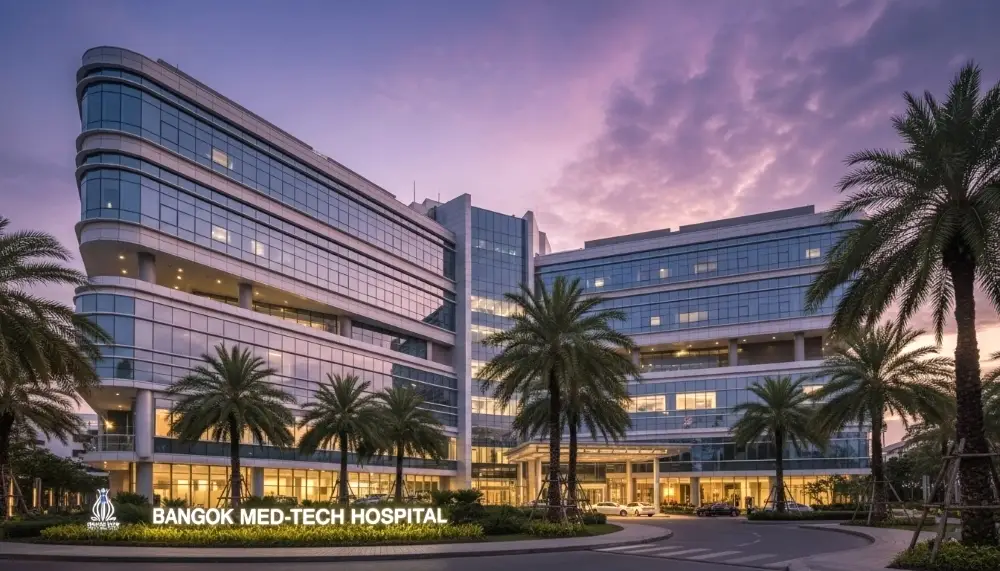
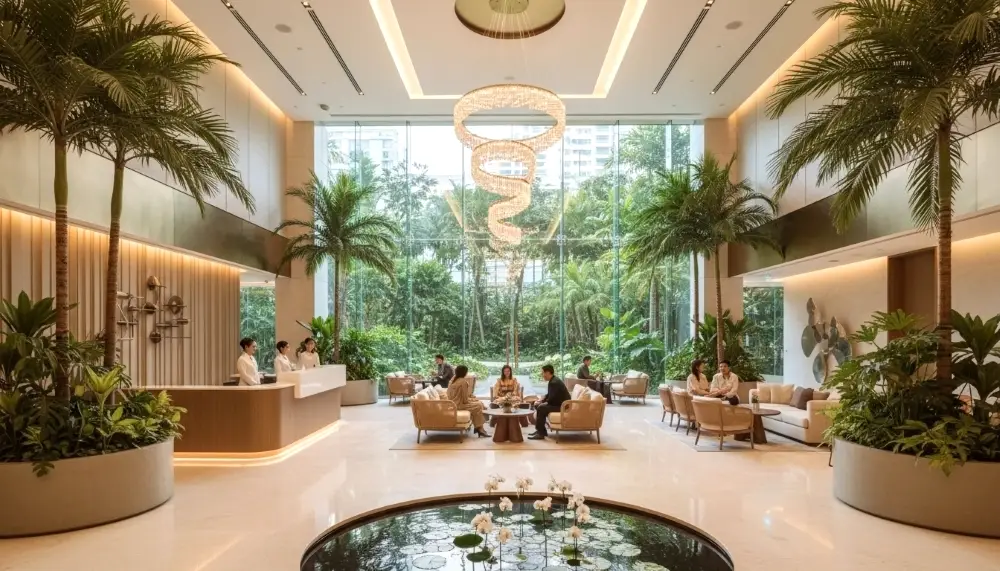
Private hospitals like Bumrungrad, Samitivej, and Bangkok Hospital prioritize speed, English-speaking staff, and hotel-like amenities. These institutions are the gold standard for expats and medical tourists, providing walk-in specialist access, state-of-the-art diagnostic technology, and seamless insurance direct-billing for most international providers.
Stepping into an international wing in the Pathum Wan or Watthana districts feels like entering a premium airport lounge. The efficiency is clinical: you can often see a world-class cardiologist, receive an EKG, and have your medication dispensed within two hours. Most doctors here have trained in the US, UK, or Australia, ensuring cultural and linguistic alignment.
For those residing in Chiang Mai, the Bangkok Hospital Chiang Mai branch provides the same standard of care without the Bangkok traffic. However, be aware of the “Plus Plus” charges: hospital bills often include a 10% service charge and 7% VAT on certain items, similar to high-end dining in the capital.
Healthcare in Major Destinations:
Bangkok
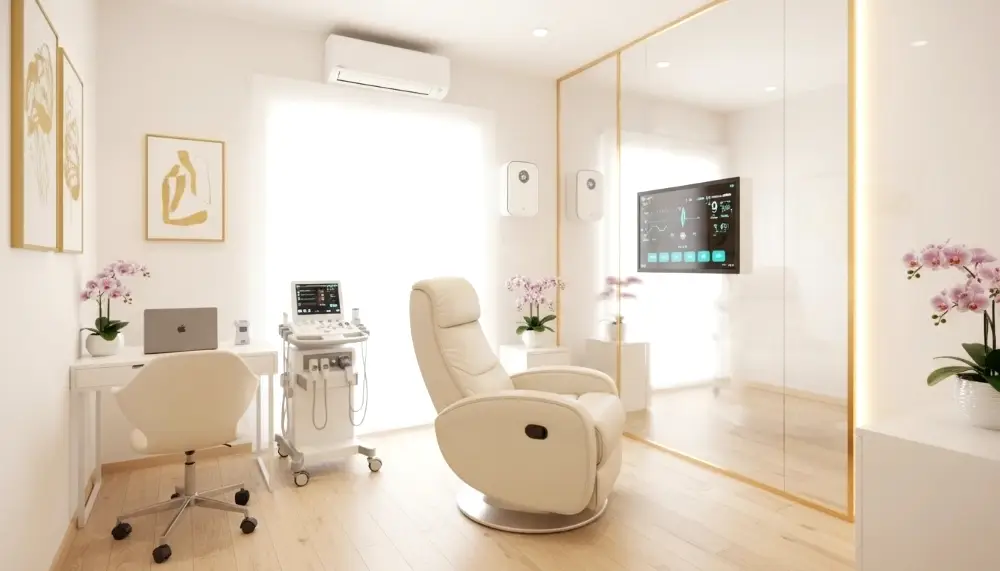
Bangkok is a global hub for medical excellence, home to some of the most advanced hospitals in Asia. Many of these institutions are world-renowned, specializing in treating international patients and driving a significant portion of the region’s medical tourism. The city’s healthcare infrastructure is incredibly dense, ensuring that visitors will find:
- Large Private Hospitals: Multi-disciplinary facilities that rival top Western medical centers in technology and care standards.
- Specialist Clinics: Focused centers for everything from dental work to advanced surgical procedures.
- 24-Hour Emergency Departments: Fully equipped trauma and urgent care units available around the clock.
- English-Speaking Staff: Highly trained doctors and nursing teams who are fluent in English, facilitating clear communication for foreign patients.
If anything serious occurs during your trip, Bangkok is arguably the best location in Southeast Asia to receive prompt and professional medical treatment.

Chiang Mai
Northern Thailand’s cultural capital is not just a destination for digital nomads and explorers; it also provides excellent healthcare options that mirror the quality of the capital.
Chiang Mai features several modern hospitals that are specifically geared toward the needs of international visitors, long-term expats, and the growing digital nomad community.
Whether you are spending your days exploring ancient temples, hiking in the northern mountains, or visiting nearby national parks, you can feel reassured that high-quality medical care is easily accessible and centrally located.
Southern Islands
Even in the more relaxed environments of popular island destinations like Phuket, Koh Samui, and Krabi, the medical facilities remain very good. These coastal hubs have developed a strong medical infrastructure to support their high volume of international tourism. In the south, you will typically find:
- Private Hospitals on Larger Islands: Well-equipped facilities in Phuket and Samui capable of handling significant procedures.
- Clinics in Tourist Areas: Conveniently located urgent care centers for minor illnesses or injuries.
- Pharmacies in Nearly Every Town: Widely available pharmacies stocked with a broad range of international and local medications.
While most common medical issues can be handled efficiently on-site, patients requiring highly specialized or long-term serious treatment may occasionally be transferred to Bangkok’s superior facilities for extended care.

Pharmacies in Thailand:
One of the most convenient and accessible aspects of the healthcare system in Thailand is the sheer abundance of pharmacies. These outlets are exceptionally easy to locate in major cities, bustling tourist hubs, and even within small, remote towns.
Thai pharmacists are generally well-trained medical professionals who can provide immediate assistance and advice for a variety of minor illnesses, including:
- Stomach Issues: Providing relief for common travel-related digestive upsets.
- Mild Infections: Offering topical or oral treatments for non-serious conditions.
- Allergies: Recommending effective antihistamines for seasonal or environmental reactions.
- Colds and Flu: Supplying a wide range of symptom-relief medications.
- Minor Injuries: Assisting with first-aid supplies and wound care.
A significant benefit for travelers is that many medications requiring a strict prescription in Western countries are often available directly over the counter in Thailand. However, while the local supply is robust, it remains wise to bring an adequate supply of any essential medication you rely on regularly to ensure continuity of care.
Do You Need Travel Insurance?
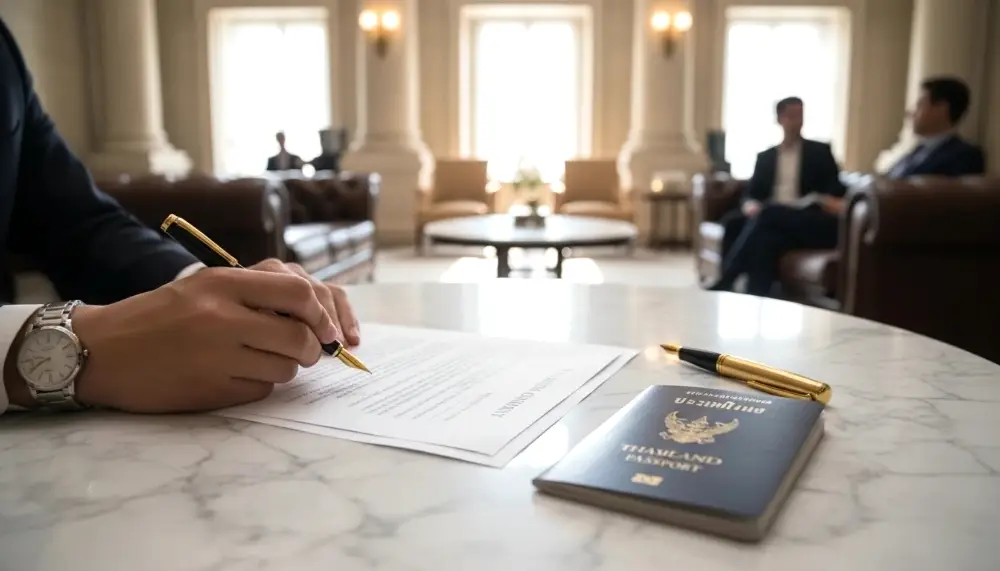
Even though the cost of healthcare in Thailand is remarkably affordable compared to Western standards, obtaining comprehensive travel insurance is strongly recommended for every visitor.
While a simple visit to a local doctor may only cost a small out-of-pocket amount, the financial burden of extended hospital treatment or a necessary medical evacuation can quickly become expensive. High-quality travel insurance should provide coverage for several critical areas:
- Emergency Hospital Treatment: Ensuring you have access to the best private care without financial strain.
- Doctor Visits: Covering the costs of consultations for unexpected illnesses or minor injuries.
- Prescription Medication: Reimbursing the costs of necessary drugs prescribed during your trip.
- Medical Evacuation: Providing critical coverage if you need to be transported to a specialized facility or back to your home country.
- Trip Interruptions: Offering protection if your travel plans are cut short due to a serious medical condition.
Ultimately, most travelers never find themselves in a position where they need to use their policy, but having it in place provides invaluable peace of mind, allowing you to focus entirely on your adventure.
Practical Health Tips for Travelers:

Staying healthy in Thailand is usually easy, but a few simple precautions can make your trip even smoother.
Here are some helpful tips:
Stay hydrated
Thailand’s tropical climate can be hot and humid. Drink plenty of water throughout the day.
Use sunscreen
The sun can be intense, especially on beaches and islands.
Be mindful with street food at first
Thai street food is delicious and generally safe, but give your stomach a little time to adjust.
Use mosquito protection
Mosquito repellent is recommended, particularly in jungle or island areas.
Carry basic medication
Pain relief tablets, rehydration salts, and antihistamines can be useful while traveling.
Pro Tips For Stress Free Travel:
Transport: Grab (choose “GrabCar Premium” for post-surgery comfort) or Bolt for budget hops.
Navigation: Google Maps is essential for finding “Soi” shortcuts to avoid Sukhumvit gridlock.
Booking: Agoda or Booking.com for serviced apartments near “Medical Hub” zones.
Connectivity: Yesim or local AIS/True SIMs for constant data to use translation tools.
Finance: THB is king; keep 2,000–5,000 THB in cash for smaller clinics that may not take international cards without a surcharge.
A Country That Welcomes Travelers:
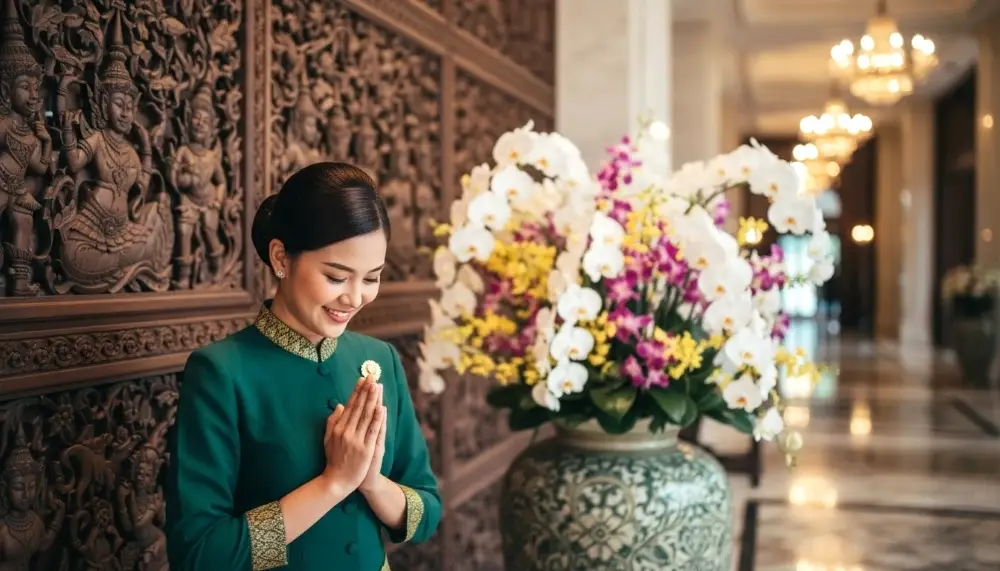
Thailand has built its reputation as one of the world’s most welcoming travel destinations. That same spirit of hospitality extends to its healthcare system.
Whether you’re wandering through golden temples, sampling street food in vibrant markets, trekking through mountain villages, or relaxing beside turquoise waters, it’s comforting to know reliable healthcare is always nearby.
For first-time visitors especially, this makes Thailand an easy and stress-free place to explore.
So plan your adventure, pack your bags, and get ready to experience everything this incredible country has to offer, with the confidence that you’re in safe hands if you ever need them.
FAQ: Frequently Asked Questions
Do I need to tip doctors or nurses in Thailand?
Tipping is not expected in medical settings. While a small token of appreciation like a box of high-quality fruit or sweets is culturally acceptable for long-term care, cash tips can be seen as inappropriate or confusing for professional staff.
Can I buy antibiotics over the counter at a Thai pharmacy?
Regulations have tightened recently. While many medications are available without a prescription at local Boots or Watsons pharmacies, stronger antibiotics and controlled substances now require a doctor’s note. Always consult a licensed pharmacist in a reputable shop.
What should I do in a medical emergency?
Dial 1669 for the national emergency medical services. However, if you are in a city, it is often faster to call a private hospital’s direct ambulance line or use Grab if the condition is stable enough for a car.
Is the water safe to drink in Thai hospitals?
While hospitals use high-grade filtration, it is standard practice to drink bottled or filtered water provided by the facility. Most private rooms include a daily allowance of bottled water.
Continue Planning Your Trip