Thailand Jungle Trekking
This site contains affiliate links. We may earn a commission at no extra cost to you.
Jungle trekking in Thailand offers visitors the chance to step away from the busy tourist hubs and experience a more natural, adventurous side of the country. Whether you’re walking through misty northern mountains, exploring rainforest valleys, or discovering hidden waterfalls, trekking is one of the most memorable travel experiences Thailand offers.
For first-time visitors, it’s also surprisingly accessible. With guided treks, welcoming local communities, and well-established trekking routes, you don’t need to be an expert hiker to enjoy Thailand’s incredible jungles.
The Quick View:
Entry Requirements: Most National Parks require a 200 THB to 400 THB entry fee for foreigners, payable in cash at the gate.
Seasonal Timing: The peak trekking window spans November to February for dry trails, while June to October offers lush greenery and waterfalls.
Gear Essentials: Leeches and humidity are the primary challenges. Physical protection and moisture-wicking fabrics are mandatory.
Logistics: Khao Yai and Khao Sok are the primary hubs for organized expeditions, accessible via private transfer or local bus networks.
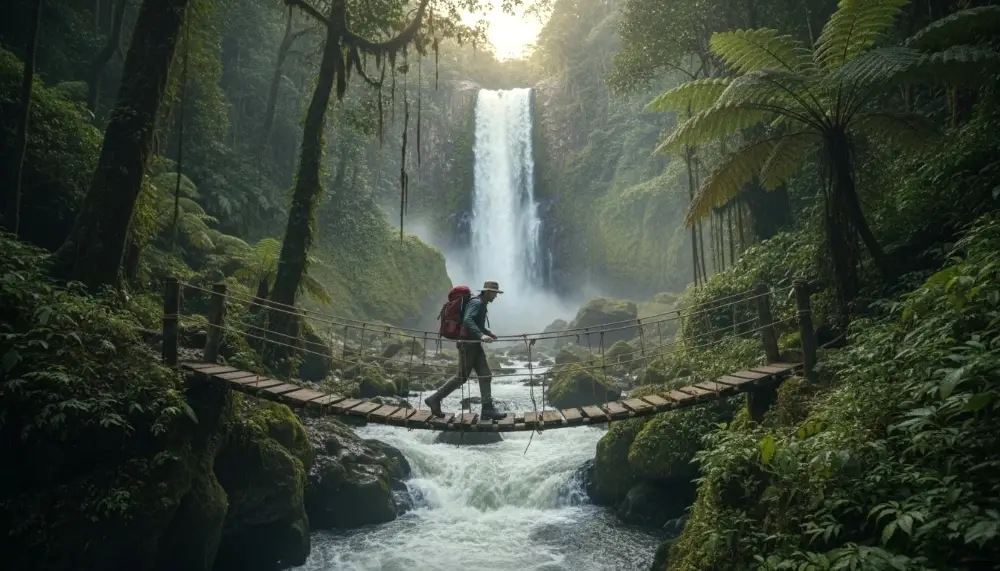
What Is Jungle Trekking in Thailand?
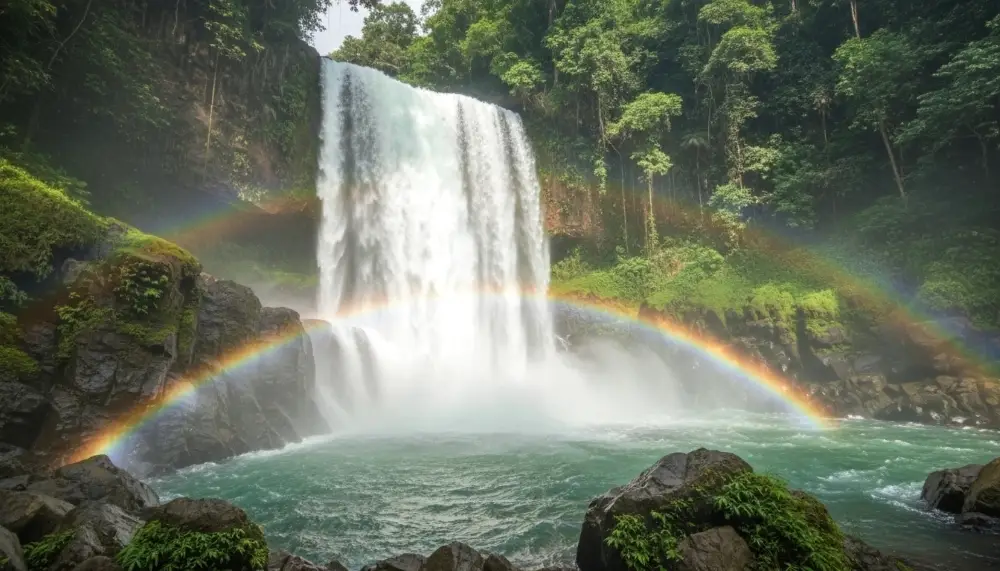
In simple terms, jungle trekking means hiking through Thailand’s tropical forests and mountainous national parks, often with a local guide.
Most treks include a combination of activities such as:
- Hiking through dense rainforest
- Visiting remote hill tribe villages
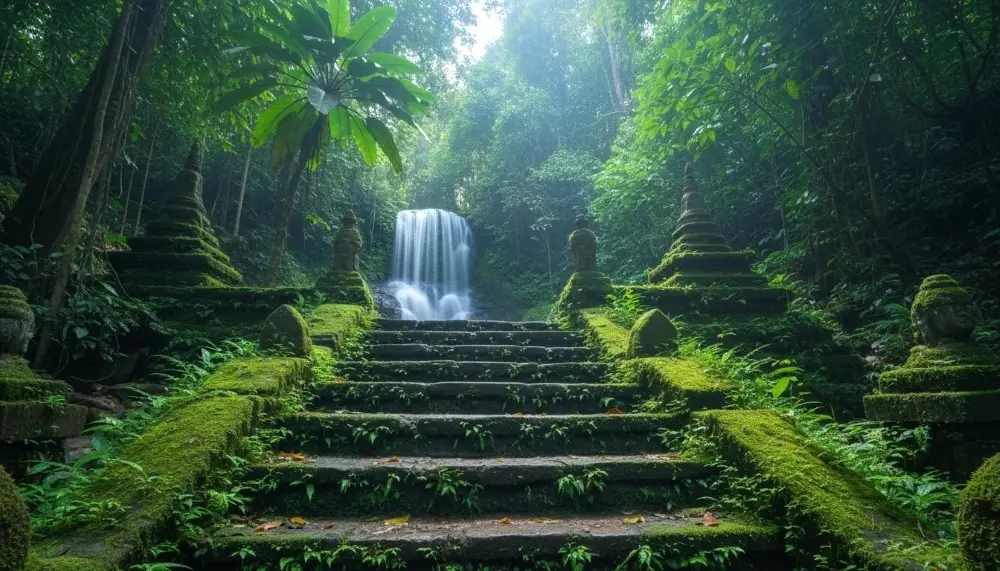
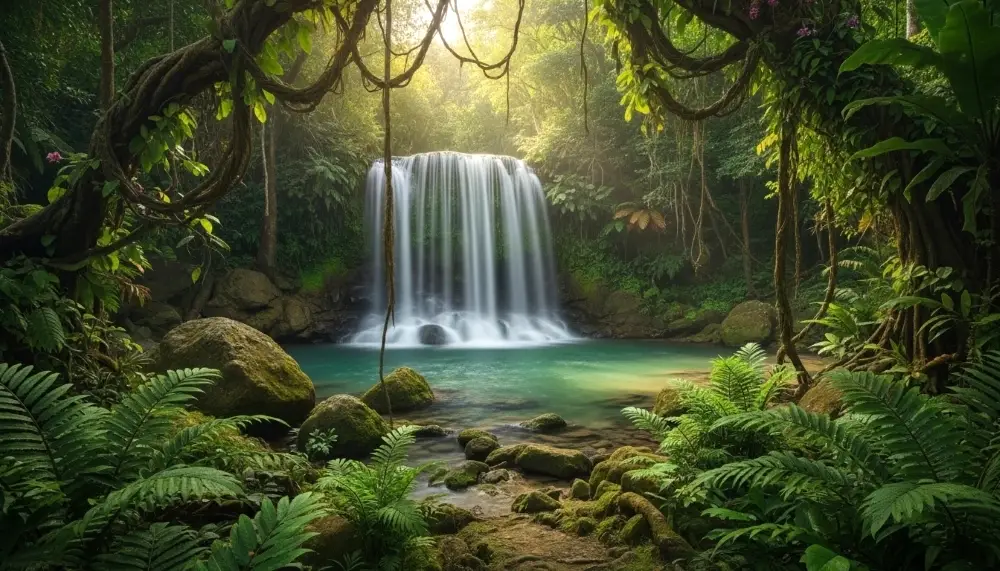
- Swimming in jungle waterfalls
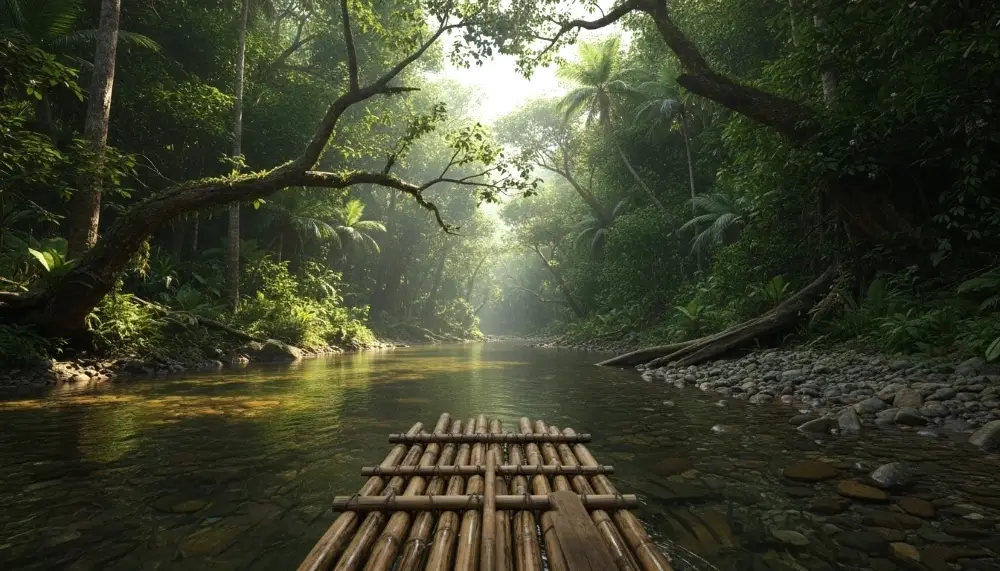
- Bamboo rafting down rivers
- Learning about jungle plants and wildlife
Treks can range from a few hours to multi-day adventures with overnight stays in local villages.
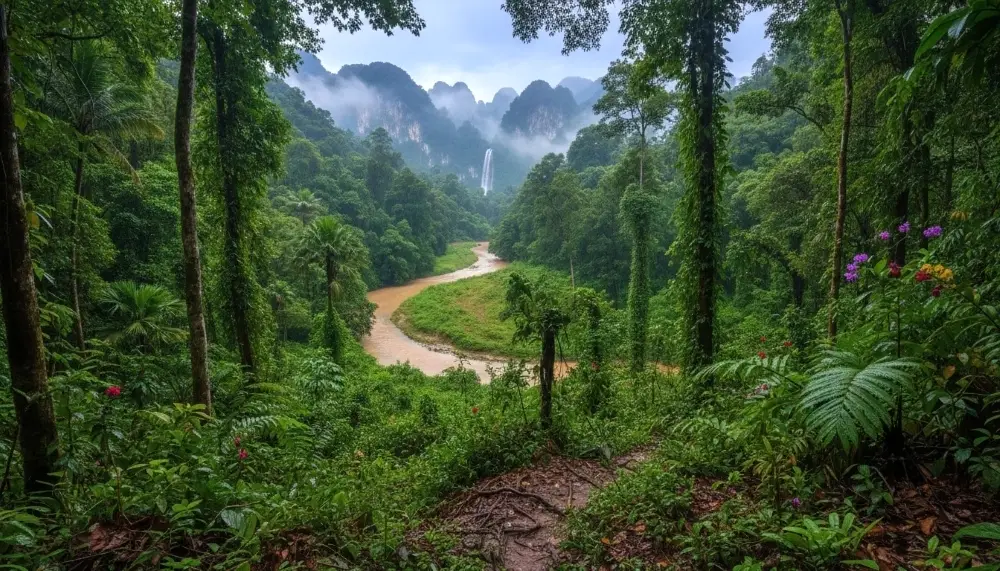
Thailand offers distinct trekking ecosystems. Northern regions focus on high-altitude ridges and hill tribe culture, Central parks provide accessible monsoon forests with high wildlife density, and Southern parks feature ancient rainforests and dramatic karst topography. Choosing a destination depends on the desired balance between physical challenge and biological observation.
| Region | Primary National Park | Terrain Type | Key Feature |
|---|---|---|---|
| North | Doi Inthanon | Cloud Forest | Highest peak in Thailand |
| Central | Khao Yai | Monsoon Forest | Wild elephant sightings |
| South | Khao Sok | Rainforest | Ancient limestone karsts |
The Best Places for Trekking:
Northern Thailand
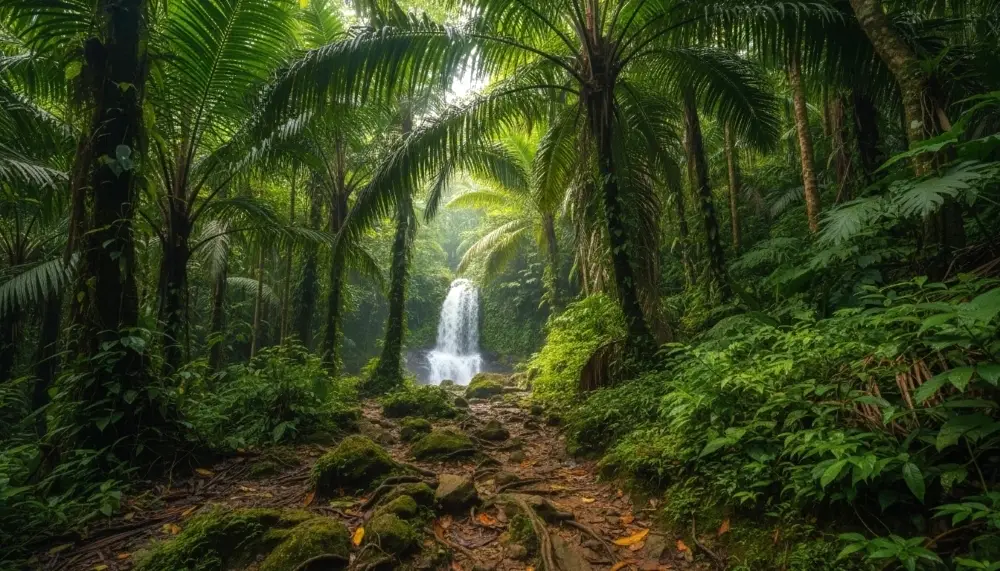
The North, anchored by Chiang Mai, serves as the gateway to the highlands. Doi Inthanon National Park provides trails that wind through moss-covered forests where temperatures can drop toward 0°C in December.
Central Thailand is dominated by Khao Yai, a UNESCO World Heritage site. Here, the infrastructure is robust, featuring well-marked trails such as the Haew Narok waterfall path.
Western Thailand
Western Thailand offers more remote jungle environments and fewer crowds.
Kanchanaburi province is home to beautiful forest trails, rivers, and national parks such as Erawan and Sai Yok. Treks here often include visits to waterfalls and bamboo rafting experiences.
Southern Thailand
While the south is famous for beaches and islands, it also has incredible rainforest trekking.
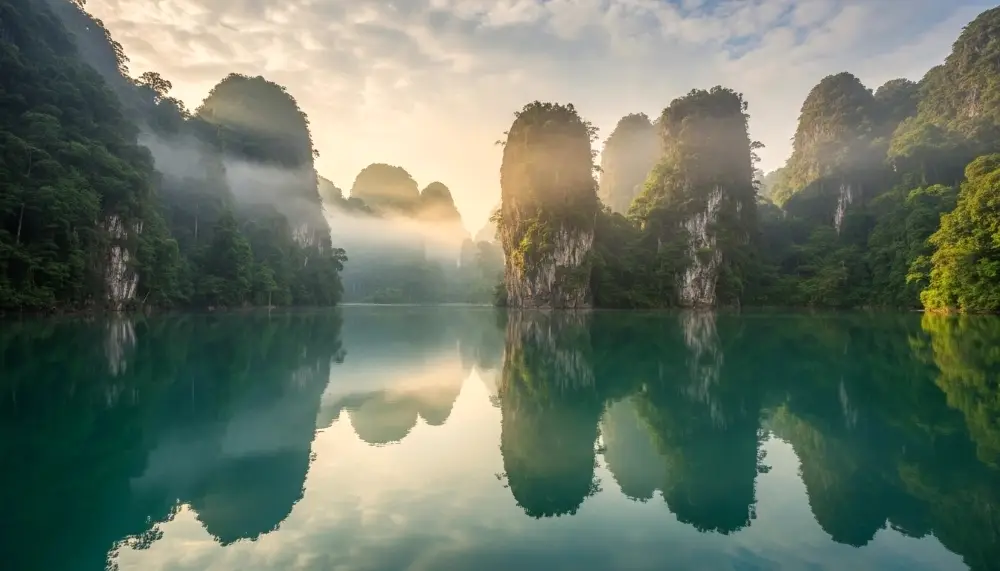
Khao Sok National Park is one of the most stunning jungle areas in the country. The rainforest here is believed to be older than the Amazon and is home to dramatic limestone cliffs, hidden caves, and diverse wildlife.
Many travelers combine jungle trekking with lake tours and overnight stays in floating bungalows.
What to Expect:
Most jungle treks in Thailand are designed to be enjoyable rather than extremely challenging.
A typical day might include several hours of walking along forest trails, with regular stops to rest, take photos, or swim in waterfalls. Guides often point out interesting plants, insects, and wildlife along the way.
Multi-day treks usually include:
- Simple village accommodations
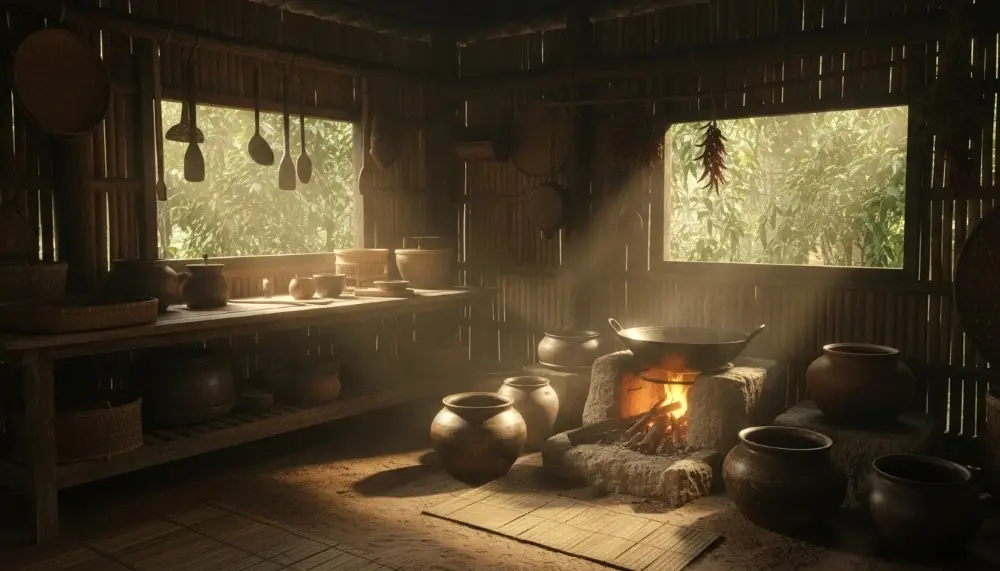
- Local Thai meals cooked over open fires
- Cultural experiences with hill tribe communities
- River crossings or bamboo rafting
The pace is generally relaxed, making trekking suitable for travelers with moderate fitness.
Wildlife You May See:
Thailand’s jungles are rich in biodiversity, although many animals are shy and difficult to spot.
During a trek you might see:
- Colorful tropical birds
- Butterflies and insects
- Lizards and small reptiles
- Monkeys in some forest areas
- Unique jungle plants and giant bamboo
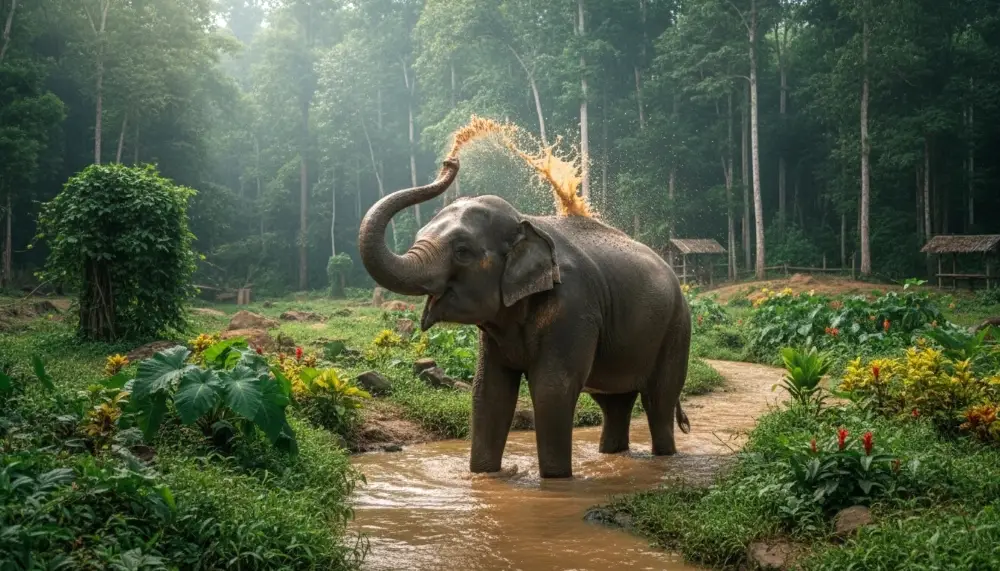
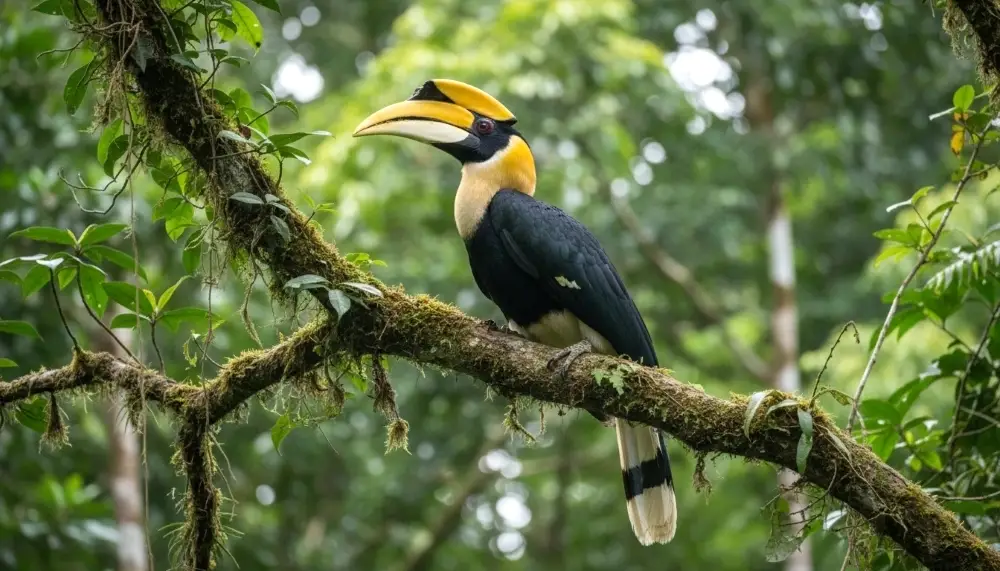
In certain parks like Khao Sok, lucky visitors occasionally spot hornbills, gibbons, or even wild elephants from a distance.
Even when animals stay hidden, the sounds of the jungle, birds calling, leaves rustling, insects humming, create an unforgettable atmosphere.
Hill Tribe Communities:
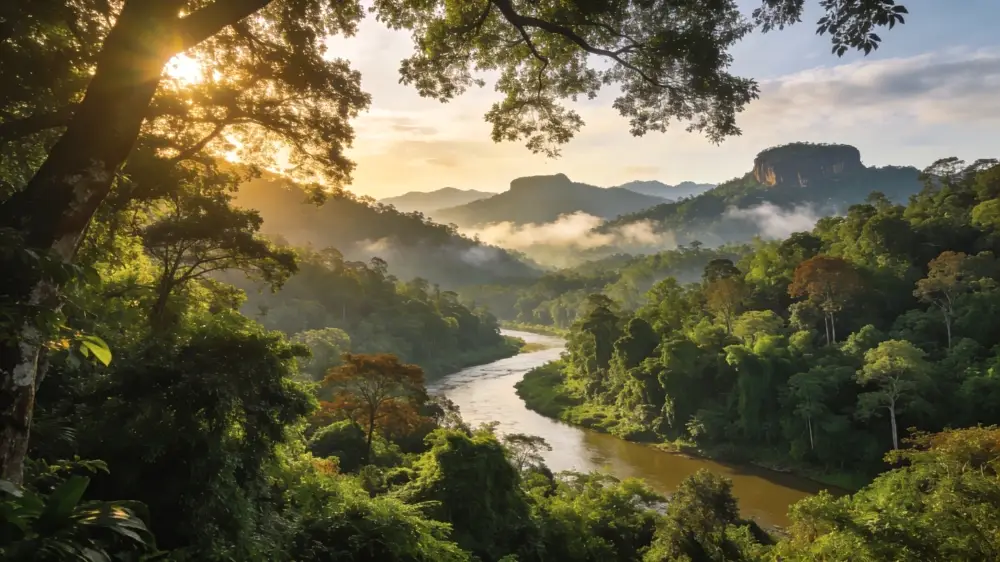
One of the most meaningful parts of jungle trekking in northern Thailand is visiting traditional hill tribe villages.
Several ethnic communities live in the mountains, including Karen, Hmong, and Lahu groups. Many trekking routes include overnight stays in these villages, where travelers can learn about local traditions and ways of life.
Visitors may see:
- Traditional bamboo houses
- Handmade clothing and crafts
- Rice farming and village agriculture
- Local cooking methods
Responsible trekking companies work closely with these communities to ensure tourism supports local livelihoods.
Helpful Tips:
Accessing Thailand’s National Parks requires a combination of pre-booked transport and on-site registration. Foreign visitors typically pay a tiered entry fee of 200 THB to 400 THB. Hiring a local ranger or certified guide is often mandatory for deep-forest trails to ensure safety and preserve the delicate ecological balance.
Wildlife protection is a serious endeavor. When entering parks like Kaeng Krachan or Kui Buri, visitors must adhere to strict Department of National Parks (DNP) regulations. While some short nature loops are self-guided, any trek exceeding three kilometers usually requires a guide. These experts are skilled at spotting camouflaged vipers, identifying medicinal plants, and tracking large mammals.
Transportation to these remote areas is best managed through digital platforms. Use Grab or Bolt for short-distance transfers from provincial hubs. For long-distance planning, 12Go Asia provides reliable schedules for buses and trains. Booking accommodation near park boundaries is most efficient via Agoda or Booking.com, which offer a high density of local guesthouse listings.
Practical Tips:

Successful jungle expeditions rely on a specialized toolkit of digital and physical assets. Essential apps include Klook for guided tours and Yesim or Airalo for consistent 5G connectivity in remote areas. Financial transactions require Thai Baht (THB) as rural kiosks and park gates rarely accept international credit cards.
Health: Carry a basic first aid kit with rehydration salts and leech socks, particularly in Khao Sok or Hala-Bala.
Connectivity: Secure a local SIM or use an eSIM to maintain access to GPS data.
Navigation: Download offline maps on Google Maps or AllTrails, as signal strength fluctuates under heavy canopy.
Security: Use Nord VPN when connecting to public Wi-Fi in guesthouses to protect personal data.
Is Jungle Trekking Safe?
The jungle can seem intimidating, but the infrastructure for tourism in Thailand is world-class. Emergency services are reachable, and the Tourist Police are specifically trained to assist foreigners.
To ensure peace of mind, always register your trekking plans with your accommodation and carry a power bank to keep your communication devices charged. The heat is the most significant factor: drink more water than usual and start treks at sunrise to avoid the midday sun.
Guided treks are the standard in most areas and provide several benefits:
- Navigation through forest trails
- Local cultural knowledge
- Safety support in remote areas
- Help with language barriers
How Trekking Fits into Travel:
Jungle trekking pairs perfectly with other parts of a Thailand adventure.
Many travelers start their journey in Bangkok, exploring temples and markets before heading north to Chiang Mai for trekking experiences.
After spending time in the mountains and jungles, visitors often continue south to relax on Thailand’s famous beaches and islands.
This mix of city life, nature, culture, and coastline is part of what makes Thailand such an unforgettable destination.
One of Best Experiences:
Thailand’s jungles offer something that many modern travelers crave: a chance to slow down and reconnect with nature.
Walking beneath towering trees, hearing the distant call of birds, and discovering hidden waterfalls creates a completely different perspective on the country.
For first-time visitors especially, jungle trekking adds a sense of adventure and discovery that goes far beyond typical sightseeing.
Whether you choose a short jungle hike or a multi-day mountain trek, stepping into Thailand’s wild landscapes is an experience you’ll remember long after the journey ends.
Frequently Asked Questions:
What is the best time of year for jungle trekking in Thailand?
The cool season from November to February offers the most comfortable temperatures and dry trails. However, the shoulder months of May and October provide spectacular waterfalls and fewer crowds.
Do I need a permit for Thailand National Parks?
Entry permits are purchased at the park gate. For overnight camping or restricted research zones, additional permits must be organized through the DNP headquarters in Bangkok or the specific park office in advance.
Are leeches a serious problem in the Thai jungle?
Leeches are common in damp rainforests like Khao Sok, especially during the rainy season. They are harmless but can be annoying. Wearing leech socks and applying insect repellent to shoes effectively prevents them.
Can I trek in Thailand without a guide?
Only short, designated nature trails are open for self-guided walking. To protect visitors from getting lost and to safeguard the habitat, a guide is required for most interior forest routes.
What should I do if I encounter a wild elephant?
Maintain a distance of at least 30 meters. If an elephant is on the road or trail, stay quiet, do not use flash photography, and slowly back away. Never block an elephant’s path or its escape route.
Continue Planning Your Trip