Thai Cooking Classes
One of the most unforgettable experiences you can have in Thailand isn’t just visiting temples, beaches, or markets it’s learning to cook the country’s incredible food.
Thai cooking classes are one of the most popular activities for visitors, and for good reason. They offer a fun, hands-on way to dive into Thai culture while learning recipes you can recreate long after your trip ends.
Whether you’re exploring bustling Bangkok, relaxing in Chiang Mai’s green mountains, or island hopping in the south, you’ll find cooking schools everywhere. And the best part? You don’t need any cooking experience to enjoy them.
Quick Summary:
- Budget: Group sessions typically range from 800 THB to 2,500 THB per person.
- Entry Requirements: Most schools require 24-hour advance booking; no specific permits are needed for short-term workshops.
- Regional Variance: Central Thailand focuses on heat and sweetness, Northern Thailand on earthy herbs, and Southern Thailand on intense spice and turmeric.
- Out and About: Market tours are standard in morning classes and provide essential cultural context for ingredient selection.
Are Thai Cooking Classes Worth It?
Yes! Thai cooking classes are absolutely worth it.
Most classes last between 3 and 5 hours and include:
- A guided visit to a local market
- Hands-on cooking instruction
- Several dishes to prepare yourself
- All ingredients and equipment provided
- A full meal at the end
They’re beginner-friendly, social, and surprisingly affordable. Many travelers say their cooking class ends up being one of the highlights of their entire Thailand trip.
Thai Culinary Education:
Thai cooking classes are categorized into three tiers: home-style garden schools, professional academy workshops, and luxury hotel masterclasses. Most sessions last four to six hours and include a guided market tour to source galangal, kaffir lime, and fermented shrimp paste. Prices vary by region, with Bangkok being the most expensive.
| Class Type | Average Price (THB) | Best Location | Primary Focus |
|---|---|---|---|
| Home-Style Garden | 800 – 1,200 | Chiang Mai (Old City) | Traditional recipes and atmosphere |
| Professional Academy | 2,500 – 4,500 | Bangkok (Bang Rak) | Technical precision and plating |
| Luxury Masterclass | 5,000 – 8,000 | Phuket (Bang Tao) | Premium ingredients and wine pairing |
What Happens During a Thai Cooking Class?
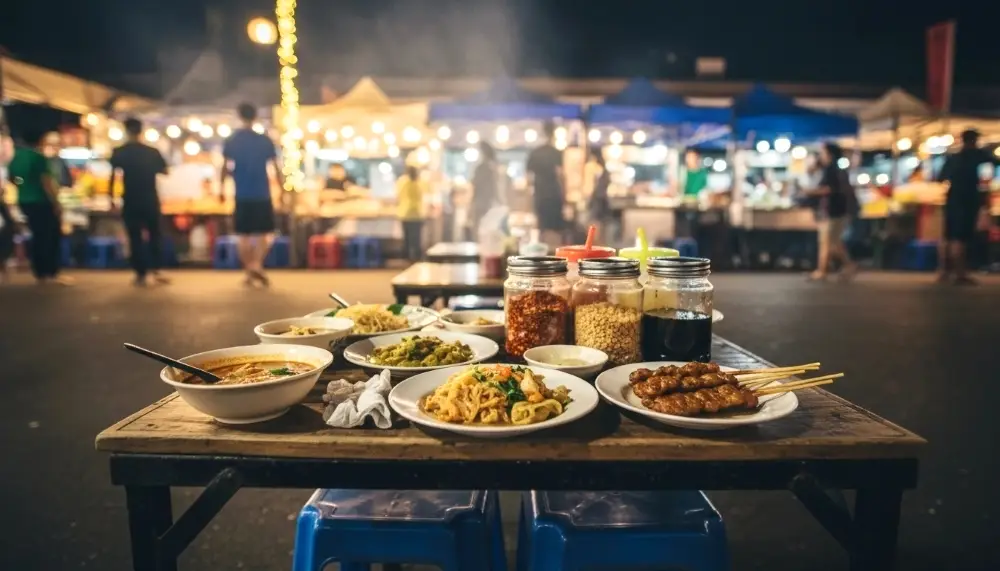
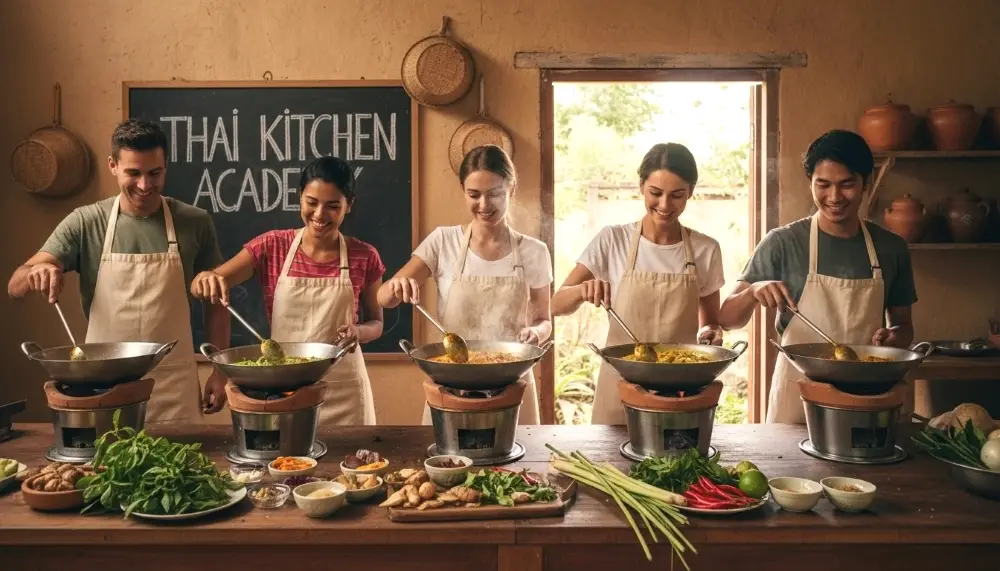
You’ll usually start with a short introduction to Thai ingredients and flavors. Many classes begin with a visit to a local market where instructors explain herbs, spices, vegetables, and sauces used in Thai cooking.
Participants typically cook several dishes step by step with guidance from a local chef. Some schools allow each person to prepare their own individual dishes, while others work in small groups.
Common dishes taught include:
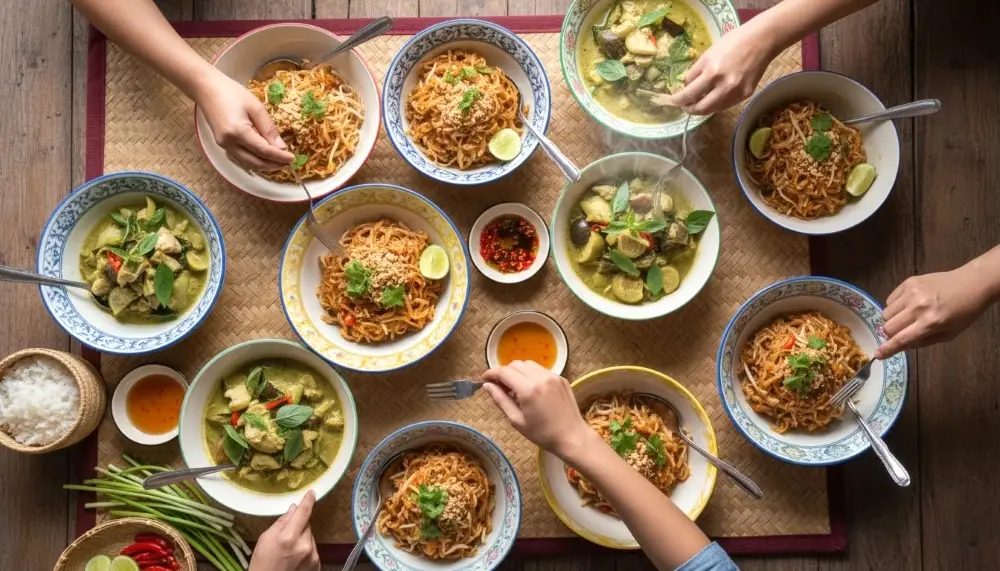
- Pad Thai
- Green curry
- Tom Yum soup
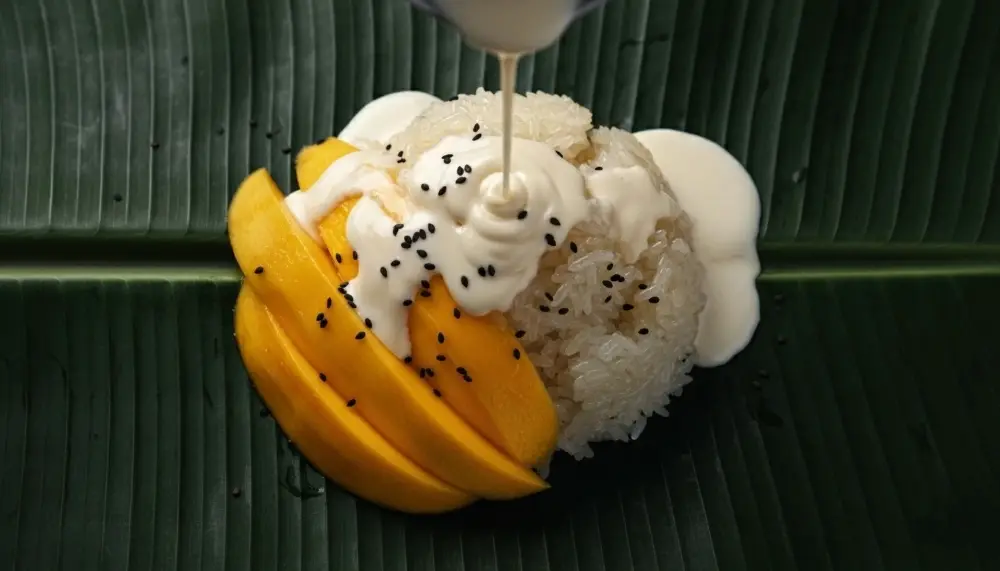
- Mango sticky rice
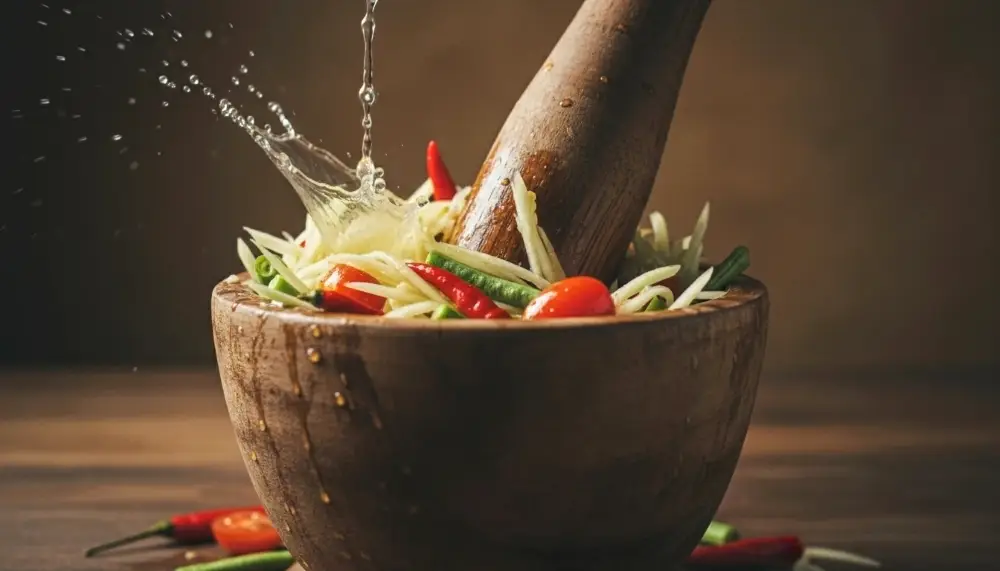
- Papaya salad (Som Tam)
Once everything is finished, everyone sits down together to enjoy the meal they just created. It’s relaxed, interactive, and usually full of laughter.
Bangkok: The Heart of Central Cuisine
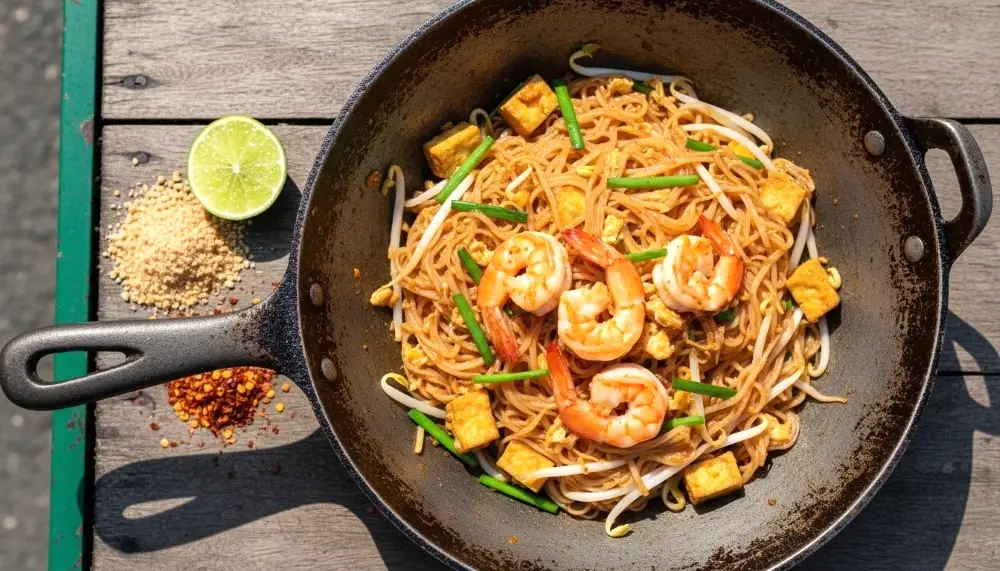
Cooking classes in Bangkok emphasize the sophisticated balance of Central Thai flavors, often featuring Royal Thai Cuisine techniques. Locations in Bang Rak and Sukhumvit provide access to historic markets like Or Tor Kor. These classes are ideal for travelers seeking high-level technical skills and refined presentation styles.
The capital city serves as the ultimate classroom for those obsessed with precision. In the dense, humid alleys of Bang Rak, classes often begin at dawn. Students navigate the narrow stalls of local wet markets, learning to identify the difference between ginger and galangal or how to select the perfect coconut for pressing fresh milk.
The Central style is characterized by its complexity. Unlike the rustic dishes of the provinces, Bangkok’s culinary heritage is influenced by the Royal Court, demanding intricate fruit carving and the delicate tempering of heat with palm sugar. The focus here is on the iconic staples: Tom Yum Goong, Pad Thai, and Green Curry. For a superior experience, avoid the large-scale tourist traps in Khao San Road. Instead, seek out boutiques in the Silom area that limit class sizes to six participants to ensure individual attention from the chef.
Chiang Mai: Organic Farms and Lanna Traditions
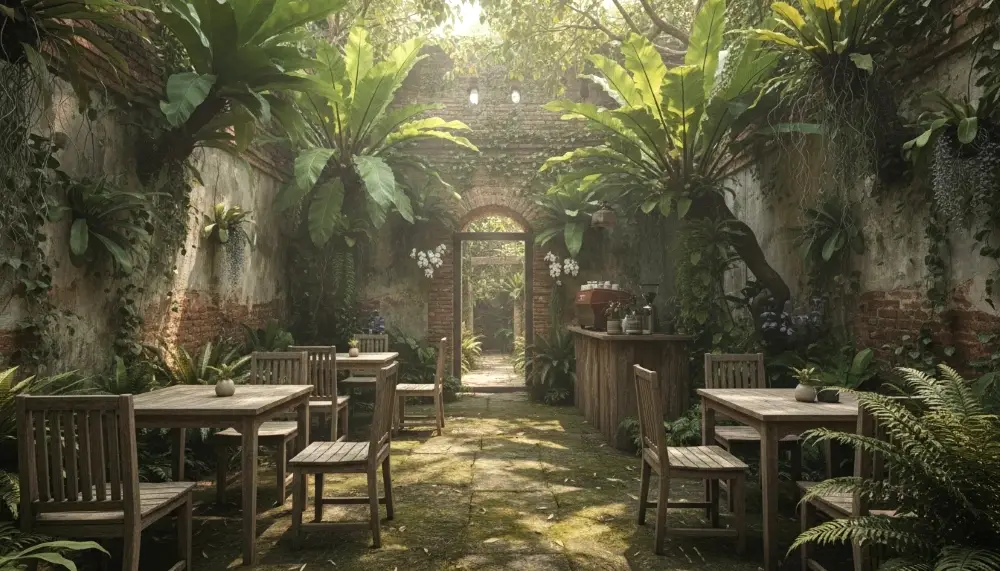
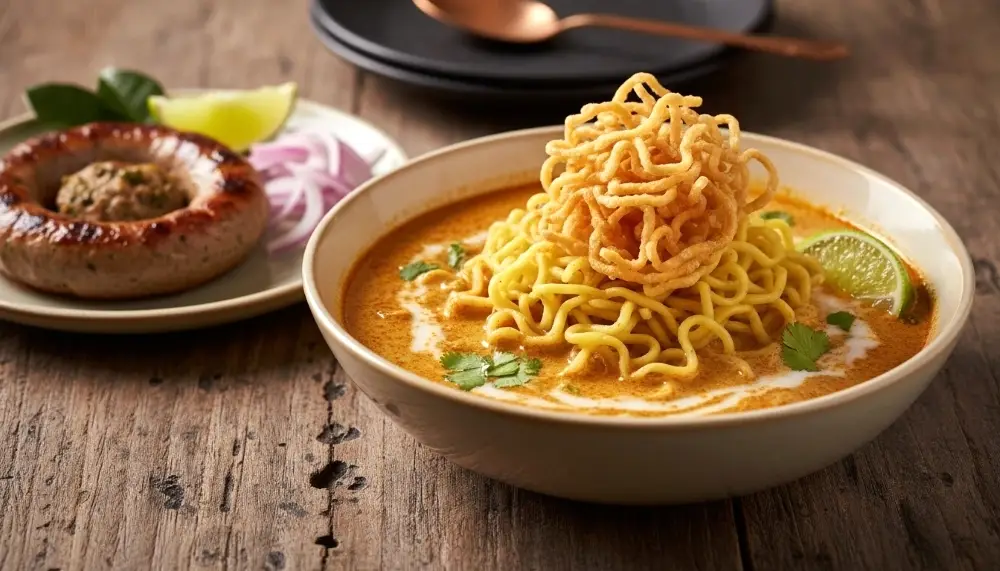
Chiang Mai offers a rustic, farm-to-table approach where students often pick ingredients directly from onsite organic gardens. The curriculum focuses on Northern Lanna specialties, such as Khao Soi and Sai Oua. These classes provide a relaxed, immersive environment that highlights the region’s unique use of bitter herbs.
Traveling north to the Rose of the North shifts the palate entirely. The climate in Chiang Mai allows for a different variety of produce, and the cooking schools reflect this through their garden-centric layouts. Many of the top-rated schools, such as those located in the Mae Rim district or near the Tha Phae Gate, transport students to out-of-town farms.
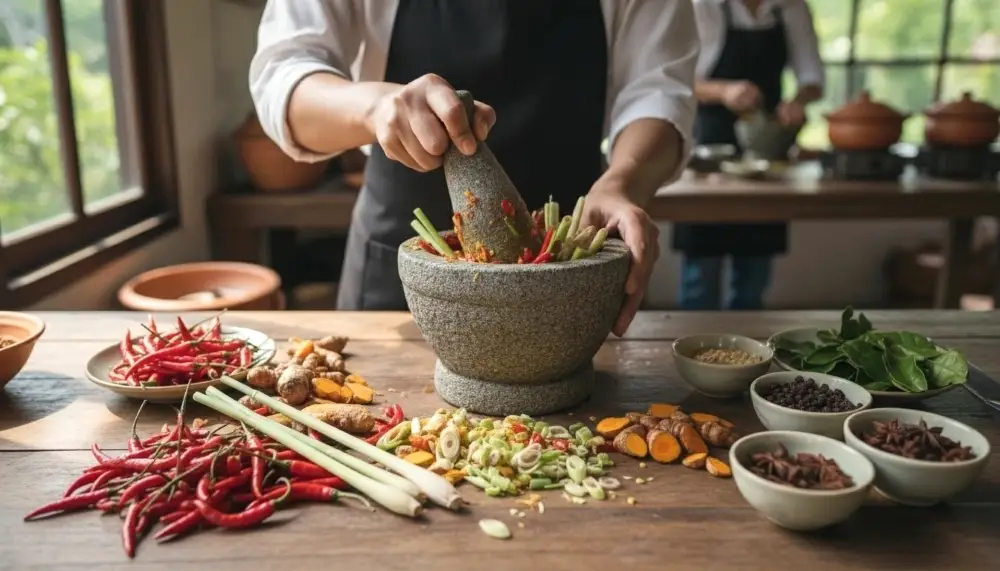
The Northern Lanna style is distinct for its lack of coconut milk in many traditional curries and its heavy reliance on dried spices and pork. Students will spend significant time mastering the mortar and pestle to create the thick, aromatic pastes required for Gaeng Hang Lay. The atmosphere is generally more communal and relaxed than the fast-paced kitchens of Bangkok, making it a favorite for those prioritizing the sensory experience over rigid technicality.
Southern Thailand: Spice, Seafood, and Turmeric
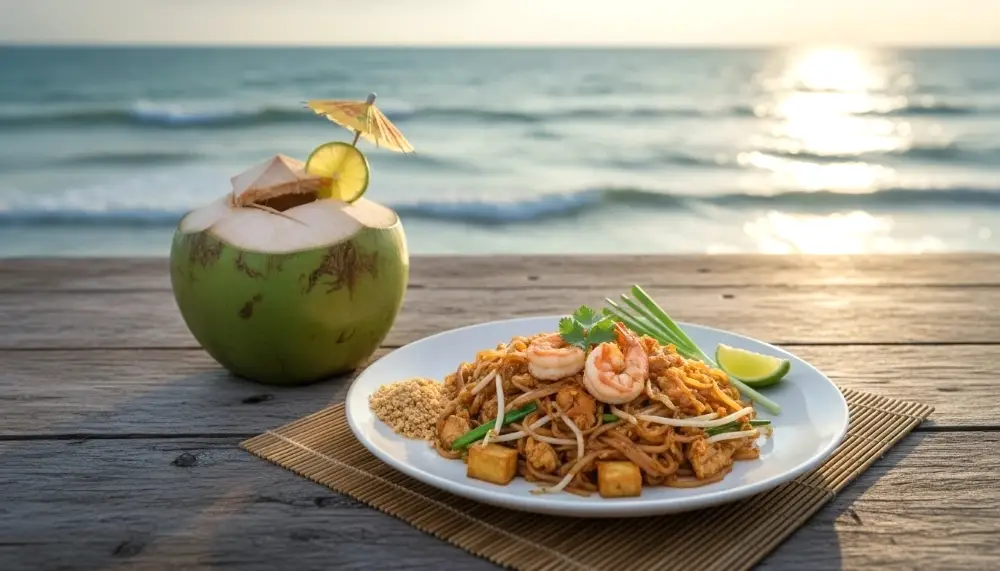
Cooking classes in Southern Thailand, particularly in Phuket and Koh Samui, are defined by intense spice levels and the heavy use of fresh turmeric. The curriculum centers on seafood and pungent curries like Gaeng Som. These classes often integrate coastal culture and outdoor beachside kitchen setups.
The South is where the heat reaches its zenith. Influenced by Malay and Indonesian flavors, the cuisine here is unapologetically bold. In Phuket Town or along the shores of Krabi, classes emphasize the use of turmeric for its antiseptic properties and vibrant yellow hue.
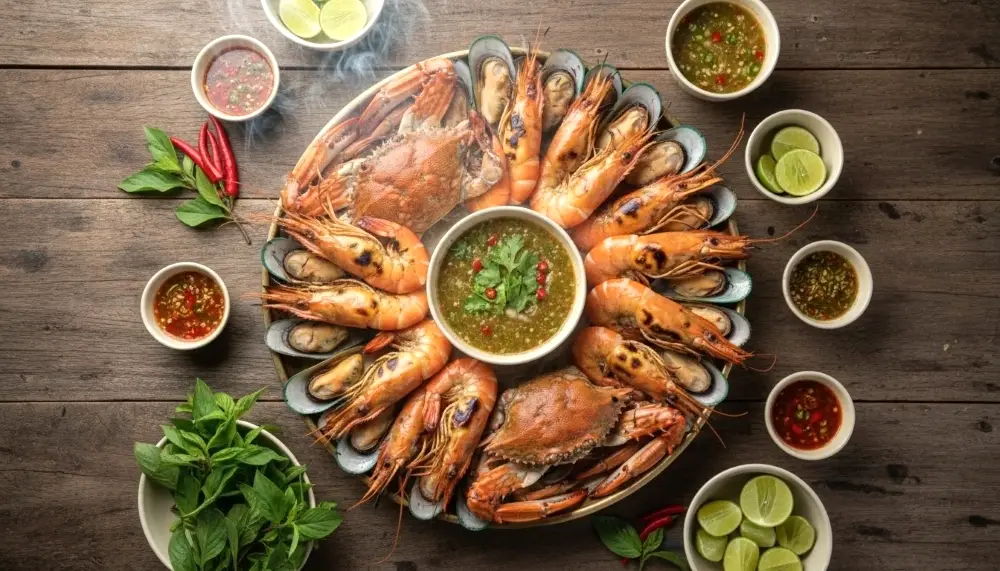
Expect to work with an abundance of fresh seafood sourced directly from the Andaman Sea or the Gulf of Thailand. A highlight of Southern classes is learning to balance the intense sourness of tamarind with the fire of dried red chilies. For an authentic insight, look for classes that teach the preparation of Khua Kling, a dry-fried minced meat curry that tests the limits of one’s spice tolerance.
Perfect for First-Timers:
For first-time travelers, Thai cooking classes offer something special that sightseeing alone cannot provide, a real connection to the culture.
Food plays a huge role in everyday life in Thailand. Learning how dishes are prepared gives you insight into local ingredients, traditions, and cooking techniques that have been passed down for generations.
Cooking classes also provide a comfortable environment for travelers who may feel nervous exploring the country on their own.
You’ll usually be surrounded by other visitors, guided by friendly instructors who are used to helping beginners.
It’s a safe, welcoming way to experience authentic Thai culture.
What You’ll Learn:
Thai cuisine is famous for its balance of flavors, sweet, sour, salty, and spicy.
During a cooking class, instructors explain how these flavors work together using fresh ingredients such as:
- Lemongrass
- Kaffir lime leaves
- Galangal
- Thai basil
- Chili peppers
- Coconut milk
- Fish sauce
Many travelers are surprised to learn how simple some dishes actually are when you understand the ingredients.
Practical Tips Before Booking a Class
If you’re planning to try a cooking class in Thailand, a little preparation can help you choose the best experience.
Here are a few helpful tips:
- Book ahead during high season. Popular classes fill up quickly.
- Choose smaller groups for a more hands-on experience.
- Check dietary options if you’re vegetarian or have allergies.
- Morning classes often include market visits.
- Come hungry. You’ll likely cook more food than you expect.
Many schools also provide recipe books so you can recreate the dishes once you return home.
Don’t Worry If You’re Not a Cook:
One of the biggest concerns first-time travelers have is whether they need cooking skills to join a class.
The answer is absolutely not.
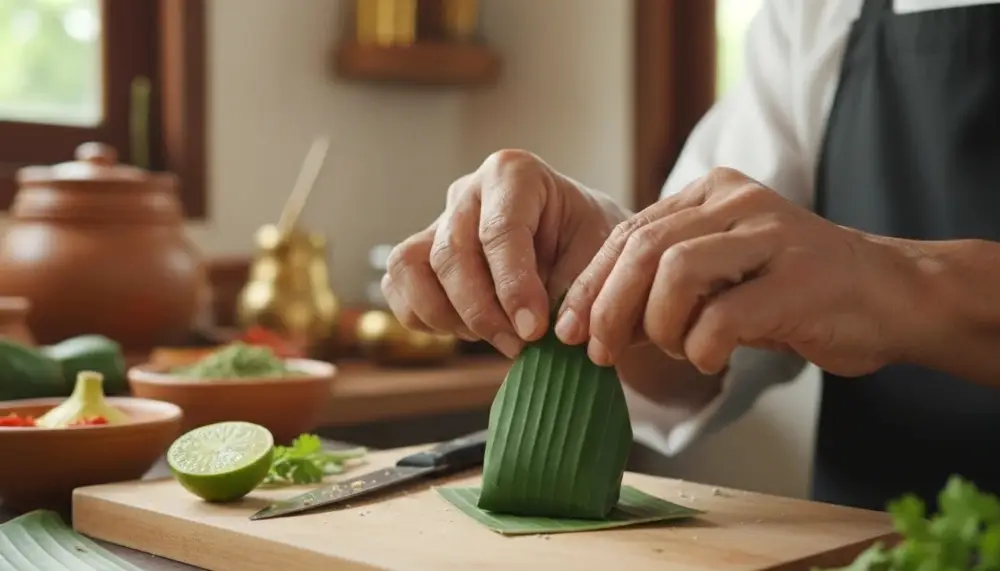
Thai cooking classes are designed specifically for beginners. Instructors guide you step by step and prepare most ingredients ahead of time.
Think of it less like a professional cooking course and more like a relaxed cultural experience where food happens to be the focus.
If you can chop vegetables and stir a pan, you’ll do just fine.
A Delicious Souvenir:
Long after your Thailand adventure ends, the recipes you learn in a cooking class become one of the most meaningful souvenirs you can bring home.
Cooking Thai food later can instantly transport you back to your trip, the smells of lemongrass, sizzling garlic, and fresh chili bringing back memories of markets, temples, and tropical beaches.
Many travelers say cooking Thai dishes at home becomes a way to relive their journey.
And once friends taste your homemade pad Thai or green curry, you’ll likely find yourself sharing stories of Thailand again and again.
Pro Tips:
To ensure a seamless transition from the hotel to the stovetop, utilize the following digital resources and local insights:
Safety: Always use a Nord VPN when accessing booking sites on public Wi-Fi in cafes or airports.
Transport: Use Grab or Bolt to reach cooking schools located outside the main city centers. In Bangkok, the BTS Skytrain and MRT Subway are more reliable during peak traffic hours.
Booking Platforms: Klook and Get Your Guide offer competitive rates and verified user reviews for the most popular schools.
Connectivity: Ensure a stable connection via Yesim or a local SIM to use Google Translate at the wet markets.
Payments: While large schools accept credit cards, many market vendors only accept cash in Thai Baht (THB) or PromptPay QR codes.
FAQ’s:
Do I need prior cooking experience?
No. Most classes are designed for beginners and provide step-by-step guidance. Professional academies offer advanced modules for those with culinary backgrounds.
Are market tours included in evening classes?
Usually, no. Most wet markets operate at peak capacity in the early morning. Evening classes typically focus on the cooking process using pre-sourced ingredients.
Can I take the recipes home?
Almost every reputable school provides a digital or physical recipe booklet as part of the package price.
What should I wear to a Thai cooking class?
Wear light, breathable clothing and closed-toe shoes. Kitchens can become very hot, and markets often have wet, uneven floors.
Continue Planning Your Trip