Thailand 2 Week Itinerary: The Classic Route
This site contains affiliate links. We may earn a commission at no extra cost to you.
Quick Summary: The 2026 Essentials
Best Time to Visit: November to February offers the most temperate weather nationwide, while May to September favors the Gulf Islands (Koh Samui, Koh Tao).
Primary Route: Bangkok (3 days) → Chiang Mai (4 days) → Andaman Coast or Gulf Islands (7 days).
Entry Requirements: Most visitors use the 60-day visa exemption; ensure the Thailand Digital Arrival Card (TDAC) is completed 24–72 hours before landing.
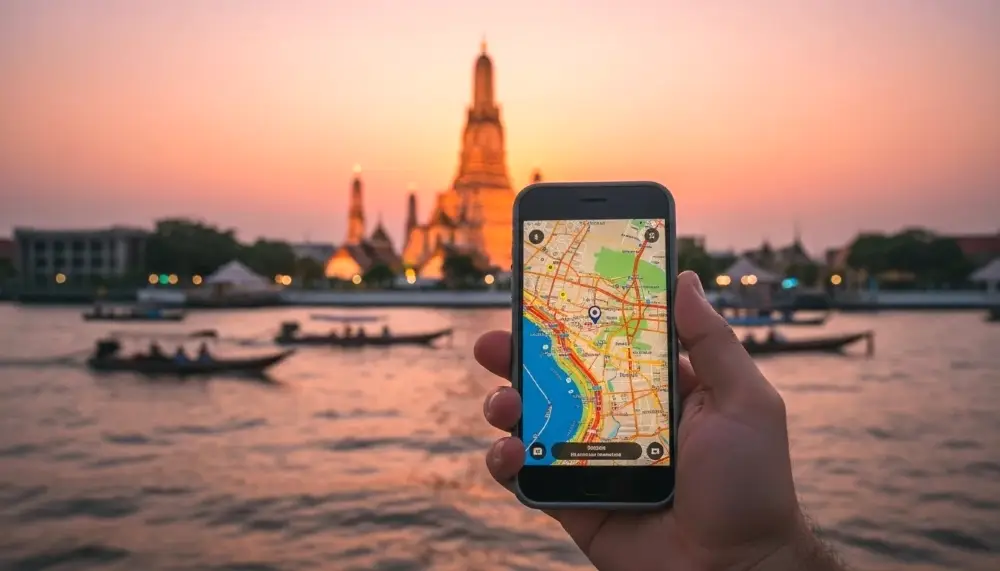
Digital Readiness: Grab an eSIM app like Yesim before you land, to keep your same phone number. Download Grab for transport, ViaBus for Bangkok transit, and ensure your banking app supports international QR payments for PromptPay merchants.

Thailand in 2026 remains the premier destination for travelers seeking a seamless blend of ancient heritage and futuristic convenience. This two-week classic route is engineered to minimize logistical friction while maximizing geographic diversity.
By adventuring the urban energy of Bangkok, the cultural highlands of Chiang Mai, and the crystalline waters of the southern islands, visitors gain a comprehensive understanding of the Kingdom’s multifaceted identity. Here are the insights necessary to navigate Thailand with all the comfort of a VIP.
The 2026 Digital Shift
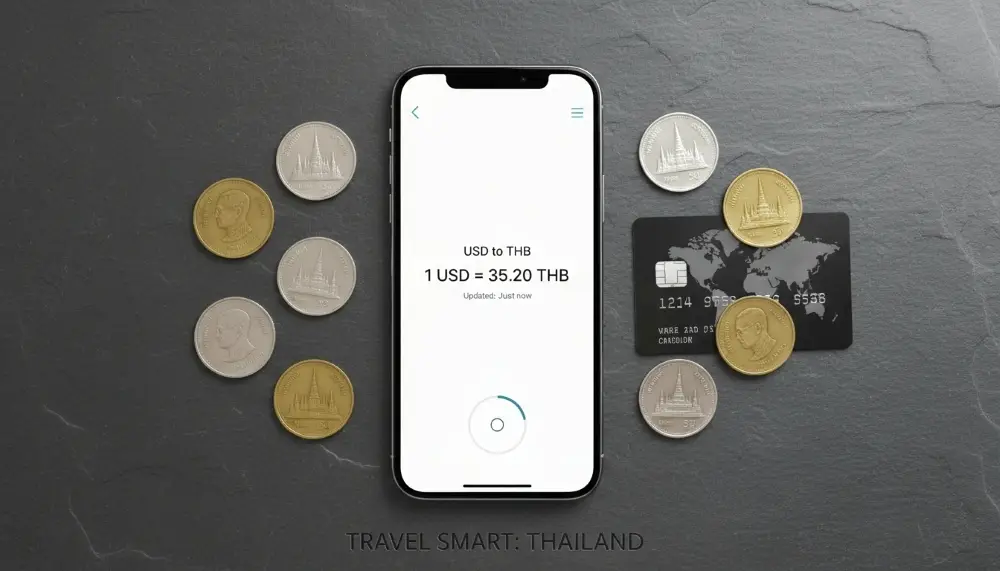
In 2026, Thailand has moved toward a near-cashless ecosystem in urban centers. While physical THB is still required for rural markets and small stalls, most “High-End” establishments and registered vendors now utilize PromptPay.
Tip: Before departure, verify if your home bank supports “Scan to Pay” via international QR standards. If not, the Grab app (linked to a credit card) serves as a secondary wallet for transport and food delivery, significantly reducing the need for large cash withdrawals. See more about Thailand Travel Costs here.
The Perfect Thailand 2 Week Itinerary
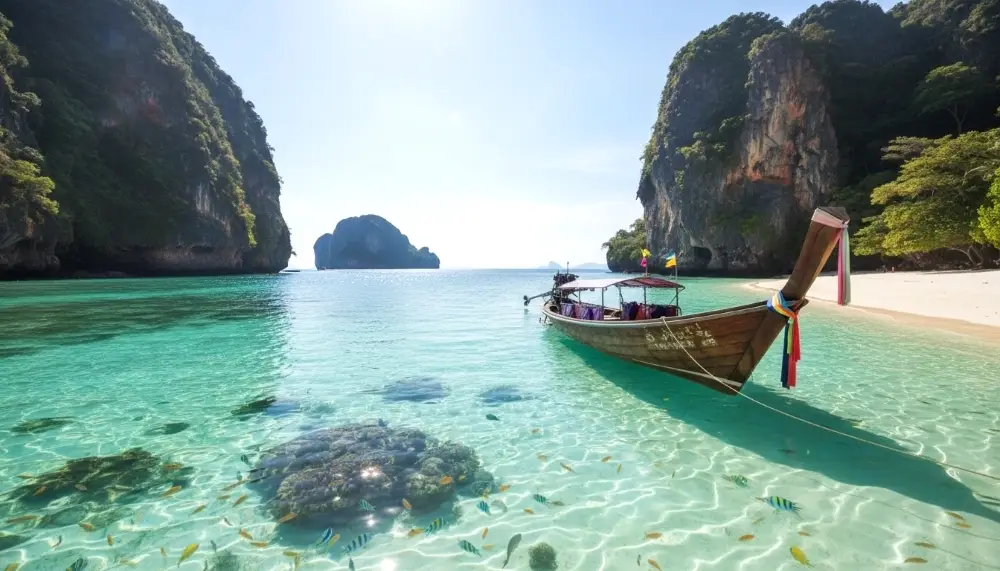
For most first-time travelers, the ideal way to spend two weeks in Thailand is to split your time between three regions:
- Bangkok – Thailand’s energetic capital
- Northern Thailand – Culture, and temples in Chiang Mai
- Southern Thailand – Tropical beaches and islands
A simple structure could look like this:
Days 1–3: Bangkok
Days 4–7: Chiang Mai
Days 8–14: Southern Thailand islands
This route gives you a little bit of everything Thailand is famous for while keeping travel distances manageable.
Days 1–3: Exploring Bangkok
Bangkok is the logical starting point, serving as the nation’s primary aviation hub via Suvarnabhumi Airport (BKK).
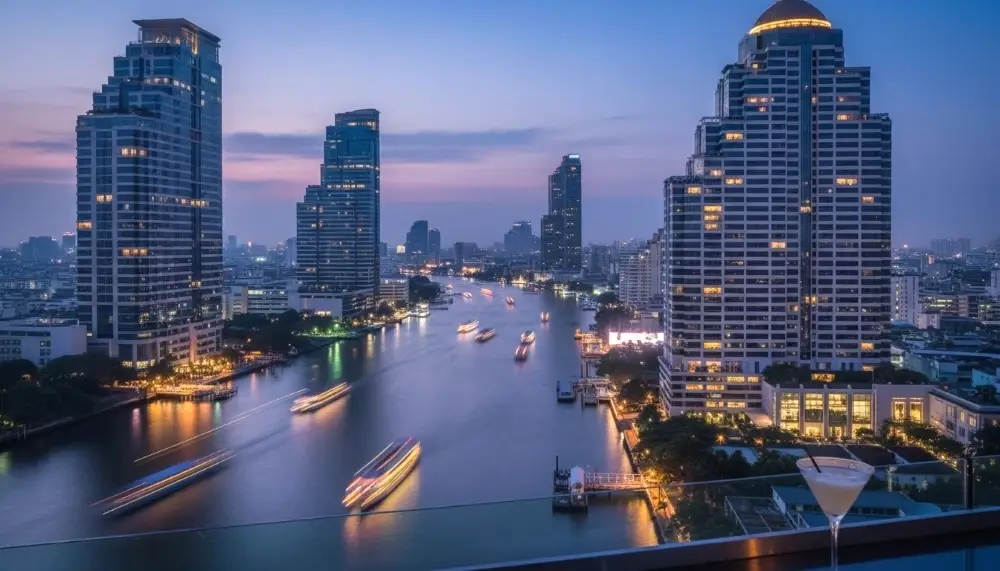
Day one focuses on acclimation and the Riverside district. Utilize the Chao Phraya Express Boat (Gold or Blue Flag) to bypass terrestrial traffic. Days two and three should be reserved for the “Big Three”: the Grand Palace, Wat Pho (Reclining Buddha), and Wat Arun.
A common error is attempting to walk between major temples. In 2026, the humidity and urban heat index often exceed 35°C. Use the ViaBus app to track air-conditioned city buses or book a GrabCar Premium for door-to-door climate control.
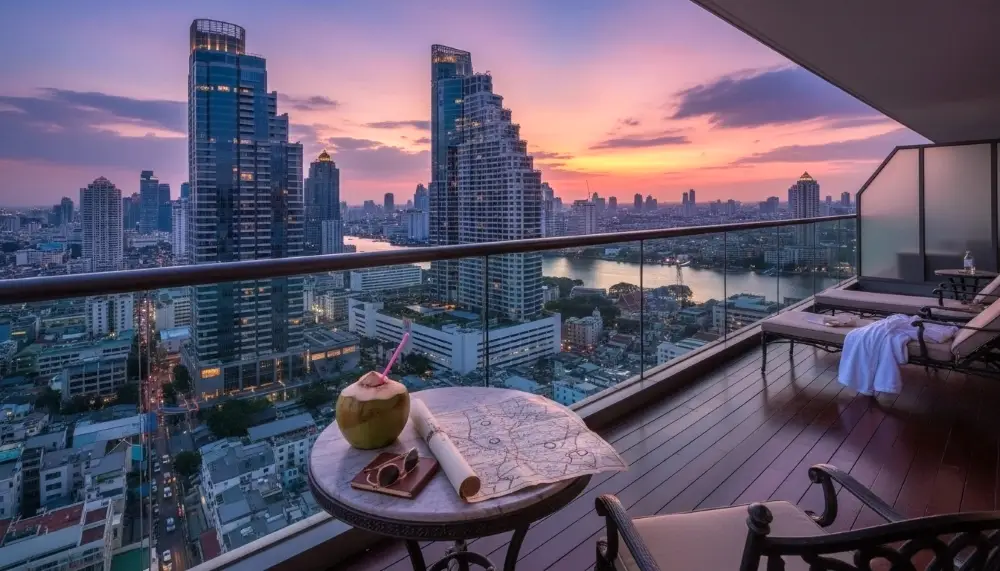
Days 4–7: Discover Chiang Mai and Northern Thailand

A short 70-minute flight north transitions the experience from metropolitan intensity to the “Rose of the North.” Chiang Mai is the center of the Lanna culture, characterized by teak architecture and a slower, more deliberate pace of life.
Temples and Traditions
The Old City is home to over 300 temples. Focus on Wat Chedi Luang and Wat Phra Singh. For an elevated experience, schedule a private sunrise visit to Wat Phra That Doi Suthep, located on the mountain overlooking the city.
Tiered Recommendations: Chiang Mai Accommodations
| Feature | The Budget Hero | The Mid-Range Choice | The Pro/Luxury Option |
|---|---|---|---|
| Provider | Bed Phrasingh | Raya Heritage | 137 Pillars House |
| Typical Cost | 1,800–2,500 THB | 12,000–18,000 THB | 25,000+ THB |
| Primary Draw | Clean, minimalist, Old City | Riverside, sustainable chic | Heritage teak, butler service |
Days 8–14: Relax on Thailand’s Southern Islands
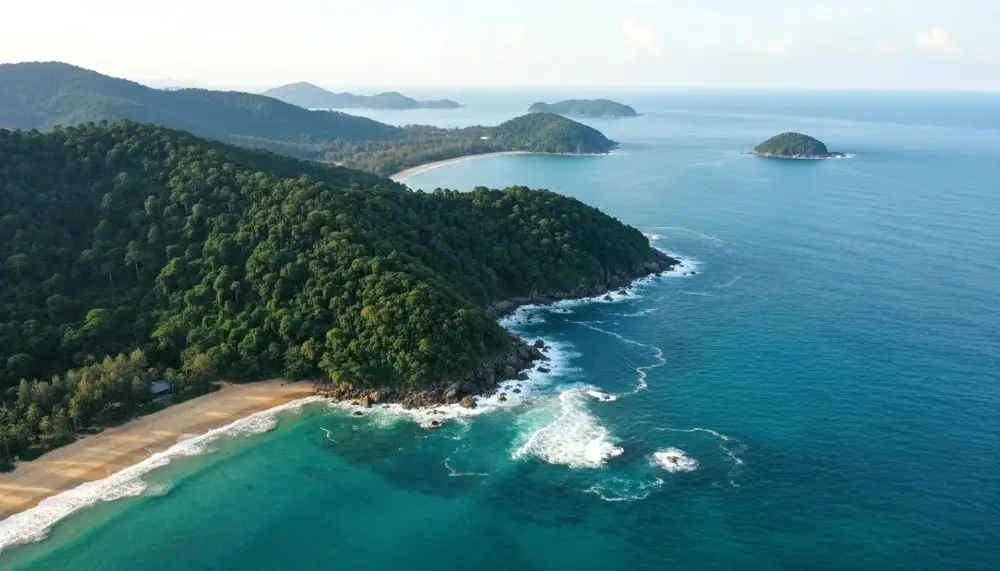
No Thailand itinerary is complete without experiencing the country’s famous beaches. The final week of your trip is the perfect time to slow down and enjoy the tropical side of Thailand. The south offers dozens of island choices, each with its own atmosphere.
The Andaman Coast (Nov–Apr)
Phuket and Krabi (Railay Beach) offer dramatic limestone karsts and the most developed luxury infrastructure. For those seeking seclusion, the islands of Koh Lanta or the Similan Islands provide pristine marine environments.
During this part of your trip you can:
- Relax on white-sand beaches
- Take long-tail boat trips to hidden lagoons
- Go snorkeling or diving
- Watch unforgettable sunsets
- Enjoy fresh seafood by the ocean
The Gulf of Thailand (May–Oct)
If traveling during the European summer, the Gulf islands, Koh Samui, Koh Phangan, and Koh Tao, provide a drier climate. Samui caters to the ultra-wealthy with high-end villas, while Koh Tao remains the global hub for diving excellence.
Popular destinations include:
- Phuket – Thailand’s largest island with plenty of activities
- Krabi – Famous limestone cliffs and stunning beaches
- Koh Samui – Relaxed island with beautiful resorts
- Koh Phi Phi – Dramatic scenery and crystal-clear water
Travel Tips for Your 2 Week Thailand Trip
Thailand is one of the easiest countries in Asia for first-time travelers, but a few simple tips will make your trip even smoother.
Plan internal flights early
Domestic flights between Bangkok, Chiang Mai, and southern destinations are affordable and save a lot of travel time.
Respect temples and local customs
When visiting temples, dress modestly by covering shoulders and knees.
Try the street food
Thailand’s street food is famous for a reason. From Pad Thai to mango sticky rice, some of the best meals come from small stalls.
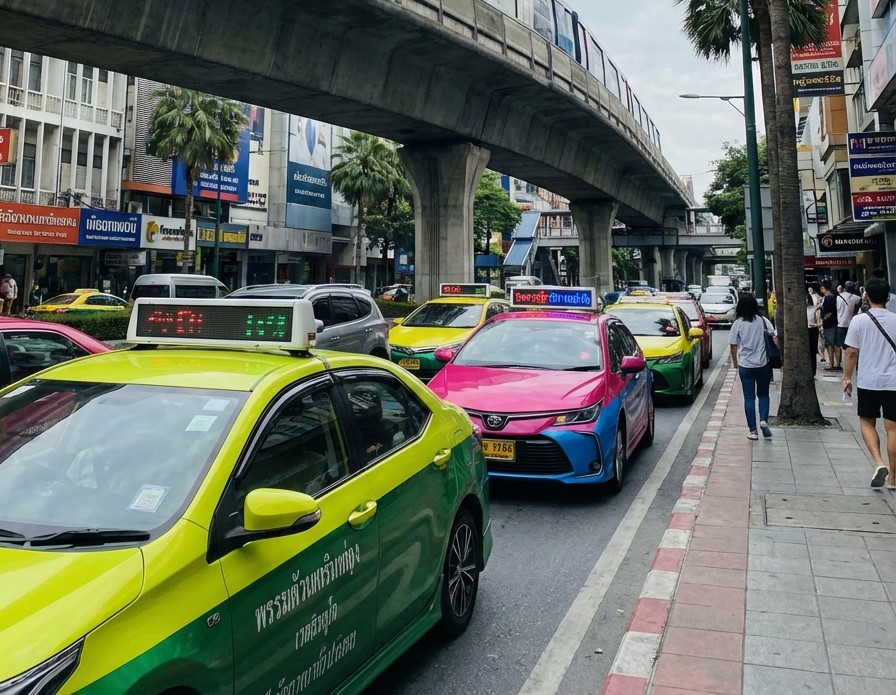
Use Grab or taxis in cities
Ride apps and metered taxis make getting around simple and affordable.
Download an eSim before you land
Avoid the long airport or kiosk queues for an overpriced physical SIM card. Download one, pick a 50GB plan for several days for around $10.

Travel with confidence. Book your trains, taxis, ferries, and transfers
through trusted platforms so you know exactly what you’re paying,
no surprises, no pressure, no scams. With 12Go, you get transparent
pricing, verified operators, and a smooth journey from start to finish.
Understanding Thai Culture
One of the things that makes Thailand so special is the warmth of its people. Thai culture values kindness, respect, and a relaxed attitude toward life.
You’ll often hear the phrase “mai pen rai,” which loosely translates to “no worries.” It reflects the easygoing mindset that visitors quickly appreciate.
A few cultural notes to remember:
- Always remove shoes before entering someone’s home or certain businesses
- Avoid touching people on the head
- Show respect when discussing the Thai royal family
- Smile often. It’s an important part of Thai culture
You can learn more about Thai culture and etiquette here.

Is Thailand Easy for First-Time Travelers?
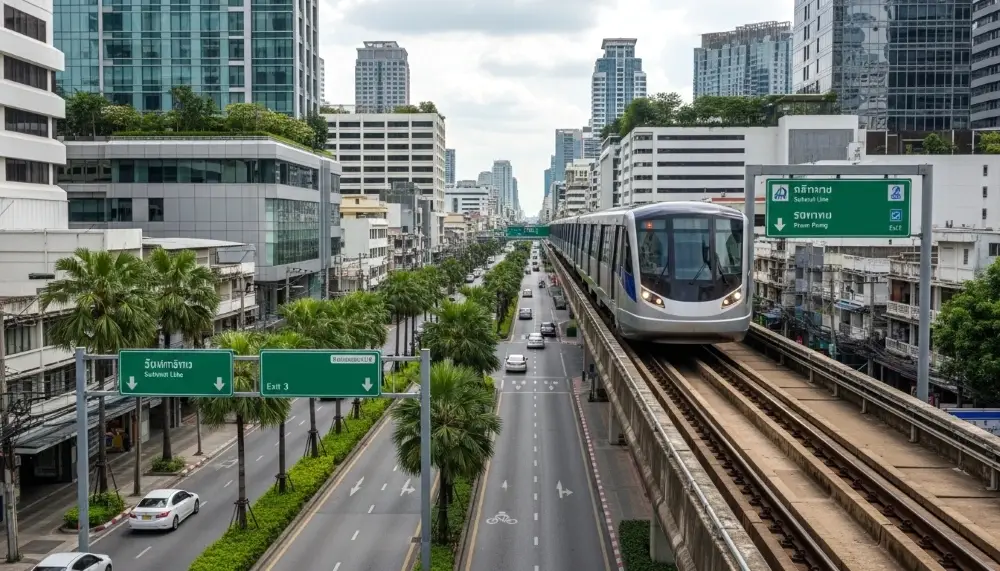
Many people feel nervous before their first big international trip, especially to a country that feels unfamiliar.
The good news is that Thailand is widely considered one of the best destinations in the world for beginner travelers.
Reasons why Thailand is so welcoming include:
- Excellent tourism infrastructure
- Friendly and helpful locals
- Affordable transportation
- Plenty of English spoken in tourist areas
- Well-developed travel routes
Millions of visitors travel through Thailand every year, and leave wishing they had stayed longer.
Is 2 weeks enough time for a trip to Thailand?
Yes, 14 days is the ideal duration for a first-time visitor. A classic 2-week route typically splits time between Bangkok (3 days), the cultural highlands of Chiang Mai (4 days), and the southern islands (7 days). This pace allows you to experience the Kingdom’s urban energy, northern traditions, and tropical relaxation without feeling rushed.
Do I need to show proof of funds to enter Thailand in 2026?
Yes, under the 2026 entry guidelines, travelers utilizing the 60-day visa exemption may be asked to provide proof of ฿20,000 ($620) in funds. This can be shown via physical cash or a digital bank statement. Additionally, ensure you have completed the mandatory Thailand Digital Arrival Card (TDAC) QR code within 24–72 hours of your arrival.
What is the best way to travel between Bangkok, Chiang Mai, and the islands?
For the 2-week classic route, domestic flights are the most efficient option to maximize your vacation time. If you prefer a scenic, budget-friendly experience, the overnight sleeper train from Bangkok to Chiang Mai is a popular choice that saves on one night’s accommodation. It is highly recommended to book all long-distance travel via 12Go Asia at least two weeks in advance.
Can I use PromptPay as a tourist in 2026?
Absolutely. Thailand has transitioned toward a nearly cashless ecosystem. Tourists can now access the PromptPay network by downloading the TAGTHAi app and linking a PAY&TOUR prepaid card. This allows you to scan QR codes at everything from street food stalls to luxury boutiques, significantly reducing the need to carry large amounts of physical THB.
What is the best time of year for a 2-week Thailand itinerary?
For the best weather nationwide, November to February is the peak “cool and dry” season. If your trip is between May and September, prioritize the Gulf Islands (Koh Samui, Koh Phangan, Koh Tao) as they remain sunny while the Andaman Coast (Phuket, Krabi) experiences the monsoon season.
Continue Planning Your Trip