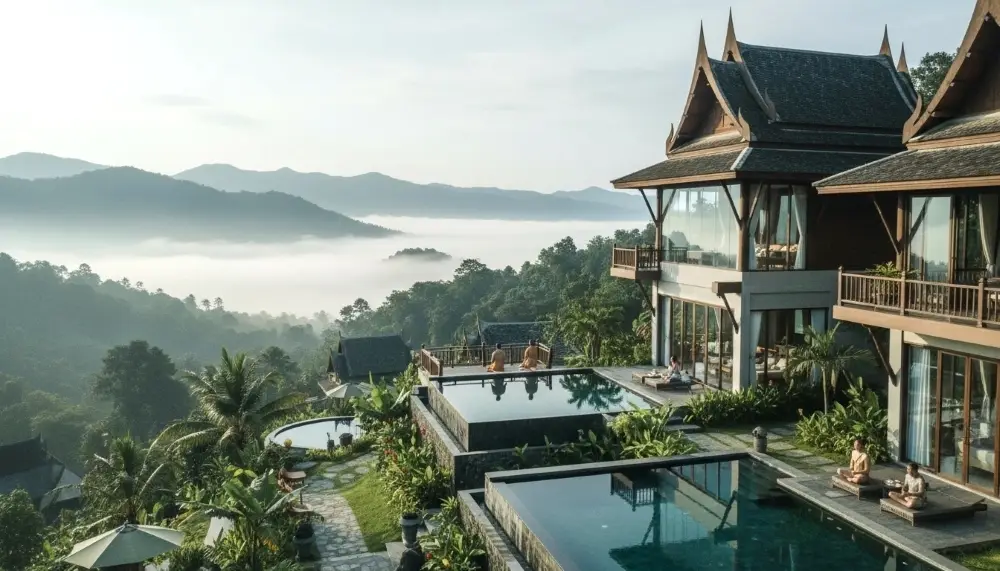
Thailand Digital Nomad Guide
This site contains affiliate links. We may earn a commission at no extra cost to you.
Welcome to the Land of Remote Work Paradise
If you’ve ever imagined answering emails from a beachfront café, finishing projects from a jungle-view balcony, or spending your lunch break exploring vibrant street markets, Thailand makes that lifestyle surprisingly achievable.
The country has long been a favorite destination for digital nomads thanks to its affordability, welcoming culture, incredible food, reliable infrastructure, and stunning landscapes. From the buzzing energy of Bangkok to the relaxed mountain vibe of Chiang Mai and the tropical beauty of the southern islands, Thailand offers something for every kind of remote worker.
The Quick Summary:
Primary Visa: The Destination Thailand Visa (DTV) is the current gold standard for remote workers, offering a 5-year multi-entry stay with 180 days per entry.
Tax Residency: Staying 180 days or more in a calendar year triggers Thai tax residency, potentially subjecting remitted foreign income to local personal income tax.
Work Rights: The DTV allows remote work for foreign clients but strictly prohibits local Thai employment without a separate Non-B visa and work permit.
Financial Proof: Applicants must demonstrate a minimum of 500,000 THB in liquid savings maintained for 3 to 6 months depending on the consulate.
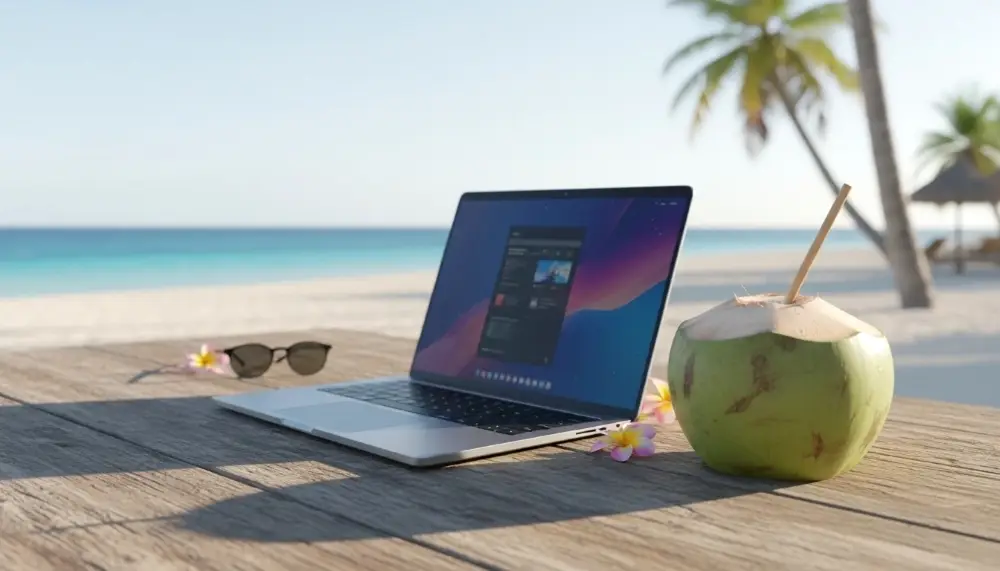
Is Thailand Good for Digital Nomads?
Yes Thailand is one of the most digital-nomad-friendly countries in the world.
Here’s why remote workers love it:
- Affordable cost of living compared to Western countries
- Excellent food available everywhere
- Strong café and coworking culture
- Fast internet in major cities
- Beautiful places to explore during downtime
- Friendly locals and welcoming atmosphere
Whether you’re staying for a few weeks or several months, Thailand offers a comfortable and inspiring environment for remote work.
The Destination Thailand Visa (DTV) Breakdown
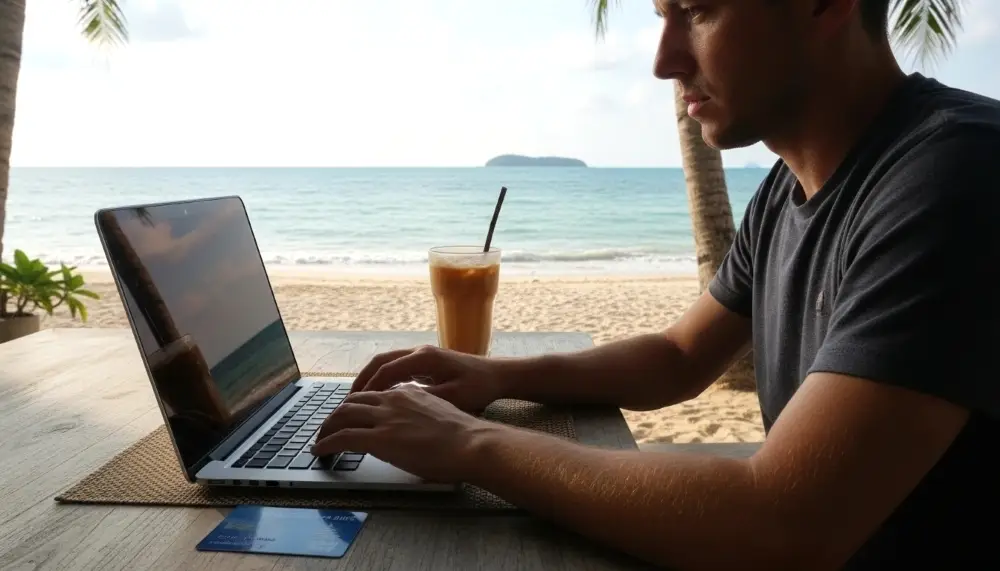
The Destination Thailand Visa (DTV) is a 5-year multiple-entry visa specifically designed for remote workers, freelancers, and “soft power” participants. It grants a 180-day stay per entry, extendable once for an additional 180 days for a fee of 1,900 THB, provided the applicant works for a non-Thai entity.
The DTV has revolutionized the nomad experience by removing the “border run” anxiety that previously defined the lifestyle. Unlike the elite-tier Long-Term Resident (LTR) visa, which targets high-net-worth individuals earning over 2,800,000 THB annually, the DTV is accessible to the broader creative and technical class. Application is handled primarily via the official Thai E-Visa portal while the applicant is physically located outside of Thailand.
Specific clusters like Nimmanhaemin in Chiang Mai or Phra Khanong in Bangkok are now teeming with DTV holders who enjoy the stability of a semi-permanent base. However, the visa is a “lifestyle” permit. It does not provide a path to permanent residency, and it does not allow the holder to sign contracts with Thai companies or sell products within the Kingdom.
Comparison of Long-Stay Options (2026 Data)
| Feature | Destination Thailand Visa (DTV) | Long-Term Resident (LTR) | Tourist Visa (TR) |
|---|---|---|---|
| Validity | 5 Years (Multi-entry) | 10 Years (Renewable) | 60 Days (Single/Multi) |
| Entry Fee | 10,000 THB | 50,000 THB | 1,200 – 5,000 THB |
| Savings Req. | 500,000 THB | 28,000,000 THB+ (Assets) | None |
| Max Stay/Entry | 180 + 180 Days | 1 Year | 60 + 30 Days |
| Work Permit | Remote only (No local) | Digital Work Permit included | Strictly prohibited |
Navigating Thai Tax Residency in 2026
Thailand classifies any individual spending 180 days or more in the country during a calendar year as a tax resident. Under 2026 regulations, tax residents are liable for Thai Personal Income Tax (PIT) on all foreign-sourced income that is remitted into Thailand, regardless of when it was originally earned.
The Revenue Department has modernized its approach to global income. Previously, nomads utilized a loophole where income earned in one year was brought into Thailand in a subsequent year to avoid tax. That door is now closed. If a resident transfers 100,000 THB from a US or UK bank account to a Thai account to pay rent in 2026, that 100,000 THB is considered assessable income.
Progressive tax rates in Thailand start at 0% for the first 150,000 THB and scale up to 35%. Most nomads find that the cost of living savings far outweigh the tax liability, especially when utilizing Double Tax Agreements (DTAs) between Thailand and over 60 other nations to prevent being taxed twice on the same dollar.

Pro Tips For Stress Free Travel:
Transport & Food: Grab and Bolt are essential. Bolt is often cheaper for car rides, while Grab is the king of food delivery.
Finance: PromptPay is the local QR payment standard. While most DTV holders find it difficult to open a full Thai bank account immediately, services like Wise or Revolut are used for ATM withdrawals. Expect a 220 THB fee for every foreign card withdrawal at an ATM.
Connectivity: Yesim or Airalo provide instant eSIMs, but for long-term stays, a physical SIM from AIS or TrueMove at a local mall offers better 5G speeds for roughly 600 THB per month.
Security: Nord VPN is a staple for accessing home-country banking apps and streaming services that are geo-fenced.
Best Cities for Digital Nomads:
Bangkok
Thailand’s capital is energetic, chaotic, and endlessly fascinating, serving as a primary tourism artery that offers the highest density of convenience for first-time visitors. For digital nomads, Bangkok is an ideal base featuring world-class restaurants, diverse coworking spaces, massive shopping malls, and a legendary nightlife scene. Internet speeds across the city are excellent, and the efficient public transport systems, such as the BTS Skytrain, make navigating the urban sprawl straightforward. It is a great place to start your Thailand journey, providing a high-energy environment where there is always something new to explore before you head off to more relaxed regions.

Chiang Mai
Chiang Mai is widely considered the digital nomad capital of Southeast Asia. Located in the mountainous highlands of northern Thailand, the city offers a relaxed pace of life, beautiful ancient temples, and an enormous community of remote workers. For many nomads, Chiang Mai strikes the perfect balance between high productivity and an enjoyable lifestyle. Visitors to this northern hub will find:
Easy access to nature and hiking: Proximity to lush jungle trails and stunning mountain scenery for those seeking adventure outside of work hours.perfect balance between productivity and lifestyle.
Dozens of coworking spaces: Specialized environments designed with remote workers in mind, offering quiet workspaces and fast fiber internet.
Affordable apartments: The city remains one of the most budget-friendly locations in the country, with high-quality rentals available at reasonable prices.
Excellent coffee shops: A thriving cafe culture that serves as the social and professional heart of the nomad community.
Southern Islands
If your dream office includes panoramic ocean views, Thailand’s southern islands deliver an unforgettable work-from-paradise experience. Popular spots include Phuket, Koh Samui, and Koh Phangan, each offering its own unique coastal narrative. While the rhythm of island life is naturally slower than the big-city energy of Bangkok, many developed areas now feature strong WiFi and modern facilities to support a digital lifestyle. Remote workers often choose the southern islands for:
Beautiful tropical scenery: A backdrop of dramatic limestone cliffs and lush greenery that makes every workday feel like a vacation.
Beach lifestyle: The ability to work steps away from white sand beaches and turquoise waters.
Wellness and yoga communities: Access to diverse health-focused communities and world-class retreat facilities.
Diving and outdoor activities: Premier opportunities for snorkeling, scuba diving, and boat tours across the Andaman Sea and the Gulf of Thailand.
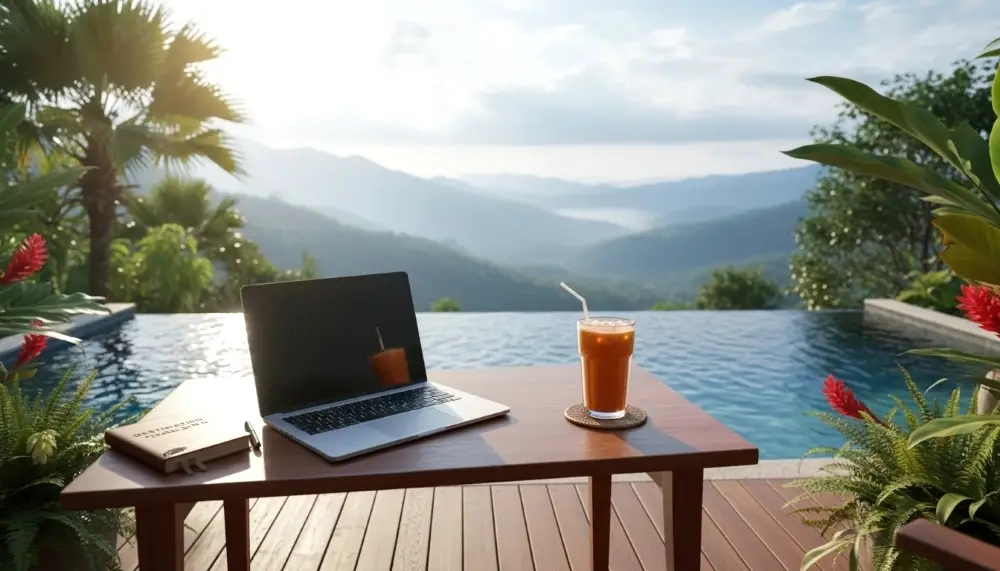
Internet and Coworking:
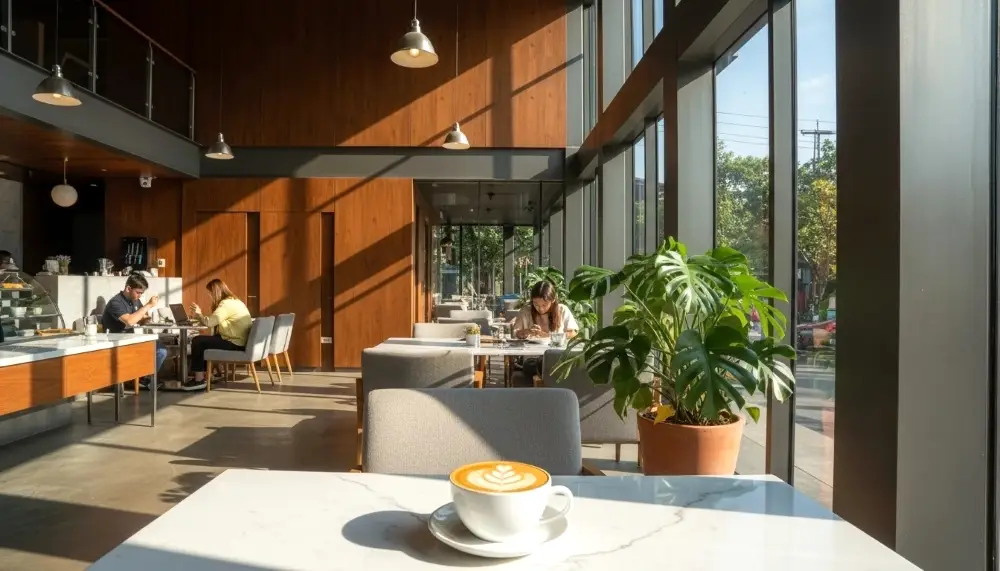
One of the biggest concerns for first-time digital nomads is internet reliability. Fortunately, Thailand performs extremely well in this area.
Major cities and tourist destinations offer fast and stable internet connections. Many cafés welcome remote workers, and coworking spaces are common in digital nomad hubs.
Typical options include:
- Café working spaces with free WiFi
- Dedicated coworking offices
- Apartment buildings with fiber internet
- Mobile data plans with strong coverage
Local SIM cards are inexpensive and easy to buy at the airport or convenience stores.
Cost of Living for Digital Nomads:
Thailand’s affordability is one of the main reasons digital nomads stay longer than planned.
While prices vary depending on location and lifestyle, many remote workers find they can live comfortably for far less than they would in Europe, North America, or Australia.
Typical monthly costs may include:
- Accommodation: affordable apartments or condos
- Food: delicious street food and inexpensive restaurants
- Transport: taxis, ride apps, or scooter rentals
- Coworking memberships if needed
Street food is not only cheap, it’s also some of the best food you’ll ever eat.

Visas and Staying in Thailand:
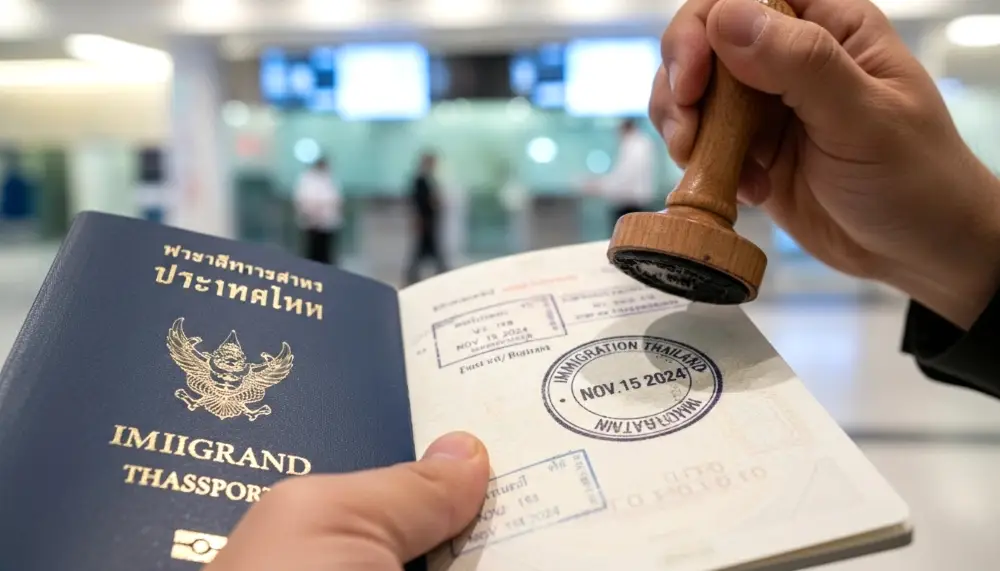
Thailand’s affordability is one of the main reasons digital nomads stay Visa rules can change over time, so it’s always important to check the latest information before traveling.
Many travelers initially arrive using a tourist visa or visa exemption, which allows them to stay for a limited period.
Thailand has also introduced visa options designed to attract longer-term visitors, including remote workers and digital professionals.
Planning your stay in advance can help you avoid unnecessary stress and ensure you enjoy your time in the country.
Understanding Thai Culture:
Thailand is famously known as the “Land of Smiles,” and visitors quickly notice the warmth and kindness of Thai people.
Respect and politeness play an important role in Thai culture. Simple gestures like smiling, speaking calmly, and being patient go a long way.
A few cultural tips:
- Dress modestly when visiting temples
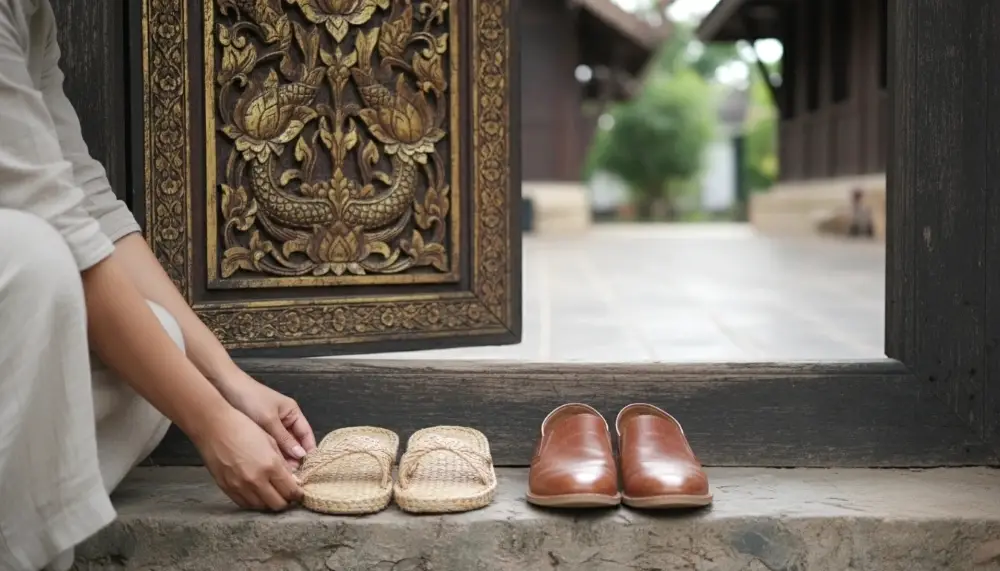
- Remove shoes before entering homes or certain shops
- Avoid touching people’s heads
- Show respect to the Thai monarchy and national symbols
Learning a few basic Thai phrases can also create wonderful interactions with locals.
Is Thailand Safe?

For many people, traveling to Asia for the first time can feel a little intimidating. The good news is that Thailand is one of the easiest and safest countries in the region for international visitors.
Tourism has been a major part of the country for decades, so infrastructure is well developed and locals are used to helping travelers.
You’ll find:
- English spoken in most tourist areas
- Helpful hotel staff and tour operators
- Well-connected transportation networks
- Plenty of other travelers exploring the country
Most visitors quickly realize that Thailand is far less intimidating than they imagined.
Balancing Work and Adventure:
One of the greatest joys of working remotely in Thailand is how easy it is to explore between work sessions.
Your weekends might include:
- Island hopping in the south
- Visiting ancient temples
- Exploring national parks
- Taking Thai cooking classes
- Discovering night markets and street food
Thailand rewards curiosity. The more you explore, the more you’ll fall in love with the country.

Why So Many Fall in Love:
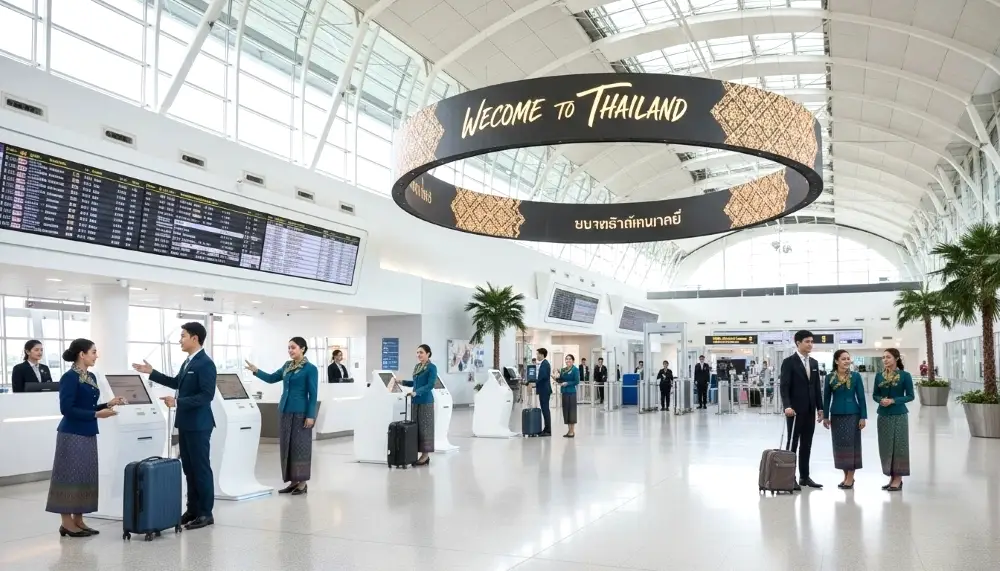
It’s hard to explain exactly what makes Thailand so special until you experience it for yourself.
Maybe it’s the incredible food, the golden temples, the warm tropical air, or the easygoing lifestyle that invites you to slow down and enjoy the moment.
For digital nomads, Thailand offers something rare: a place where work, travel, culture, and adventure blend together effortlessly.
Whether you stay for a few weeks or a few months, your time here will likely leave you wanting to return.
And for many remote workers, that first trip is only the beginning.
Where is the best place for digital nomads in Thailand in 2026?
Chiang Mai remains the digital nomad capital due to its low cost of living and world-class cafes. However, Bangkok’s Sukhumvit area and the island of Koh Phangan have surged in popularity in 2026 thanks to the widespread availability of 5G and dedicated co-working spaces catering to DTV holders.
How fast is the internet in Thailand for remote work?
Thailand consistently ranks among the top 10 globally for internet speed. Most co-working spaces and high-end rentals offer 1Gbps fiber. For mobile data, AIS and DTAC offer 5G “Unlimited” tourist eSIMs that provide reliable coverage even on most remote islands, making it easy to work from anywhere in the country.
Can I work in a cafe on a Tourist Visa?
While thousands do, it is technically a gray area. A Tourist Visa is for leisure. The DTV was created specifically to legalize the “working from a cafe” laptop lifestyle for foreign companies.
How do I get a Tax Identification Number (TIN)?
A TIN can be obtained at the local Revenue Department office by presenting a passport, proof of address (rental contract), and visa. This is essential for those staying over 180 days who wish to be fully compliant.
Is health insurance mandatory for the DTV?
Yes, most consulates require proof of health insurance with a minimum coverage of 50,000 USD (approximately 1,750,000 THB) to protect against local medical costs.
What is the 500,000 THB “Seasoning” rule?
Many embassies require the 500,000 THB to have been in your account for 3 months prior to the application. Transferring the money the day before you apply is a common reason for rejection.
Continue Planning Your Trip