Best Airports In Thailand: BKK vs DMK vs CNX vs HKT
This site contains affiliate links. We may earn a commission at no extra cost to you.
In Thailand, the choice of arrival port dictates the rhythm of an entire expedition. Whether landing amidst the sleek, glass-and-steel expanse of Suvarnabhumi or the bustling, nostalgic corridors of Don Mueang, each gateway offers a distinct introduction to the Land of Smiles. This expert guide navigates the logistics, costs, and strategic advantages of Thailand’s four primary aviation hubs to ensure a seamless entry.
The Quick View:
If it’s your first visit, the best things to do in Bangkok include:
- BKK (Suvarnabhumi): Best for long-haul international arrivals, luxury services, and direct rail access to Sukhumvit.
- DMK (Don Mueang): The primary hub for budget carriers like AirAsia; ideal for domestic hops to islands or the north.
- CNX (Chiang Mai): Best for immediate access to Northern Thai culture, mountainous landscapes, and digital nomad hubs.
- HKT (Phuket): The gateway to the Andaman Sea; essential for travelers heading straight to beach resorts or island hopping.
Suvarnabhumi Airport (BKK):
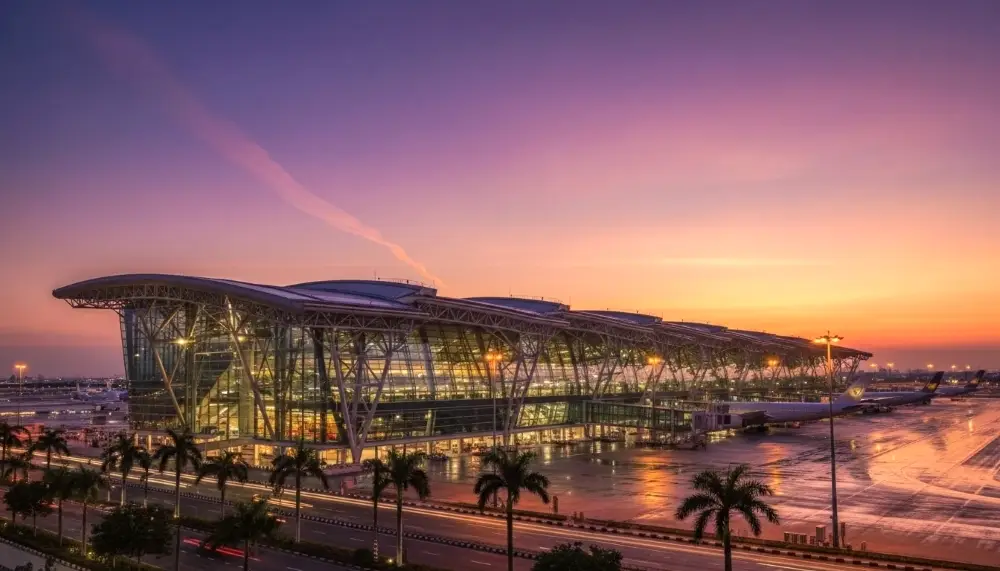
Suvarnabhumi Airport (BKK) serves as Thailand’s primary international hub, handling full-service global carriers and major regional flights. Located 30 kilometers east of Bangkok, it offers the most robust infrastructure, including the Airport Rail Link, extensive luxury duty-free options, and dedicated facilities for pet relocation and specialized visa processing.
Travelers arriving here benefit from the Airport Rail Link (ARL), which connects to the MRT Blue Line at Phetchaburi and the BTS Sukhumvit Line at Phaya Thai. A standard journey to the city center costs approximately 45 THB and bypasses the notorious Bangkok traffic.
For those preferring a direct route, the official taxi stand on Level 1 utilizes a digital queue system. A surcharge of 50 THB is added to the metered fare, and passengers are responsible for expressway tolls, which typically total 75 THB. When dining at BKK, look for “Magic Food Point” on Level 1 near Gate 8 for authentic, affordable Thai meals, avoiding the inflated prices of the upper-level international chains.
Don Mueang International (DMK):
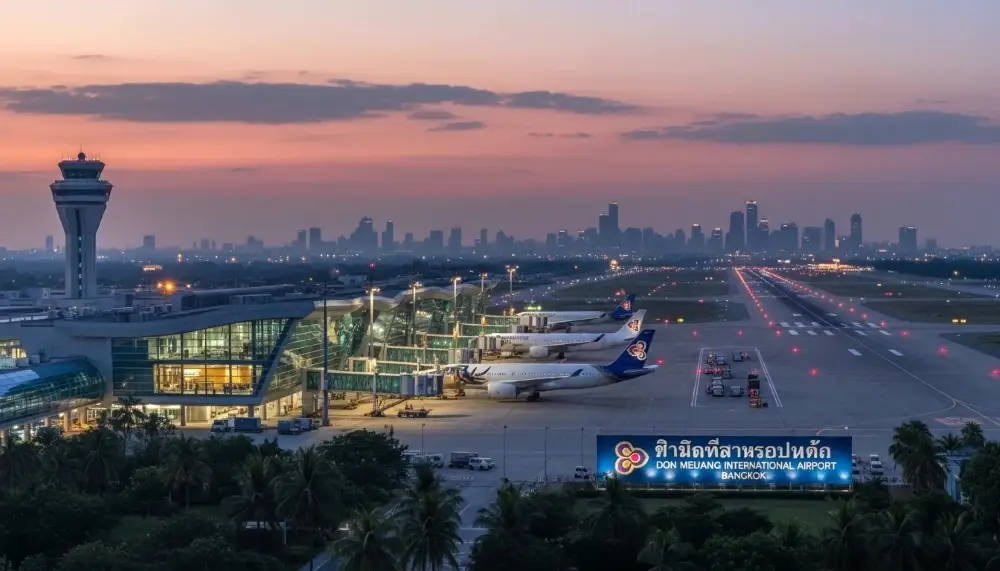
Don Mueang International (DMK) is the secondary Bangkok hub catering specifically to low-cost carriers like Nok Air and Thai AirAsia. Located 22 kilometers north of the city center, it is the most cost-effective choice for domestic transfers and short-haul regional flights within Southeast Asia.
While older than BKK, DMK has undergone significant modernization. It remains a favorite for savvy explorers due to its compact layout and faster transit times from curb to gate. The SRT Red Line now provides a rail connection to Bang Sue Grand Station (Krung Thep Aphiwat Central Terminal), though many travelers still prefer the A1 or A2 airport buses (30 THB) that run frequently to BTS Mo Chit.
The vibe at DMK is unpretentious and functional. It serves as a vital link for those heading to secondary cities like Khon Kaen or Phitsanulok. Travelers should note that while DMK handles international budget flights, its duty-free and lounge offerings are more modest than its sister airport. It is the pragmatic choice for those prioritizing budget over Terminal 1 luxury.
Comparing the Hubs: 2026 Logistics Data
| Feature | Suvarnabhumi (BKK) | Don Mueang (DMK) | Chiang Mai (CNX) | Phuket (HKT) |
|---|---|---|---|---|
| Primary Use | Long-haul / Full Service | Budget / Domestic | Northern Hub | Island Gateway |
| City Distance | 30 km | 22 km | 4 km | 32 km |
| Taxi to Center | 400–600 THB | 300–450 THB | 150–200 THB | 600–900 THB |
| Rail Connection | Airport Rail Link | SRT Red Line | None | None (Bus Only) |
Chiang Mai International (CNX):

Chiang Mai International (CNX) is the primary gateway to Northern Thailand, located remarkably close to the historic Old City. It serves as a critical hub for travelers seeking mountainous trekking, temple exploration, and the vibrant culture of the Lanna kingdom without the long transit times of Bangkok hubs.
Landing at CNX feels significantly more personal than the capital’s behemoths. The proximity to the city center is a major advantage; a pre-paid taxi from the airport counter costs a flat rate of 150 THB to most locations within the city walls. For the adventurous, the RTC City Bus (30 THB) offers a reliable loop through Nimman and the Old City.
CNX is currently undergoing expansions to accommodate its status as a favorite for digital nomads and long-term residents. The terminal features local coffee kiosks that serve beans grown in the nearby mountains of Mae Wang and Samoeng, offering a literal taste of the region before you even leave the arrivals hall.
Phuket International (HKT):
Phuket International (HKT) is Thailand’s second busiest airport, serving as the essential entry point for the Andaman Coast. Positioned on the northern tip of the island, it provides direct access to world-renowned beaches like Patong, Kata, and the limestone karsts of Phang Nga Bay.
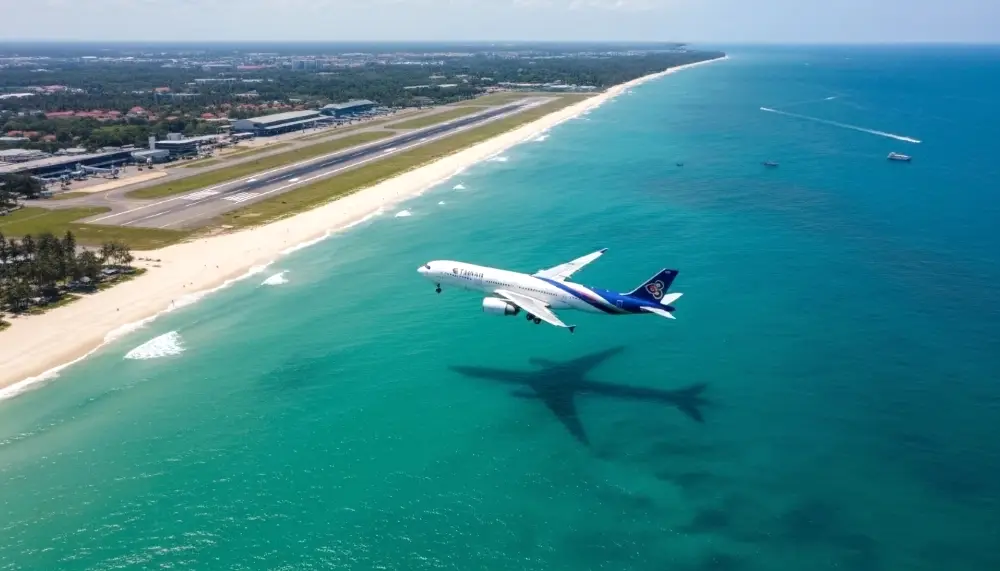
HKT is split into two distinct terminals: International and Domestic. The arrival experience is often defined by the stunning views of Mai Khao beach during the final approach. However, transportation here is notably more expensive than elsewhere in Thailand. The Phuket Smart Bus (100 THB) is the most economical way to reach the southern beaches, though it is slow.
Most travelers opt for ride-hailing apps or pre-booked private transfers. Be aware that the “Taxi Mafia” reputation of Phuket is slowly fading as apps like Grab and Bolt gain official pickup zones, providing much-needed price transparency. Always confirm the fare in THB before the vehicle departs to avoid the “plus plus” surprises often found in tourist-heavy zones.
Practical Tips for Travel:
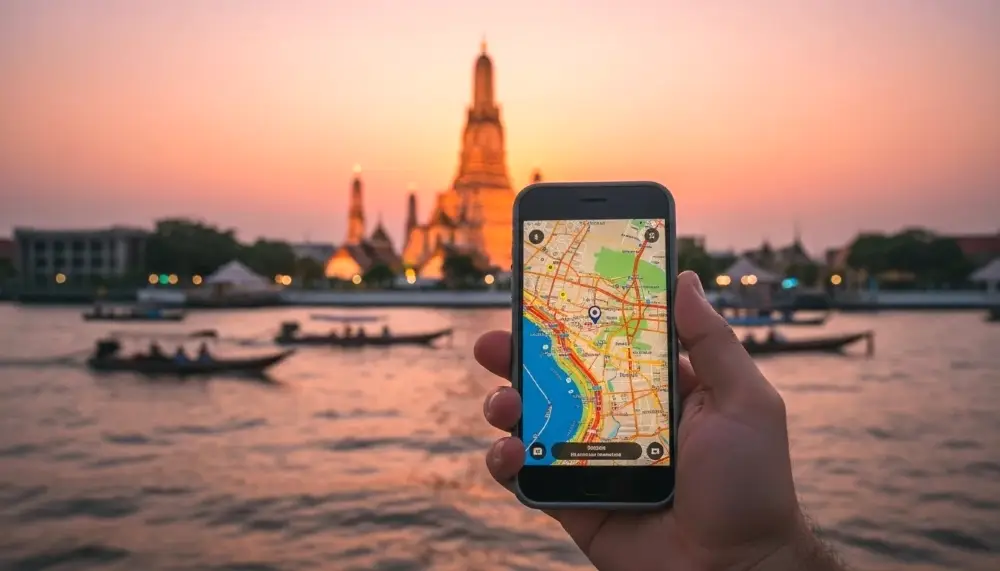
Essential Apps: Download Grab and Bolt for transparent transport pricing. Use Klook or Get Your Guide for airport transfer bookings.
Connectivity: Pre-order a local SIM via Yesim or pick up an AIS/DTAC tourist SIM at the airport (typically 299 THB for 8 days).
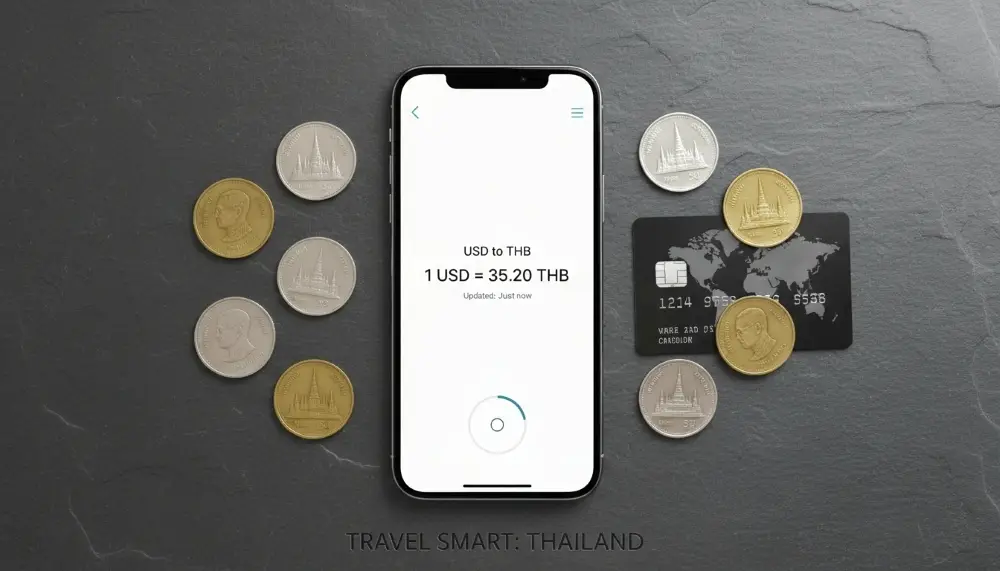
Currency: All airports have ATMs and exchange booths. For the best rates, look for the SuperRich (Orange or Green) counters, usually located on the basement level near rail links.
Security: Always use a Nord VPN when connecting to free airport Wi-Fi to protect personal data.
Accommodation: Use Agoda or Booking.com for last-minute airport hotel stays if you have a late arrival.
Beyond The Holiday:
For those considering a permanent move or an extended stay of up to five years, the Destination Thailand Visa (DTV) has revolutionized the process for remote workers and adventurers.
If relocating with pets, BKK is the preferred port of entry due to the dedicated Animal Quarantine Station. Bringing a cat or dog requires an import permit (valid for 60 days) and a health certificate.
Ensure your companions are microchipped and vaccinated for Rabies at least 21 days before departure. Thailand is incredibly pet-friendly, particularly in neighborhoods like Ari in Bangkok or Nimman in Chiang Mai.

Confidence Booster:
Thailand is remarkably safe and its airports are designed for ease of use.
Signage is universally available in English, and Tourist Police are stationed at clearly marked kiosks to assist with any disputes or lost items.
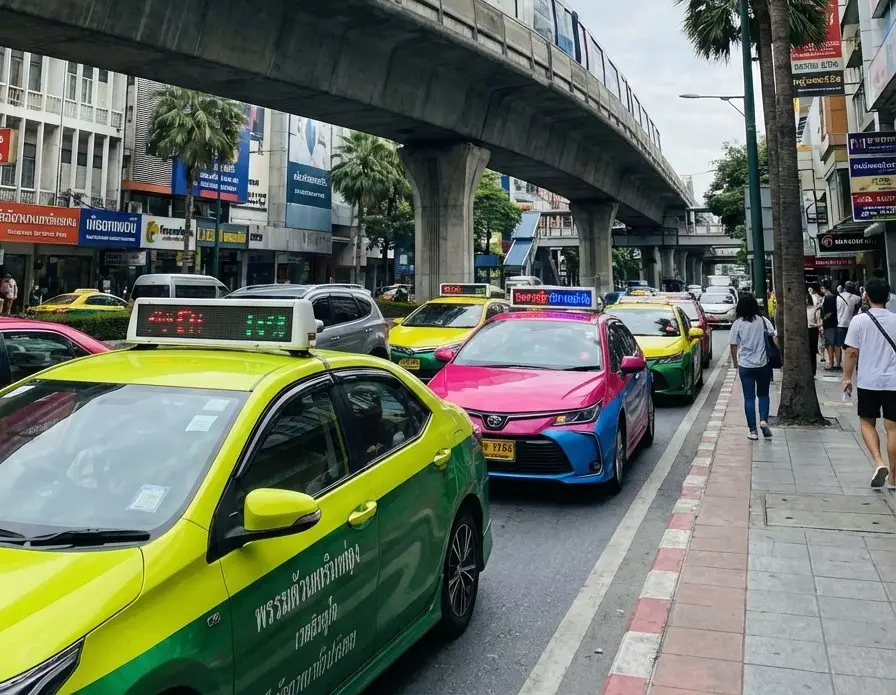
If a driver approaches you inside the terminal offering a “special price,” politely decline and head to the official taxi stand or use a ride-hailing app.
This simple habit ensures you are protected by official regulations and fair pricing.
FAQ: Navigating Thai Airports
Which airport is better for a first-time visitor to Bangkok?
Suvarnabhumi (BKK) is generally better for first-timers due to its superior rail link and wider range of services. Most international flights land here, making it the most likely point of entry.
Is there a free shuttle between BKK and DMK?
Yes, a free shuttle bus operates between the two airports for passengers with a valid flight ticket departing from the other airport. The journey takes 60 to 90 minutes depending on traffic.
How much should I tip airport staff?
Tipping is not mandatory in Thailand. However, rounding up a taxi fare or giving 20–50 THB to a porter who helps with heavy bags is a kind gesture that is always appreciated.
What does “Plus Plus” (++) mean on airport menus?
The “plus plus” notation indicates that the price does not include the 10% service charge and 7% Value Added Tax (VAT). Always factor an additional 17.7% into your budget when dining at upscale airport restaurants.
Can I get a VAT refund at the airport?
Yes, look for the “VAT Refund for Tourists” kiosks before you check your luggage. You must have your original P.P.10 forms and the goods available for inspection to claim your refund in THB.
Continue Planning Your Trip