Best Time to Visit Thailand
Planning your first trip to the Land of Smiles is an exhilarating milestone. With its gold-leafed temples, neon-lit street food markets, and turquoise waters, Thailand feels like another world. However, because Thailand is a tropical country with distinct regional microclimates, when you go is just as important as where you go.
Timing your trip correctly ensures you aren’t caught in a monsoon while trying to island-hop, or melting in 40°C heat while exploring the Grand Palace in Bangkok. This guide will help you navigate the seasons so you can experience Thailand exactly how you imagined it.
The Quick Summary
Budgeting: Expect to pay a premium during December and January, while June through August offers significant value for money.
Peak Cool Season (November–February): Offers the coolest, driest weather across most regions, ideal for trekking and beach lounging.
Hot Season (March–May & September–October): High heat in April and rainfall in October often result in lower accommodation rates and fewer crowds.
Regional Variance: The Gulf of Thailand (Koh Samui) and the Andaman Coast (Phuket) experience monsoon seasons at different times of the year.
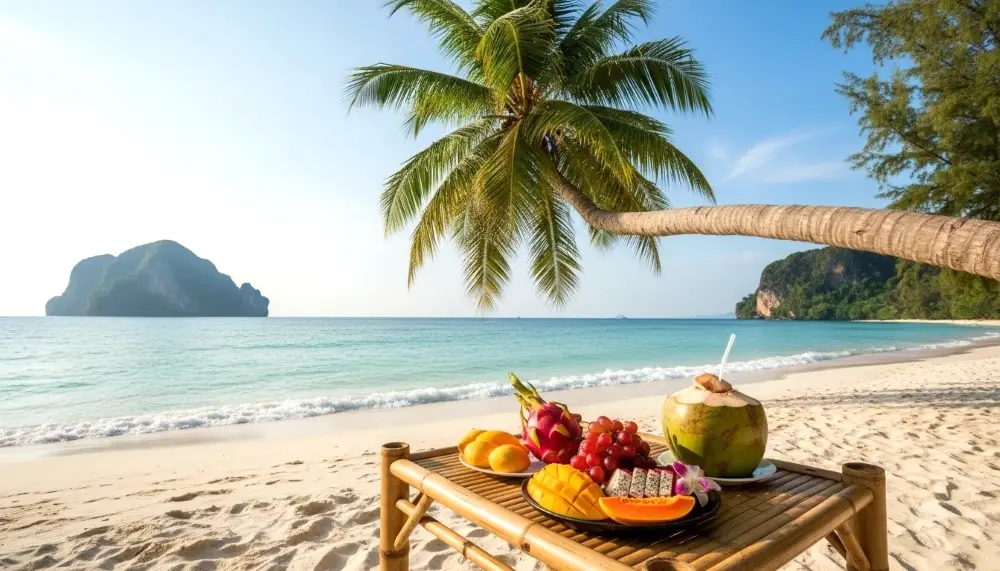
The Three Main Seasons
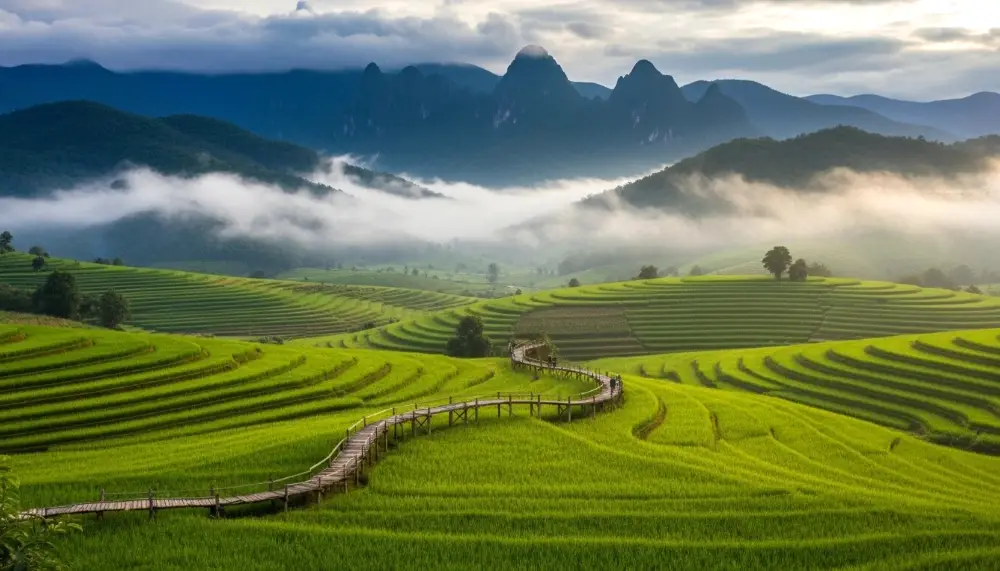
The Cool Season (Nov – Feb)
Don’t let the name fool you; “cool” in Thailand still means temperatures around 25°C to 30°C. However, the humidity is at its lowest, and the skies are a reliable crystal blue. This is the peak tourist season because the weather is nearly perfect everywhere.
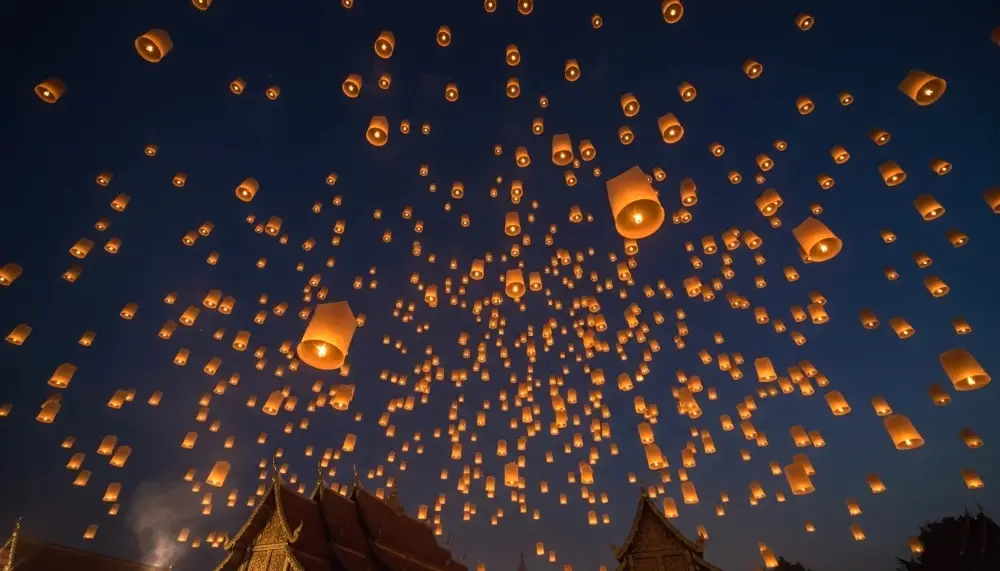
November: Features the Loy Krathong and Yi Peng festivals (November 23–25, 2026). Seeing thousands of lanterns over Chiang Mai is a pinnacle cultural experience.
December & January: The busiest months. High-end properties in Phuket and Koh Kood often reach capacity six months in advance.
February: Excellent for the Chiang Mai Flower Festival (February 6–8, 2026).
The Hot Season (March – May)
As spring arrives, the heat intensifies. Temperatures in Bangkok and Central Thailand can regularly soar above 35°C. This is a great time for beach lovers who don’t mind the heat, but it can be taxing for those planning heavy sightseeing or mountain hiking in the north.
April: The centerpiece is Songkran (April 13–15). Expect nationwide water celebrations. While energetic, the heat can be intense for retirees or young children; coastal retreats with private pools are highly recommended during this window.


The Green Season (June – October)
Also known as the “Rainy Season,” this period sees the arrival of the southwest monsoon. While it sounds intimidating, it rarely rains all day. You can expect short, intense tropical downpours in the afternoon or evening, followed by sunshine. The landscape becomes incredibly lush and vibrant during this time.
This is the best time for “Quietcations.” Boutique resorts in the North offer lush, emerald landscapes and personalized service that is difficult to find during the peak winter rush.
Weather Warning: Avoid the Andaman coast (Phuket, Krabi) in September and October, as sea conditions can be rough. Instead, head to the Gulf of Thailand (Koh Samui, Koh Phangan) where the weather remains stable until late October.
The Best Time for Ideal Weather
If your goal is to have the most comfortable experience possible, aim for December or January. This is when the northern highlands around Chiang Mai are at their most refreshing, it can even get chilly enough at night to require a light sweater! In Bangkok, the air is less oppressive, making long walks through the city’s vibrant markets much more enjoyable.
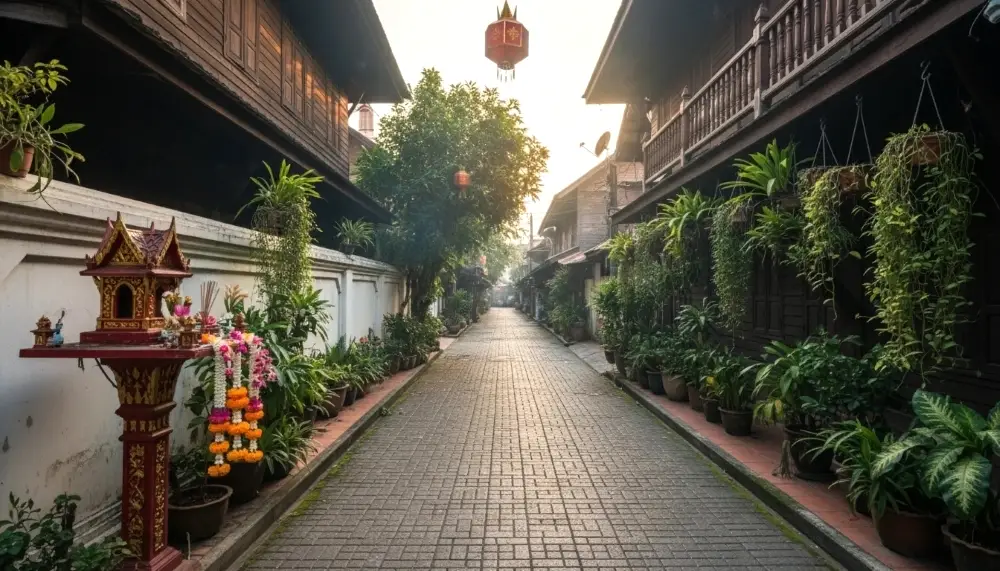
Can I Go In The Rainy Season?
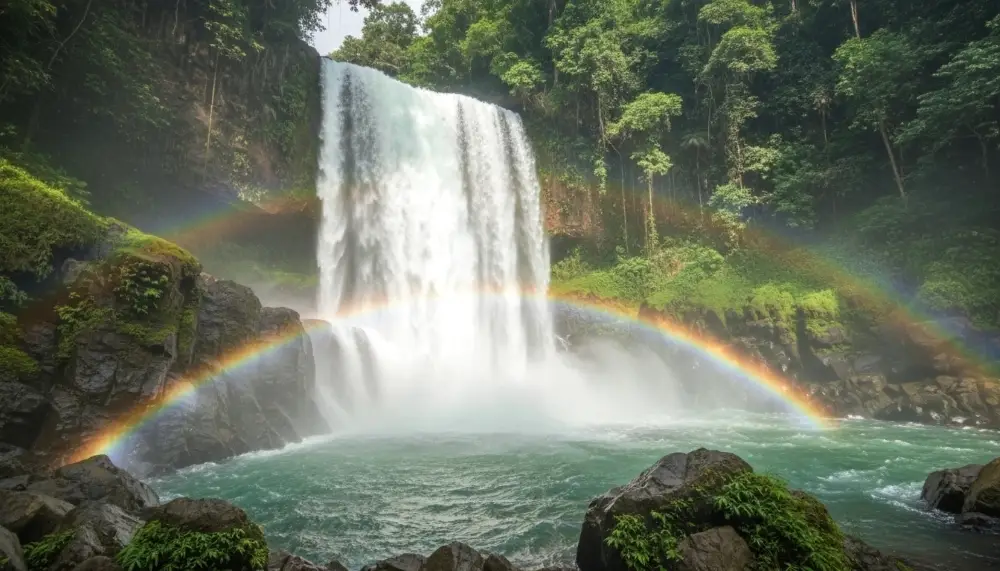
Absolutely! Many seasoned travelers actually prefer the rainy season for several reasons:
Lush Scenery: The jungles and rice paddies are a brilliant, electric green that you won’t see during the dry months. Fewer Crowds: You can explore famous landmarks like the White Temple in Chiang Rai without fighting through walls of people. Better Value: Hotels and domestic flights often drop their prices by 30% to 50%, making it the best time for budget-conscious travelers.
Reassuring Tip: Tropical rain is warm. Most showers last about an hour, and 7-Eleven stores on every corner sell inexpensive ponchos. It’s rarely a “washout” that ruins a vacation.
Stress Free Toolkit
Transport: Download Grab and Bolt. These apps provide fixed pricing for cars and motorbikes, eliminating the need to negotiate with taxi drivers who refuse to use the meter.
Accommodation: Agoda often has deeper discounts in Asia compared to other platforms, while Booking.com remains reliable for flexible cancellations.
Experiences: Use Klook or Get Your Guide to book ferry tickets, airport transfers, and day tours like the Ayutthaya Historical Park excursion or elephant sanctuary visits (ensure they are ethical, “no-riding” facilities).
Connectivity: Yesim provides reliable eSIM data packages. Always use a Nord VPN when connecting to public Wi-Fi in malls or airports to secure personal data.
Currency: Exchange some cash at SuperRich (orange or green booths) for the best rates. Always carry 20 and 100 THB notes for small purchases.

Choosing the Best Time
Depending on what you value most, your “best time” might differ from the standard advice:
Budget Travelers May – September Lowest prices on luxury resorts and flights.
Avoiding Crowds May, June, or September You’ll have the beaches almost to yourself.
Diving & Snorkeling November – April Peak visibility in the Andaman Sea.
Photography October – November The rain has cleared the dust, and the waterfalls are at full flow.
When is the rainy season in Phuket?
The rainy season in Phuket runs from May through October, with September usually being the wettest month.
Can I visit Thailand in July?
Yes. While it is the rainy season on the west coast, the Gulf of Thailand islands (Koh Samui, Koh Phangan) are usually sunny and beautiful in July.
What should I wear during the hot season?
Breathable, natural fabrics like linen or light cotton are essential. Avoid heavy denim. Always carry a light sarong or scarf to cover up when entering temples.
Is it worth visiting Chiang Mai in February?
Early February is wonderful for the Flower Festival. However, be aware that the “burning season” (agricultural smoke) usually begins in late February and can last until April, affecting air quality in the north.
Continue Planning Your Trip