Thai Spa & Massage Guide
If you’re planning your first trip to Thailand, the world of Thai spas and massage shops can feel both exciting and a little mysterious. The good news is that massage culture here is deeply rooted in wellness and hospitality, and enjoying a treatment is one of the most accessible and affordable luxuries in the country.
This guide will help you understand what to expect, how to choose a good spa, and why Thai massage is such an essential part of the travel experience.
Quick Overview: Thai Massage for First-Time Visitors
For travelers visiting Thailand for the first time, trying a Thai massage is highly recommended.
In simple terms:
- Thai massage is a traditional healing practice that combines stretching, pressure points, and gentle body movement.
- Treatments are widely available across the country.
- Prices are surprisingly affordable compared to Western countries.
- Most places are professional, safe, and welcoming to tourists.
Budgeting: Local massage shops range from 200 THB to 400 THB per hour, while luxury spa treatments typically start at 2,500 THB and can exceed 10,000 THB for full-day packages.
Where Are They: Sukhumvit and Silom in Bangkok offer high-density luxury options, while Chiang Mai is the global hub for traditional Thai massage education and affordable wellness.
Cultural Etiquette: Tipping is not mandatory but 50 THB to 100 THB per hour is the standard for exceptional service in local shops. In luxury spas, a service charge is often included.
Booking: Use apps like Klook or Agoda for luxury bookings to secure discounts, while local neighborhood shops operate primarily on a walk-in basis.
What Is Traditional Thai Massage?
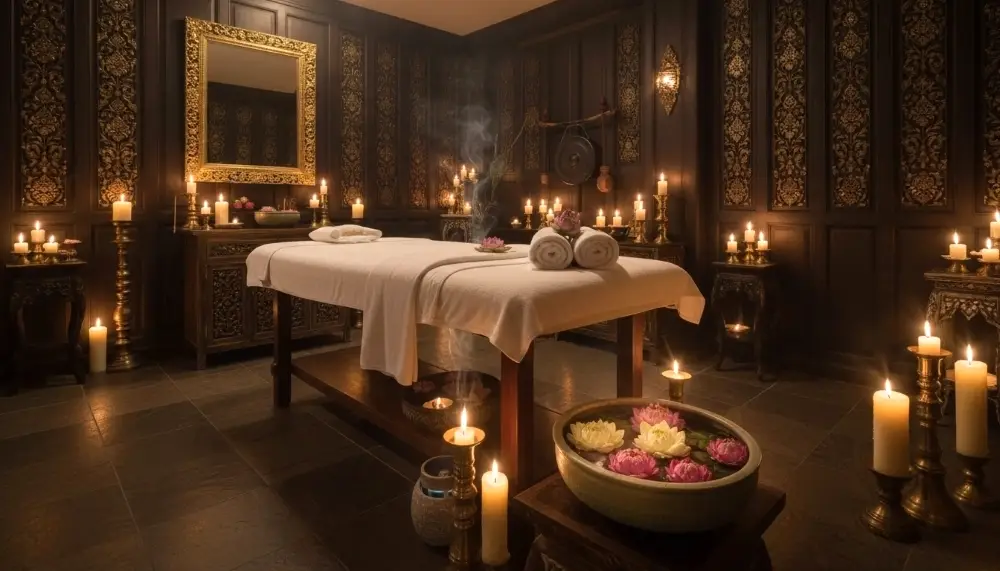
Traditional Thai massage is very different from the oil-based massages many people are used to in Western spas.
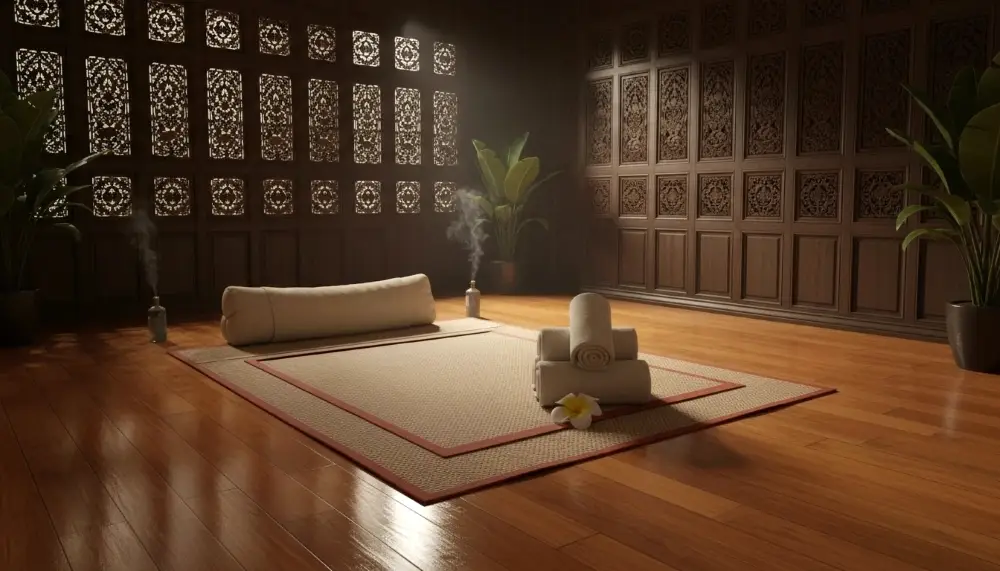
Instead of lying on a massage table, you typically lie on a floor mat while the therapist uses a combination of:
- Gentle stretching
- Acupressure techniques
- Rhythmic compression
- Guided body movements
Some people describe it as a mix between massage, assisted yoga, and physical therapy.
The therapist may use their hands, elbows, knees, and even their feet to apply pressure and stretch muscles. It can feel intense at times, but it’s designed to release tension and restore energy flow in the body.
Afterward, many people feel lighter, looser, and deeply relaxed.
Types of Massage You’ll Find in Thailand
One of the great things about Thailand’s spa culture is the variety of treatments available. You’re not limited to just one style.
Common options include:
Traditional Thai Massage
- Performed fully clothed
- Focuses on stretching and pressure points
- Usually lasts 60–120 minutes
Thai Oil Massage
- Similar to Western spa massage
- Uses oils for relaxation
- Less stretching, more soothing movements
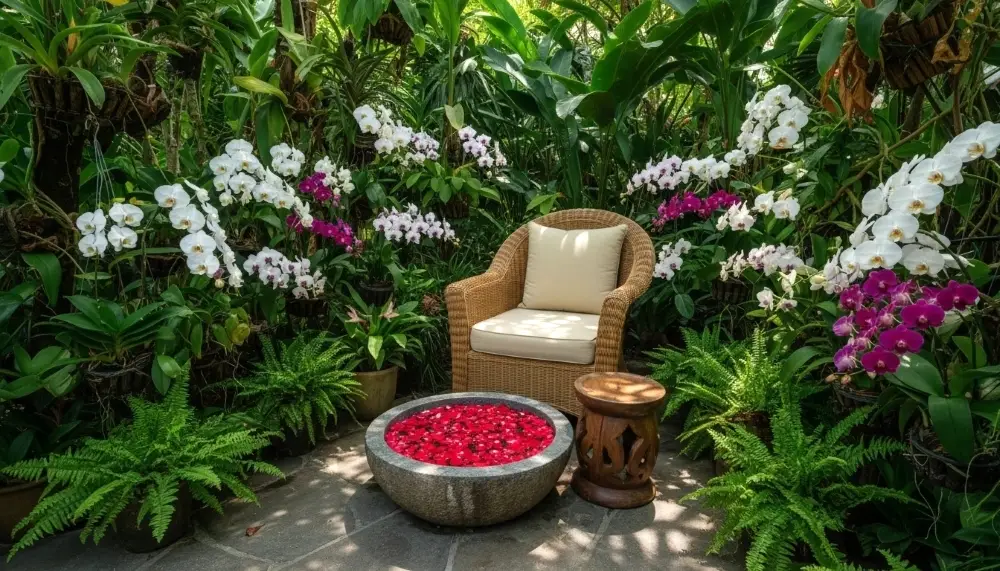
Foot Reflexology
- Very popular after long sightseeing days
- Focuses on pressure points in the feet
- Often includes a shoulder and neck massage
Herbal Compress Massage
- Uses warm herbal bundles pressed against the body
- Helps relieve muscle tension
- Often offered in higher-end spas
Many travelers try several different styles during their trip.
Luxury Wellness vs Local Shops: The Comparison Table
| Feature | Local Street Shops | High-End Luxury Spas |
|---|---|---|
| Hourly Rate | 200 THB – 450 THB | 2,500 THB – 7,000 THB |
| Environment | Open floor plan, curtain dividers | Private suites, rainfall showers |
| Oil Quality | Mineral oil or generic balms | Cold-pressed organic essential oils |
| Booking Method | Walk-in or phone call | Online via Klook, Agoda, or website |
| Post-Treatment | Warm tea and quick exit | Tea service, fruit, and lounge time |
Where to Get a Massage in Thailand
Local Thai massage shops are the backbone of community wellness, providing affordable, accessible, and authentic treatments. These establishments focus on functional healing rather than aesthetic luxury, offering traditional Nuad Thai and foot reflexology in communal settings. They are ideal for daily recovery and maintaining physical flexibility during active travel.
Walking past a row of glowing green signs in Nimman, Chiang Mai or the bustling alleys of Bang Lamphu in Bangkok, the sight of therapists in matching uniforms is a staple of Thai life. These shops are where the local population goes to work out the knots of daily labor. The experience is visceral: the scent of Tiger Balm, the sound of rhythmic thumping, and the sight of people reclining in oversized leather chairs.
Authenticity is the primary draw. Many therapists in these shops have decades of experience, often trained at renowned institutions like Wat Pho. While the decor may be simple and the air conditioning occasionally aggressive, the technical skill often rivals that of expensive resorts. These shops are the best choice for those seeking a “no-frills” deep tissue experience. For a superior local experience, look for shops that require customers to wash their feet before entering; this is a sign of high hygiene standards and traditional respect.
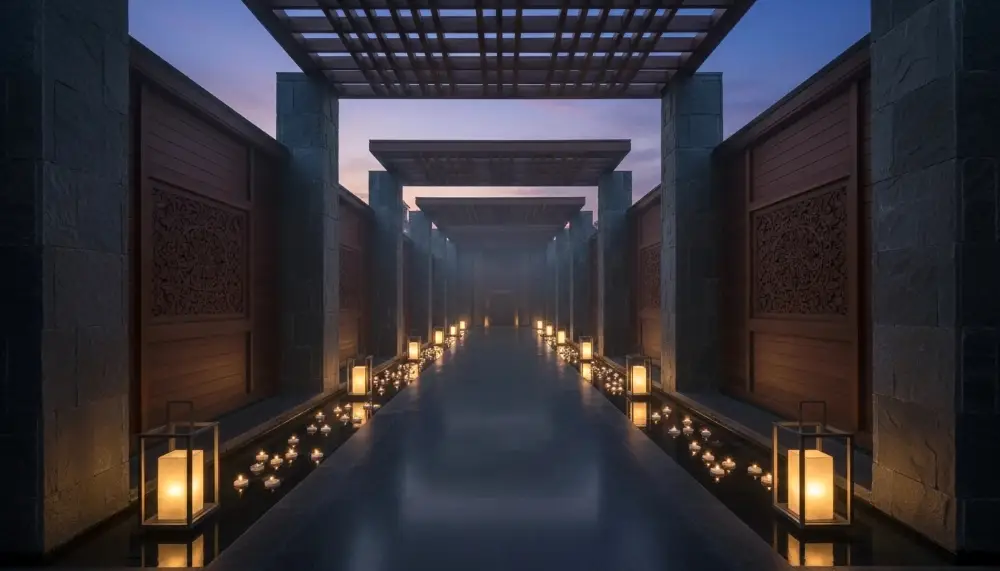
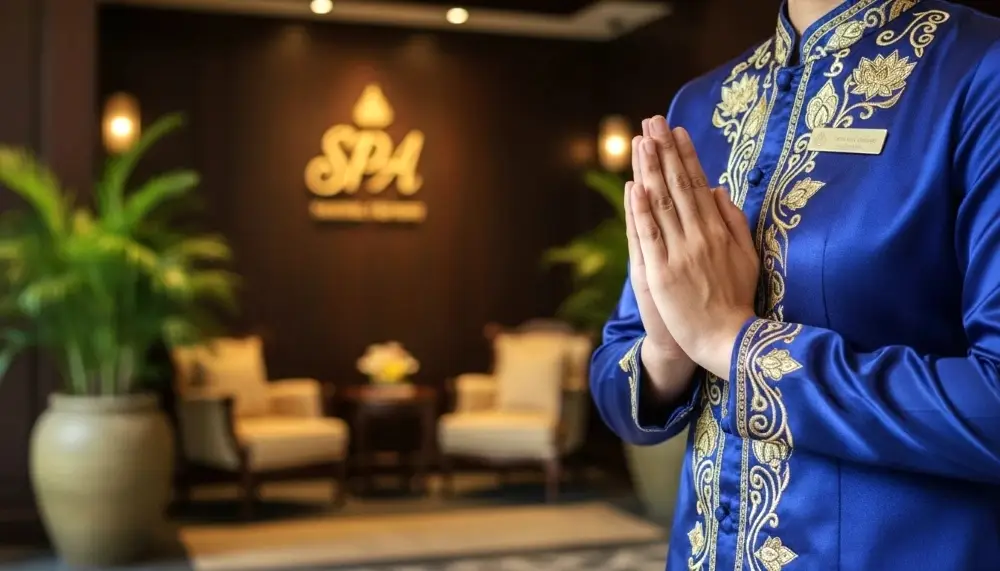
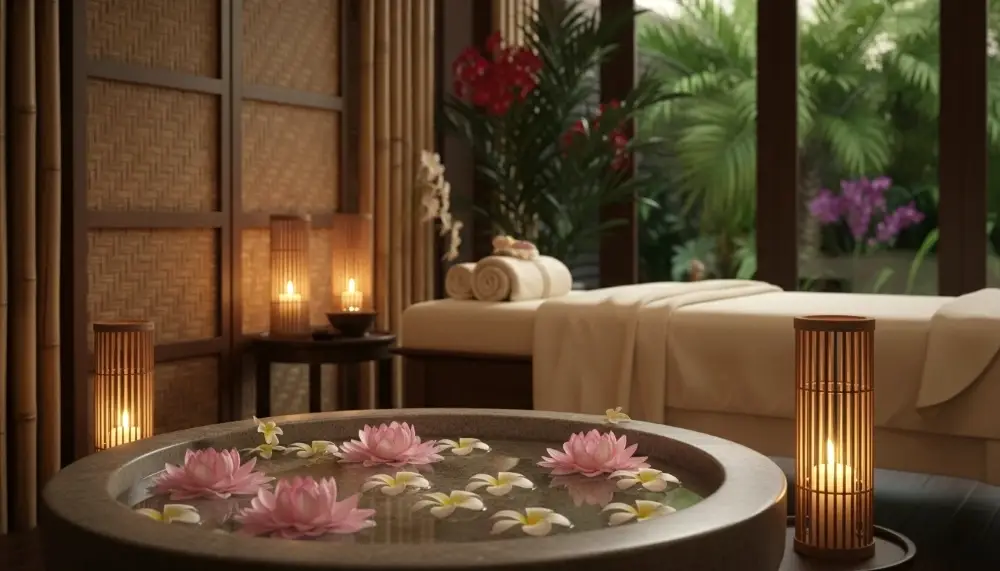
Luxury spas in Thailand serve as holistic sanctuaries that combine ancient herbal wisdom with modern dermatological science. These facilities prioritize privacy, atmosphere, and a multisensory journey, featuring customized oil blends, private hydrotherapy tubs, and specialized techniques like four-hand massages or hot stone therapy within premium architectural settings.
Stepping into a sanctuary like the Siam Spa in Dusit or a hilltop retreat in Koh Samui feels like entering another dimension. The noise of the city or the humidity of the beach evaporates, replaced by cool marble, soft linen, and the precise tinkling of Thai xylophones. Luxury wellness is an investment in the self. These establishments utilize “Plus Plus” pricing (10% service charge and 7% VAT), so the price on the menu is rarely the final total.
The distinction lies in the customization. Before a treatment begins, guests often complete a health profile and select their preferred pressure levels and aromatic oils. Facilities such as the Banyan Tree or Anantara utilize therapists who undergo rigorous internal training to ensure a standardized, high-quality experience. If the goal is a romantic celebration or a deep spiritual reset, the luxury tier is unmatched. Avoid the overpriced “hotel-only” spas that lack a distinct brand; instead, seek out specialized luxury chains like Oasis Spa or Divana for better value and more creative treatments.
How Much Does a Thai Massage Cost?
One of the most surprising things for first-time visitors is just how affordable massages are in Thailand.
Typical prices vary depending on the location and spa type, but rough estimates are:
- Street massage shops: £6 – £10 for one hour
- Mid-range spas: £10 – £25 for one hour
- Luxury resort spas: £40 – £120+
Even high-end spa experiences are often much cheaper than what you might pay in Europe, Australia, or North America.
Because of this, many visitors treat themselves far more often than they normally would at home.
Spa Etiquette and Cultural Tips
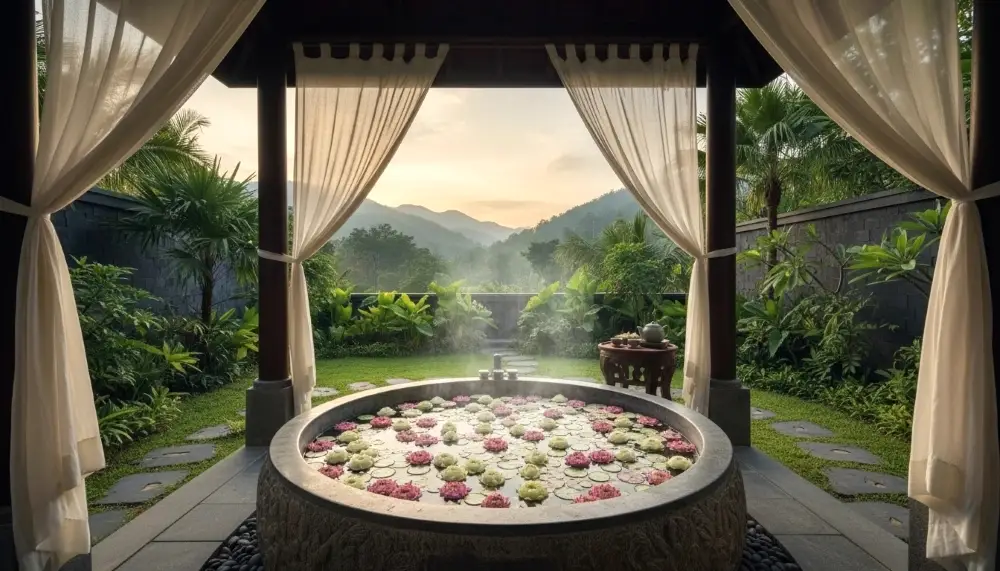
Thai massage etiquette is rooted in mutual respect and Buddhist philosophy, emphasizing the concept of “Muay Thai” (traditional boxing) for the body but “Metta” (loving-kindness) for the spirit. Proper conduct involves modest dress, quiet voices, and a clear understanding of tipping norms to ensure a harmonious exchange between therapist and guest.
Traditional Thai massage is performed fully clothed in loose-fitting pajamas provided by the shop. It is a “dry” massage involving stretching and compression. It is customary to remove shoes at the door.
If a therapist performs a particularly effective treatment, a tip given directly to the person is highly appreciated. While some travelers from high-tipping cultures feel the need to give 20% or more, 50 THB to 100 THB is a generous and appropriate gesture that respects local economic scales without inflating prices for residents.
Choosing a Good Massage Shop
With so many massage shops around, first-time travelers sometimes wonder how to choose a good one.
A few simple signs can help:
Look for places that are clean, well-lit, and professional.
Check whether staff are wearing uniforms and whether prices are clearly displayed outside.
If you’re unsure, read online reviews or ask your hotel for recommendations.
Avoid places that feel overly aggressive about bringing customers inside. Most reputable spas allow you to walk in comfortably without pressure.

Pro Tips:

Currency: Always carry cash (THB) for local shops. While luxury spas accept credit cards, the therapists in small shops cannot receive digital tips.
Apps: Use Grab or Bolt to navigate to specific spa locations. Klook and Get Your Guide frequently offer 30-50% discounts on premium spa packages in Bangkok and Phuket.
Connectivity: Ensure your Yesim or local SIM is active; many high-end spas require a local phone number for booking confirmations.
Safety: Use Nord VPN when booking through public Wi-Fi in malls or hotel lobbies to protect your payment details.
Why Thai Massage Is Part of the Thailand Experience
Traveling in Thailand can be wonderfully exciting, but also tiring. Between exploring temples, navigating markets, hiking viewpoints, and island hopping, your body gets a real workout.
That’s why massage fits so naturally into the rhythm of travel here.
Imagine finishing a day exploring Bangkok’s bustling streets, wandering Chiang Mai’s old city temples, or watching the sunset on a southern island, and then unwinding with a peaceful massage.
It’s one of those small travel rituals that turns a great trip into an unforgettable one.
Final Thoughts
Thailand’s spa and massage culture is one of the country’s greatest pleasures. It’s affordable, deeply rooted in tradition, and available almost everywhere you go.
For first-time visitors, it’s also one of the easiest ways to relax, recharge, and immerse yourself in Thai culture.
So when you see a welcoming spa sign during your travels, step inside and give it a try.
You may arrive curious, but chances are you’ll leave feeling completely renewed.
FAQ: Essential Thai Wellness Knowledge
What is the difference between Thai massage and Oil massage?
Thai massage is a dry treatment involving yoga-like stretching and deep acupressure while fully clothed. Oil massage is performed directly on the skin, focusing on long, rhythmic strokes and relaxation, usually requiring the guest to wear disposable underwear provided by the spa.
Is it okay to get a massage every day?
Yes, many locals and long-term travelers receive foot massages or light Thai massages daily. However, for intense deep-tissue work, it is recommended to give the muscles 24 to 48 hours to recover between sessions.
Are there hidden costs in Thai spas?
In luxury spas, look for the “++” symbol. This indicates that 10% service charge and 7% government tax will be added to the bill. Local shops usually display the final price on the board outside.
Where is the best place for a traditional Thai massage?
Wat Pho in Bangkok is the historic center of Thai medicine and massage. For a more modern yet authentic setting, the Health Land chain offers a middle ground between local shops and high-end luxury with consistent professional standards.
Continue Planning Your Trip