Thailand Scuba Diving
Discover the Underwater World of Thailand
This site contains affiliate links. We may earn a commission at no extra cost to you.
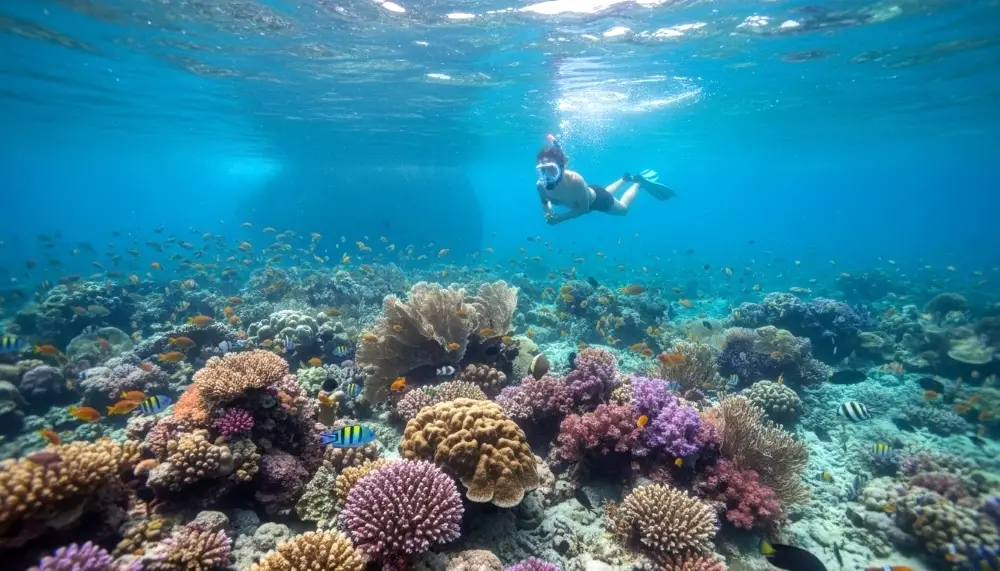
Whether you’re a complete beginner or already certified, Thailand’s diving scene is welcoming, affordable, and full of unforgettable marine life. From colorful coral reefs to encounters with gentle whale sharks, diving here can easily become the highlight of your trip.
If you’ve ever dreamed of exploring the ocean for the first time, Thailand is one of the best places on Earth to do it.
Is Thailand Good for Scuba Diving?
Yes. Thailand is widely considered one of the best scuba diving destinations in the world.
Here’s why first-time visitors love diving here:
- Warm tropical water year-round (around 27–30°C)
- Excellent visibility at many dive sites
- Affordable dive courses and trips
- Friendly, experienced dive instructors
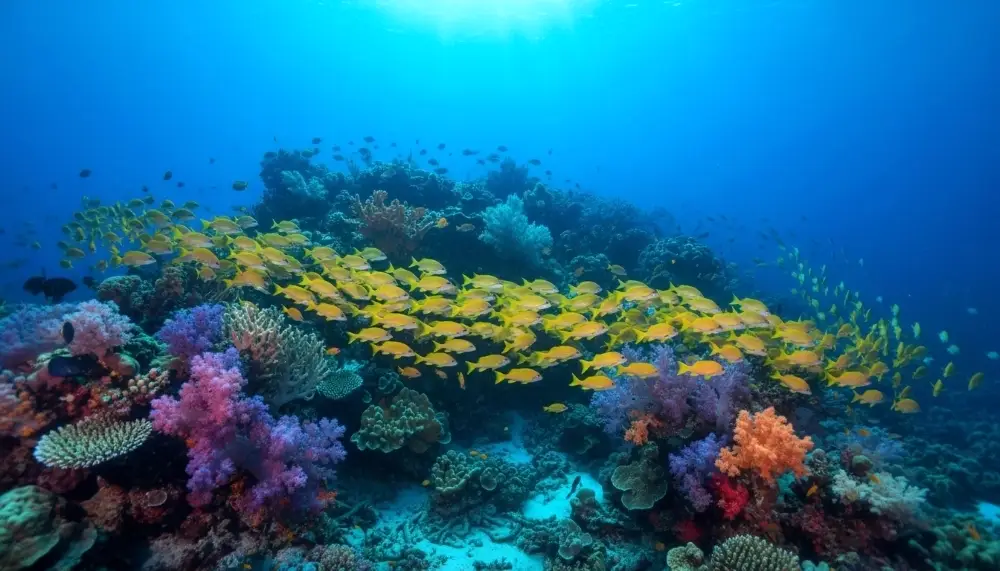
- Huge variety of marine life
Many travelers actually learn to dive in Thailand because the prices are lower than in Europe or North America while the dive conditions are often better.
Even if you’ve never tried scuba diving before, Thailand makes the process feel easy and exciting rather than intimidating.
Quick Summary:
Regional Budgets: Daily costs for diving range from 4,500 THB for local boat trips to 45,000 THB for luxury liveaboard cabins.
Seasonal Logic: The Andaman Sea (West) peaks from November to April, while the Gulf of Thailand (East) offers optimal conditions from May to September.
Entry Requirements: Divers must present a valid certification card (PADI, SSI, NAUI) and digital logbooks; National Park fees for the Similans are paid in cash THB.
Marine Life: Expect encounters with Whale Sharks at Richelieu Rock and dense schools of Chevron Barracuda at Sail Rock.
Best Places for Diving:
The Andaman Sea (West Coast)
The Similan and Surin Islands represent Thailand’s premier diving destination, characterized by deep-water pinnacles and massive granite formations. Located 70 kilometers off the coast of Phang Nga, these protected marine parks offer the highest visibility in the region, often exceeding 30 meters, and serve as the primary habitat for manta rays and whale sharks.
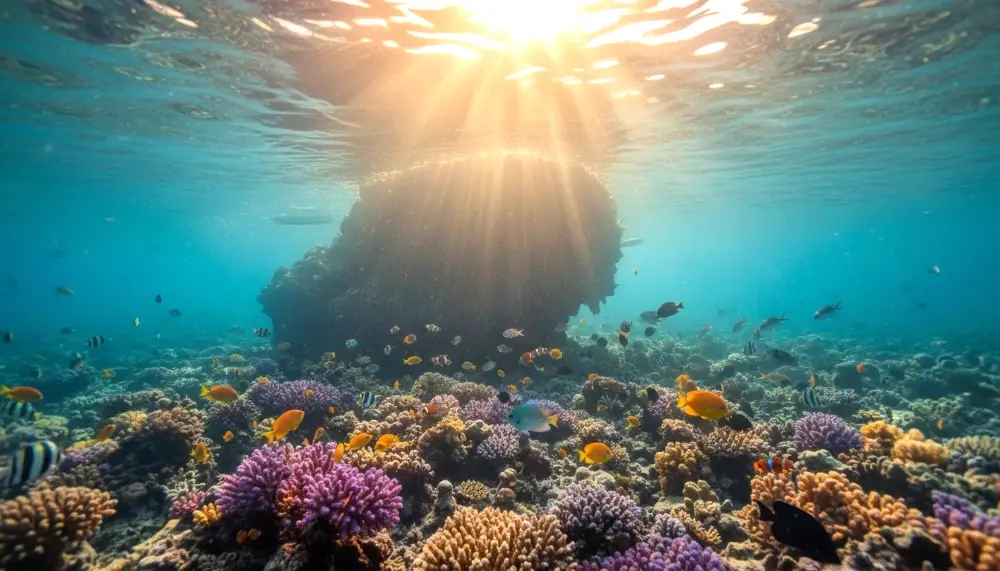
Liveaboards departing from Khao Lak or Phuket provide the most comprehensive access to the Northern Andaman sites. While day trips are available, the distance makes multi-day expeditions more efficient for hitting “Big Three” sites: Richelieu Rock, Koh Tachai, and Koh Bon. Richelieu Rock, a horseshoe-shaped pinnacle covered in purple soft corals, is widely considered the top dive site in the country.
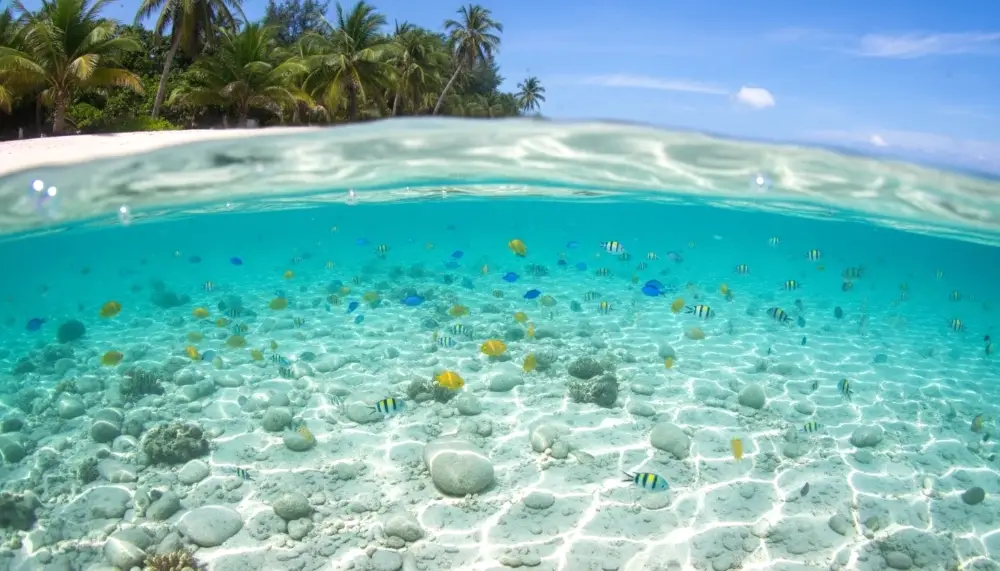
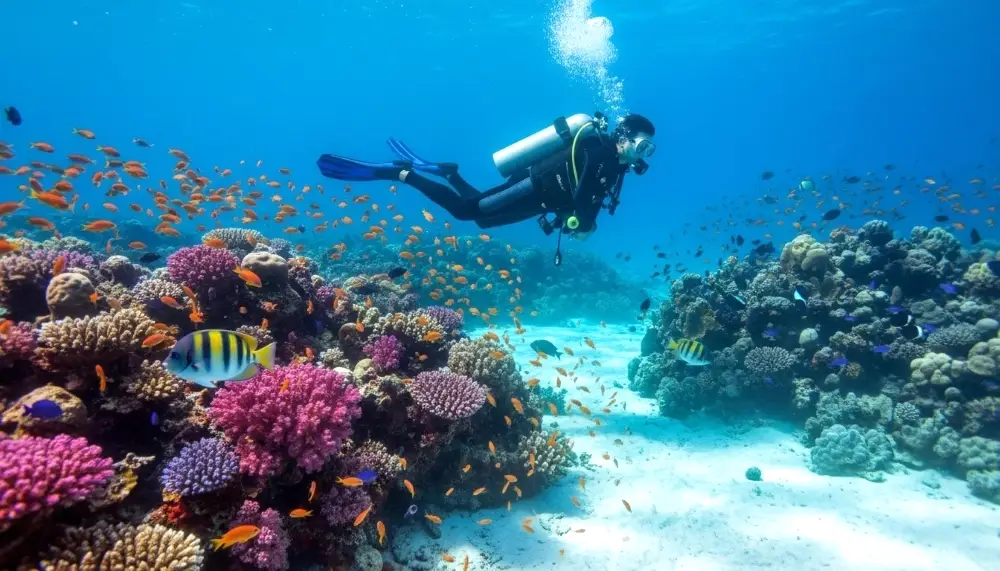
The Gulf of Thailand (East Coast)
Scuba diving in the Gulf of Thailand centers on the Samui Archipelago, offering sheltered conditions and a robust infrastructure for certification. Unlike the deep Andaman sites, the Gulf features shallower reefs and massive offshore pinnacles like Sail Rock, which provides a 30-meter vertical drop and a famous “Chimney” swim-through.
Sail Rock is the crown jewel of the Gulf. Located between Koh Phangan and Koh Tao, this isolated rock acts as a magnet for pelagic species. Because there is no other reef nearby, fish congregate here in staggering densities. Local operators from Koh Tao utilize high-speed catamarans to reach these sites, ensuring divers arrive before the midday heat.
Site Comparison: West vs. East
| Destination | Primary Marine Life | Best Month | Difficulty Level |
|---|---|---|---|
| Similan Islands | Manta Rays, Reef Sharks | February | Intermediate |
| Sail Rock (Koh Tao) | Whale Sharks, Bull Sharks | July | Beginner to Pro |
| Chumphon Pinnacle | Giant Groupers, Barracuda | May | Advanced |
Marine Life To See:
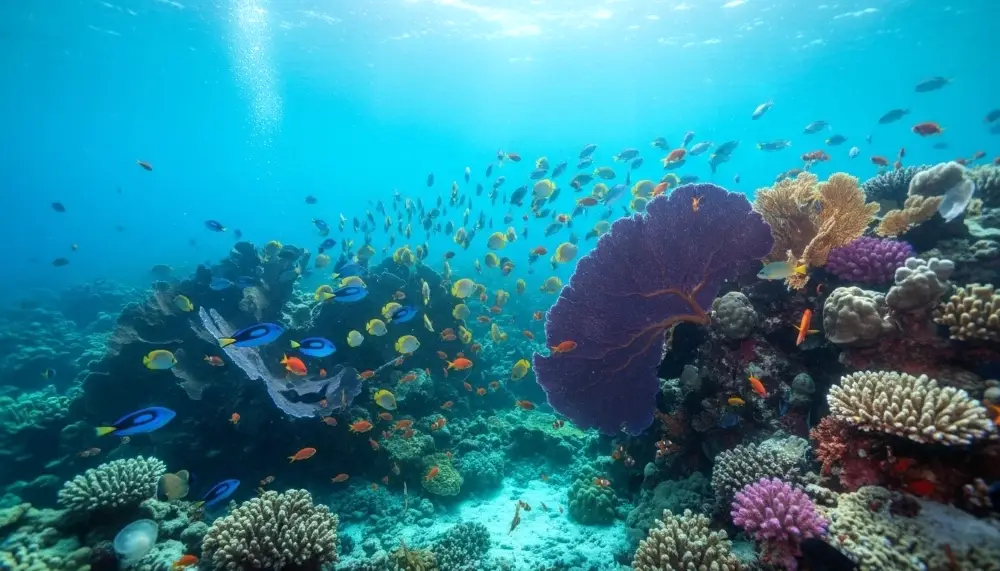
Thailand’s waters are full of colorful and fascinating marine creatures. Even on beginner dives, you’re likely to encounter an incredible variety of life.
Common sightings include:
- Clownfish living in sea anemones
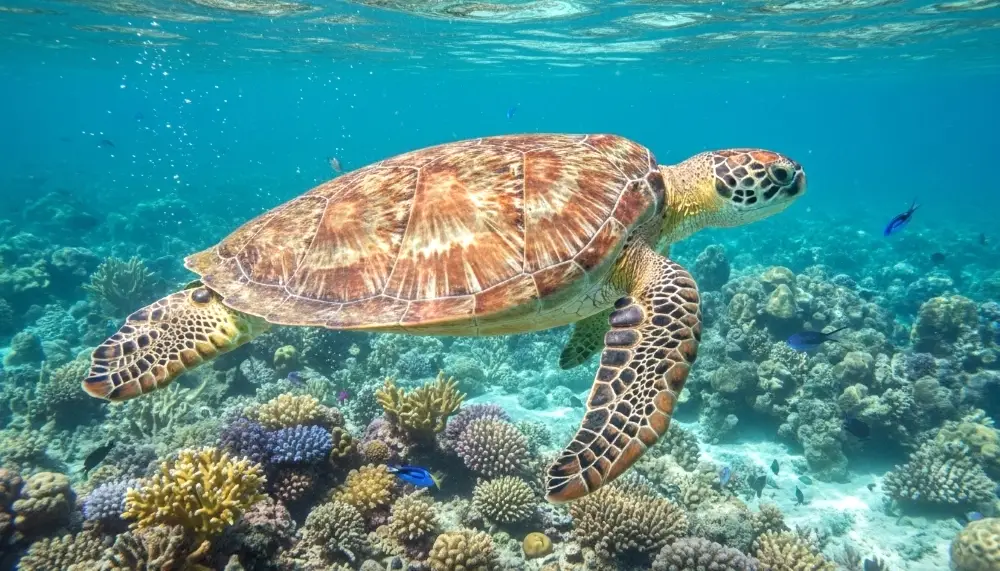
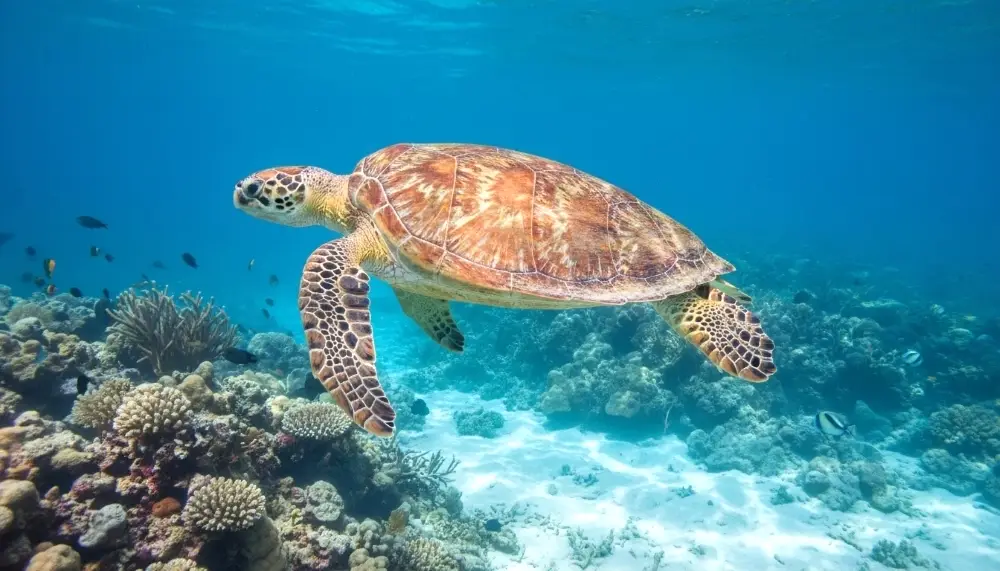
- Sea turtles gliding past coral reefs
- Moray eels hiding in rock crevices
- Bright reef fish in every color imaginable
- Lionfish and angelfish
If you’re lucky, you may also encounter larger marine life such as:
- Whale sharks
- Manta rays
- Reef sharks
- Barracuda schools
Learning to Dive:
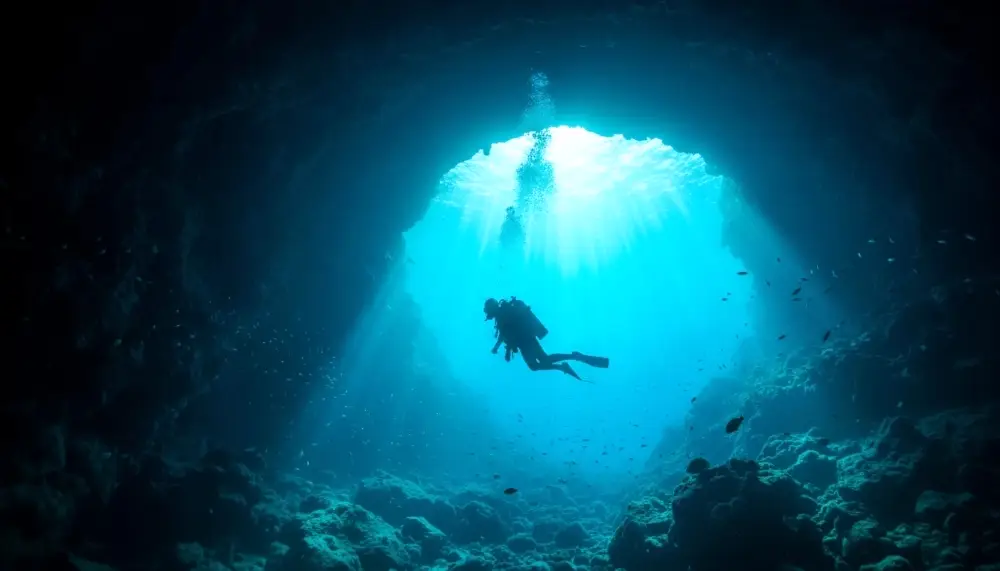
Thailand is one of the best places in the world to earn your scuba certification.
Most dive schools offer internationally recognized courses such as:
- Discover Scuba Diving (a beginner introduction)
- Open Water Diver certification
- Advanced Open Water courses
- Specialty dive training
A typical beginner course takes about 3–4 days and includes classroom learning, shallow water practice, and open-water dives.
One of the biggest advantages is cost. Courses in Thailand are often significantly cheaper than in Western countries while maintaining high safety standards.
What Diving in Feels Like:
For first-time divers, the experience can feel almost surreal.
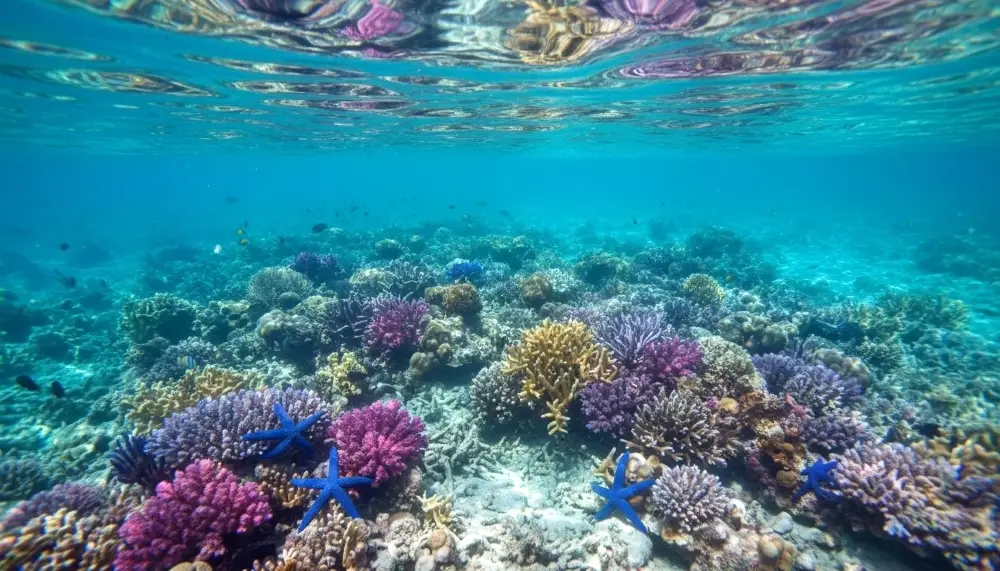
The moment you descend below the surface, the noise of the world disappears. Sunlight filters through the water, illuminating coral reefs that look like underwater gardens.
Fish swim around you as if you’re just another visitor in their world.
Many travelers say their first dive in Thailand completely changes how they see the ocean.
Pro Tips:
Connectivity: Use Yesim or a local physical SIM from AIS for reliable 5G coverage even at sea.
Security: Nord VPN is essential for accessing banking apps over public pier Wi-Fi.
Transport: Grab and Bolt are the primary ride-hailing apps for pier transfers in Phuket and Koh Samui.
Booking: Use Agoda for coastal resorts and Klook or Get Your Guide for booking day-trip snorkeling supplements for non-diving partners.
Currency: Always carry physical THB for island fees, as digital ThaiPay QR codes are rarely accepted on boats.
The Best Time to Dive:
Thailand offers diving almost year-round, but conditions vary by region.
Andaman Sea (Phuket, Similan Islands):
Best from November to April when seas are calm and visibility is excellent.
Gulf of Thailand (Koh Tao, Koh Phangan):
Good diving most of the year, with particularly calm conditions from March to September.
Because the two coasts have different seasons, it’s almost always possible to find good diving somewhere in Thailand.
Is Scuba Diving Safe for Beginners?
Many travelers feel nervous before their first dive, which is completely normal.
The good news is that scuba diving in Thailand is extremely beginner-friendly. Professional instructors guide you step-by-step and ensure you feel comfortable before entering deeper water.
Safety procedures are taken seriously, and beginner dives are always closely supervised.
Most people find that once they take their first breath underwater, the nervousness quickly turns into pure excitement.
Diving and Island Culture:
One of the most special parts of diving in Thailand is the lifestyle surrounding it.
Dive towns tend to be relaxed, friendly, and international. After a morning dive, it’s common to spend the afternoon enjoying beach cafes, watching sunsets, and swapping stories with other travelers.
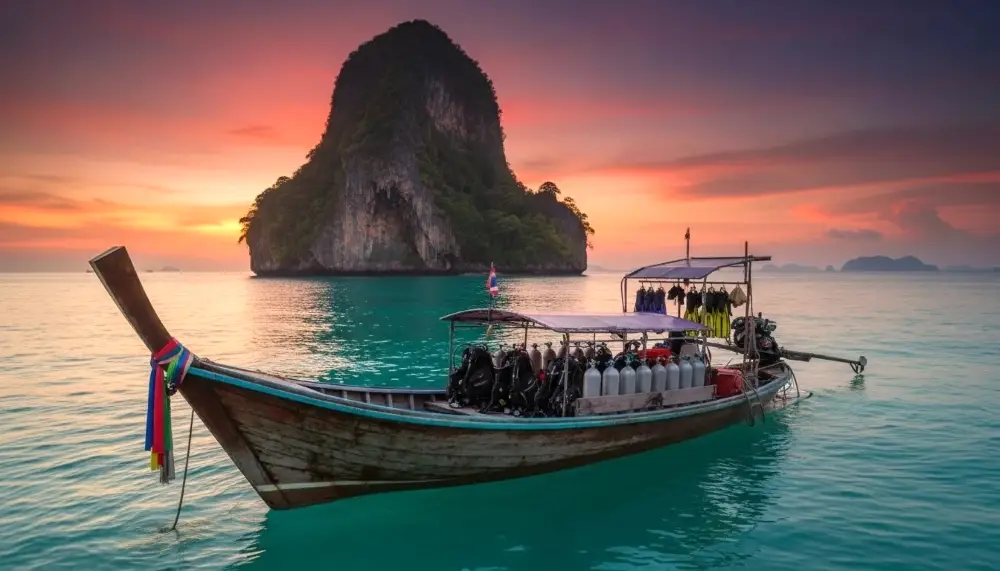
You might start your day exploring coral reefs and finish it with fresh seafood on the beach while the sky turns orange over the ocean.
It’s this combination of adventure and laid-back island life that keeps divers coming back year after year.
Why Diving Is So Memorable:
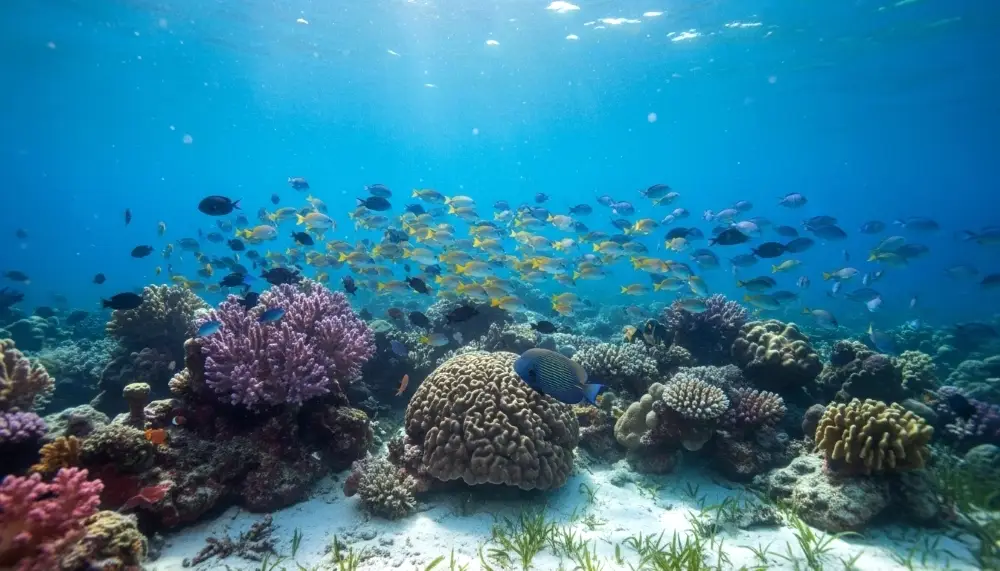
Thailand offers something that few destinations can match: world-class diving that’s accessible to almost anyone.
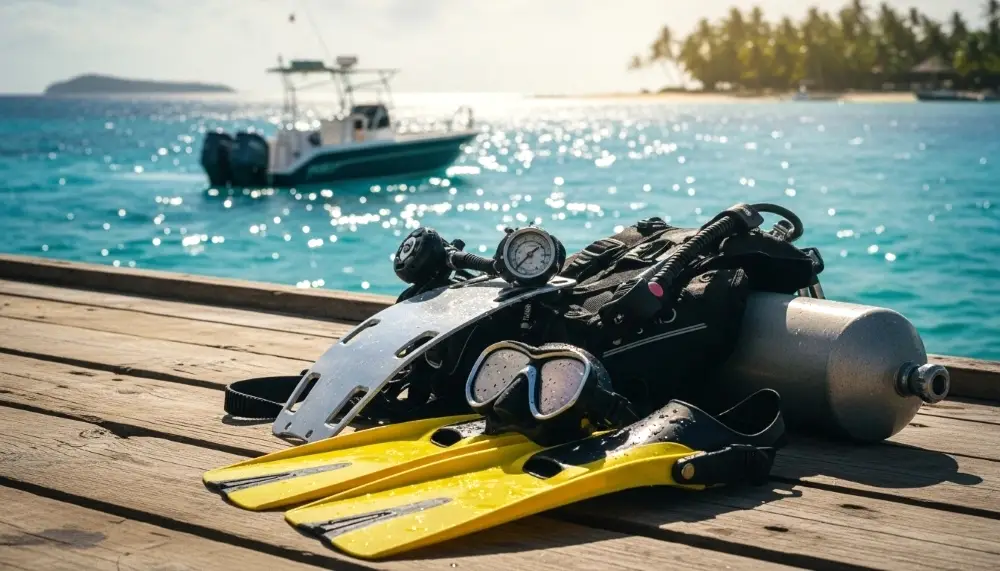
You don’t need years of experience or expensive gear. All you need is curiosity, a sense of adventure, and a willingness to try something new.
For many travelers, their first dive here becomes one of the defining memories of their entire trip.
Ready to Explore?
Thailand is already an incredible country to explore above the surface, from bustling cities to jungle temples and tropical beaches.
But scuba diving reveals a completely different side of the country. Beneath the waves lies a vibrant, living world waiting to be discovered.
If you’re planning your first trip to Thailand, consider adding a dive to your itinerary. You might just discover a new passion along the way, and an unforgettable view of Thailand that most visitors never see.
FAQ: Frequently Asked Questions
How much does a PADI Open Water course cost in Thailand?
A standard PADI Open Water course typically costs between 11,000 THB and 15,000 THB. This price usually includes digital manuals, equipment rental, and four open-water dives. Koh Tao offers the most competitive pricing due to the high volume of students.
When is the best time to see Whale Sharks in Thailand?
Whale shark sightings are most frequent between March and May in the Andaman Sea (Richelieu Rock) and between April and June or September and October in the Gulf of Thailand (Sail Rock).
Can I dive in Thailand without a certification?
Uncertified travelers can participate in a “Discover Scuba Diving” program. This one-day experience includes a safety briefing and supervised shallow dives to a maximum depth of 12 meters. It does not result in a permanent license but counts toward future training.
What are the National Park fees for the Similan Islands?
As of 2026, the entry fee for the Similan National Park is 500 THB for foreigners, with an additional 200 THB daily diving fee. These fees must be paid in cash and are used for reef conservation and park maintenance.
Continue Planning Your Trip