Thailand Snorkeling
This site contains affiliate links. We may earn a commission at no extra cost to you.
Whether you’re relaxing on the famous southern islands or taking a boat trip for the day, snorkeling in Thailand offers an accessible and unforgettable adventure. Even beginners can quickly find themselves floating above coral gardens filled with tropical fish.
Quick Answer: Is Snorkeling Good in Thailand?
Yes. Thailand is one of Southeast Asia’s top snorkeling destinations.
Crystal-clear waters, warm temperatures year-round, and easily accessible reefs make it ideal for beginners and experienced snorkelers alike. The best snorkeling spots are mostly found around Thailand’s southern islands in the Andaman Sea and the Gulf of Thailand.
Popular snorkeling areas include:
- The Phi Phi Islands
- Koh Tao
- Koh Lipe
- The Similan Islands
- Koh Phi Phi Leh
- Koh Rok
Many of these locations are reachable by simple boat tours, making snorkeling one of the easiest adventures to add to a Thailand itinerary.
Why Thailand Is Perfect for First-Time Snorkelers
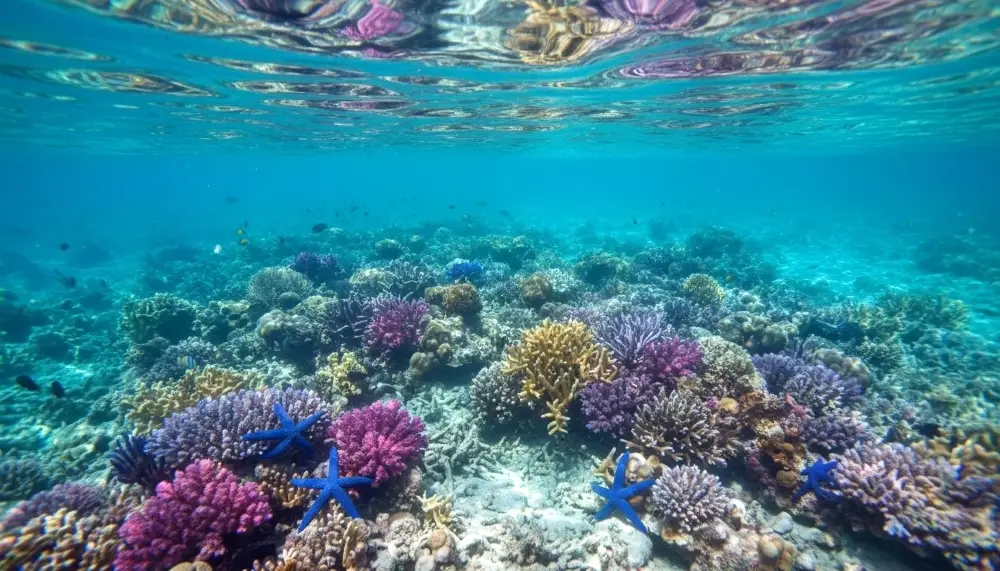
One of the best things about snorkeling in Thailand is how beginner-friendly it is. You don’t need special certification, expensive training, or advanced swimming skills to enjoy it.
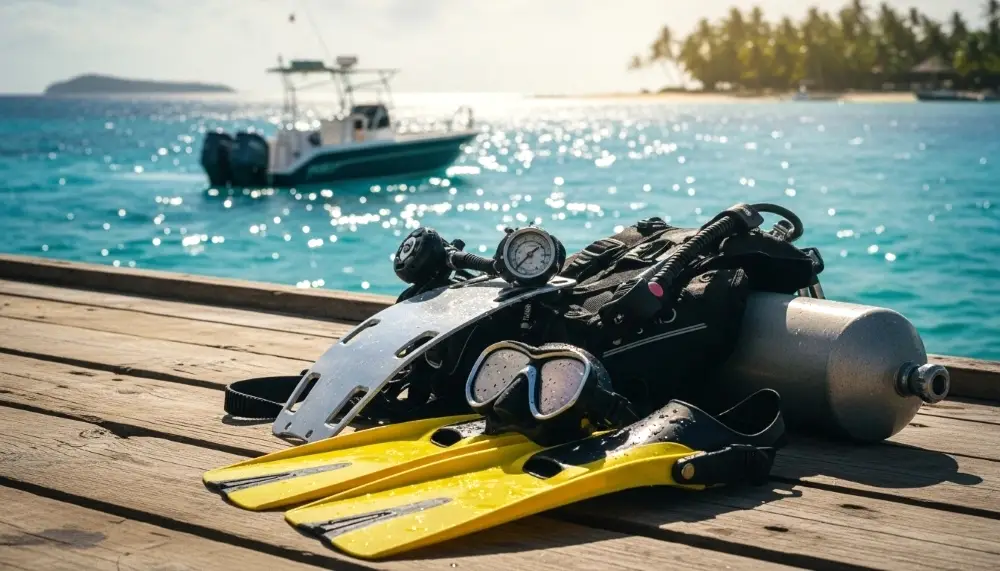
Most tours provide all the equipment you need:
- Mask and snorkel
- Life jackets
- Fins
- Safety briefings from guides
The water temperature usually sits between 27–30°C (80–86°F), meaning you can comfortably snorkel for long periods without a wetsuit.
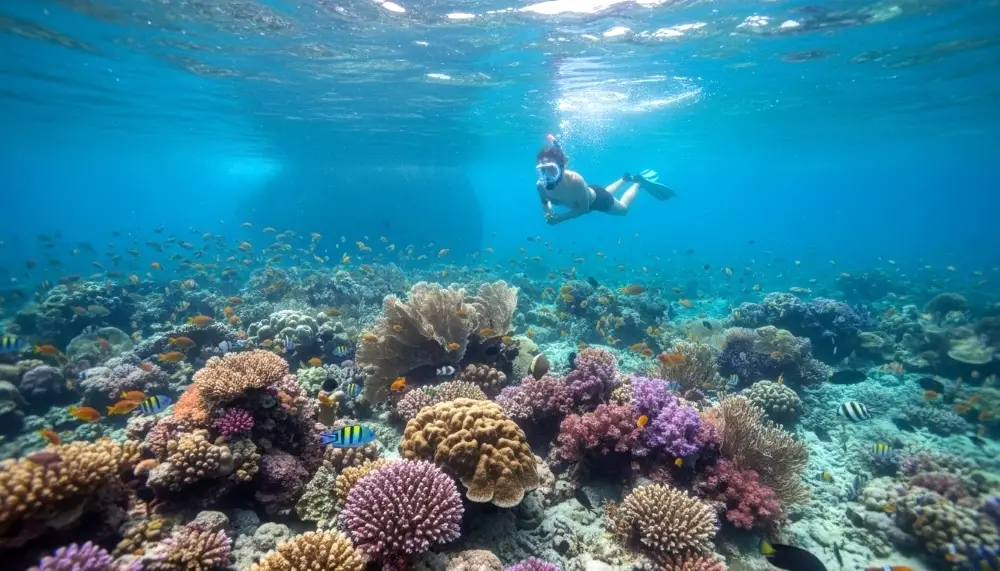
Many reefs are also located close to the surface, allowing you to see colorful marine life just by floating and breathing through your snorkel.
Best Places to Go Snorkeling in Thailand
Koh Tao
Koh Tao serves as the primary destination for shore-accessible snorkeling in the Gulf of Thailand due to its fringing reefs and sheltered bays. Ao Tanote and Shark Bay provide immediate encounters with blacktip reef sharks and sea turtles, while Aow Leuk offers shallow coral nurseries perfect for independent explorers without the need for boat transfers.
The granite boulders of Koh Tao create a unique underwater topography. Unlike the deep drop-offs of the Similan Islands, the reefs here begin in waist-deep water. At Ao Tanote, the reef extends directly from the center of the bay. Large table corals and brain corals dominate the landscape, providing shelter for territorial damselfish and schools of yellowtail barracuda.
Shark Bay (Thian Og) is the local authority for megafauna sightings from shore. To avoid the heat and the crowds, enter the water before 08:00. Blacktip reef sharks, typically between one and two meters in length, frequent the shallow flats. For the best visibility, swim toward the rocky outcrops near the Sai Daeng Resort side of the bay.
Aow Leuk remains a high-value site for its ease of entry. The beach is wide and sandy, but the northern and southern fringes house dense coral colonies. Expect to pay a 100 THB entry fee, which usually includes a cold drink and use of a sun lounger. This bay is a “Source of Truth” for seeing juvenile sharks in the shallows, often just three meters from the shoreline.
Koh Lipe
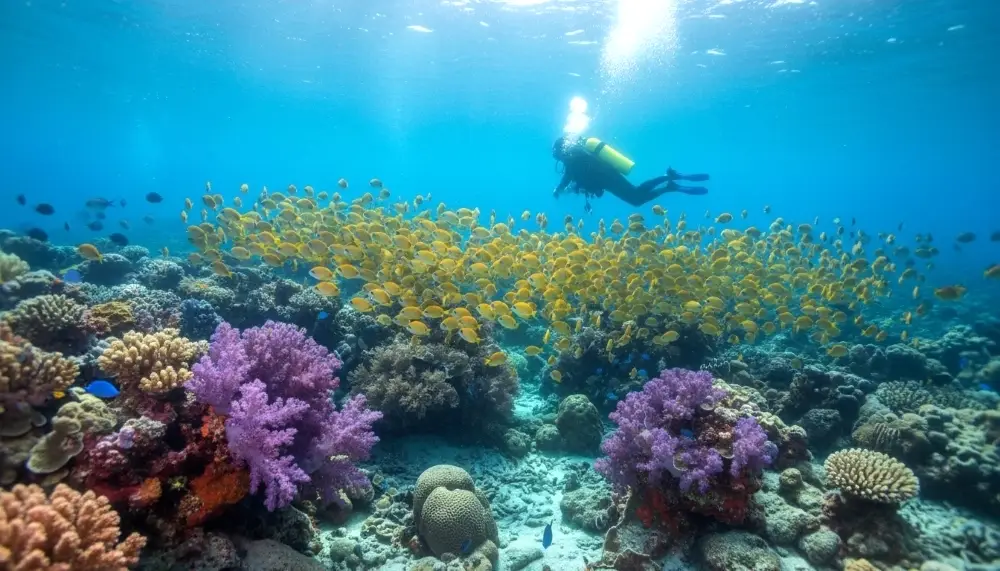
Koh Lipe is the premier destination for shore snorkeling in the deep south, with Sunrise Beach and North Point offering direct access to the Tarutao National Marine Park’s biodiversity. The reefs here are characterized by vibrant soft corals and “Nemo” sightings, accessible within a five-minute swim from the shoreline resorts.
At Sunrise Beach, the reef runs almost the entire length of the shore. The “Secret Spot” for enthusiasts is the area surrounding the two small islands, Koh Kra and Koh Usen, visible from the beach. One can swim to these islets during low tide, but the current can be strong. Always check with local dive shops about the tidal pull before attempting the crossing.
Ao Niang, located on the southern tip of the neighboring Koh Adang, is accessible via a ten-minute longtail trip but is technically a shore-entry site once you land. The water here is untouched, offering some of the most pristine hard coral structures in the Satun province.
Comparison of Shore Snorkeling Sites
| Location | Primary Marine Life | Entry Fee / Access | Best Skill Level |
|---|---|---|---|
| Shark Bay (Koh Tao) | Blacktip Reef Sharks, Green Turtles | Free (via public path) | Intermediate |
| Ao Tanote (Koh Tao) | Butterflyfish, Hawksbill Turtles | Free | Beginner |
| Freedom Beach (Phuket) | Soft Corals, Parrotfish | 200 THB (land access) | Intermediate |
| Sunrise Beach (Koh Lipe) | Clownfish, Giant Clams | Free | Beginner |
| Aow Leuk (Koh Tao) | Juvenile Sharks, Brain Coral | 100 THB | Beginner |
Phi Phi Islands
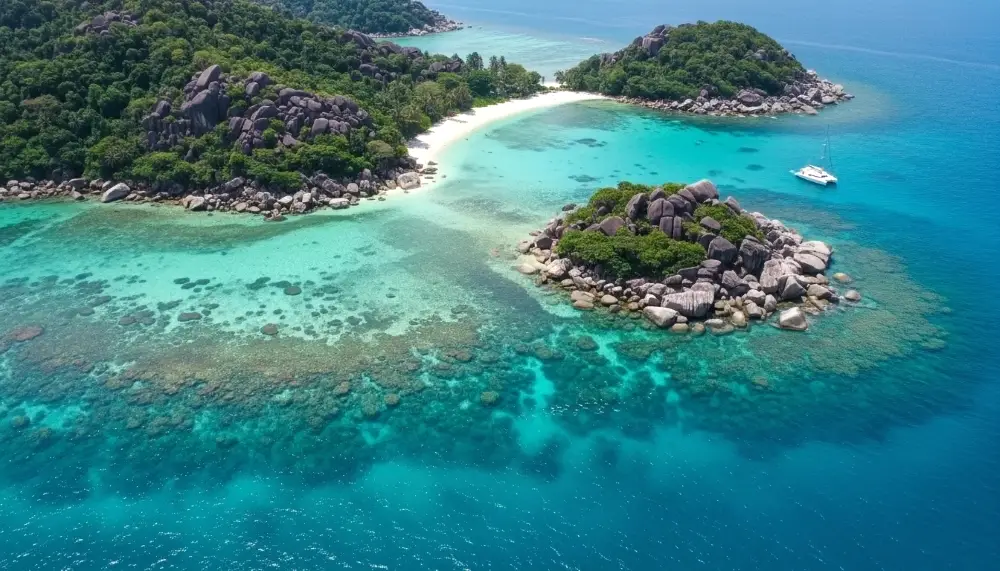
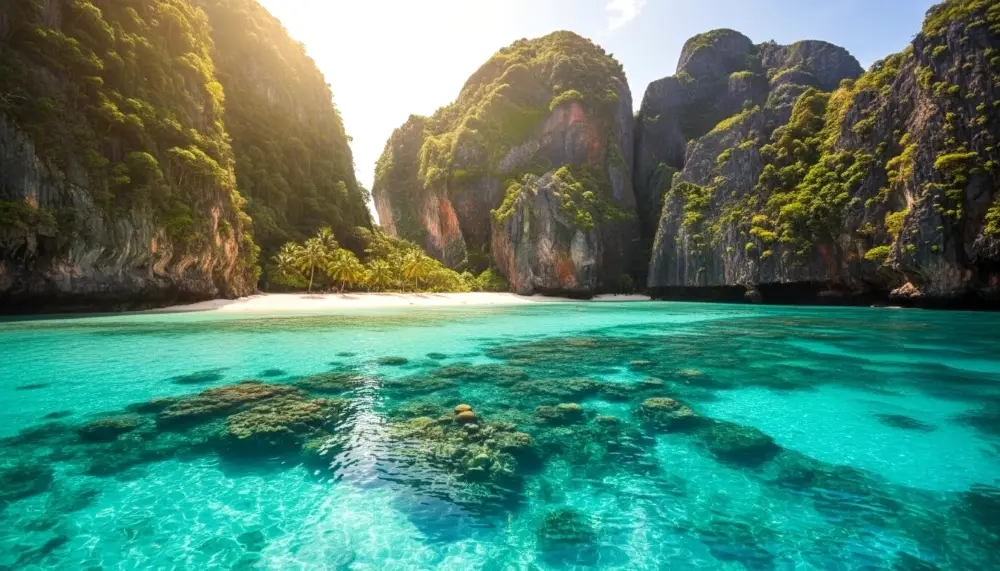
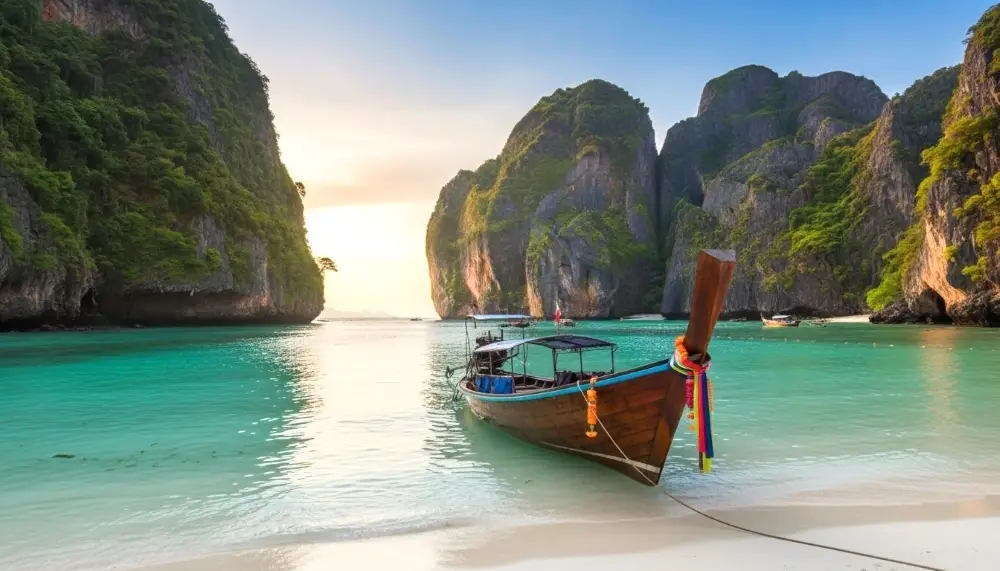
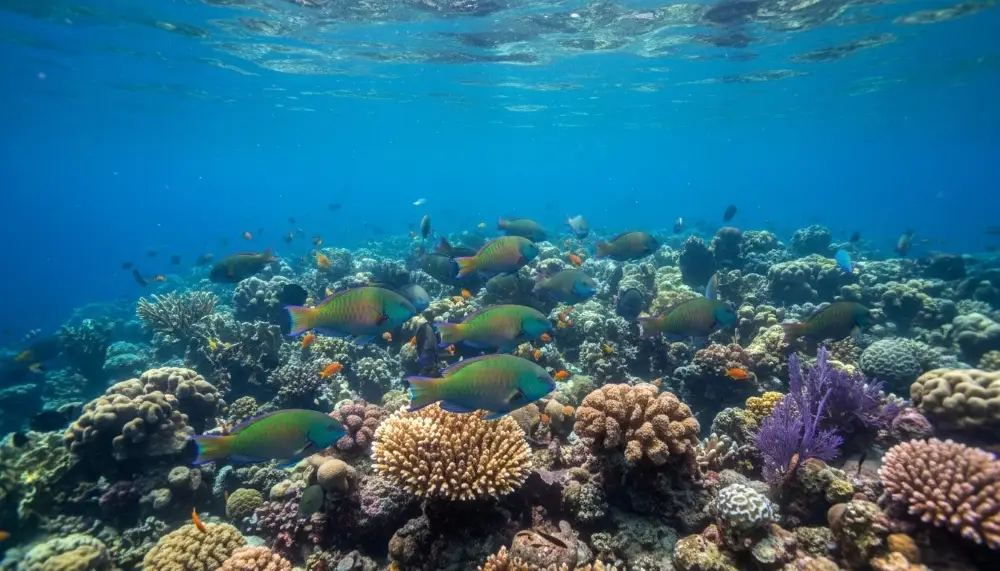
Located near the Andaman coast, the Phi Phi Islands are famous for their dramatic limestone cliffs and turquoise water. Snorkeling trips here often include shallow reefs filled with parrotfish, clownfish, and sea anemones.
Boat tours from Phuket or Krabi regularly stop at several snorkeling locations during the day.
The Similan Islands
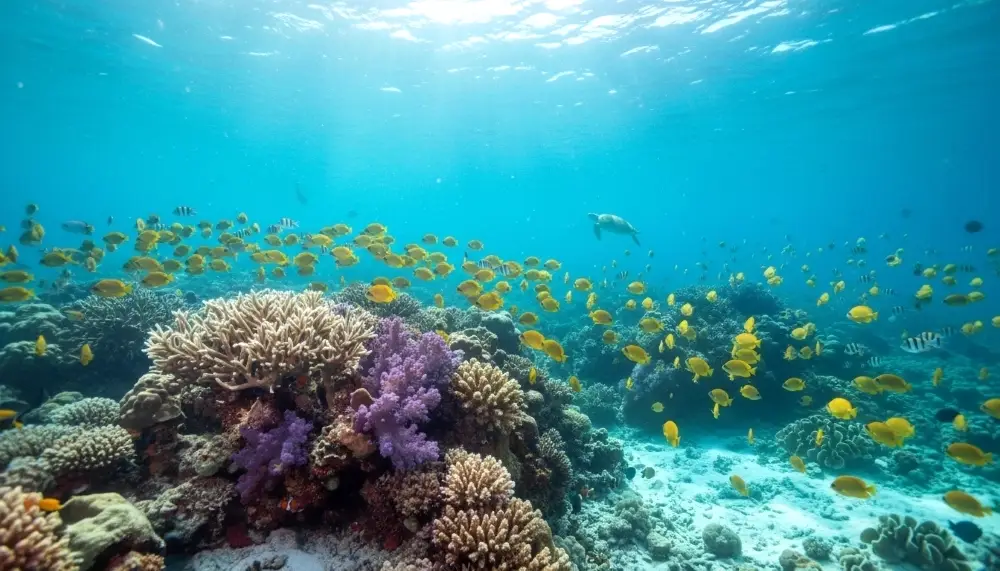
For truly spectacular underwater scenery, the Similan Islands are hard to beat. These protected islands are known for incredibly clear visibility and vibrant marine biodiversity.
Because they are part of a national park, visitor numbers are controlled and the islands are only open seasonally.
What Marine Life Can You See?
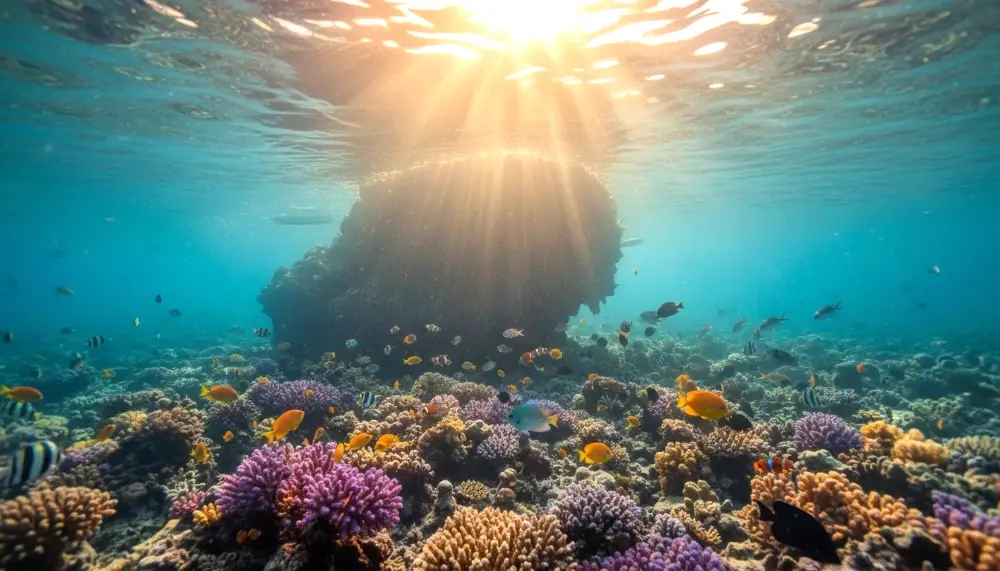
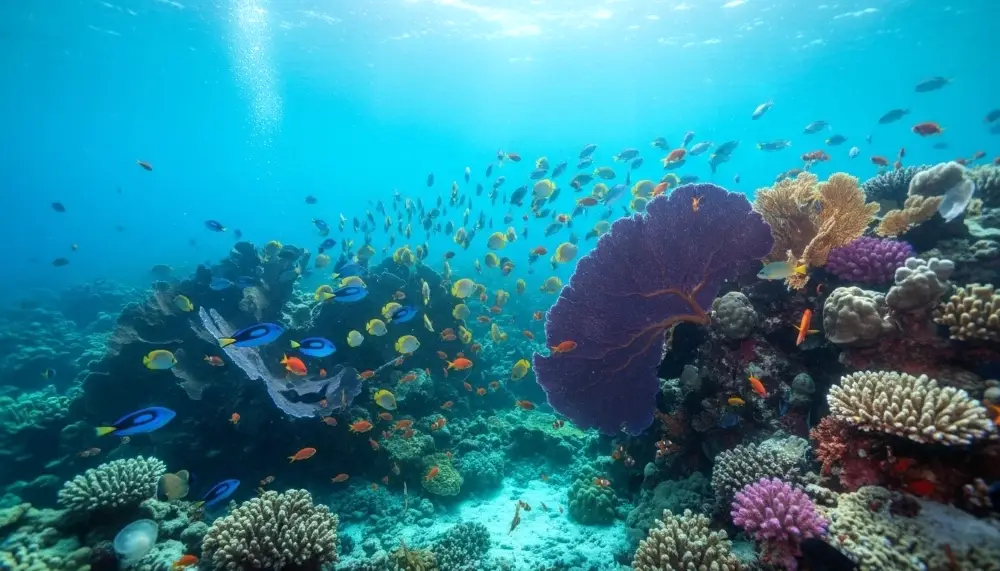
Thailand’s tropical waters are full of fascinating sea creatures. Even during a short snorkeling trip, it’s common to see dozens of species.
Typical marine life includes:
- Clownfish (like the famous “Nemo”)
- Parrotfish
- Butterflyfish
- Angelfish
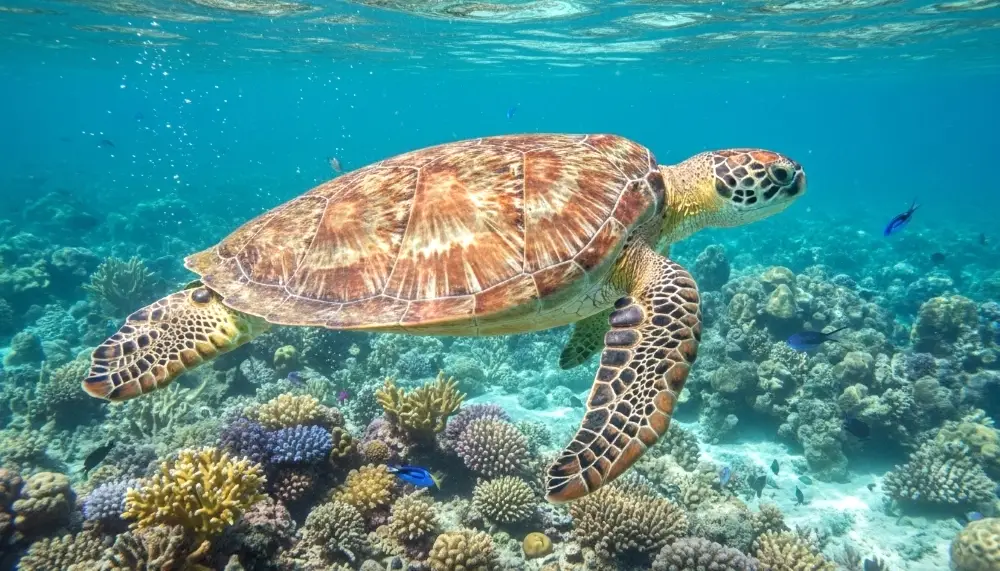
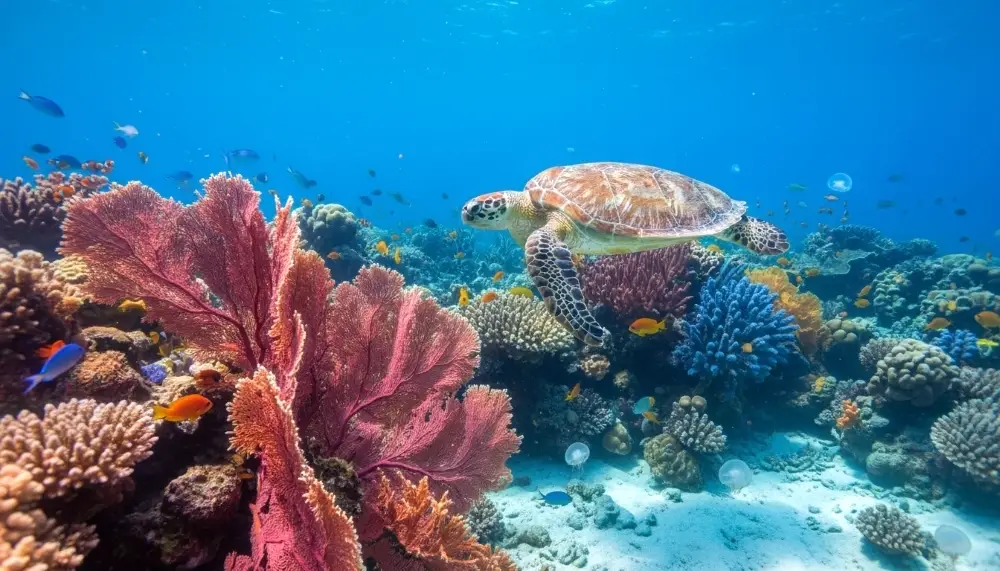
- Sea turtles
- Blue starfish
- Moray eels
- Small reef sharks
Coral reefs themselves are equally stunning, with branching coral formations, giant sea fans, and colorful soft corals swaying in the current.
Best Time of Year for Snorkeling
Thailand’s snorkeling conditions depend on the region and season.
Generally speaking:
November – April
Best for the Andaman Sea (Phuket, Krabi, Phi Phi, Similan Islands)
May – September
Better for Gulf of Thailand islands like Koh Tao and Koh Samui
Water visibility is usually best during calm weather when the sea is clear and gentle.
If snorkeling is high on your travel wish list, planning your trip around the right season can make a big difference.
Snorkeling Tours: What to Expect
Most visitors experience snorkeling through half-day or full-day boat tours.
A typical snorkeling tour includes:
- Hotel pickup (in tourist areas)
- Boat transport to several reef locations
- Snorkeling equipment
- Lunch or snacks
- Professional guides
Tours usually visit 3–5 snorkeling spots throughout the day, giving you plenty of time to explore different reefs.
Guides also help keep everyone safe and point out interesting marine life you might otherwise miss.
Tips for First-Time Snorkelers
If this will be your first snorkeling experience, a few simple tips can make it much more enjoyable.
Practice breathing slowly through the snorkel before swimming too far.
Use reef-safe sunscreen to protect both your skin and the coral ecosystem.
Avoid touching coral or marine life, which protects the fragile reef environment.
Wear a life jacket if you’re not a confident swimmer — many tours provide them automatically.
And remember: floating calmly often attracts more fish than splashing around.
A Note on Respecting Thailand’s Reefs
Thailand has been working hard to protect its coral reefs from over-tourism and environmental damage.
Visitors can help by following a few simple guidelines:
- Never stand on coral
- Avoid feeding fish
- Do not collect shells or marine life
- Use eco-friendly sunscreen
Responsible snorkeling helps ensure these underwater ecosystems remain healthy for future travelers.
If You’re Nervous About Snorkeling
Many first-time travelers worry about snorkeling, especially if they haven’t spent much time in the ocean before.
The good news is that Thailand is one of the easiest places in the world to try it.
The water is warm, most snorkeling locations are calm, and guides are used to helping beginners feel comfortable in the water.
You can also stay close to the boat or beach while you gain confidence. Many people who feel nervous at first end up loving the experience within minutes.
Pro Tips for Snorkelers:
Transport: Use Grab or Bolt for transparent pricing to beach drop-off points.
Booking: Agoda often has the best rates for beachfront “Snorkel-In” bungalows.
Connectivity: Use Yesim or an eSim for constant GPS access in remote bays.
Logistics: Klook or Get Your Guide are useful for renting high-end gear if your hotel equipment is subpar.
Safety: Nord VPN is recommended when using public Wi-Fi at beachfront cafes to check tide tables.
FAQ: Shore Snorkeling in Thailand
What is the best month for snorkeling in Thailand?
The peak window for the Andaman Sea is November to April. For the Gulf of Thailand, February to August offers the calmest seas and highest visibility.
Do I need to pay to snorkel on public beaches?
While the beaches are public, some require passing through private land (100–200 THB) or fall within Marine National Parks (200–400 THB for foreigners).
Are there sea urchins in the shallow reefs?
Yes, Long-spined Sea Urchins are common in shallow Thai reefs. Wear fins or water shoes and maintain horizontal buoyancy to avoid contact.
Can I rent snorkeling gear on the beach?
Most popular spots like Ao Tanote or Yanui Beach have rental shacks offering a mask, snorkel, and fins for approximately 100–150 THB per day.
Continue Planning Your Trip