Thai Temples Guide
Whether you’re wandering through the glittering temples of Bangkok, climbing the steps of a mountain temple in Chiang Mai, or discovering quiet shrines on the southern islands, visiting Thai temples quickly becomes one of the highlights of any trip.
This guide will help first-time visitors understand what Thai temples are, why they matter, and how to visit them respectfully and confidently.
What Are Thai Temples?
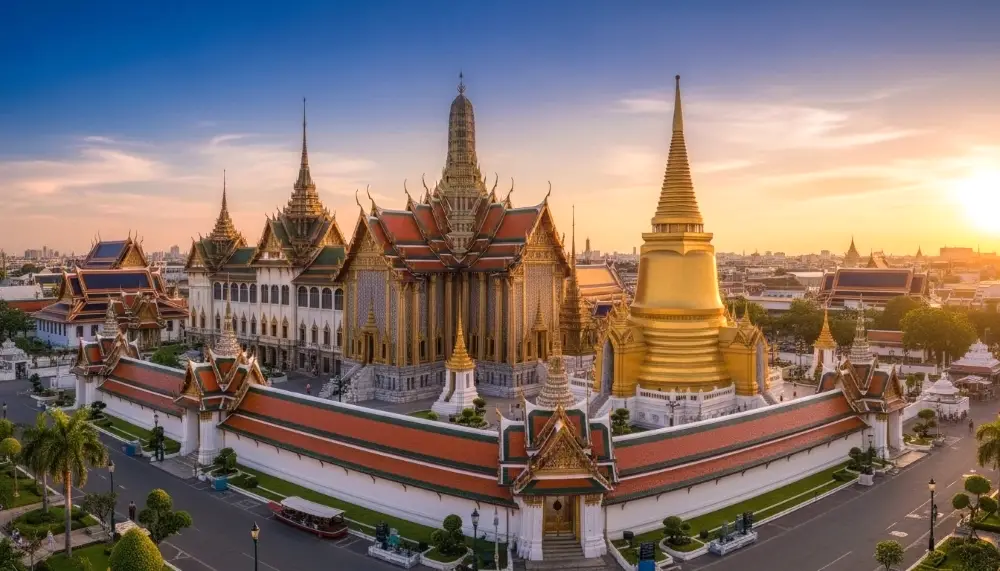
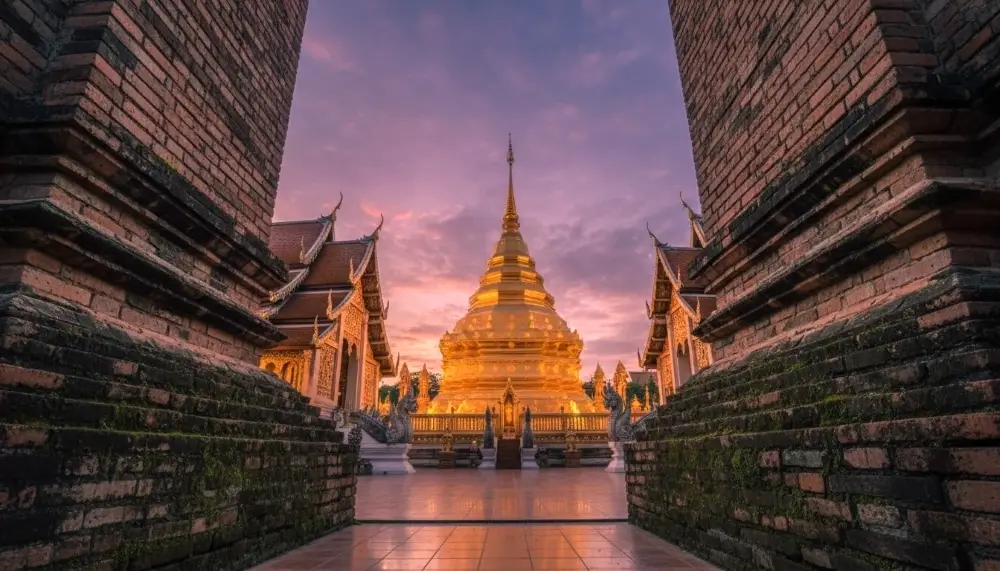
A Thai Wat consists of several distinct structures, primarily the Ubosot (ordination hall), Viharn (assembly hall), Chedi (reliquary stupa), and Prang (tower). These elements serve specific religious functions, ranging from housing the principal Buddha image to containing sacred relics, all characterized by multi-tiered roofs and Naga serpents guarding the entrances.
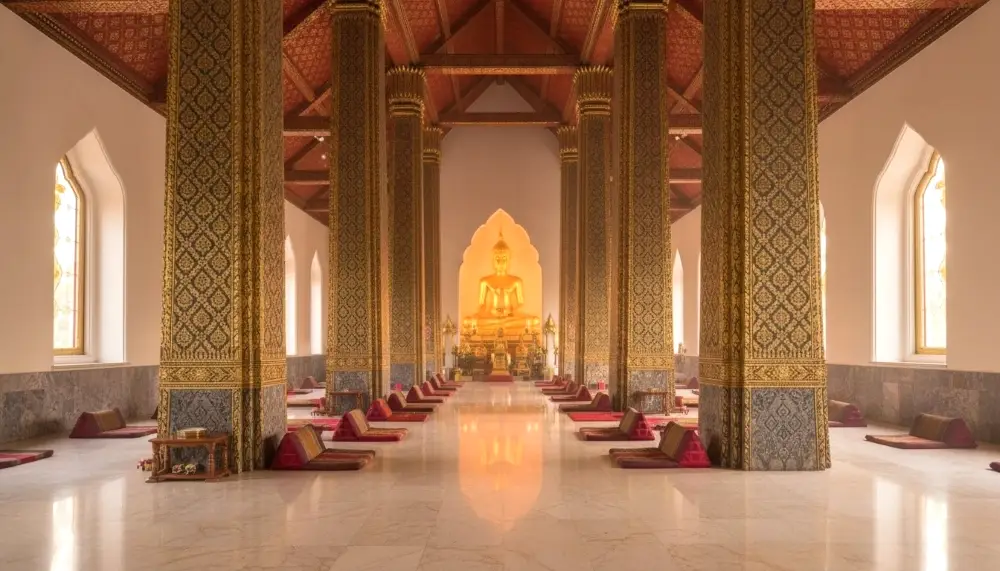
Thai temple architecture is a masterclass in symbolic geometry. The Ubosot stands as the most sacred space, demarcated by eight Bai Sema stones that signify the boundary of consecrated ground. Inside, the primary Buddha image faces east, surrounded by murals depicting the Jataka tales. Contrast this with the Viharn, where the public gathers for sermons. The rooflines, known as Chofah, represent the head of a Garuda, slicing through the sky to protect the sanctuary from evil spirits.
Most temple complexes include:
- Ubosot (ordination hall) – the most sacred building where monks perform ceremonies
- Viharn (assembly hall) – a prayer hall that often houses Buddha statues
- Chedi or stupa – a tall structure that may hold sacred relics
- Monk living quarters
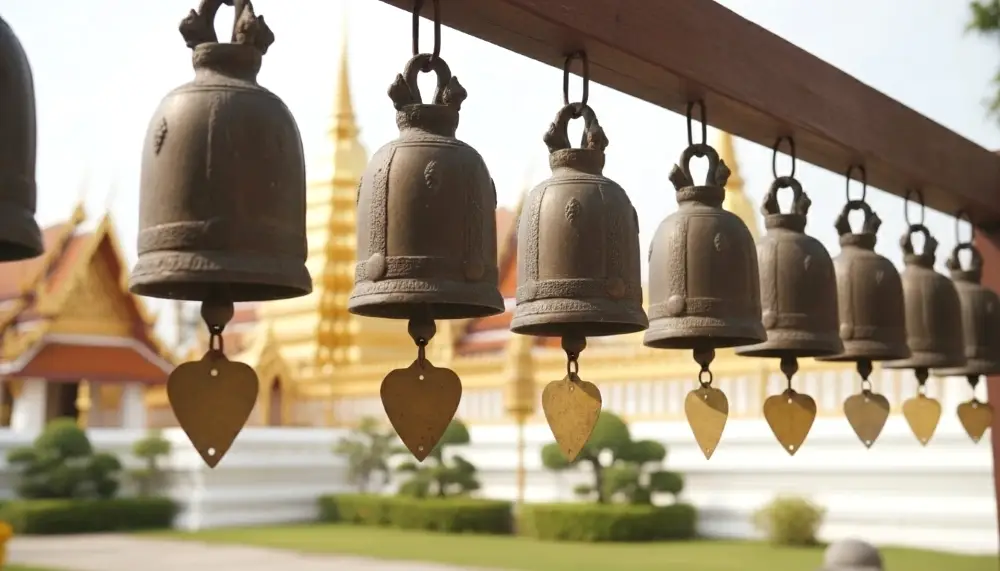
- Gardens, bells, statues, and courtyards
| Structure Type | Primary Function | Distinguishing Feature |
|---|---|---|
| Ubosot | Ordination of monks | Surrounded by eight boundary stones (Bai Sema) |
| Chedi | Housing sacred relics | Bell-shaped or conical spire pointing skyward |
| Mondop | Storing sacred scriptures | Square building with a multi-tiered pyramidal roof |
The Quick Summary:
- Entry requirements for most Royal Temples involve a fee ranging from 50 THB to 500 THB for non-residents.
- Strict dress codes mandate covered shoulders and knees for all genders to maintain spiritual sanctity.
- Regional architectural styles vary significantly between the Lanna structures of the North and the Rattanakosin style of Bangkok.
- Ritual etiquette requires removing shoes before entering any Viharn or Ubosot and keeping the head lower than Buddha images.
Why Visiting Temples Is a Must for First-Time Travelers
For many visitors, temples become the most unforgettable part of their Thailand experience.
Thai temples offer far more than beautiful photo opportunities. They provide a window into the country’s culture, religion, and daily life.
When you visit a temple, you may see:
- Monks chanting morning prayers
- Locals lighting incense and making offerings
- Intricate murals telling Buddhist stories
- Golden Buddha statues glowing in the sunlight
- Quiet spaces perfect for reflection
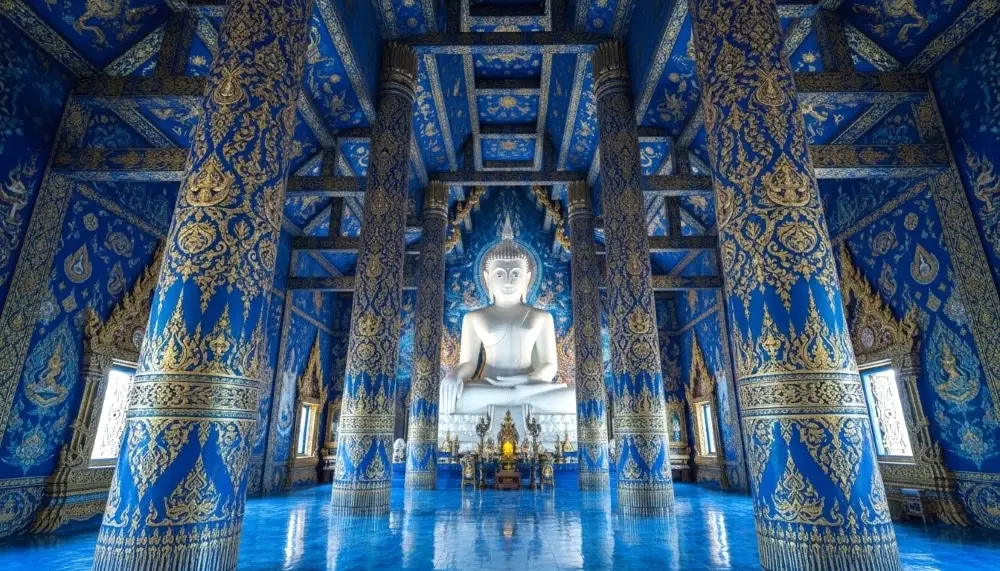
Temples also showcase some of Thailand’s most stunning architecture. Gold leaf, colourful tiles, carved dragons, and towering spires create an atmosphere that feels both magical and peaceful.
Famous Thai Temples Worth Visiting
Thailand has more than 40,000 temples, so you’ll never be far from one. While every temple has its own charm, some are especially popular with travelers.
Bangkok
Thailand’s capital is home to some of the most famous temples in the country.
Must-see temples include:
- Wat Phra Kaew (Temple of the Emerald Buddha) – located inside the Grand Palace complex
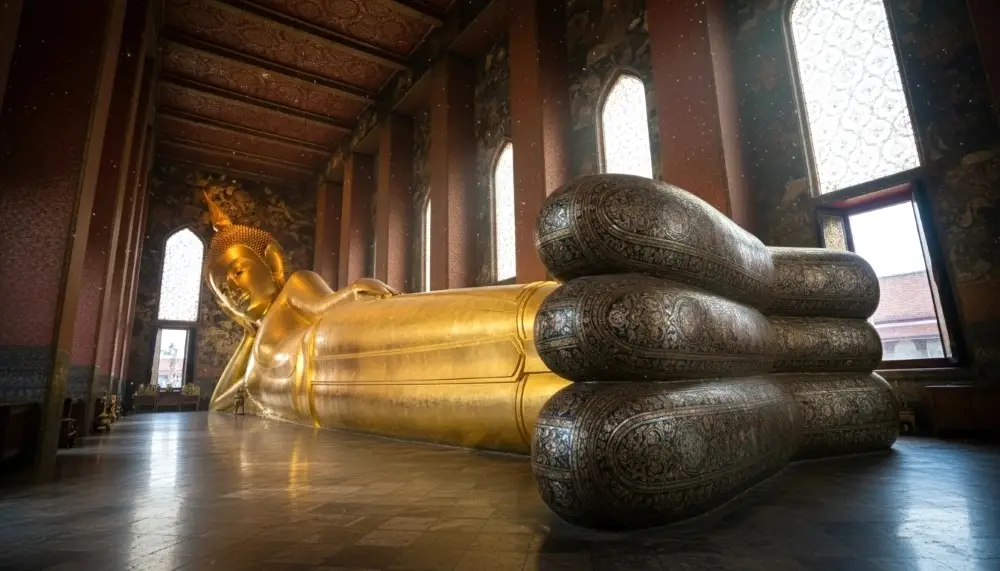
- Wat Pho – home to the enormous Reclining Buddha statue
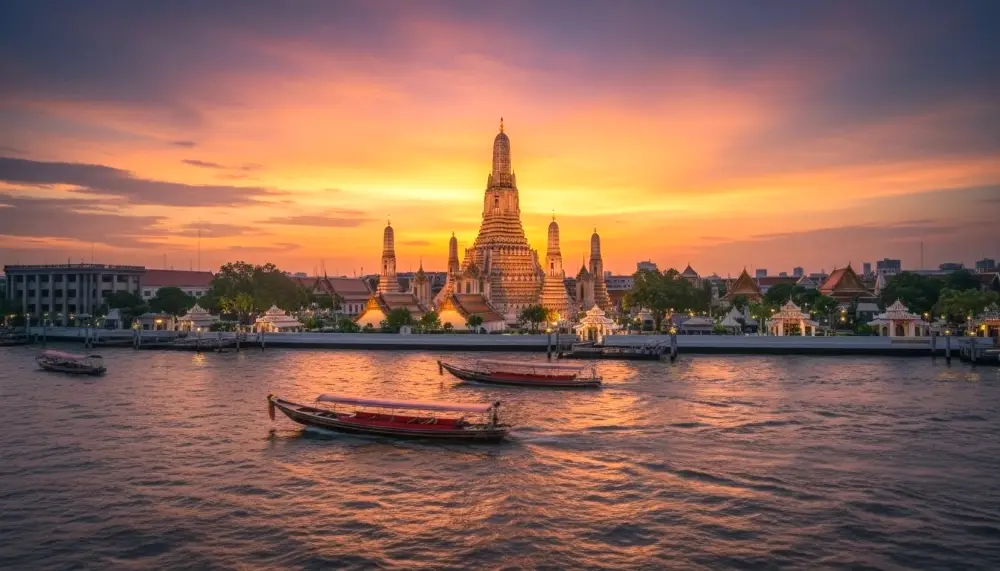
- Wat Arun – the stunning “Temple of Dawn” beside the Chao Phraya River
Navigating Thailand’s temple networks requires a strategic mix of local transport and digital tools. Early morning visits (06:00 to 08:30) allow for cooler temperatures and witnessing the morning alms. Use Grab or Bolt for transparent pricing to remote sites, or utilize the BTS Skytrain and MRT Blue Line for urban access in Bangkok.
Bangkok temple hopping is most efficient via the Chao Phraya Express Boat. For 16 THB to 30 THB, the Orange Flag boat connects the Grand Palace (Wat Phra Kaew) to the riverside splendor of Wat Arun. Avoid the ubiquitous tuk-tuk scams near major sites where drivers claim a temple is closed for a holiday; these are tactics to redirect tourists to overpriced jewelry shops. Trust the official opening hours posted at the gates.
Chiang Mai
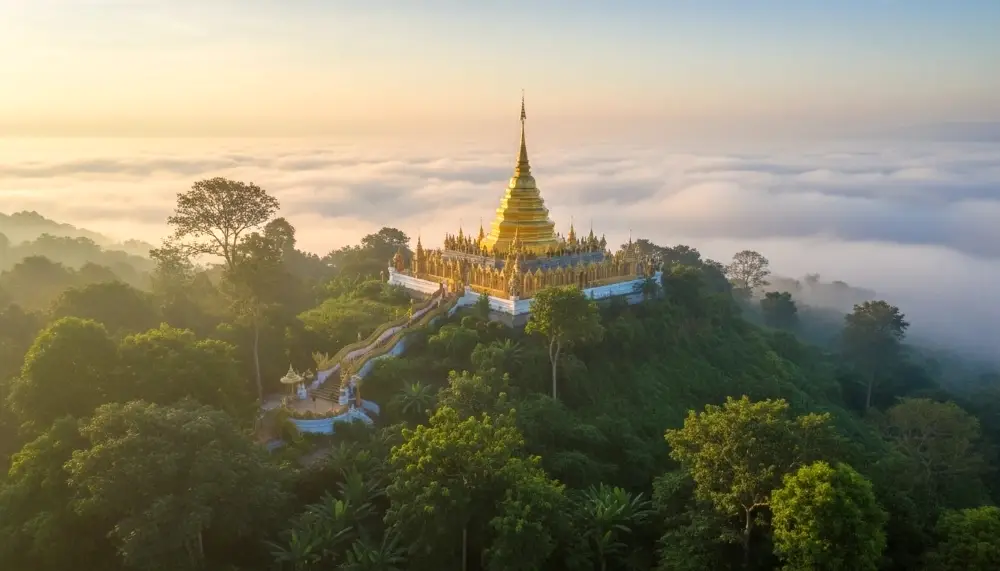
In Chiang Mai, the historic center allows for a walking tour of Wat Chedi Luang and Wat Phra Singh. For the mountaintop Wat Phra That Doi Suthep, a red Songthaew (shared truck) from the zoo entrance is the standard local choice, costing approximately 40 THB per person.
Highlights include:
- Wat Phra That Doi Suthep – a golden temple overlooking the city
- Wat Chedi Luang – a partially ruined but majestic ancient temple
- Wat Phra Singh – one of Chiang Mai’s most beautiful temples
Exploring temples in Chiang Mai often feels calmer and more relaxed than in busy Bangkok.
Southern Thailand
Even Thailand’s beach destinations have impressive temples.
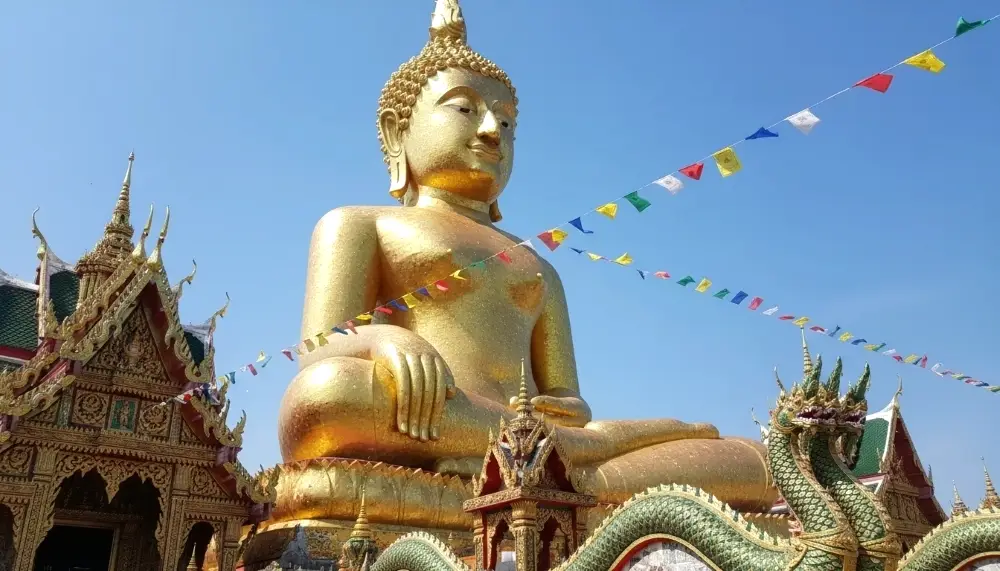
While travelers often visit the south for its islands and beaches, you’ll also find beautiful temples such as:
- The Big Buddha in Phuket
- Wat Chalong, Phuket’s most important temple
- Cliffside temples and jungle shrines across Krabi and nearby islands
Combining temples with beach exploration creates a great balance during your trip.than in busy Bangkok.
Temple Etiquette: Visiting Respectfully
Thai temples are sacred places, so visitors are expected to behave respectfully. The good news is that the rules are simple and easy to follow.
Here are a few basic guidelines:
- Dress modestly – shoulders and knees should be covered
- Remove your shoes before entering temple buildings
- Speak quietly and move calmly inside prayer halls
- Do not point your feet at Buddha statues
- Avoid touching monks, especially if you are female
Proper etiquette at Thai temples revolves around the concept of respect and body hierarchy. Visitors must wear clothing that covers shoulders and knees, speak in hushed tones, and remove footwear before entering buildings. It is essential to never point feet toward Buddha images or monks, as the feet are considered the lowest part of the body.
The atmosphere within a temple complex is one of quiet contemplation. Silence is the expected norm. When sitting before a Buddha image, use the mermaid pose, tucking the feet behind the body to ensure they never point at the altar. Avoiding physical contact with monks is a strict rule for women; if an offering must be made, it should be placed on a saffron cloth provided by the monk.
What to Expect When Visiting a Temple
Many temple complexes are peaceful places filled with small details worth noticing. You might hear bells ringing, smell incense in the air, or see locals placing lotus flowers in front of statues.
Some temples have entrance fees, particularly in popular tourist areas. These fees usually help maintain the historic buildings.
You’ll also often find:
- Small donation boxes
- Vendors selling incense or flowers for offerings
- Monks quietly walking through the grounds
- Cats relaxing in the shade
Tipping at temples is not mandatory, but making a small merit donation of 20 THB to 100 THB in the designated boxes helps with the upkeep of the grounds. While photography is generally permitted, always look for signs indicating otherwise, especially inside the Ubosot. Avoid taking selfies with your back to the Buddha image, as this is viewed as a sign of ego over divinity.
Best Time to Visit Thai Temples
Temples can be visited year-round, but some times of day are more enjoyable than others.
Early morning is often the best time to explore. The air is cooler, crowds are smaller, and you may witness monks performing daily rituals.
Late afternoon can also be beautiful, especially at temples with sunset views or riverfront locations.
If you’re visiting famous temples in Bangkok, arriving early can make a big difference in avoiding crowds.
For First-Time Travelers: Don’t Feel Nervous
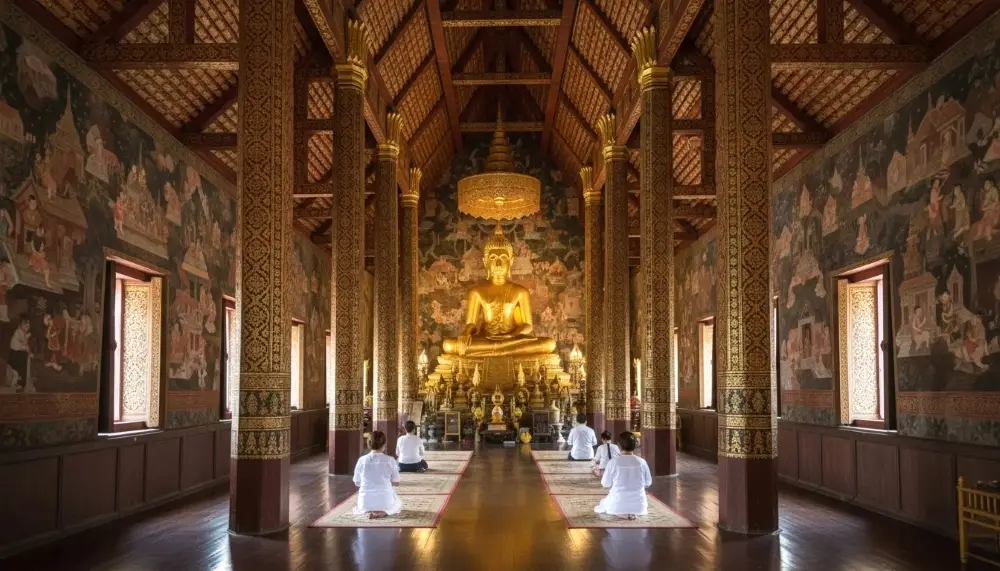
If you’ve never visited a Buddhist temple before, it’s completely normal to feel unsure about what to do.
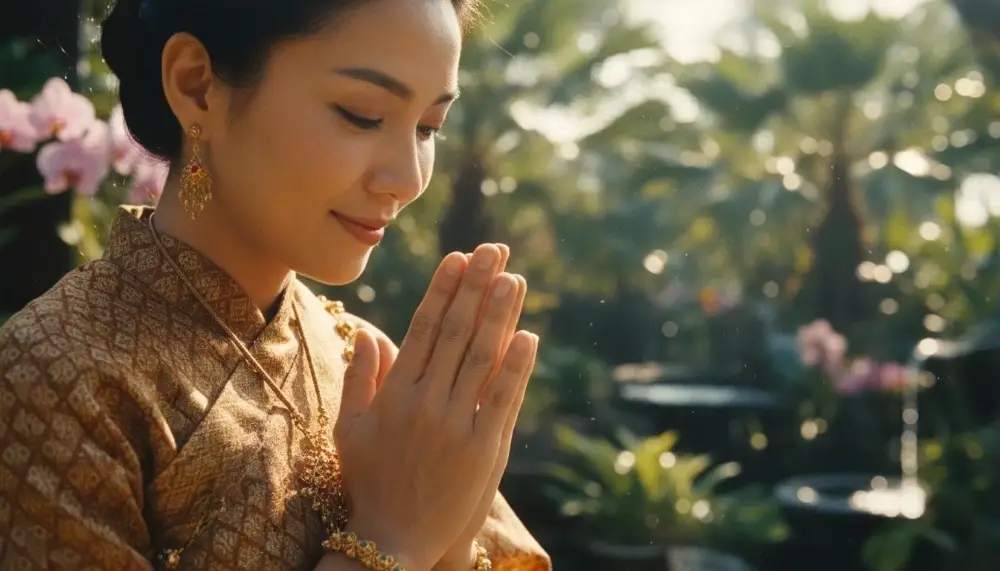
The truth is that Thai temples are very welcoming places, and visitors from around the world explore them every day. As long as you dress respectfully and behave politely, you’ll be perfectly fine.
Most people quickly find that temples are some of the calmest and most peaceful places in Thailand.
Many travelers who initially feel unsure end up loving temple visits so much that they start seeking them out in every city they visit.
Pro Tips:
Apps: Grab and Bolt provide reliable car and motorbike bookings. Agoda and Booking.com offer the widest selection of heritage stays near temple districts.
Connectivity: Ensure a stable connection with Yesim or a local SIM to use Google Maps for navigation. A Nord VPN is recommended for secure browsing on public Wi-Fi networks.
Money: While entry fees at Wat Pho or the Grand Palace accept credit cards, smaller regional temples are strictly cash-only in Thai Baht (THB).
Currency Note: Large denominations (1,000 THB) are often difficult for small vendors to change; keep 50 THB and 100 THB notes for entrance fees and snacks.
Final Thoughts: Discover the Soul of Thailand
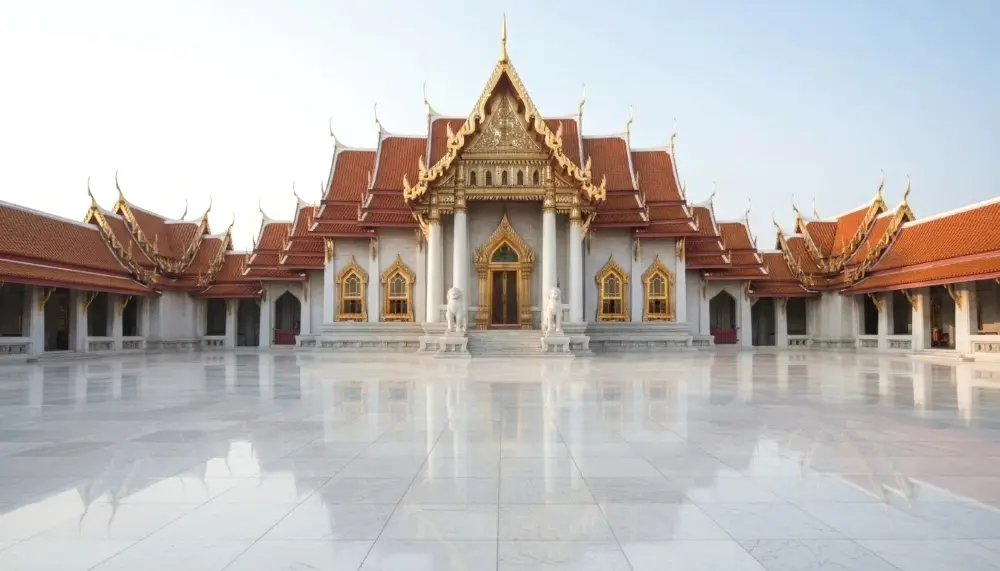
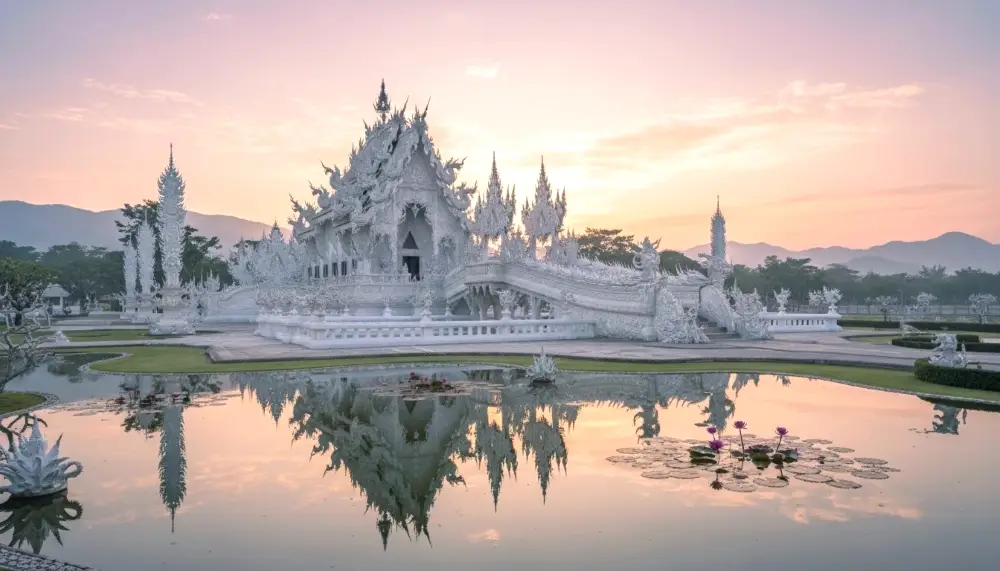
Thailand’s temples are some of the most fascinating places you’ll visit anywhere in the world. They combine history, art, religion, and community life in a way that few other landmarks can match.
From the glittering temples of Bangkok to the mountain sanctuaries of Chiang Mai and the peaceful shrines hidden across the southern islands, each temple tells a story.
For first-time visitors, exploring these sacred spaces offers a deeper connection to Thailand beyond beaches and nightlife.
Take your time, wander respectfully, and let curiosity guide you, because discovering Thailand’s temples is truly one of the most rewarding adventures the country has to offer.
FAQ: Common Temple Questions
What is the best time of day to visit Thai temples?
Arriving at 06:00 allows you to witness the monks’ morning chanting and avoid the midday heat and heavy tour groups that arrive after 09:00.
Are there entry fees for Thai temples?
Most local village temples are free. Major historical sites like Wat Arun (100 THB) or the Grand Palace (500 THB) require paid tickets for international visitors.
Can I wear sandals to a temple?
Yes, sandals and flip-flops are practical because shoes must be removed frequently. However, ensure the rest of your outfit meets the modesty requirements.
What does “Plus Plus” mean on bills near tourist sites?
Near major landmarks, cafes may list prices as 200++, meaning 10% service charge and 7% VAT are not yet included in the displayed price.
Continue Planning Your Trip