How To Get Around Thailand
This site contains affiliate links. We may earn a commission at no extra cost to you.
The good news is that traveling around Thailand is surprisingly easy, affordable, and often part of the adventure itself. Whether you’re hopping on a colorful tuk-tuk in Bangkok, catching a sleeper train to the north, or flying down to the islands, the country has an excellent mix of transportation options for every type of traveler.
This guide will walk you through the main ways to get around Thailand so you can plan your trip with confidence.
Quick Answer:
If you’re visiting Thailand for the first time, you’ll likely use a combination of transportation options.
The most common ways travelers move around the country include:
- TDAC Mandatory: All arrivals must complete the Thailand Digital Arrival Card (TDAC) online at least 3 days prior to entry.
- Cashless Transition: Download an eSIM app, to use PromptPay QR codes are now the primary payment method; use apps like Grab or KBank for seamless transport transactions.
- Booking Windows: Secure 1st Class Sleeper trains and VIP buses at least 14–21 days in advance via the D-Ticket system or official providers.
- Budgeting: Local buses cost as little as 20 THB while first-class overnight trains range from 1,200 to 1,600 THB.
- Digital Tools: Download State Railway of Thailand (SRT) D-Ticket and Grab for seamless booking and navigation.
- Regional Logic: Use trains for North-South corridors, buses for mountain routes like Mae Hong Son, and ferries for the Gulf or Andaman.

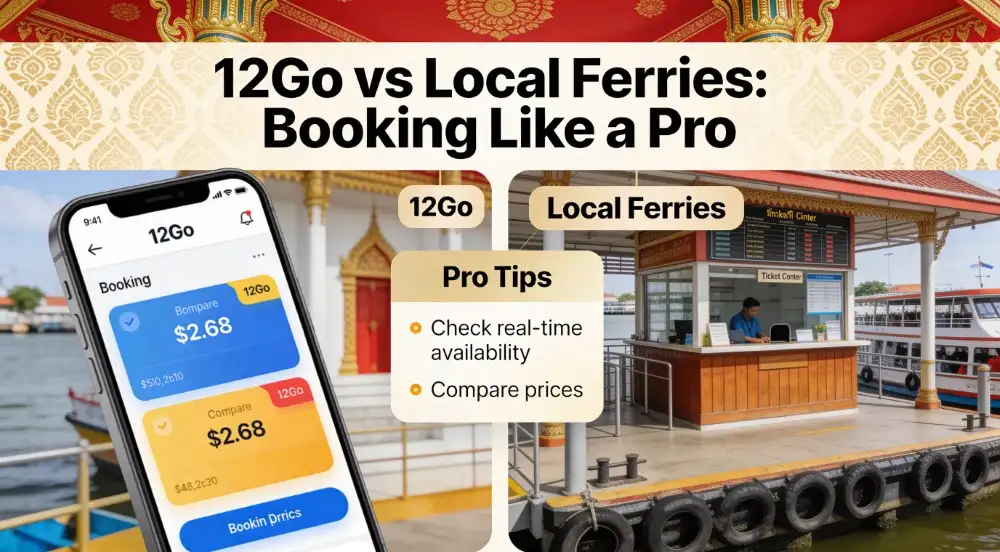
Travel with confidence. Book your trains, taxis, ferries, and transfers
through trusted platforms so you know exactly what you’re paying,
no surprises, no pressure, no scams. With 12Go, you get transparent
pricing, verified operators, and a smooth journey from start to finish.
Getting Around Bangkok:
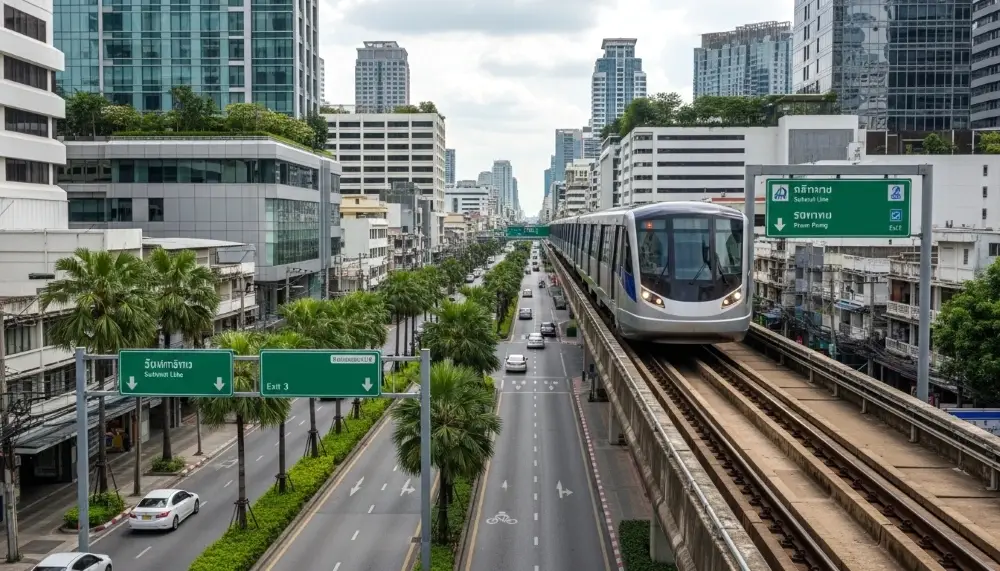
Bangkok is usually the first stop for international visitors, and while the city is massive, getting around is easier than you might expect.
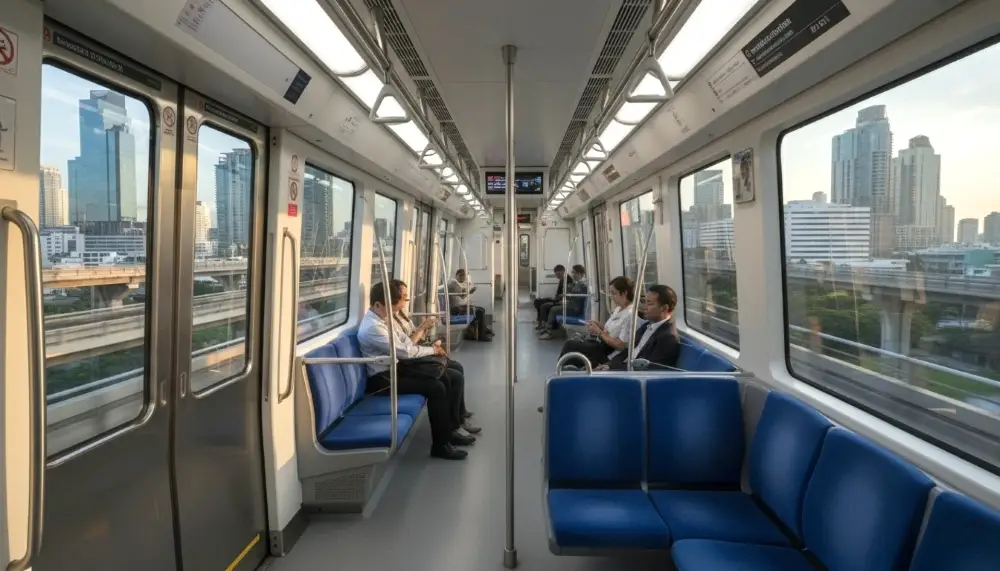
BTS Skytrain and MRT Subway
These modern rail systems are the fastest way to avoid Bangkok’s famous traffic. They connect many major areas including shopping districts, markets, and popular attractions.
Taxis and Ride Apps
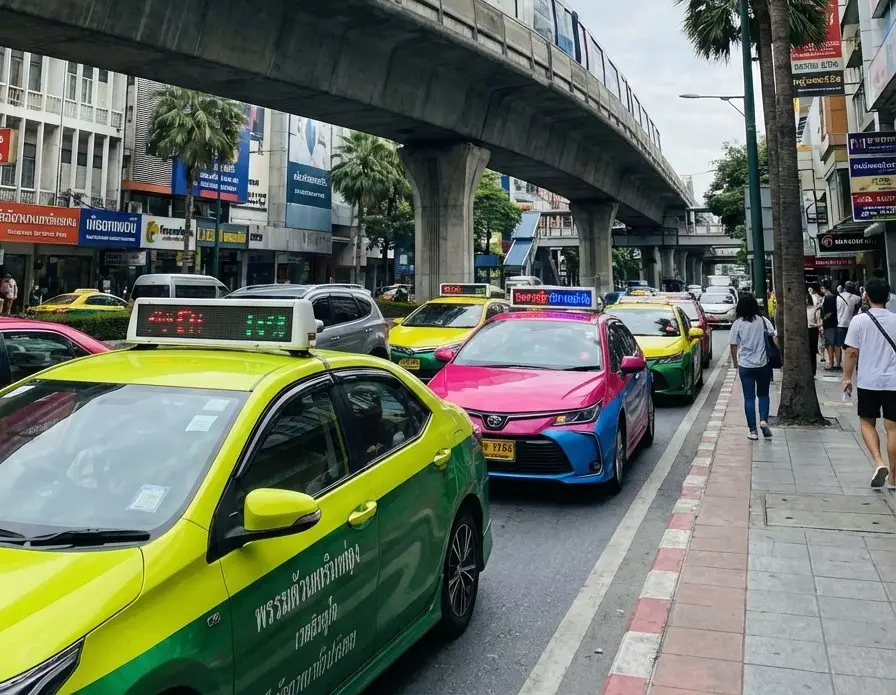
Metered taxis are everywhere and generally inexpensive. Ride apps like Grab are also widely used and remove the need to negotiate prices.
Tuk-Tuks
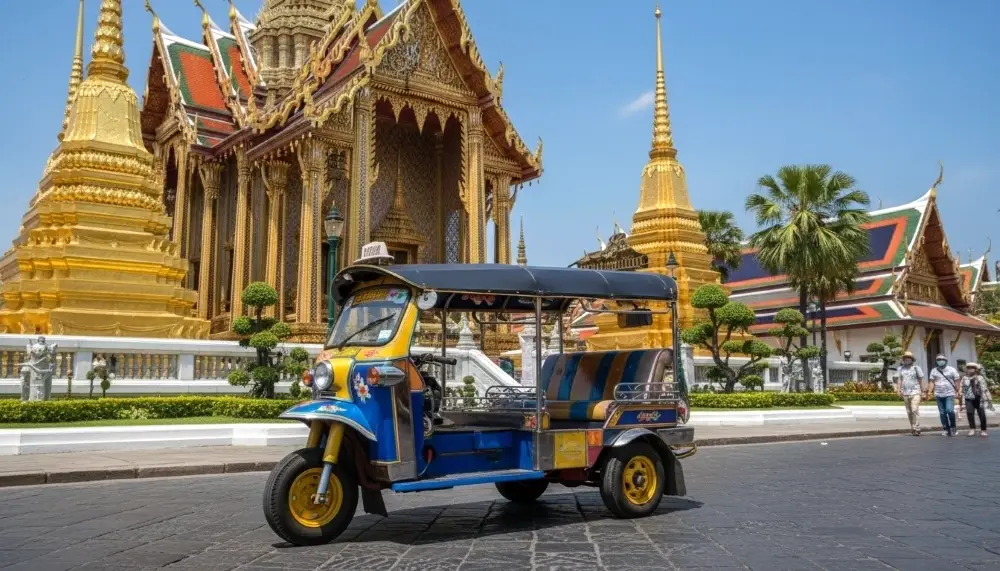
Tuk-tuks are iconic three-wheeled vehicles that have become a symbol of Thailand. They’re fun for short rides, though they’re usually more about the experience than the cheapest option.
River Boats
The Chao Phraya River runs through the heart of the city, and public river boats are a surprisingly scenic way to reach famous temples and historic districts.
Navigation By Train:
| Transport Type | Average Cost (THB) | Best For | Speed/Comfort Level |
|---|---|---|---|
| First Class Sleeper Train | 1,200 – 1,650 | Long Distance (Chiang Mai/Surat Thani) | High Comfort / Slow Speed |
| VIP 24-Seater Bus | 600 – 950 | Inter-city / Mountainous Regions | Medium Comfort / Fast Speed |
| High-Speed Ferry | 450 – 1,100 | Island Hopping (Koh Samui/Koh Lipe) | Low Comfort / High Speed |
Traveling Between Cities:
Thailand is a long country stretching over 1,500 kilometers from north to south, but getting between destinations is straightforward.
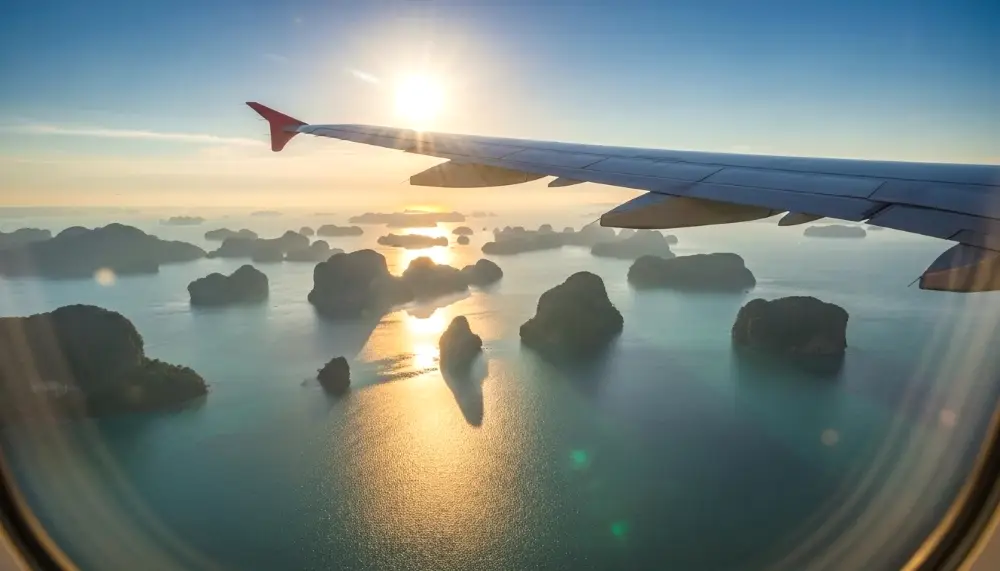
Domestic Flights
Flying is the fastest option for covering long distances.
Popular routes include:
- Bangkok to Chiang Mai
- Bangkok to Phuket
- Bangkok to Krabi
- Bangkok to Koh Samui
Thailand has several low-cost airlines, which means flights are often surprisingly affordable if booked in advance.
Long-Distance Buses
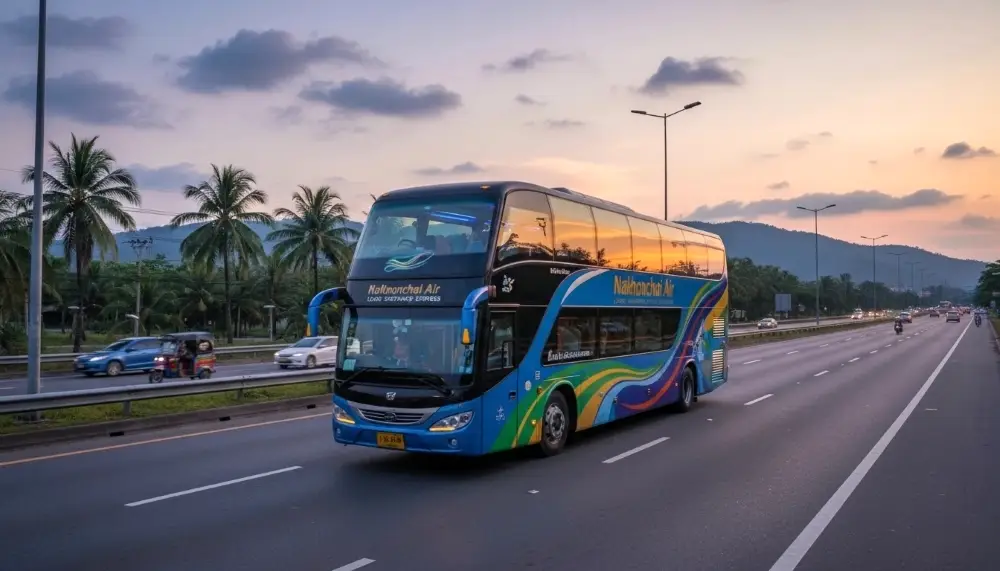
The bus network is the most comprehensive transit system in Thailand, reaching every district (Amphoe) in the country. Government-run Transport Co. buses (999) operate out of three main terminals in Bangkok: Mo Chit (North), Sai Tai Mai (South), and Ekkamai (East), offering tiered service levels.
While trains offer romance, buses offer precision. The VIP 24-seater coaches are the “Business Class” of the road. These vehicles feature reclining massage seats and onboard snacks. For the Mae Hong Son Loop, these buses are the only reliable way to navigate the 1,864 hairpin turns with professional drivers who understand the mountain topography better than any tourist.
Minivans operate as the frantic connective tissue of the provinces. They are faster than large buses but often cramped. Use them for shorter hops like Bangkok to Kanchanaburi or Phuket to Krabi. Always locate the nearest “Bus Station” (Sathani Khon Song) rather than relying on hotel pickups, which often include a “commission” markup that inflates the price.
Reaching Famous Islands:
Thailand’s southern islands are one of the country’s biggest draws. Places like Phuket, Koh Phi Phi, and Koh Samui attract millions of travelers every year.
Getting there typically involves a combination of transportation.
Common routes include:
- Flight to a coastal city + ferry
- Train or bus to the south + ferry
- Direct flight to an island airport
For example, travelers often fly from Bangkok to Surat Thani and then take a ferry to islands like Koh Tao or Koh Phangan.
Ferries and speedboats run frequently and are well organized, especially in popular tourist areas.

Getting Around Cities and Towns:
Once you arrive at your destination, you’ll find plenty of local transportation options.
Common choices include:
Songthaews
These shared pickup trucks with bench seating in the back operate like informal buses in many towns and cities.
Motorbike Taxis
Motorbike taxis are fast, cheap, and ideal for short distances. Drivers wear colored vests and wait at street corners.
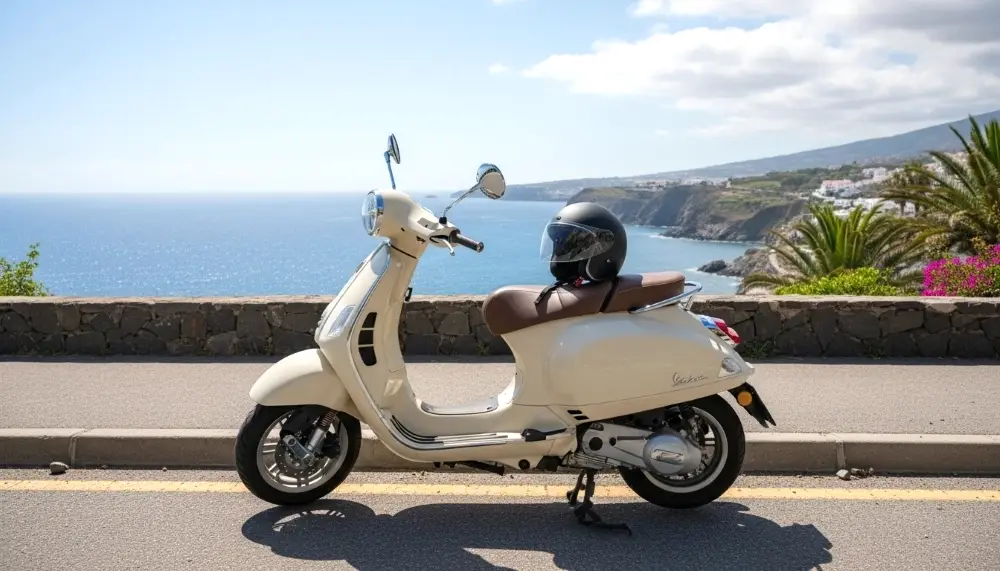
Scooter Rentals
Renting a scooter is popular in places like Chiang Mai and many islands. It gives travelers the freedom to explore beaches, viewpoints, and countryside areas at their own pace.
If you choose to rent a scooter, always wear a helmet and drive cautiously, and please don’t forget about travel insurance!
Travel Tips For First-Timers:
Transport Booking: 12Go.Asia and Baolau are the most reliable aggregators for train and bus tickets.
Ride-Hailing: Grab is the dominant force, but Bolt often offers lower rates in Bangkok and Phuket. InDrive is useful for bargaining long-distance private transfers.
Accommodation: Agoda remains the regional leader with the best “Secret Deals,” while Booking.com is preferred for its flexible cancellation policies.
Connectivity: Yesim or local SIMs from AIS provide the best coverage in remote islands.
Navigation & Safety: Google Maps is highly accurate for Bangkok’s Blue Line and Purple Line trains. Use Nord VPN to access home streaming services during long layovers.
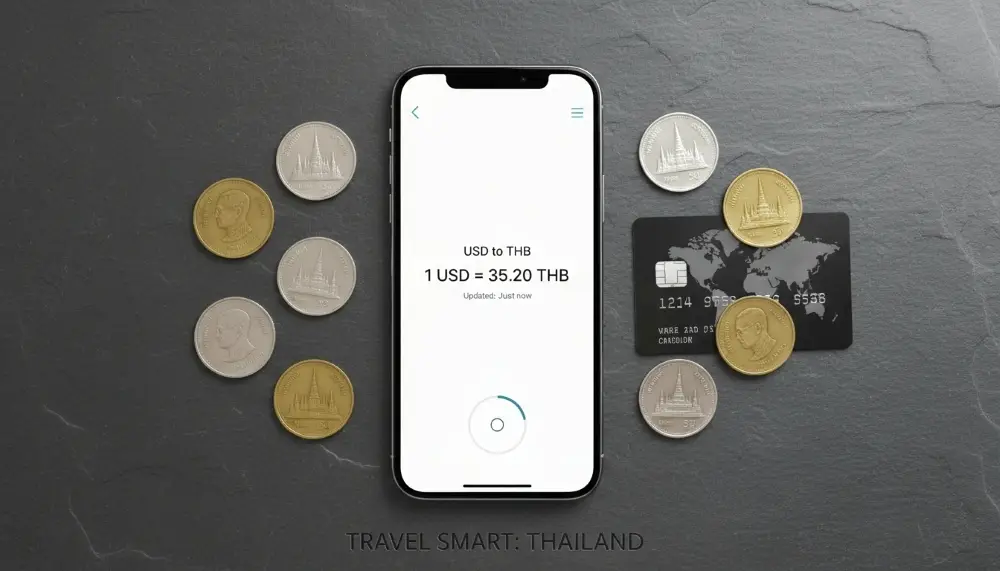
Financials: The Thai Baht (THB) is the only currency accepted. ATMs charge a flat 220 THB fee for foreign cards; withdraw the maximum amount (usually 20,000–30,000 THB) to minimize costs.
For Nervous First-Timers:
If this is your first time traveling in Southeast Asia, it’s completely normal to feel a little unsure about how everything works.
Thailand is one of the most beginner-friendly countries in the world for travelers.
Transportation is well established, tourism is a huge part of the economy, and locals are generally welcoming and helpful. In major destinations, English is widely understood in hotels, stations, and travel agencies.
Many visitors arrive feeling nervous and leave wondering why they ever worried in the first place.
Travel with confidence. Book your trains, taxis, ferries, and transfers
through trusted platforms so you know exactly what you’re paying,
no surprises, no pressure, no scams. With 12Go, you get transparent
pricing, verified operators, and a smooth journey from start to finish.
The Journey Is The Adventure:
One of the most beautiful parts of traveling in Thailand is that the journey itself becomes part of the experience.
You might find yourself watching sunrise from a sleeper train window, cruising past golden temples on a river boat, or bouncing through a lively street in a tuk-tuk surrounded by the sounds and smells of the city.
Every ride adds another memory to your trip.
Thailand is a country that rewards curiosity and exploration. With so many easy ways to travel between cities, mountains, jungles, and islands, you’re free to create an adventure that’s completely your own.
So pack light, stay flexible, and enjoy the ride. Thailand is waiting.
What is the best way to travel between cities in Thailand?
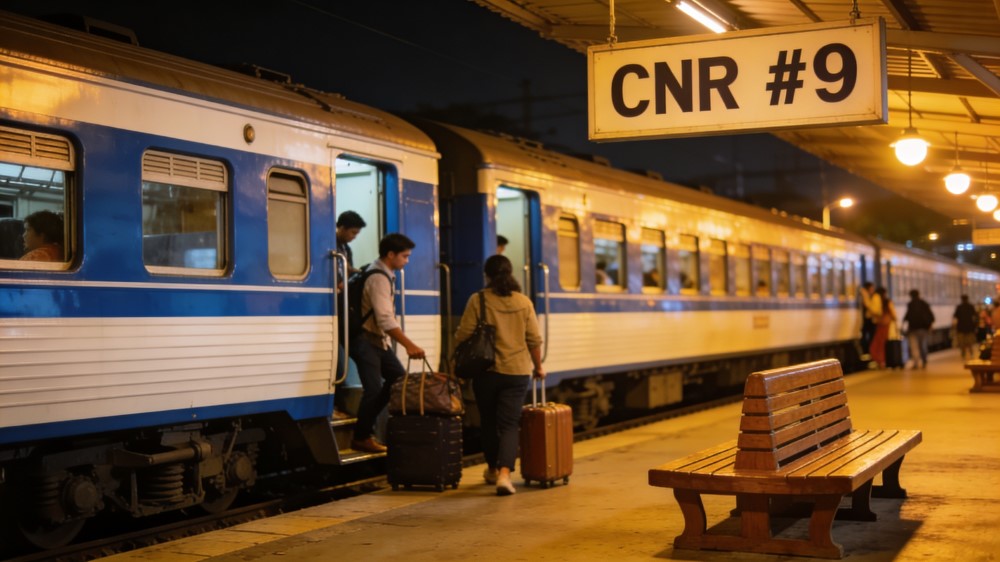
Domestic flights are the fastest and often very affordable via carriers like Thai AirAsia or Bangkok Airways. For a more scenic and sustainable 2026 experience, the SRT sleeper trains (especially the #9 or #10 “Special Express” cars) are excellent for the Bangkok-Chiang Mai route. Always book train tickets 30 days in advance as they sell out quickly.
How do I book ferries and buses in Thailand?
The most reliable way to book intercity buses and island ferries in 2026 is through 12Go Asia. They provide e-tickets and clear departure instructions for major routes like Phuket to Phi Phi or Bangkok to Kanchanaburi. Avoid booking “VIP” buses from unauthorized agents on Khao San Road to avoid scams and delays.
Is it safe to rent a scooter in Thailand in 2026?
Scooter rentals are popular but come with risks. You must have a valid International Driving Permit (IDP) and a motorcycle endorsement from your home country to be legal. Police checkpoints are frequent in Phuket and Chiang Mai in 2026, with fines ranging from ฿1,000 to ฿5,000 for riding without a helmet or proper license.
How do I get from Suvarnabhumi Airport to central Bangkok?
The Airport Rail Link (ARL) is the most efficient method. It costs 45 THB and connects to the Phaya Thai BTS station in approximately 30 minutes, bypassing the notorious Sukhumvit traffic.
Can I take a pet on Thai trains?
Pets are generally permitted only on non-air-conditioned 3rd-class carriages. A small fee based on the weight of the pet is paid at the cargo office before boarding.
What is the “DTV” visa I keep hearing about?
The Destination Thailand Visa (DTV) is a 2024 initiative for remote workers, digital nomads, and those engaged in cultural activities. It allows for a stay of up to 180 days per entry, renewable for five years.
Continue Planning Your Trip