Thailand Digital Nomad Visa
A New Way to Experience Thailand
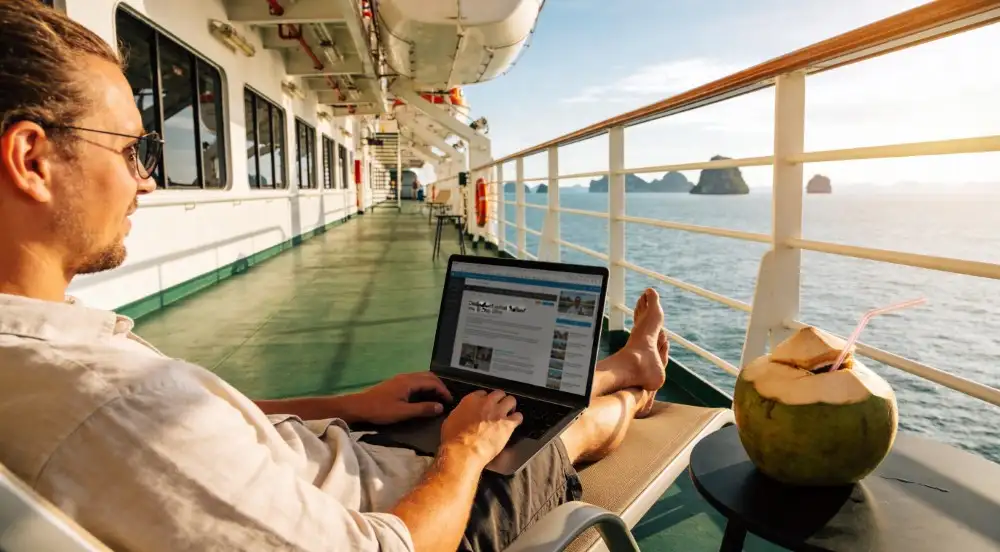
Thailand has become one of the most popular places in the world for remote workers and digital nomads. The country offers an exciting mix of modern cities, relaxed island living, fast internet, and a cost of living that is often far lower than Western countries.
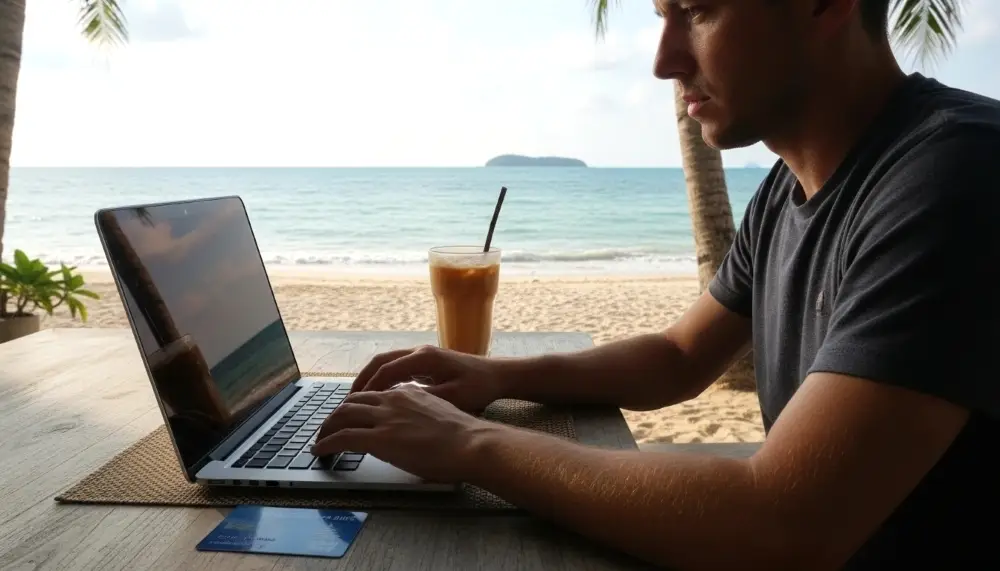
If you’ve ever imagined answering emails from a beach café or working from a stylish co-working space in Bangkok, Thailand’s Digital Nomad Visa might make that possible.
The Quick Summary:
Thailand now offers long-stay visa options designed for remote workers and professionals who want to live in the country while working online.
Often referred to as the Digital Nomad Visa, the most relevant option currently is the Destination Thailand Visa (DTV) or other long-stay visas that allow remote workers to legally remain in the country for extended periods.
In simple terms, these visas allow remote workers to:
- Stay in Thailand for long periods (often months or years)
- Work remotely for companies outside Thailand
- Enjoy the country without needing to constantly leave and re-enter
For many travelers, it opens the door to turning a short holiday into a life-changing adventure.

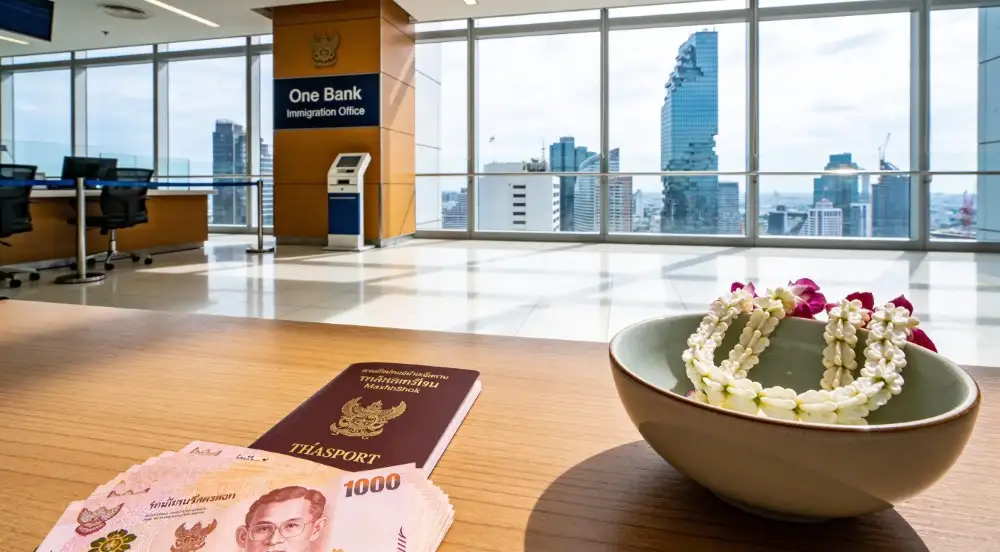
The Golden Ticket: A 5-year multiple-entry visa allowing stays of 180 days per entry, extendable once for another 180 days.
Financial Requirements: Applicants must provide proof of funds totaling at least 500,000 THB in a bank statement covering the last 3 to 6 months.
Work & Play: Designed for remote workers, freelancers, and participants in “Soft Power” activities such as Muay Thai, cooking schools, or medical treatments.
The Cost of Entry: A government processing fee of 10,000 THB (standard), though some embassies vary slightly.
Applying: Applications must be submitted from outside Thailand via the official e-visa portal or a Thai embassy/consulate.
Long-Stay Option:
| Feature | Destination Thailand Visa (DTV) | Long-Term Resident (LTR) | Thailand Privilege |
|---|---|---|---|
| Visa Fee | 10,000 THB | 50,000 THB | 900,000 THB+ |
| Bank Requirement | 500,000 THB (Balance) | $80,000 USD (Annual Income) | None |
| Validity | 5 Years | 10 Years | 5 to 20 Years |
Why Thailand Is So Popular?
Thailand has quietly become one of the global hubs for remote workers. The reasons are easy to understand once you arrive.
First, the cost of living can be remarkably affordable compared to Europe, North America, or Australia. Comfortable apartments, excellent food, and transportation often cost far less than many visitors expect.
Second, the infrastructure is excellent. Major cities offer:
- High-speed internet
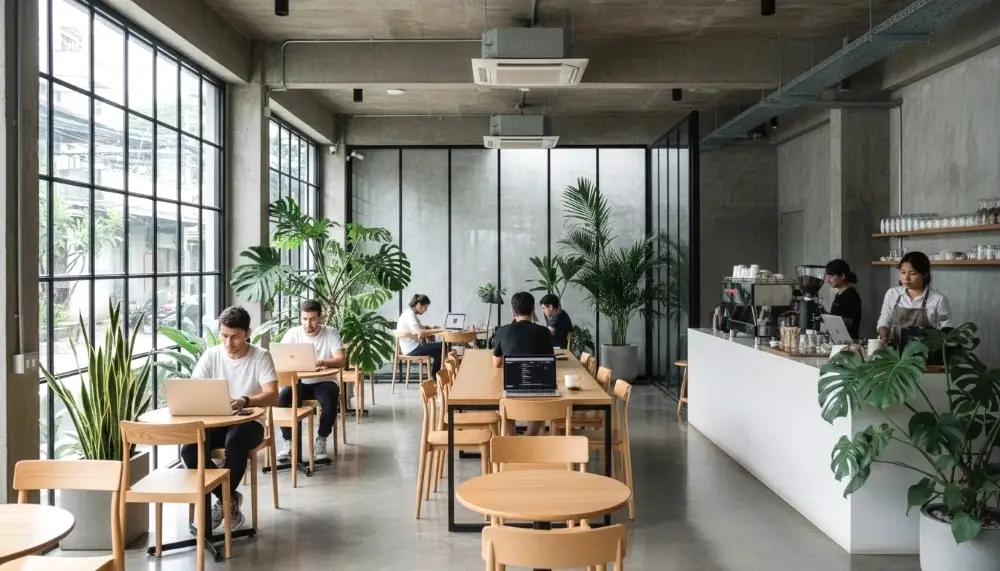
- Modern coworking spaces
- International airports
- Reliable transport
- Excellent healthcare
Finally, Thailand simply offers an incredible lifestyle. One week you might be exploring temples in Bangkok, the next relaxing on a beach in the southern islands.

Where Digital Nomads Live

Bangkok
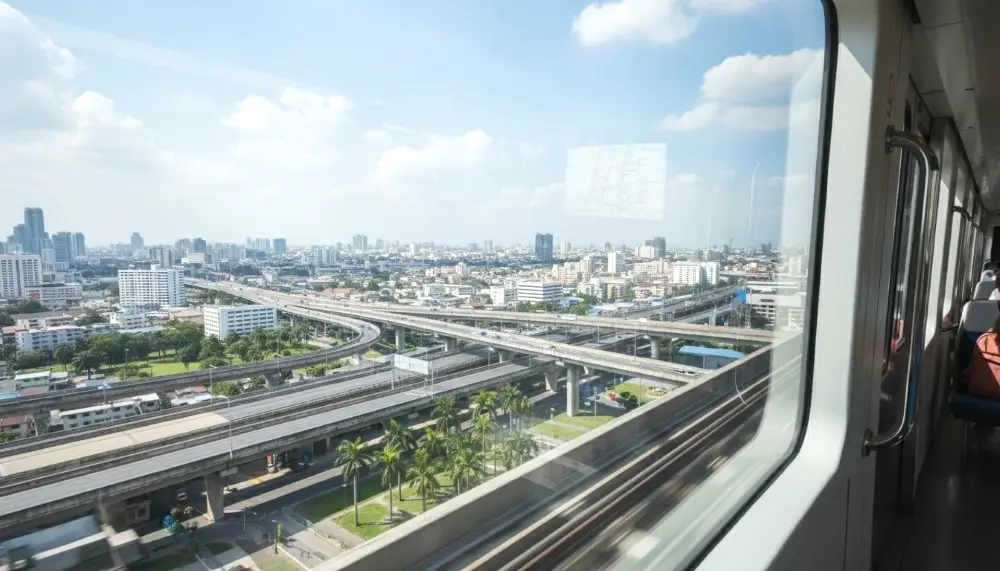
Thailand’s capital is energetic, chaotic, and endlessly fascinating.
Bangkok neighborhoods like Thong Lor and Ari are the gold standard. Thong Lor is sophisticated, filled with high-end cafes establishments that cater to a discerning crowd.
Ari, by contrast, feels more local and residential, though it is rapidly becoming a hub for boutique offices.
It’s a great place to start your Thailand journey before exploring other regions.
Chiang Mai
Chiang Mai is widely considered the digital nomad capital of Southeast Asia.
Nimmanhemin remains the nomad capital, though the savvy traveler looks toward Santitham for better value and a more authentic spirit.
You’ll find:
- Dozens of coworking spaces
- Affordable apartments
- Excellent coffee shops
- Easy access to nature and hiking
For many nomads, Chiang Mai strikes the perfect balance between productivity and lifestyle.


Southern Islands
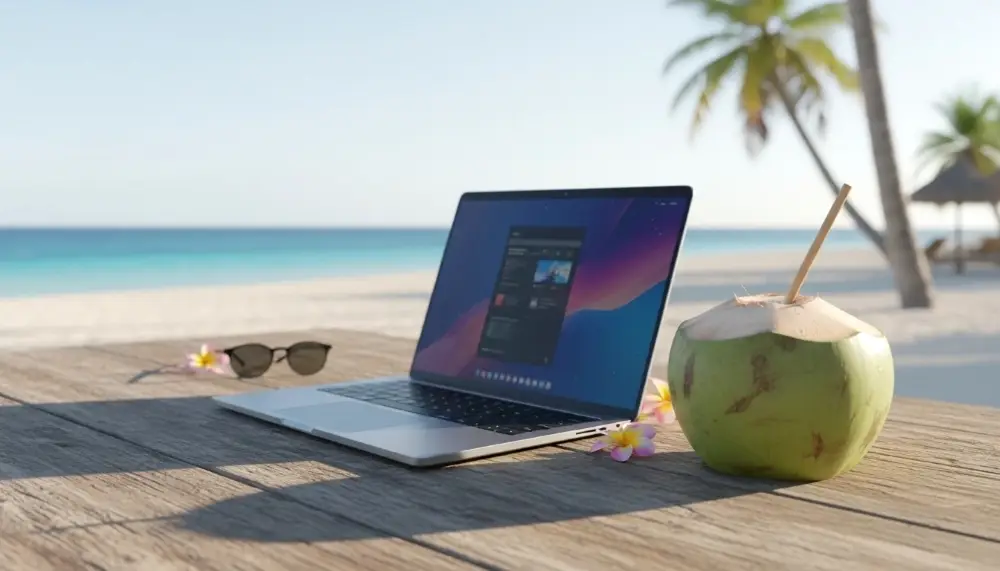
If your dream office includes ocean views, Thailand’s islands deliver.
For those looking at Phuket, the interior districts like Kathu offer a respite from the “tourist traps” of Patong, providing easier access to both the beaches and the shopping hubs of Central Floresta.
Remote workers often choose the islands for:
- Beach lifestyle
- Wellness and yoga communities
- Diving and outdoor activities
- Beautiful tropical scenery
Working remotely feels very different when the beach is five minutes away.
Who Can Apply for a Thailand Digital Nomad Visa?
The exact requirements depend on the specific visa type, but most digital nomad-style visas focus on remote workers who earn income outside Thailand.
Typical applicants include:
- Freelancers
- Remote employees
- Online business owners
- Content creators
- Consultants or contractors
In most cases, applicants must show proof of income, financial stability, or employment with a company located outside Thailand.
The goal is simple: allowing people to live in Thailand while contributing to the local economy through spending rather than competing in the local job market.
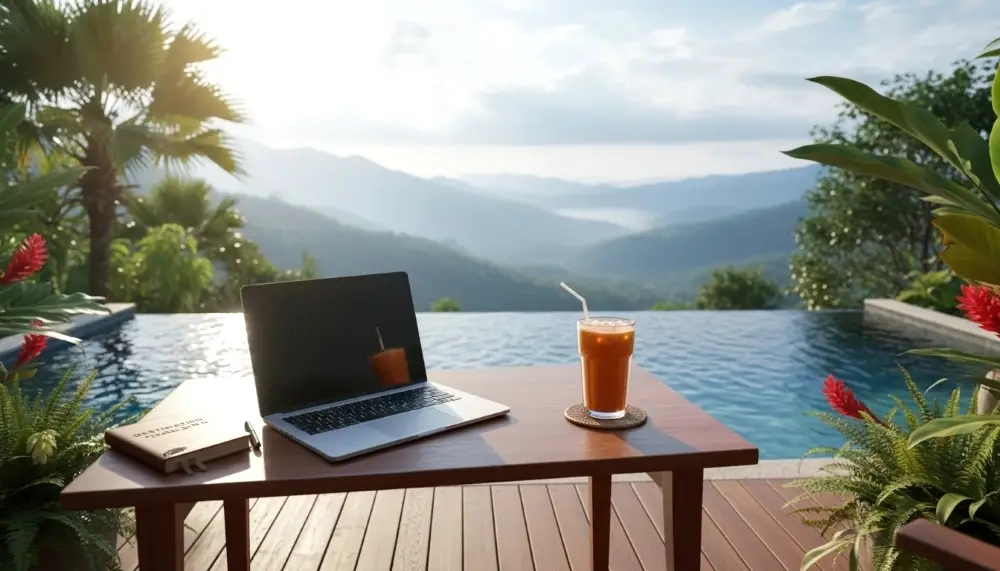
Practical Tips Before Applying
If you’re considering a long stay in Thailand, a little preparation goes a long way.
Here are a few helpful tips many travelers wish they knew earlier:
- Research visa requirements early. Rules change occasionally, so always check the latest details before applying.
- Have proof of income ready. Many applications require bank statements or employment documentation.
- Plan your accommodation. Some visa applications ask for an address or temporary residence.
- Consider travel insurance. Long stays abroad make good insurance essential.
- Learn basic Thai phrases. Even a few words can make daily life easier and more enjoyable.
Taking these small steps early helps make the process much smoother.
Understanding Thai Culture as a Long-Term Visitor
Living in Thailand is not just about beautiful scenery, it’s also about understanding the culture.
Thai society places strong value on politeness, respect, and calm behavior. Visitors who show patience and kindness are usually met with the same warmth in return.
A few cultural tips that help new arrivals:
- Remove shoes before entering homes and many small businesses
- Dress modestly when visiting temples
- Avoid raising your voice in public
- Smile often, it’s part of everyday life in Thailand
The famous “Land of Smiles” reputation is very real, and many long-term visitors say it’s one of the things they love most about living here.
Is Thailand Safe for First-Time Travelers?

For many people, the idea of living in a new country can feel intimidating at first. The good news is that Thailand is widely considered one of the safest and most welcoming destinations in Southeast Asia.
Millions of visitors arrive every year, including solo travelers and first-time international explorers.
Most newcomers quickly discover that:
- Locals are extremely helpful
- Tourist infrastructure is well developed
- English is commonly spoken in travel areas
- Getting around is surprisingly easy
Once you settle in, daily life often feels far simpler than expected.
Turning a Vacation Into an Adventure
One of the magical things about Thailand is how quickly it captures people’s hearts.
What begins as a two-week holiday can turn into a two-month stay. For some, it eventually becomes a remote-work lifestyle that blends productivity with exploration.
You might spend your mornings working from a café, your afternoons exploring temples, and your weekends island hopping or discovering hidden national parks.
Few places in the world make that balance feel so natural.

Pro Tips:

Grab & Bolt: Essential for getting to and from the piers without overpaying. Bolt is often 20% cheaper in Phuket, while Grab is more reliable in Koh Samui.
Yesim or Saily: Secure an eSIM before landing. Having 5G signal while crossing from Krabi to Koh Lanta allows for real-time tracking of the ferry’s progress.
Klook & Get Your Guide: Use these for the “day trip” ferries where snorkeling gear and lunch are included.
Nord VPN: Vital for booking through 12Go or Agoda on public pier Wi-Fi to protect financial data.
Currency (THB): Always keep 500 THB in small notes (20s and 100s). Many smaller piers in islands like Koh Kood do not accept cards for the mandatory cleaning fees.
Your Thailand Journey Starts Here
Whether you’re planning a short holiday or dreaming about working remotely from paradise, Thailand offers an unforgettable experience.
The Digital Nomad Visa options now available make it easier than ever for travelers to extend their stay and truly experience the country beyond the typical tourist trail.
From the electric energy of Bangkok to the peaceful mountains of Chiang Mai and the turquoise waters of the southern islands, Thailand offers endless opportunities for adventure.
And once you arrive, you may discover what so many travelers already know, leaving Thailand is often the hardest part.
FAQ: Common Search Queries
Can I apply for the DTV while inside Thailand?
No. You must apply from outside the country via a Thai Embassy or Consulate, usually through the E-Visa system. Popular regional hubs for this include Ho Chi Minh City or Vientiane.
Is the 500,000 THB bank balance “locked” or “frozen”?
The funds must be present at the time of application and extension. While the money does not need to be frozen permanently, immigration officers may request updated statements during your in-country extension at 180 days.
Does the DTV include a Work Permit?
The DTV allows you to work for foreign-based companies or clients. It does not allow you to seek employment with a Thai company or engage in work that competes with the local Thai labor market.
What is the 180-day extension process?
Before your initial 180 days expire, you visit a local Immigration Office, submit Form TM.7, and pay 1,900 THB. This grants you an additional 180 days, totaling nearly a year of stay without leaving.
Is health insurance mandatory for the DTV?
While not a formal requirement for the visa issuance itself, having comprehensive travel or expat insurance is highly recommended given the high cost of private hospitals like Bumrungrad or Samitivej.
Continue Planning Your Trip