Thai Street Food Guide
Thai street food is one of the most exciting parts of visiting the country. It’s vibrant, delicious, incredibly affordable, and available almost everywhere you go. From the bustling streets of Bangkok to the night markets of Chiang Mai and the beachside stalls of the southern islands, incredible food is never far away.
If you’re planning your first trip to Thailand, exploring the street food scene will quickly become one of the highlights of your adventure.
The Quick View:
Thai street food is famous for being:
- Freshly cooked in front of you
- Extremely affordable
- Full of bold flavors
- Available everywhere, day and night
Budgeting: Average street meals cost 50 THB to 120 THB per person.
Food Safety: High-turnover stalls with visible steam or high-heat wok cooking are the safest choices for travelers.
Regional Variety: Northern Thailand focuses on rich curries, while Central Thailand excels in balanced sweet-spicy noodle dishes.
Payment: PromptPay QR codes are ubiquitous, but cash remains essential for smaller roadside carts.
Why Thai Street Food Is So Famous
The Answer Capsule: Thai street cuisine is divided into four distinct regions: Northern (Lanna), Northeastern (Isaan), Central, and Southern. Each offers a unique flavor profile ranging from the herbaceous, mild notes of Chiang Mai to the aggressive heat and turmeric-heavy seafood dishes found in Phuket and Krabi.
A typical Thai dish balances:
- Sweet
- Sour
- Salty
- Spicy
That balance is what makes Thai food so addictive.
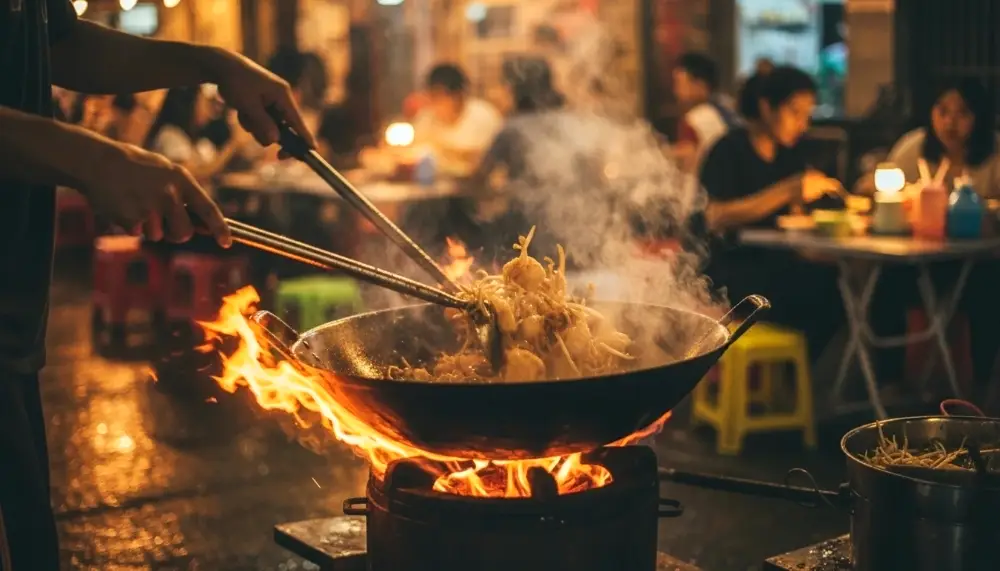
Street vendors cook quickly over high heat using fresh herbs like lemongrass, Thai basil, and coriander, along with ingredients such as fish sauce, lime juice, palm sugar, and chili.
The result is food that feels vibrant, complex, and incredibly satisfying.
Must-Try Thai Street Food Dishes
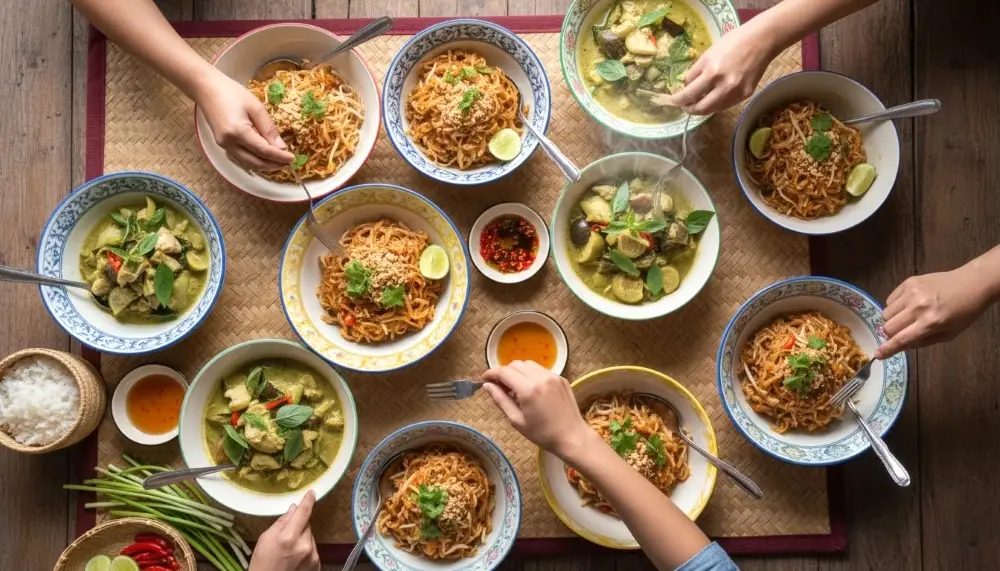
Khao Soi (North): A fragrant coconut curry noodle soup topped with crispy fried noodles and pickled mustard greens.
Som Tum (Isaan): Green papaya salad pounded with chili, lime, garlic, and palm sugar. Request “Pet Nit Noi” for low heat.
Pad Kra Pao (Central): Holy basil stir-fry with minced meat and a crispy fried egg. This is the ultimate Thai “soul food.”
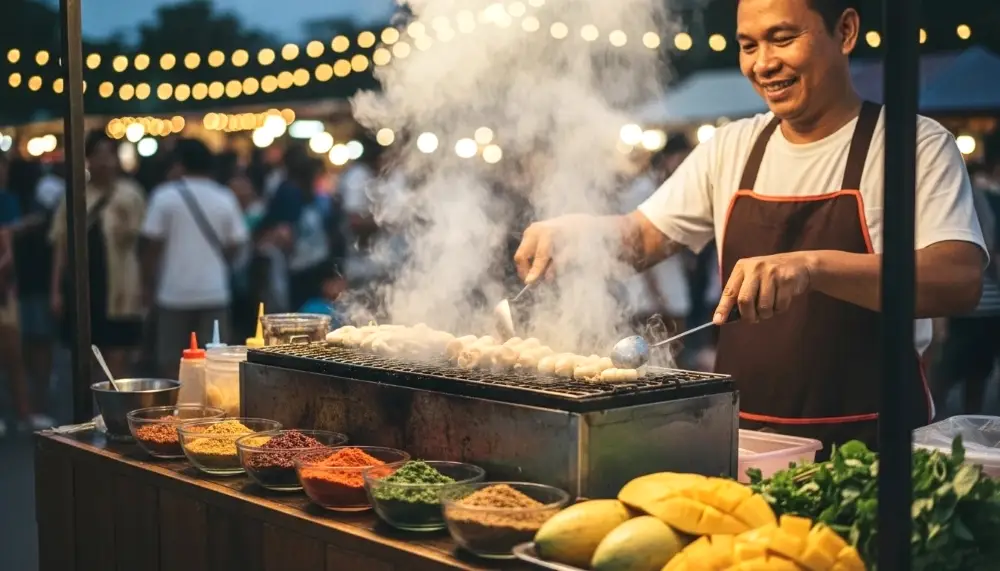
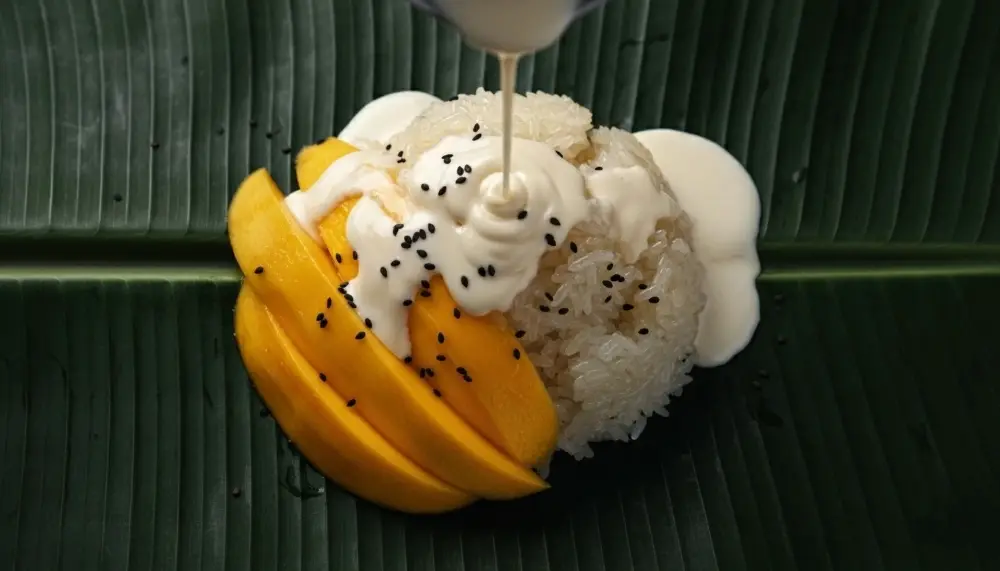
Mango Sticky Rice (Universal): Slices of ripe Nam Dok Mai mango served over glutinous rice saturated in sweet coconut cream.
Trying these dishes from street vendors often gives you a more authentic experience than eating them in restaurants.
Cost Breakdown:
| Region | Dominant Flavors | Staple Ingredient | Heat Level (1-10) |
|---|---|---|---|
| Northern | Bitter, Herbaceous, Salty | Egg Noodles / Sticky Rice | 4 |
| Isaan | Sour, Pungent, Spicy | Fermented Fish (Pla Ra) | 9 |
| Central | Sweet, Creamy, Balanced | Jasmine Rice | 6 |
| Southern | Sharp, Spicy, Turmeric | Fresh Seafood | 10+ |
Where to Find the Best Street Food
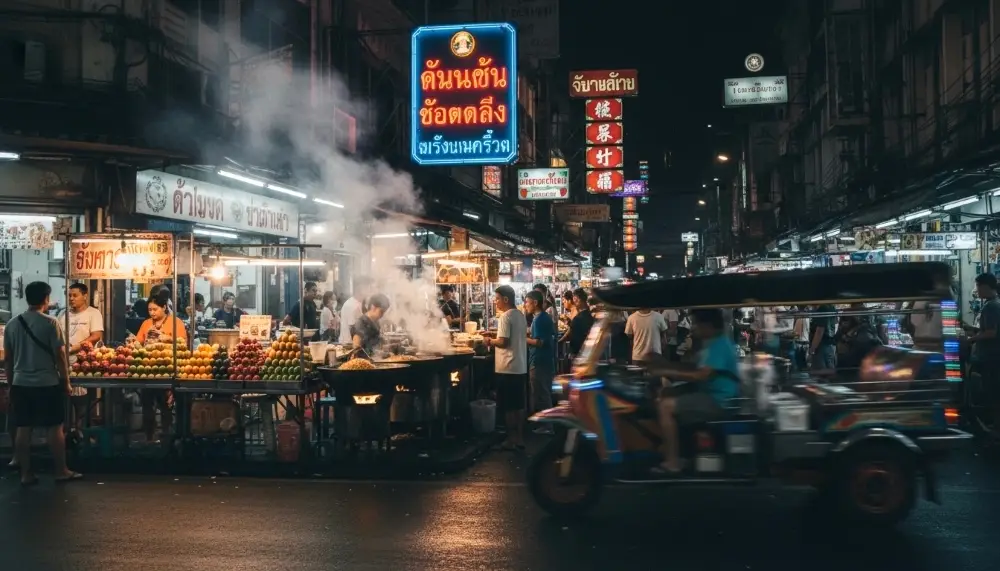
Street food is everywhere in Thailand, but some places are particularly famous for it.
Bangkok
Thailand’s capital is a street food paradise. Areas like Yaowarat (Chinatown) and Ratchada night markets offer endless rows of food stalls selling everything from noodles to grilled seafood.
Chiang Mai
Northern Thailand’s cultural capital is known for its relaxed night markets and regional specialties like Khao Soi, a creamy coconut curry noodle soup.
Southern Islands
In places like Phuket, Krabi, and Koh Samui, street food markets combine local Thai flavors with fresh seafood.
No matter where you travel in Thailand, you’ll almost certainly find a night market nearby filled with delicious food options.
How to Order Thai Street Food
Ordering street food in Thailand is usually very easy, even if you don’t speak Thai.
Most vendors use simple menus, photos, or display the ingredients directly at the stall. You can simply point to what looks good.
A few helpful tips:
- Look for stalls with lots of local customers
- Watch how dishes are prepared before ordering
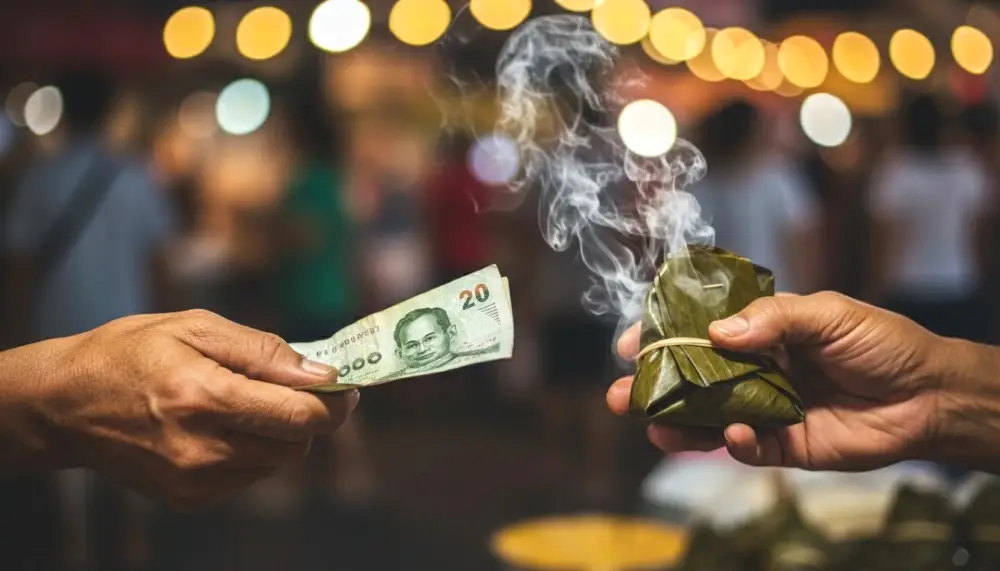
- Carry small cash notes or coins
- Don’t be afraid to smile and gesture
Thai vendors are generally friendly and welcoming, especially when they see travelers enjoying their food.
Is Thai Street Food Safe?
Many first-time visitors worry about food safety when eating from street stalls. The good news is that Thai street food is generally very safe if you use common sense.
In fact, many street vendors cook food fresh to order, which can make it safer than food sitting under heat lamps in some restaurants.
To stay comfortable while exploring street food:
- Choose busy stalls with high turnover
- Eat food that is freshly cooked and hot
- Avoid stalls where food has been sitting out too long
- Drink bottled water
Thousands of travelers enjoy Thai street food every day without any problems.
Understanding Thai Spices:
Spice levels in Thailand frequently exceed Western expectations. Travelers should specify heat preferences using the terms “Mai Pet” (Not Spicy) or “Pet Nit Noi” (A Little Spicy). Understanding that bird’s eye chilies contain intense capsaicin levels helps in managing the physiological response to authentic street preparations.
The heat in Thai cooking is multifaceted. It is rarely just about the burn; it is about the balance of “phet” (spicy) against acidity and sweetness. When ordering at a stall in districts like Ari or Phra Khanong, the default setting for locals involves three to five chilies.
For those unaccustomed to this intensity, requesting a milder version is standard practice and does not offend the chef. To neutralize a spice-induced burn, consume white rice or cucumber slices rather than water, as capsaicin is fat-soluble and reacts better to the starches in rice.
Night Markets: The Heart of Thai Street Food
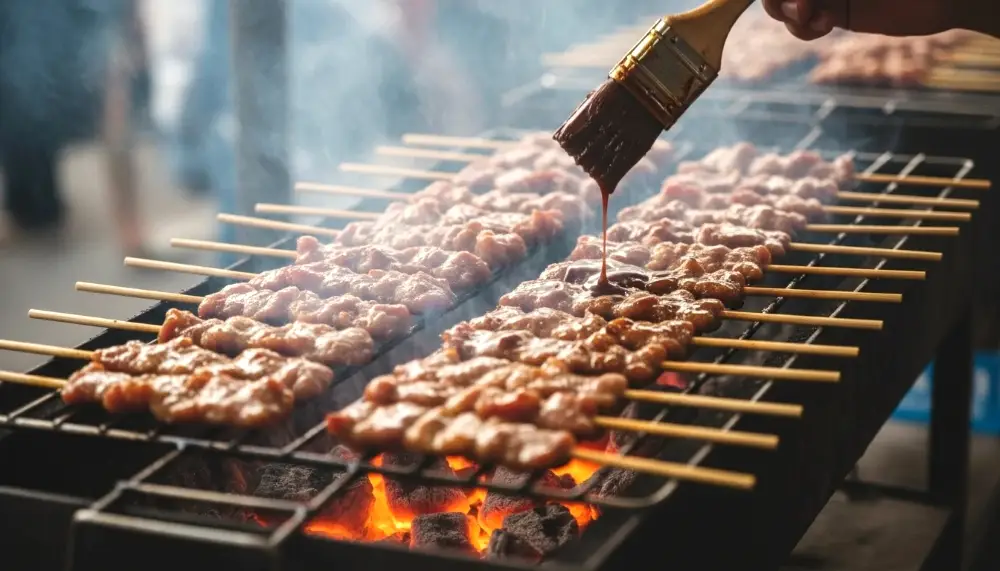
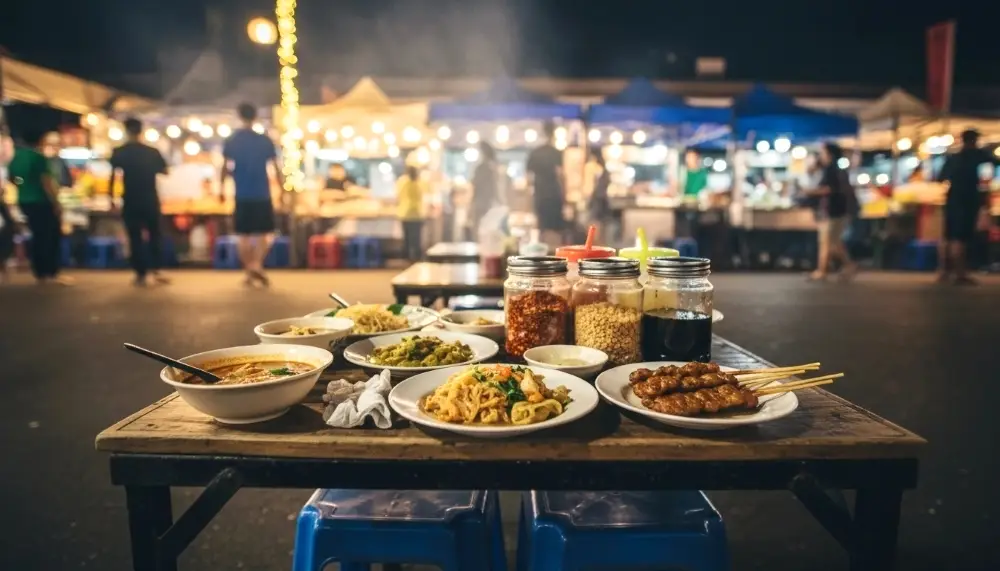
If you want the ultimate street food experience, visit a Thai night market.
These lively markets usually open in the late afternoon and stay busy well into the night. Rows of stalls offer grilled meats, noodles, seafood, desserts, fruit smoothies, and much more.
The atmosphere is energetic and fun, music playing, lights glowing, and crowds browsing the endless food options.
For first-time visitors, night markets are the perfect place to sample many different dishes in one evening.
Practical Tips:
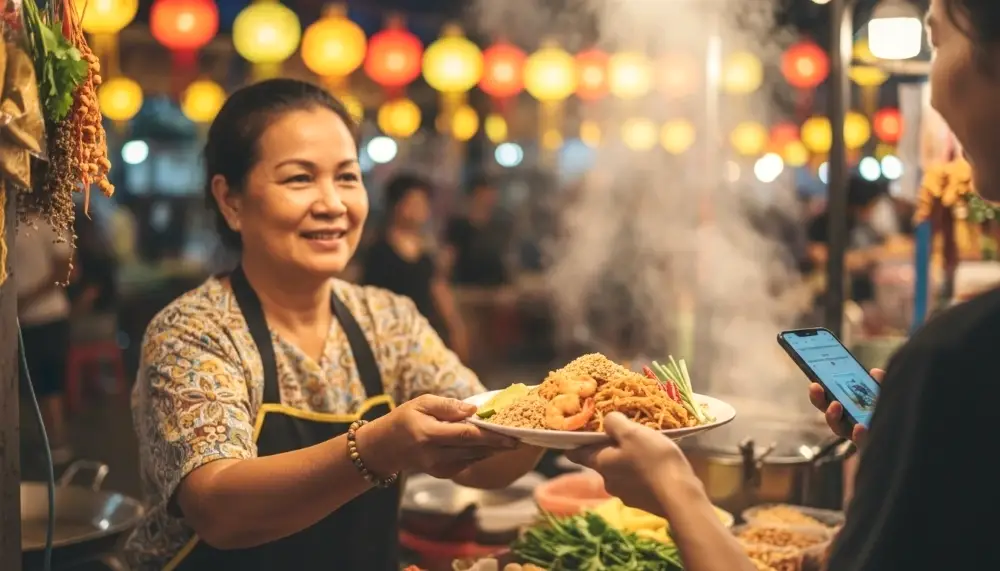
Modern street food exploration is aided by digital payment and navigation tools. While cash is vital for rural carts, QR payments via local banking apps or GrabPay are standard in cities. Reliable connectivity via E-Sims ensures access to real-time reviews and translation services.
Language: Google Lens is indispensable for translating handwritten chalkboards or Thai-only menus.
Transport: Use Grab or Bolt to reach specific food hubs like Ban Rak or Khlong Toei.
Connectivity: Yesim or Airalo E-Sims provide the data needed for Google Maps.
Security: Nord VPN is recommended when accessing banking apps on public market Wi-Fi.
Finance: Withdraw THB from ATMs (typically 220 THB fee per transaction) or use Wise for better conversion rates.
FAQ: Common Street Food Questions
Is the water safe to drink in Thailand?
Tap water is not potable. Always consume bottled or filtered water. Most restaurants provide ice made from purified water, which is safe for consumption.
How much should I budget for food daily?
A budget of 300 THB to 500 THB allows for three substantial street meals, snacks, and fresh fruit. High-end night markets or seafood-heavy meals may increase this to 800 THB.
What are “Plus Plus” charges?
In sit-down restaurants, you may see “++” on the menu. This signifies that a 10% service charge and 7% Value Added Tax (VAT) will be added to the final bill. These are absent at street stalls.
Can I find vegetarian street food?
Yes. Look for the yellow and red “Jay” (斋) flags, especially during the Nine Emperor Gods Festival. Common dishes like Pad Thai can be requested “Mang-sa-wi-rat” (vegetarian).
Continue Planning Your Trip