Living In Phuket
A Tropical Dream Many Travelers Fall In Love With
While some people arrive for a two-week holiday, many quickly start wondering what it might be like to stay longer. Living in Phuket, whether for a few months or several years, offers a unique mix of Thai culture, international convenience, and laid-back island living that continues to draw people from all over the world.
If you’ve ever dreamed about waking up near the ocean, eating incredible food every day, and living somewhere that feels like a permanent holiday, Phuket might be exactly what you’re looking for.
The Quick Summary:
Monthly Budgets: A comfortable expat lifestyle ranges from 65,000 THB to 150,000 THB depending on location and school fees.
Entry Requirements: Long-term stays typically utilize the Destination Thailand Visa (DTV), Education (ED) Visa, or Long-Term Resident (LTR) programs.
Regional Variance: The south offers bustling surf vibes (Rawai/Nai Harn), the west provides high-end luxury (Bang Tao), and the east centers on maritime logistics (Chalong).
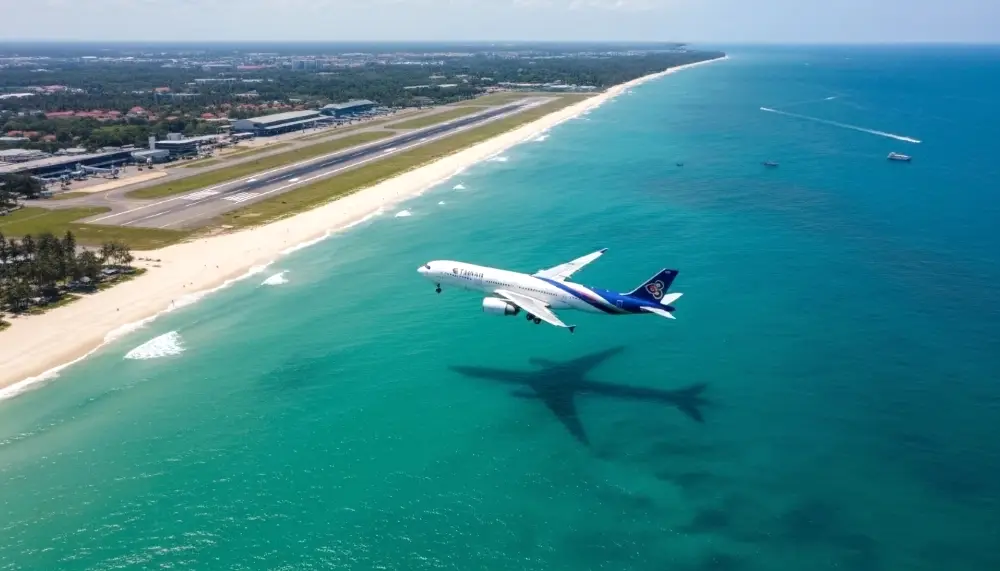
Connectivity: Phuket International Airport (HKT) serves as a primary hub for direct long-haul flights, bypassing Bangkok.
What Is Living In Phuket Really Like?
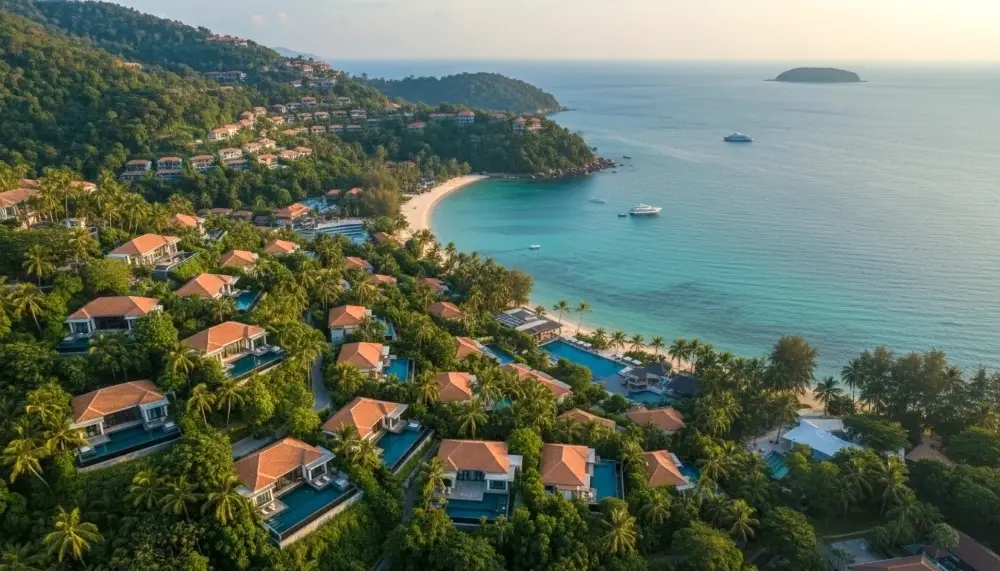
Living in Phuket means enjoying island life with the comforts of modern infrastructure.
Unlike many tropical destinations that feel isolated, Phuket has everything you might need:
- International hospitals
- Modern shopping malls
- Reliable internet and coworking spaces
- International schools
- Great restaurants from all over the world
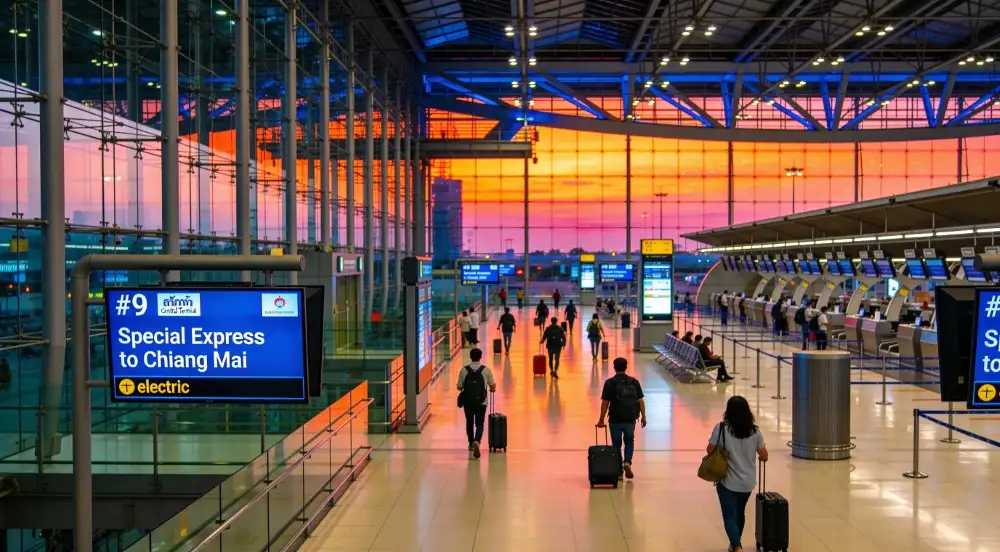
- An international airport with direct flights across Asia
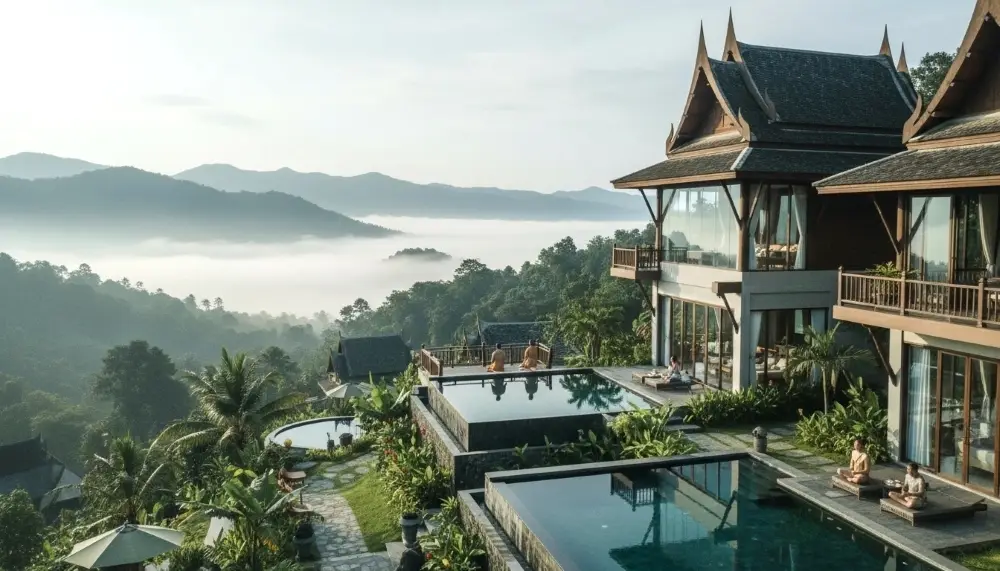
At the same time, you’re surrounded by palm trees, beaches, temples, and small Thai communities that keep the island feeling authentic and welcoming.
For many people, it strikes the perfect balance between adventure and everyday comfort.
Living Costs Across Phuket Neighborhoods
The Answer Capsule: Living costs in Phuket vary significantly by district. Coastal enclaves like Bang Tao and Surin command premium prices for luxury villas, while inland areas like Kathu or the southern tip of Rawai provide better value for long-term rentals. Budgeting 80,000 THB monthly covers high-quality housing, private transport, and frequent dining.
| District | 2-Bedroom Villa Rental (Monthly) | Local Meal Price | Atmosphere |
|---|---|---|---|
| Bang Tao / Laguna | 75,000 – 180,000 THB | 150 – 450 THB | Upscale, manicured, family-centric |
| Rawai / Nai Harn | 45,000 – 95,000 THB | 60 – 250 THB | Bohemian, fitness-focused, expat-heavy |
| Kathu / Central | 25,000 – 55,000 THB | 50 – 150 THB | Local, convenient, budget-friendly |
Why Many Choose Phuket:
Living in Phuket means enjoying island life with the comforts of modern Phuket is Thailand’s largest island and one of its most popular places for long-term visitors, digital nomads, retirees, and expats.
One reason is simple: the lifestyle.
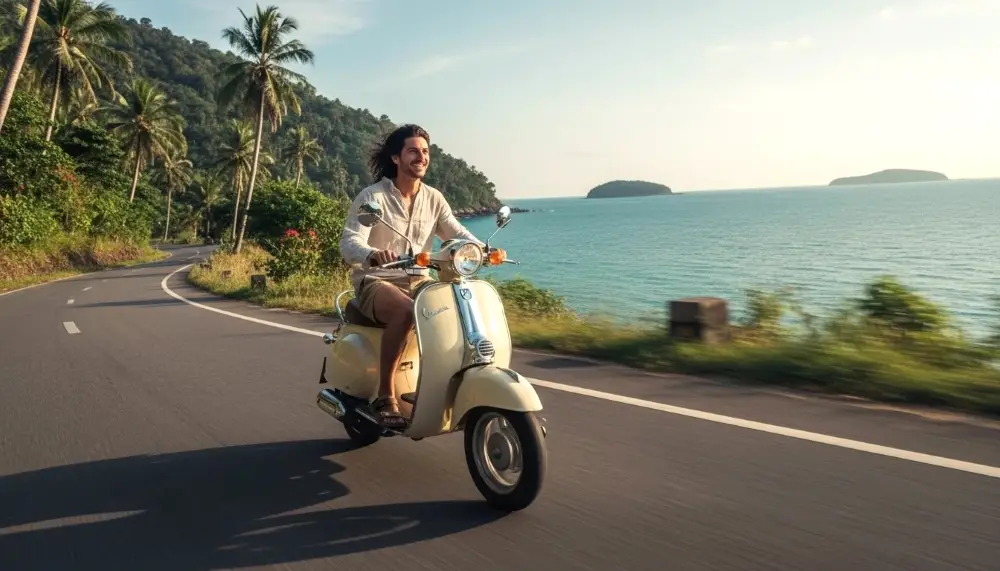
Life here tends to move at a slower, more relaxed pace. Morning coffees might be enjoyed overlooking the sea, afternoons spent exploring beaches, and evenings wandering night markets or enjoying fresh seafood by the water.
Some of the biggest lifestyle benefits include:
- Warm tropical weather year-round
- Easy access to world-class beaches
- A welcoming international community
- Affordable food and services
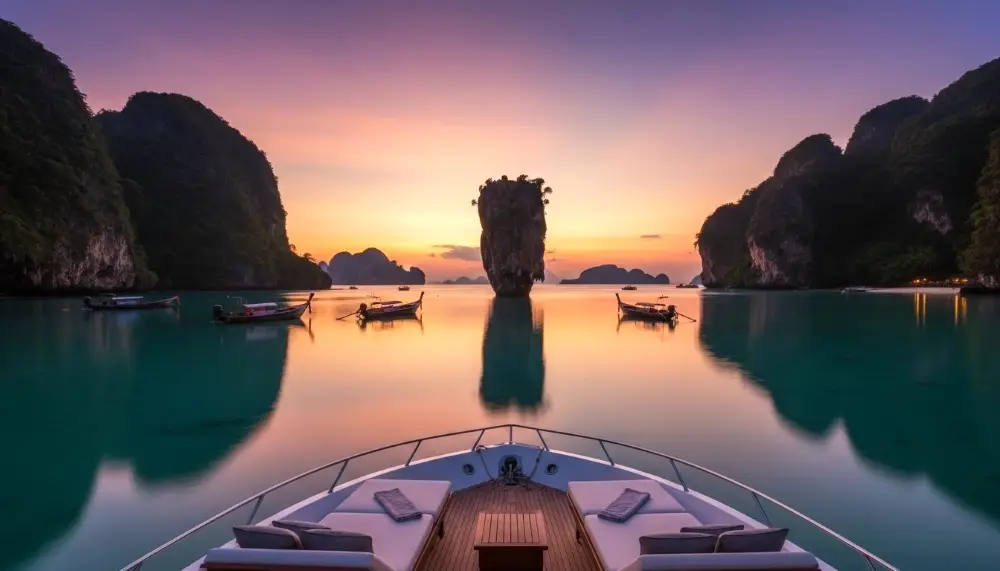
- Endless nearby islands to explore
For many people coming from colder climates or stressful city environments, the shift in lifestyle alone can feel transformative.
The Expat Infrastructure: Visas and Legality
Securing legal residency in Phuket requires navigating specific visa categories tailored to remote work or investment. The Destination Thailand Visa (DTV) offers five years of flexibility for digital nomads, while the LTR visa targets high-wealth individuals. Compliance ensures access to local banking and long-term lease agreements.
Transitioning from a visitor to a resident involves more than just a flight. The Thai immigration landscape in 2026 is streamlined but strict. The DTV has become the gold standard for those earning income outside Thailand, requiring a one-time fee and proof of remote work or specialized skills. For those moving with families, the Education (ED) visa remains a viable path for parents of children enrolled in international schools.
Local administration happens at the Phuket Immigration Office in Phuket Town or the secondary branch in Patong. It is essential to understand the TM30 reporting system: a mandatory notification of a foreigner’s residence that landlords must file. Failing to ensure this is updated can lead to complications during visa extensions.
Education and Family Life in the Tropics
Phuket hosts over a dozen world-class international schools, primarily following British or International Baccalaureate (IB) curricula. Schools like British International School Phuket (BISP) and United World College (UWC) provide elite facilities, making the island a premier destination for expatriate families seeking global educational standards.
Family life here centers on the outdoors. Weekends are spent at the Blue Tree Water Park in Cherngtalay or learning to sail at the Royal Phuket Yacht Club. The “Plus Plus” system is standard in higher-end establishments: expect a 10% service charge and 7% VAT added to the menu price. Tipping is not mandatory but rounding up to the nearest 100 THB for excellent service in independent restaurants is a respectful local practice.
The Different Areas of Phuket:
Some of the most popular areas include:
Patong
- The island’s most famous nightlife area
- Busy, energetic, and full of entertainment
- Ideal for short stays but less popular for long-term living
Kata and Karon
- Beautiful beaches
- More relaxed atmosphere than Patong
- Popular with long-term visitors and families
Rawai and Nai Harn
- A favourite among expats and digital nomads
- Local feel with great seafood markets
- Close to some of Phuket’s most beautiful beaches
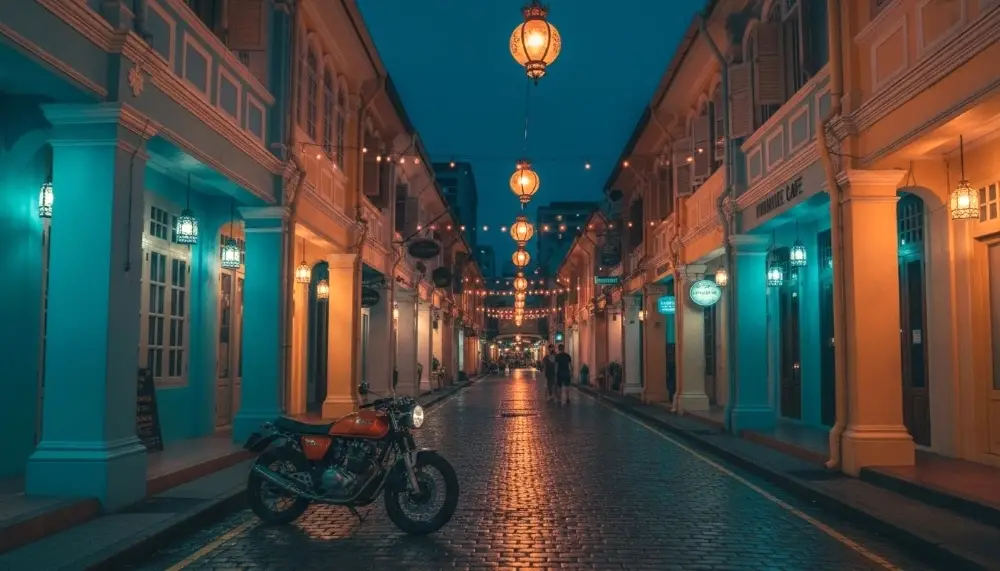
Phuket Town
- Rich in history and culture
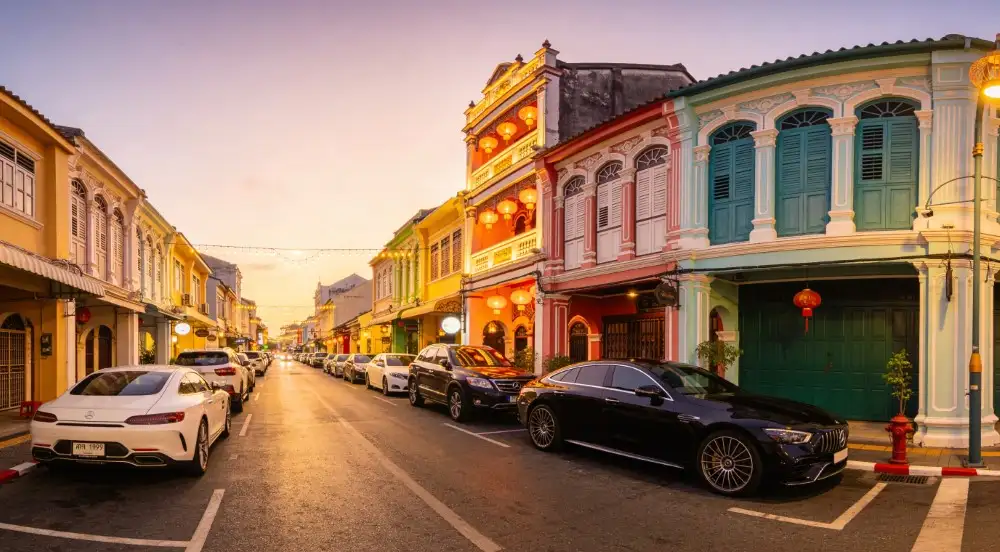
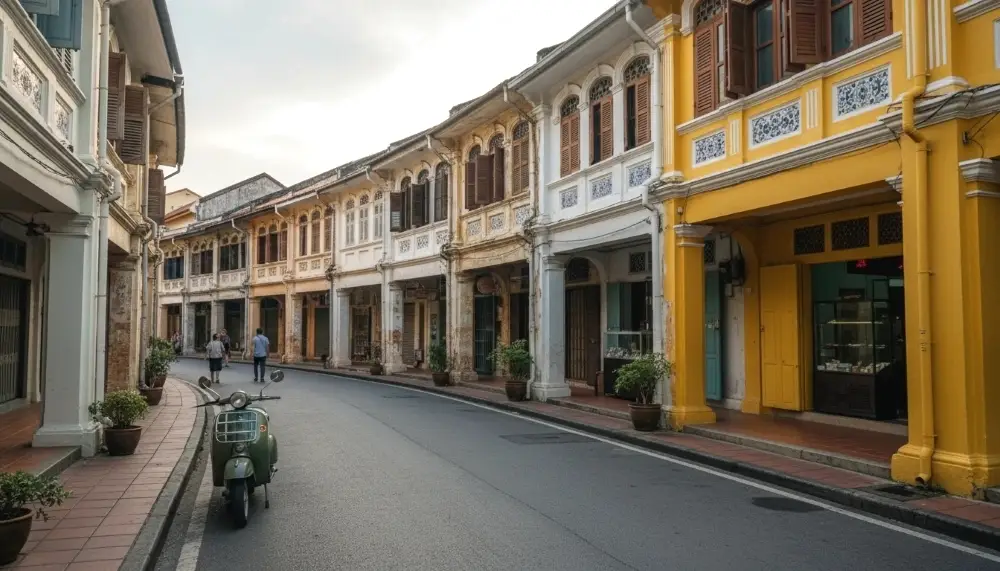
- Colourful Sino-Portuguese architecture
- Great cafés, markets, and creative spaces
The Greatest Food:
Food is a huge part of everyday life in Thailand, and Phuket is no exception.
You can eat incredibly well without spending much money, especially if you embrace local dishes.
Popular options include:
- Pad Thai
- Green curry
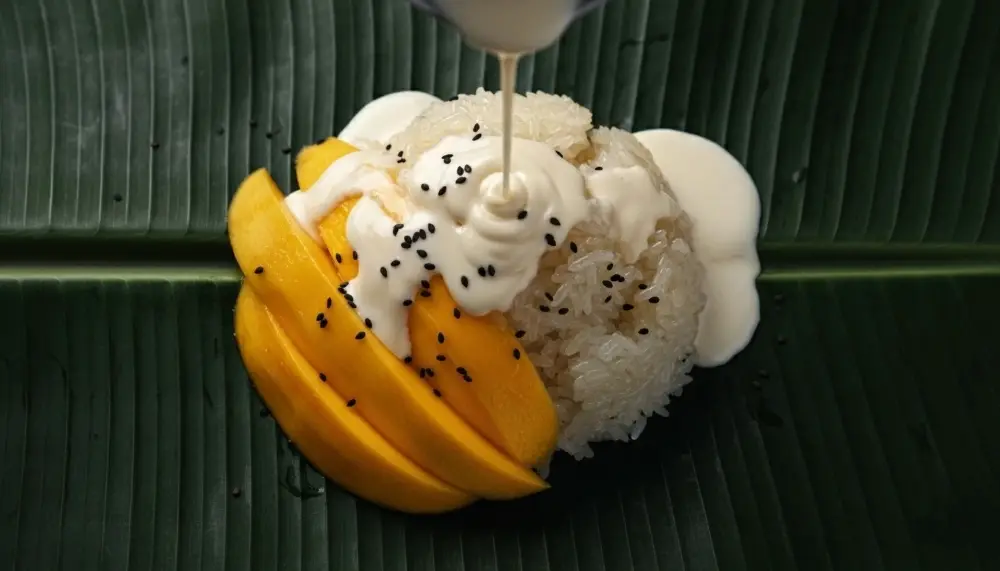
- Mango sticky rice
- Fresh seafood from beachside restaurants
- Local Phuket specialties like Hokkien noodles
Night markets are a must-visit part of island life. They’re lively, affordable, and full of amazing street food.
For those missing home comforts, Phuket also has a huge range of international cuisine, from Italian and Japanese to Middle Eastern and vegan cafés.
Culture and Local Life:
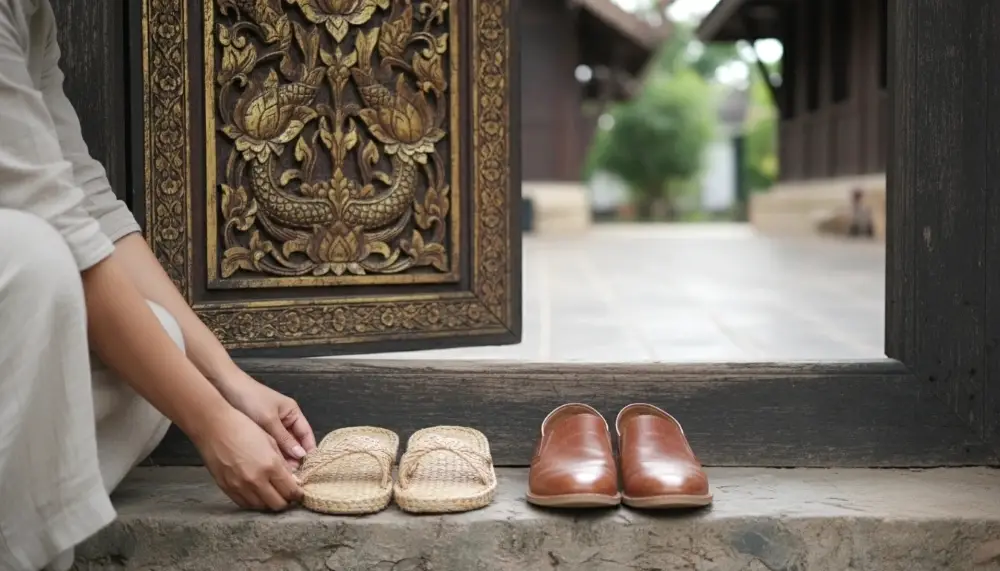
Living in Phuket also means experiencing Thai culture in everyday life.
Thailand is often called the Land of Smiles, and visitors quickly understand why. Thai people are generally friendly, respectful, and welcoming to foreigners.
A few cultural tips help newcomers settle in more easily:
- Always show respect in temples
- Dress modestly when visiting religious sites
- Remove shoes when entering homes or certain shops
- A polite smile goes a long way
Many long-term visitors say the kindness of local people is one of the reasons they feel comfortable staying.
Easy Travel Around Thailand:
Another advantage of living in Phuket is how easy it is to explore the rest of the country.
Short flights connect the island to major destinations like:
This makes weekend adventures incredibly easy.
Many expats living in Phuket regularly take short trips to explore Thailand’s mountains, jungles, temples, and other tropical islands.
It turns everyday life into a constant opportunity for discovery.
Is Phuket Safe?
For travelers feeling nervous about their first trip to Thailand, Phuket is actually one of the easiest places to start.
The island is extremely accustomed to international visitors, and English is widely spoken in tourist areas.
You’ll find:
- Clear travel infrastructure
- Hospitals and pharmacies everywhere
- Friendly locals willing to help
- Well-developed transport options
Like anywhere in the world, basic travel awareness is important, but overall Phuket is considered very safe and welcoming for visitors.
Many travelers arrive worried about culture shock and leave wondering why they didn’t come sooner.
A Second Home:
It’s surprisingly common for travelers to visit Phuket once and then return again and again.
What starts as a holiday can slowly become something more, longer stays, remote work, seasonal visits, or even a full relocation.
The combination of tropical beauty, welcoming culture, and relaxed lifestyle creates something many people don’t find elsewhere.
Phuket offers the excitement of adventure while still feeling comfortable enough to settle into everyday life.
The Beginning of a Bigger Adventure:
For first-time visitors to Thailand, Phuket can be the perfect introduction to the country.
It offers stunning scenery, fantastic food, vibrant culture, and all the practical comforts that make travel easy.
But it’s also just the beginning.
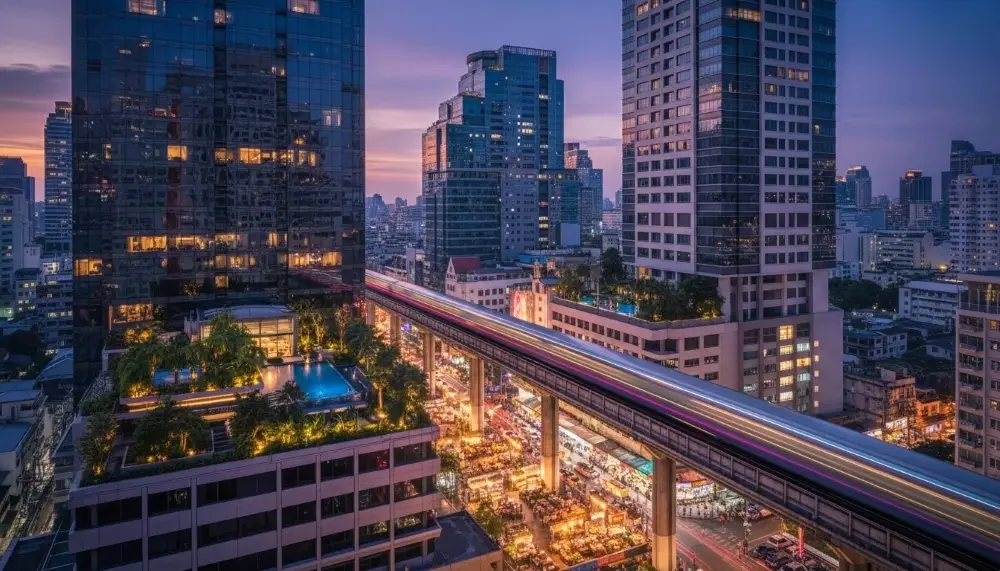
Once you experience island life, you may find yourself curious about the buzzing streets of Bangkok, the temples and mountains of Chiang Mai, and the countless tropical islands scattered across southern Thailand.
Phuket often opens the door to a much bigger journey, and for many travelers, it’s the place where their love for Thailand truly begins.
Continue Planning Your Trip