Retiring In Thailand
This site contains affiliate links. We may earn a commission at no extra cost to you.
A Dream That Many Travelers Turn Into Reality
For many first-time visitors, Thailand starts as a holiday destination. The golden temples, tropical beaches, vibrant street markets, and welcoming culture quickly capture people’s hearts. But for a growing number of travelers, that first trip sparks a bigger question: what if you could live here?
The Quick Summary:
O-A Retirement Visa: Best for those aged 50+ seeking a traditional, stable path with a high local bank balance (800,000 THB) and comprehensive mandatory health insurance.
DTV (Destination Thailand Visa): Ideal for active retirees or remote consultants of any age (20+) who prefer lower financial lock-ins (500,000 THB) and up to 180-day stays per entry.
Financial Barrier: The O-A requires funds to be “seasoned” in a Thai bank for two months, while the DTV accepts global bank statements.
Medical Mandate: O-A applicants must maintain specific 3,000,000 THB (approx. $100,000) coverage, whereas the DTV currently has more relaxed insurance requirements depending on the consulate.
Can You Really Retire In Thailand?

Yes, many foreigners successfully retire in Thailand each year.
Thailand offers retirement visa options for older visitors who want to live in the country long-term. Combined with a relatively low cost of living, excellent food, friendly communities, and a strong expat network, the country has become one of the most popular retirement destinations in the world.
For many people, the process looks something like this:
- First trip to explore the country
- Multiple return visits to favorite regions
- Researching visa options and living costs
- Eventually transitioning from visitor to resident
While it requires planning, retiring in Thailand is absolutely achievable.
Why Thailand Is So Popular:
Retirees often discover they can enjoy a comfortable lifestyle that might be difficult to maintain at home. Dining out is inexpensive, transportation is affordable, and housing options range from city apartments to beachfront villas.
Even small everyday pleasures, like fresh tropical fruit, local markets, and casual restaurants, are part of daily life.
Incredible Variety Of Places To Live
One of Thailand’s greatest strengths is its diversity. Every region offers a different lifestyle.
Some retirees prefer the energy of big cities, while others fall in love with quiet beach towns or mountain communities.
Popular areas include:
- Bangkok – a lively international city with modern conveniences
- Chiang Mai – relaxed northern culture surrounded by mountains
- Phuket and the southern islands – tropical beach living
- Hua Hin – a peaceful coastal town popular with retirees

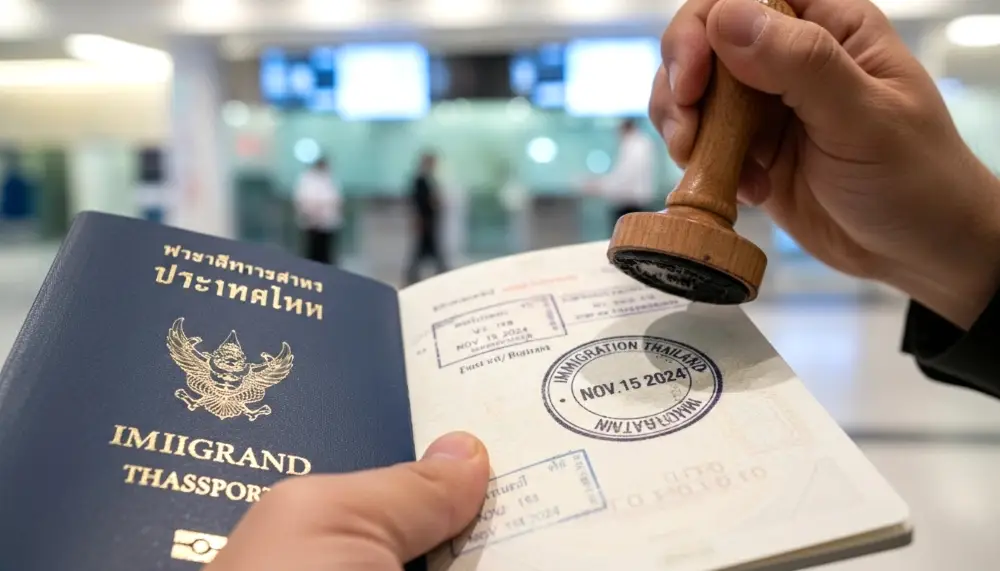
The Non-Immigrant O-A Visa:

The Non-Immigrant O-A Visa is a long-stay permit for foreigners aged 50 and above, requiring either a 800,000 THB deposit in a Thai bank or a monthly pension of 65,000 THB. It offers a renewable one-year stay but mandates 3,000,000 THB health insurance and 90-day address reporting.
For decades, the O-A has been the bedrock of the expat community in districts like Jomtien and Hua Hin. It is designed for those who intend to make Thailand their primary, permanent home. The process begins at a Thai Embassy in your home country and necessitates a clean criminal record and a medical certificate.
One cannot overlook the “Seasoning Rule.” To renew this visa annually at local immigration offices like Chaeng Watthana in Bangkok, that 800,000 THB must remain in your Thai account for two months prior to application and three months after. This capital is effectively stagnant, which is a significant consideration for those who prefer active investments. Furthermore, the O-A carries a strict health insurance requirement. You must utilize an insurer approved by the Thai General Insurance Association (TGIA), which can become increasingly expensive as you age past 70.
The DTV Visa:
The Destination Thailand Visa (DTV) is a five-year multiple-entry visa allowing stays of 180 days per entry, extendable once for another 180 days. It requires proof of 500,000 THB in liquid assets and allows remote work, “soft power” activities, or medical treatments without the 50-year-old age restriction.
Launched to capture the “workcation” demographic, the DTV has inadvertently become a favorite for younger retirees and those not yet ready to park 800,000 THB in a Thai savings account. If you are 52 and still managing a small consulting firm back home, or if you are 48 and taking a five-year sabbatical to study Muay Thai in Phuket or Thai cooking in Samui, the DTV is your superior option.
The administrative burden is significantly lighter. There is no mandatory “seasoning” of funds in a Thai bank; a snapshot of your home country bank statement showing 500,000 THB is typically sufficient. However, the DTV is a “commuter” visa. While you can stay for nearly a year (180 days plus one 180-day extension), you must eventually exit and re-enter the Kingdom to reset the clock. This “visa run” is often a welcome excuse to visit Penang or Singapore, but for those with mobility issues, it may prove a hurdle.

| Feature | Non-Immigrant O-A (Retirement) | Destination Thailand Visa (DTV) |
|---|---|---|
| Minimum Age | 50 Years Old | 20 Years Old |
| Financial Proof | 800,000 THB (Thai Bank) | 500,000 THB (Global Bank) |
| Validity | 1 Year (Renewable) | 5 Years (Multiple Entry) |
| Maximum Stay | 365 Days (Continuous) | 180 Days per entry (+180 extension) |
| Health Insurance | Mandatory 3,000,000 THB Coverage | Recommended / Consulate Dependent |
| 90-Day Reporting | Yes | Only if staying over 90 days |
| Work Rights | Strictly Prohibited | Remote Work for foreign clients allowed |
What Daily Life Feels Like:

Retiring in Thailand isn’t just about sunshine and beaches. It’s about the rhythm of everyday life.
Morning might begin with coffee at a street café or a walk through a local market. Fresh fruit, grilled meats, and colorful vegetables fill the stalls while locals chat and shop.
Afternoons might include exploring temples, relaxing at a beach, visiting a gym, or simply enjoying the slower pace of life.
Evenings often revolve around food. Thailand’s culinary scene is one of the most exciting in the world, from simple street noodles to beautiful seaside restaurants.
For many retirees, the biggest change is simply having more time to enjoy life.
A Welcoming Expat Community:
One reassuring aspect for first-time visitors considering retirement is the large international community already living in Thailand.
In cities and major tourist areas you’ll find:
- International clubs and social groups
- English-speaking services
- Foreign-friendly hospitals and clinics
- Online communities offering advice and support
Many retirees quickly build social circles that include both locals and fellow international residents.
Thailand’s welcoming culture also makes it easier to settle in compared to many other destinations.

Cultural Insights:

Understanding a few aspects of Thai culture can make the transition to life in Thailand smoother and more enjoyable.
Thai society places a strong emphasis on respect, politeness, and harmony. Visitors who approach the culture with kindness and curiosity are almost always welcomed warmly.
A few helpful cultural tips include:
- Speak politely and avoid confrontation
- Dress respectfully when visiting temples
- Learn a few basic Thai phrases
- Be patient and flexible when things move at a slower pace
Many retirees find that embracing Thai culture becomes one of the most rewarding parts of living in the country.
Is Thailand Safe For Retirees?
Safety is one of the most common concerns for first-time travelers considering retirement abroad.
Overall, Thailand is widely regarded as a safe country for visitors and residents alike. Millions of tourists visit every year, and many retirees live comfortably for decades.
As with any destination, common-sense precautions go a long way:
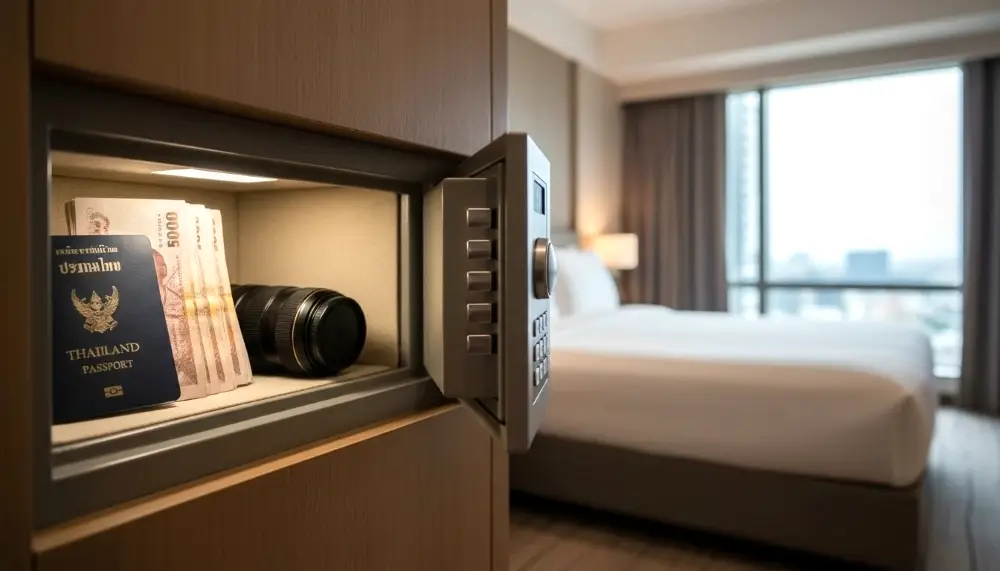
- Keep valuables secure
- Use reputable transportation
- Respect local laws and customs
- Maintain good travel insurance and healthcare coverage
Most retirees report feeling very comfortable living in Thailand once they settle in.
Pro Tips For Stress Free Travel:

Transportation: Grab and Bolt are essential for fair pricing. Avoid unmetered taxis in Sukhumvit.
Booking: Use Agoda for the best local rates on boutique stays in Nimman or the Riverside.
Connectivity: Download Yesim for an immediate eSIM on arrival, but switch to a physical AIS or TrueMove SIM for long-term data packages.
Logistics: Klook is your gateway for booking the “Green Bus” to Chiang Rai or private transfers.
Security: Use Nord VPN to access home-country banking apps, as many financial institutions flag Thai IP addresses.
Thailand Might Surprise You:
Retiring in Thailand isn’t just about affordability or sunshine. It’s about lifestyle.
It’s about morning markets filled with fresh food, warm evenings by the sea, friendly conversations with locals, and the feeling of adventure that never quite disappears.
For many first-time travelers, Thailand becomes a place that draws them back again and again.
And for some, that first trip eventually turns into a new chapter of life in one of the most fascinating and welcoming countries in the world.
If you’re planning your first visit, explore widely, stay curious, and let Thailand reveal itself to you.
You may arrive as a traveler, but you might just leave imagining a future here.
FAQ: Frequently Asked Questions
Can I change from a Tourist Visa to a DTV inside Thailand?
No. The DTV must be applied for while you are physically outside of Thailand via the official e-visa portal or at a Thai Embassy/Consulate in a neighboring country مثل Vientiane or Ho Chi Minh City.
Is the 800,000 THB for the O-A visa a one-time payment?
No. This is not a fee; it is a deposit. The money remains yours, but it must stay in a Thai bank account to satisfy the “seasoning” requirements for your annual extension.
Does the DTV allow me to work for a Thai company?
Absolutely not. The DTV is strictly for remote work for companies located outside of Thailand. Working for a Thai entity or local clients requires a Non-Immigrant B visa and a formal Work Permit.
What happens if I forget my 90-day report?
Late reporting usually results in a 2,000 THB fine. However, many immigration offices now allow this to be done online or via the “Thai Immigration” app, though the system is famously temperamental.
Which visa is better for digital nomads over 50?
The DTV is superior for active nomads over 50. It avoids the 800,000 THB lock-in and the expensive mandatory insurance of the O-A, provided you are comfortable exiting the country every six to twelve months.
Continue Planning Your Trip