Opening A Thai Bank Account
This site contains affiliate links. We may earn a commission at no extra cost to you.
If you’re planning to stay longer than a typical holiday, you may start wondering about practical things — like opening a Thai bank account. Whether you’re spending a few months exploring, working remotely, or planning a longer stay, having a local bank account can make life much easier.
The good news is that it’s often simpler than people expect.
Can Foreigners Open Accounts?
Yes, foreigners can open a Thai bank account.
However, the process varies depending on the bank, the branch, and the type of visa you hold. Some banks are very accustomed to helping foreigners, especially in major travel destinations and expat hubs.
In general, the following people have the easiest time opening an account:
- Long-term visa holders
- Digital nomads with appropriate visas
- People working in Thailand
- Retirees living in Thailand
- Travelers staying for several months
Primary Requirement: A valid Destination Thailand Visa (DTV) or a Tourist Visa paired with a Residence Certificate from Immigration or an Embassy.
Recommended Banks: Bangkok Bank and Kasikornbank (K-Bank) offer the most streamlined processes for non-residents.
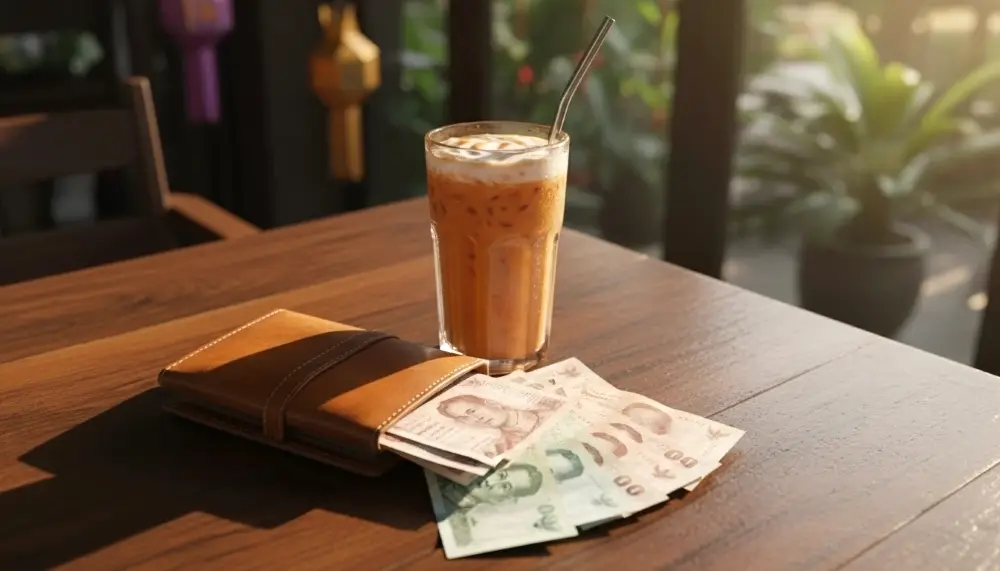
Initial Deposit: Minimum opening balances typically range from 500 THB to 2,500 THB depending on the branch and debit card tier.
Essential Documents: A Thai mobile number is mandatory to activate mobile banking applications for PromptPay QR scanning.
Success Factor: Consistency varies by branch; choosing locations in high-traffic expat areas like Sukhumvit or Nimman increases approval odds.
Why Non-Residents Need Local Banking:
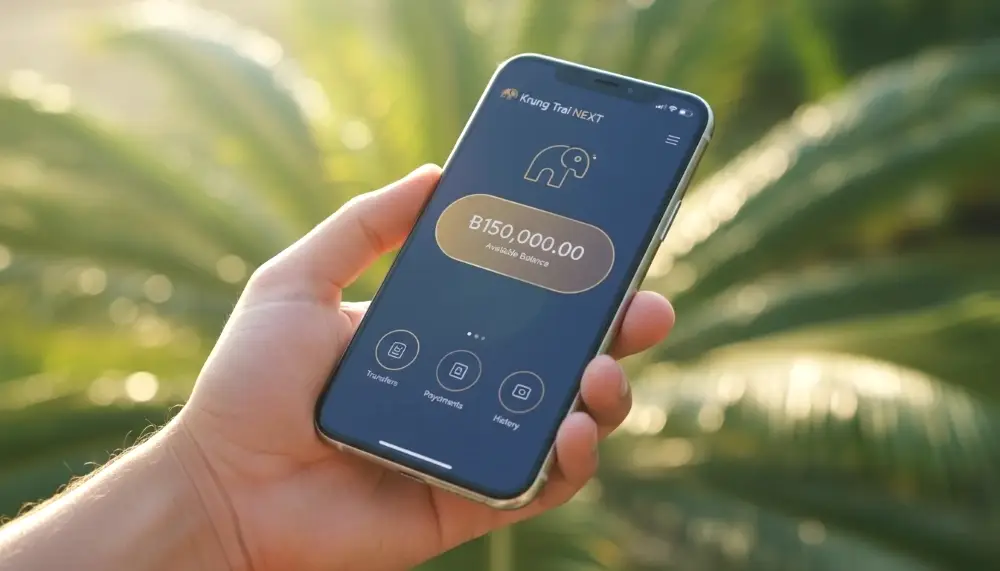
Thai banking provides access to PromptPay, a unified QR payment system used nationwide to eliminate cash transactions.
Having a local account bypasses the 220 THB foreign card fee at ATMs and allows for seamless integration with local delivery and transport applications, significantly reducing daily living expenses and transaction friction for long-term travelers.
While international credit cards are accepted in major hotels, the heart of the Thai economy beats through QR codes. Whether paying a vendor at the Chatuchak Weekend Market or settling a bill at a rooftop bar in Thong Lor, a quick scan via a banking app is the gold standard.
Documents You May Need:
Requirements vary from bank to bank, but most branches will ask for a few standard documents.
Typically, you’ll need:
- Your passport
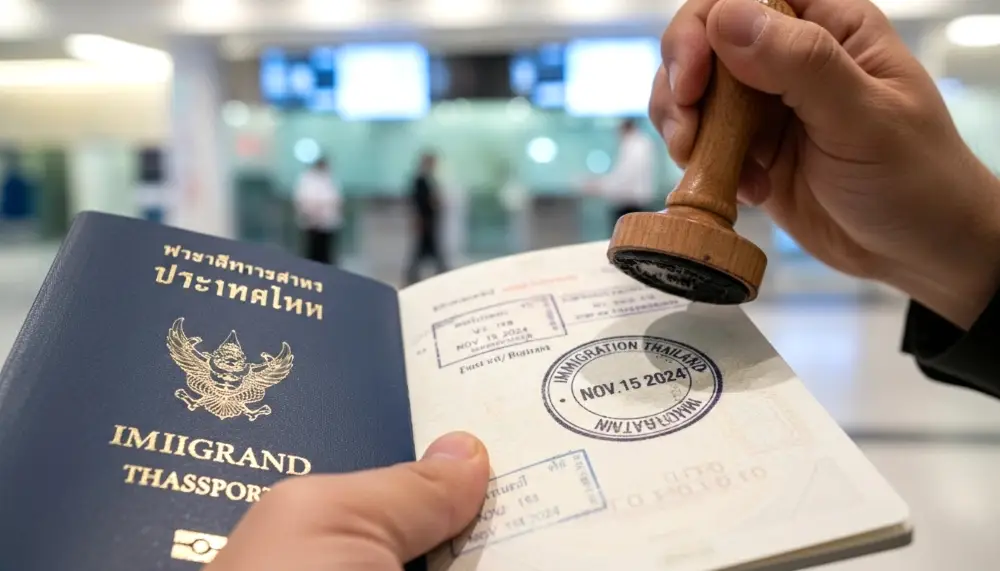
- A valid visa or entry stamp
- A Thai address (hotel, condo, or rental)
- A Thai phone number
Some banks may also ask for additional proof, such as:
- A rental agreement
- A letter from your embassy
- A reference from your hotel or landlord
- A minimum deposit to open the account
Don’t worry if you don’t have everything on the list. Many travelers find that simply visiting a different branch can produce a completely different outcome.
Banking Options Comparison:
| Feature | Bangkok Bank | Kasikornbank (K-Bank) | SCB (Siam Commercial) |
|---|---|---|---|
| Ease for DTV Holders | High: Most reliable for non-residents. | Medium: Requires specific branch approval. | Selective: Often requires work permits. |
| Initial Deposit | 500 THB | 500 THB | 2,000 THB |
| Mobile App Quality | Functional and highly secure. | Award-winning, very user-friendly. | Modern and fast. |
Best Banks for Foreigners:
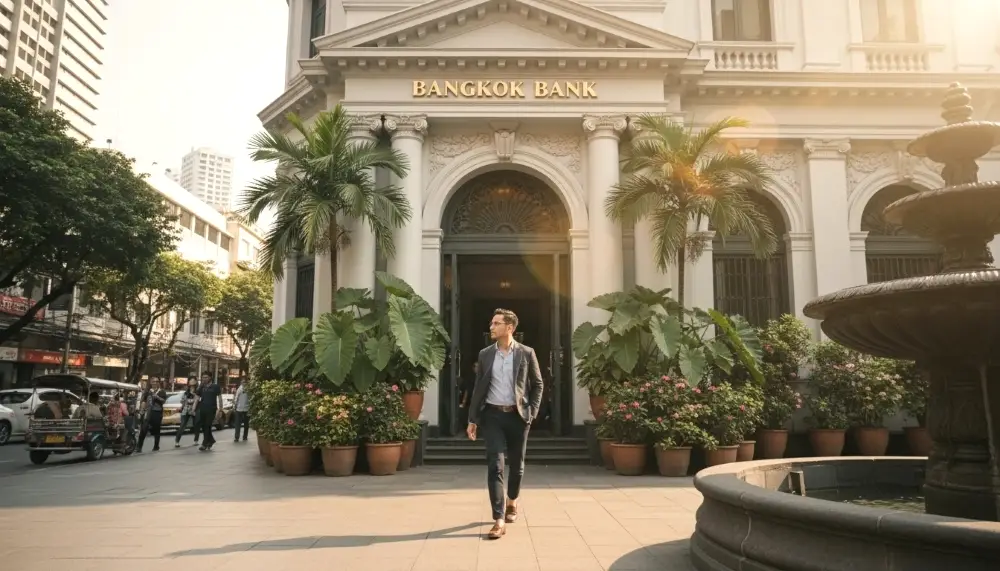
Thailand has several major banks, and many of them regularly assist international visitors.
Popular options include:
- Bangkok Bank
- Kasikorn Bank (KBank)
- Siam Commercial Bank (SCB)
- Krungsri Bank (Bank of Ayudhya)
Bangkok Bank is often considered the most foreigner-friendly, especially for travelers staying longer or planning to receive international transfers.
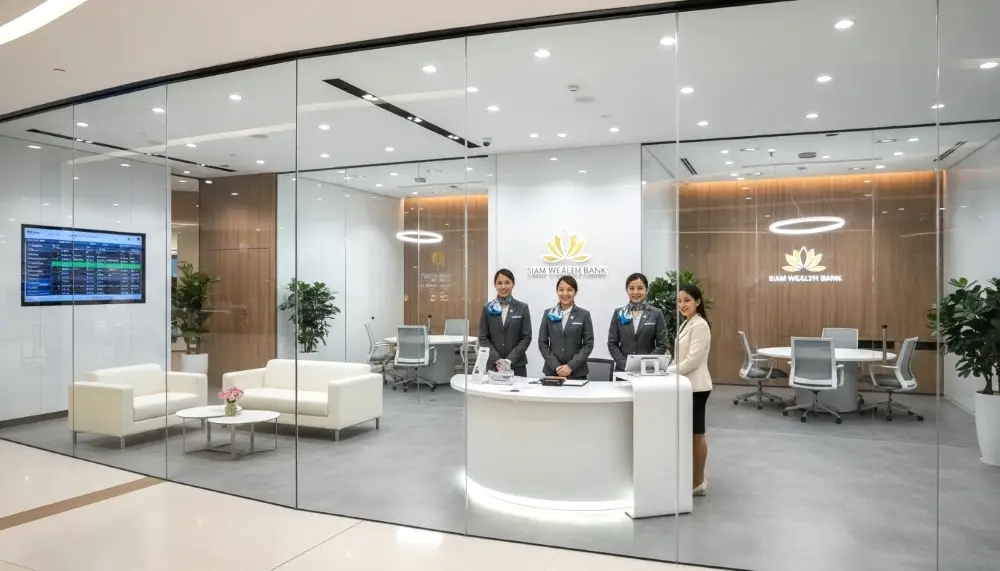
Branches in tourist areas are generally the most experienced with foreign customers.
The Destination Thailand Visa (DTV) Advantage:
The Destination Thailand Visa acts as a high-authority credential for bank officers, signaling a legitimate five-year connection to the country.
Holders should present their digital e-visa or passport stamp alongside a lease agreement or Residence Certificate to prove local habitation, making the account opening process significantly smoother than for standard tourists.
The arrival of the DTV has shifted the landscape for digital nomads and remote workers. Banks that once hesitated now see DTV holders as stable, long-term contributors to the economy.
Visiting a branch in a district like Phrom Phong or Ekkamai ensures interaction with staff familiar with this specific visa class.
Where It’s Easiest to Open an Account?

Location can make a big difference.
Branches in major travel destinations are much more used to dealing with foreigners than small rural branches.
Travelers often have success in places such as:
- Bangkok
- Chiang Mai
- Phuket
- Pattaya
- Koh Samui
Staff in these areas are more likely to speak English and understand the needs of international visitors.
Step-By-Step Process for Success:
Select a branch in an expat-heavy neighborhood, dress in smart-casual attire, and arrive during mid-morning on a weekday.
Present the document bundle to the Information Desk, request a “Savings Account with Mobile Banking,” pay the initial deposit and debit card fee, and ensure the mobile app is fully activated before leaving.
The “Smart-Casual” factor is a cultural nuance often overlooked. In Thai society, the concept of “Greng Jai” and showing respect through appearance goes a long way.
Wearing a collared shirt and closed-toe shoes conveys a level of seriousness that can turn a “No” into a “Yes.”
Mobile Banking in Thailand:
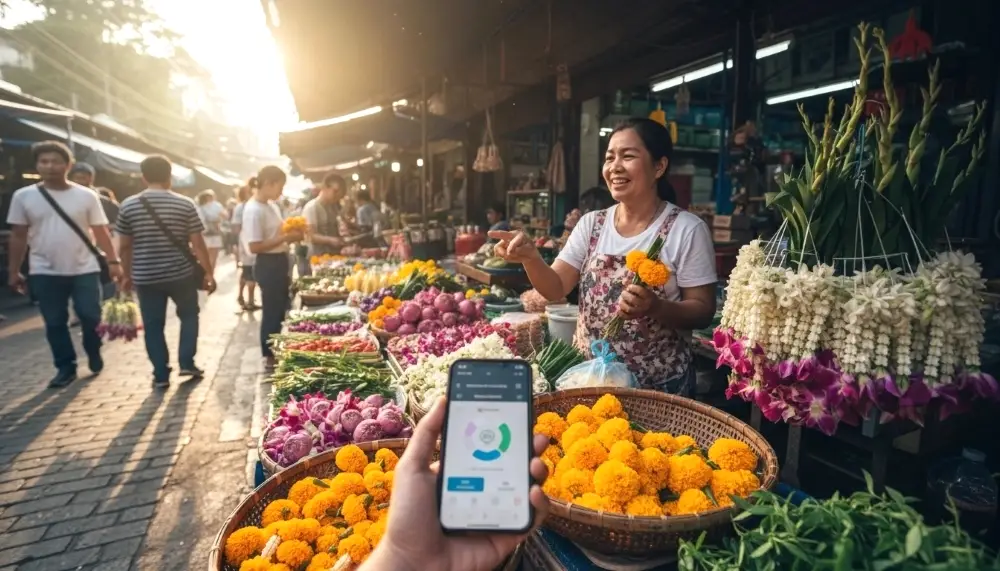
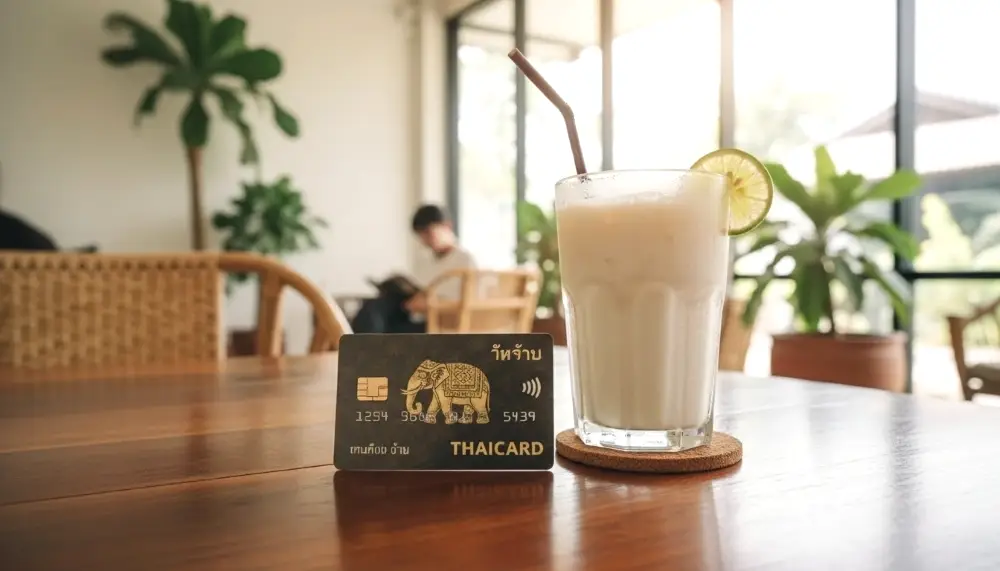
Thailand is surprisingly advanced when it comes to digital payments.
Once your account is open, you’ll likely gain access to a mobile banking app that allows you to:
- Transfer money instantly
- Pay for services and shopping
- Scan QR codes for payments
- Check balances and transactions
QR code payments are extremely common across Thailand. You’ll see them everywhere, from large shopping malls to tiny street food stalls.
A Few Practical Tips:
Opening a Thai bank account can sometimes require a little patience. The rules are not always applied the same way in every branch.
Helpful tips include:
- Try branches in tourist areas first
- Dress neatly and be polite
- Visit during quieter weekday mornings
- Bring more documents than you think you’ll need
- If one branch says no, try another
Thailand often works on a flexible, human level rather than strict bureaucracy. A friendly approach can go a long way.
Pro Tips For Stress Free Travel:
Banking & Payments: PromptPay (Integrated into your Thai bank app).
Transport: Grab and Bolt are essential for fair pricing. Link your new Thai bank card to avoid cash handling.
Accommodation: Agoda and Booking.com remain the standards for short stays.
Experiences: Klook and Get Your Guide offer competitive pricing for regional tours.
Connectivity: Yesim for e-SIM backups or a local physical SIM from AIS or DTAC.
Digital Security: Nord VPN is vital for accessing home-country banking while using Thai public Wi-Fi.
Currency: All local transactions are in THB. Expect a “Plus Plus” (++) notation on menus, signifying 7% VAT and 10% service charge.
Don’t Stress If It Doesn’t Work Right Away:
If you’re visiting Thailand for the first time, it’s completely normal to feel uncertain about navigating things like banking.
But remember, millions of travelers successfully manage long stays in Thailand every year. Even if opening an account takes a couple of attempts, it’s usually just part of the adventure.
And if it doesn’t work out, international cards still work perfectly well throughout the country. You can always try another branch.
A Small Step Toward Living:

Opening a Thai bank account isn’t necessary for most holidays, but for longer stays it can make everyday life much smoother.
More importantly, it’s one of those small steps that makes you feel more connected to the rhythm of the country, paying for street food with a quick scan, transferring money instantly, and settling into Thailand a little more comfortably.
As you explore vibrant cities, peaceful temples, lush mountains, and tropical islands, you’ll quickly understand why so many visitors end up returning again and again.
Thailand has a way of making people feel at home, sometimes faster than they ever expected.
FAQ: Thai Banking Success
Can I open an account on a 60-day Tourist Visa?
Yes, but it is more challenging. Success usually requires a Residence Certificate and potentially the purchase of a basic personal accident insurance policy from the bank, costing roughly 2,000 THB to 5,000 THB per year.
Which bank is best for international transfers?
Bangkok Bank is widely regarded as the best option for receiving international wire transfers due to its extensive global network and New York branch integration. For lower fees on smaller amounts, many expats use Wise to send funds directly into their Thai K-Bank or SCB accounts.
How much are the annual debit card fees?
Expect to pay between 200 THB and 800 THB annually depending on the card’s benefits, such as insurance coverage or airport lounge access.
Do I need a Thai phone number?
A Thai mobile number is mandatory. The banking app uses the SIM card for identity verification and to send transaction notifications via SMS. Use a post-paid or a well-topped-up pre-paid SIM from AIS, True, or DTAC.
Is there a minimum balance requirement?
Most basic savings accounts require a minimum balance of 500 THB to 2,000 THB to remain active. If the balance falls to zero for an extended period, the account may be automatically closed.
Continue Planning Your Trip