Thailand Travel Mistakes
How Not to Get Scammed
This site contains affiliate links. We may earn a commission at no extra cost to you.
Thailand remains one of the world’s most welcoming destinations, yet its popularity inevitably attracts sophisticated opportunistic fraud. As of 2026, scams have evolved from simple street-level tricks to complex digital and regulatory traps. Navigating the Kingdom with authority requires a blend of cultural awareness and modern logistical tools.
Quick Summary:
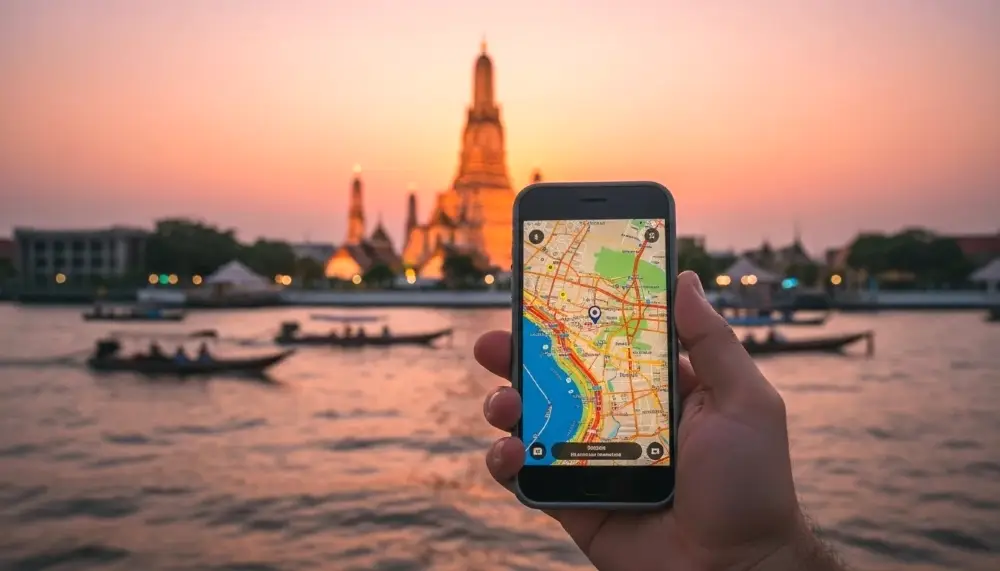
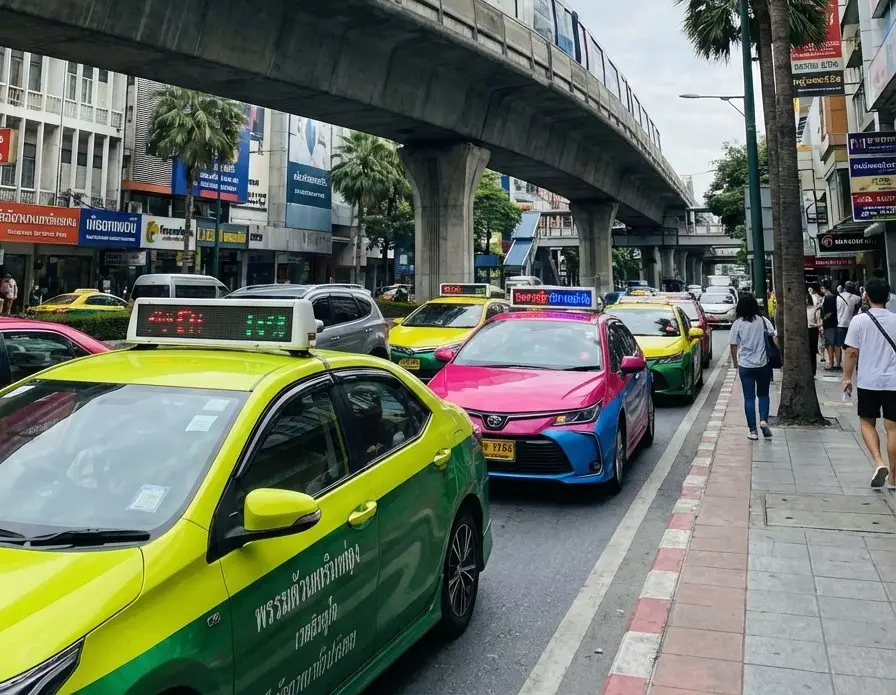
- Digital Payments: Download Grab or Bolt and use PromptPay QR codes for transparent pricing and to avoid the “no change” or “rigged meter” taxi scams.
- Temple Scams: Ignore anyone claiming a major attraction like Wat Phra Kaew is “closed for the day.” Verify hours only at the official gate.
- Rental Protection: Always photograph and video every angle of a jet ski or scooter before renting to prevent fraudulent “damage” claims.
- Law Enforcement: Real Thai Police do not collect cash fines on the street. If stopped, request to settle the matter at the nearest official station.
- Vaping Ban: E-cigarettes remain illegal in 2026; possession can lead to immediate extortion attempts or heavy official fines up to 30,000 THB.
Avoiding scams requires real-time data to verify locations and prices. These are the 2026 tiered options for staying connected. We cover more in-depth in our Thailand SIM Cards & Internet page.
| Feature | The Budget Hero | The Mid-Range Choice | The Pro/Luxury Option |
|---|---|---|---|
| Service | Physical Tourist SIM | Regional eSIM (Yesim) | Starlink Mini / Local Postpaid |
| Best For | Short stays (7–15 days) | Digital Nomads / Multi-country | Remote Professionals / Families |
| 2026 Cost | 299–599 THB | 800–1,200 THB | 2,500+ THB |
| Primary Benefit | Instant local number | No physical swap needed | Guaranteed 5G in remote islands |

Forget the daily data limits of standard tourist SIMs.
Get a Yesim eSIM for unlimited 5G data from ~$10.
Work, stream, and be connected the second you land.
Common Scams
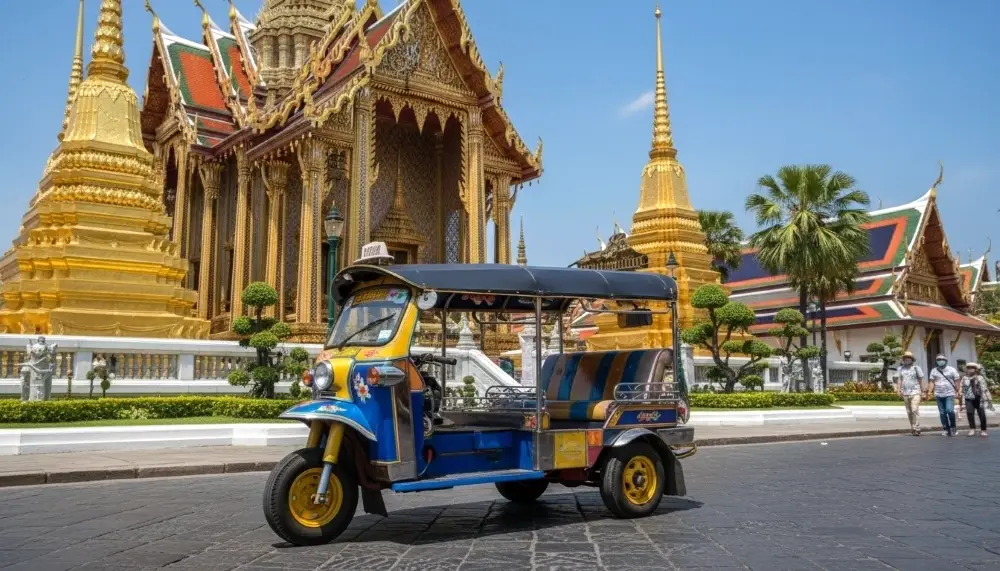
The “Attraction is Closed” scam
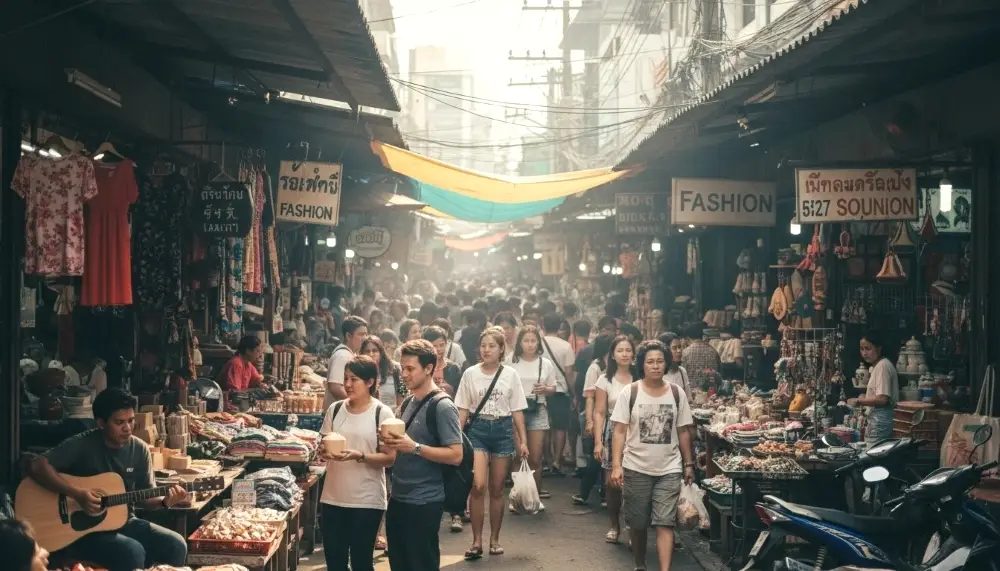
This is the most enduring scam in Bangkok. A well-dressed local or tuk-tuk driver will approach you near the Grand Palace or Wat Pho, claiming the site is closed for a “royal ceremony” or “cleaning day.” They will then offer a discounted tour to a “Lucky Buddha” or a “Government Export Center.”
The Counter: Politely ignore the suggestion and go directly to the official ticket counter. In 2026, major attractions have digital displays at the entrance showing real-time opening status. If you are redirected to a jewelry or tailor shop, realize that the driver is seeking a high-commission or a percentage of your purchase.
The Rental Damage Extortion
Common in Phuket, Pattaya, and Koh Samui, this scam involves renting a jet ski or scooter and being charged 20,000–50,000 THB upon return for “new” scratches. These marks are often pre-existing or applied with water-soluble paint.
Thailand Travel Mistakes: Never leave your original passport as a deposit; a high-quality color photocopy and a cash deposit (usually 3,000–5,000 THB) are fine for reputable places. Much like renting a vehicle anywhere in the world, take a continuous 60-second video of the vehicle in front of the owner before signing the contract.

The “Fake Police” and Vaping Trap
Vaping and e-cigarettes are illegal in Thailand. In 2026, spot checks in nightlife zones like Sukhumvit (Bangkok) or Bangla Road (Phuket) target tourists. Scammers posing as officers, or actual officers seeking on-the-spot fines, may demand 30,000 THB to avoid arrest.
The Counter: Do not vape in public. If stopped by anyone claiming to be police, politely ask to see their badge. Under Thai law, you have the right to settle official fines at the police station, not on a street corner. Carrying a digital copy of your passport and 2026 entry stamp on your phone is mandatory for identification.
Cultural Context: Sanuk and “Face”
Understanding the Thai concept of “Sanuk” (the pursuit of pleasure and harmony) is essential for scam prevention. Thais generally avoid confrontation. If a situation feels like a scam, staying calm and smiling while firmly saying “Mai Pen Rai” (it’s okay/no thank you) is more effective than showing anger. Losing your temper causes “loss of face,” which can escalate a minor overcharging incident into a hostile confrontation.
- Bangkok: High density of “closed temple” and “gem store” scams.
- Chiang Mai: Generally safer, but be wary of overpriced “Elephant Sanctuaries” that do not meet ethical standards. Always verify through official 2026 sustainability registries.
- Phuket & Gulf Islands: High prevalence of transport cartels and rental scams. Prices for short taxi rides can be 3x higher than Bangkok (often 400–600 THB minimum). Use the “InDrive” app here to negotiate fairer rates.
Trying to See Too Much Too Quickly

Thailand looks small on a map, but it’s surprisingly large and diverse. A common mistake first-time visitors make is trying to fit too many destinations into one trip.
It’s tempting to plan something like Bangkok, Chiang Mai, Phuket, Krabi, and several islands all in two weeks. In reality, constant travel can leave you exhausted and rushing through places that deserve more time.
A better approach is to focus on a few key regions. For example:
Giving yourself time to enjoy each destination often leads to a far better experience.
Not Preparing for the Heat and Humidity
Thailand’s tropical climate surprises many travelers. Even experienced travelers sometimes underestimate how hot and humid it can feel.
Walking around temples or city streets in the middle of the afternoon sun can quickly become exhausting.
A few simple habits help enormously:
- Drink plenty of water
- Take breaks in cafés or shopping malls
- Wear light, breathable clothing
- Use sunscreen and a hat
Many locals plan outdoor activities in the morning or evening, which is a great habit for travelers to adopt as well.

Ignoring Cultural Etiquette

Thailand is famously known as the “Land of Smiles,” and Thai people are incredibly welcoming. However, understanding a few cultural customs can help you avoid awkward situations.
Some important etiquette tips include:
- Dress modestly when visiting temples
- Remove shoes before entering temples and some homes
- Never touch someone’s head
- Avoid pointing your feet at people or sacred objects
- Show respect when discussing the royal family
These customs aren’t difficult to follow, and Thai people deeply appreciate visitors who make an effort.
Overpacking Your Suitcase
Many travelers arrive in Thailand with huge suitcases full of clothes and gear they never use.
Thailand is extremely traveler-friendly, and almost anything you need can be bought locally for a very affordable price.
Instead of overpacking, bring:
- Lightweight clothing
- Comfortable walking shoes
- A universal power adapter
- Basic toiletries and medications
Laundry services are available everywhere, even on small islands, so packing light makes moving around the country much easier.ening, which is a great habit for travelers to adopt as well.
Only Visiting the Most Famous Tourist Areas

Thailand’s famous destinations are popular for good reason. Bangkok’s temples, Chiang Mai’s mountains, and the southern islands’ beaches are truly spectacular.
However, many travelers miss out on equally beautiful places simply because they stick only to the most well-known routes.
Consider exploring places like:
- Smaller islands with fewer crowds
- National parks and waterfalls
- Local night markets outside tourist zones
- Quiet mountain towns in northern Thailand
Sometimes the most memorable experiences happen far away from the busiest attractions. Thai people appreciate visitors who make an effort.
Forgetting Travel Insurance
Travel insurance is something many people overlook when planning a trip to Thailand.
While the country is generally very safe for travelers, accidents, illnesses, or unexpected delays can happen anywhere in the world.
Travel insurance can help cover things like:
- Medical treatment
- Lost luggage
- Trip cancellations
- Emergency transportation
It’s a small expense that can provide huge peace of mind during your trip.
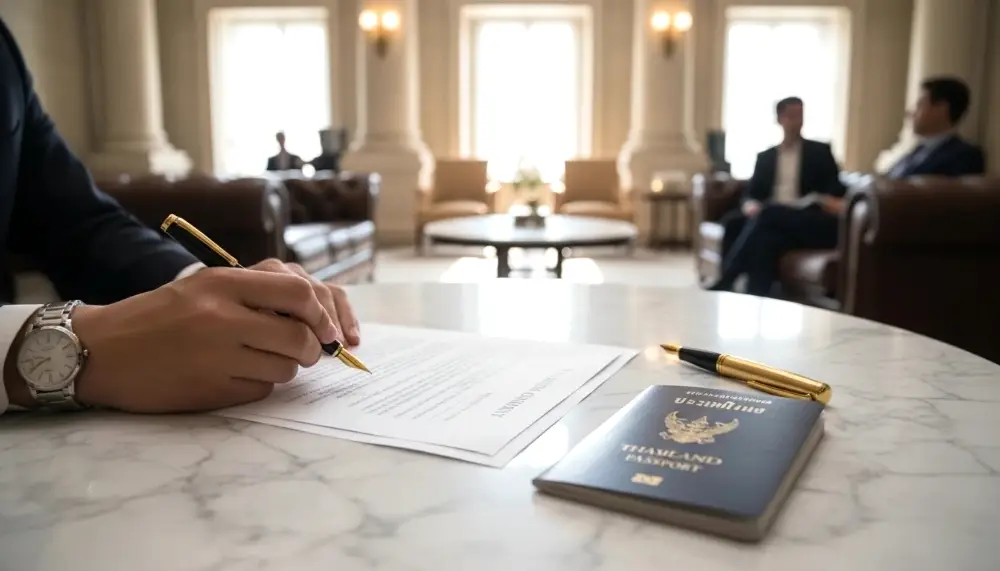

Claim the compensation you deserve for flight delays
and cancellations. Get legal support across Thailand.
Check instantly, and unlock up to €600 in government
mandated payouts the moment you land.
Being Too Nervous About Visiting
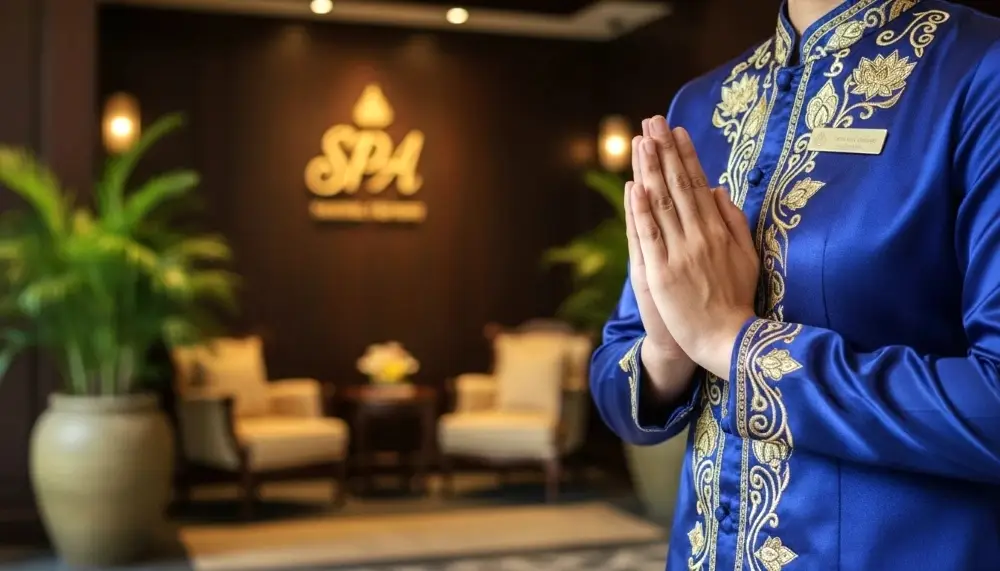
Many first-time travelers worry about visiting Thailand because it feels far away or unfamiliar.
In reality, Thailand is one of the easiest countries in Asia for international travelers.
English is widely spoken in tourist areas, transportation is well developed, and locals are incredibly helpful. Whether you’re exploring bustling street markets or relaxing on a quiet island beach, most visitors quickly feel comfortable and welcome.
Once you arrive, you’ll likely wonder why you were worried in the first place.
Practical Tips for a Smooth Trip
For first-time visitors, the fear of being scammed can create unnecessary anxiety. Thailand is significantly safer than many Western metropolitan areas. To ensure a smooth arrival:
Emergency Contact: Save “1155” in your phone. This is the Tourist Police, who speak English and are specifically trained to handle disputes between foreigners and locals.
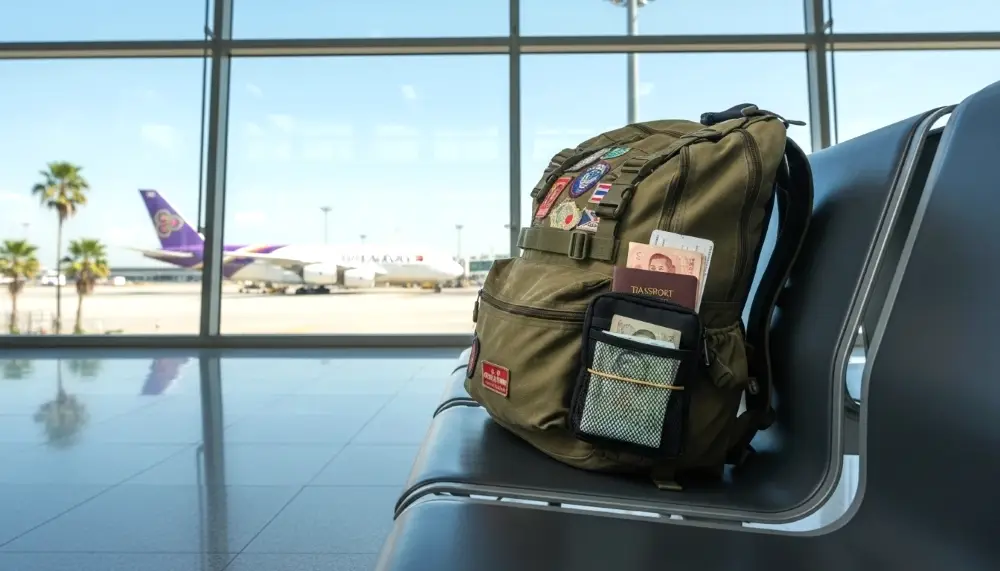
Airport Arrival: At Suvarnabhumi (BKK), ignore touts in the arrivals hall. Use the official “Public Taxi” kiosks on Level 1 or book a GrabCar to the designated pickup zone on Level 2.
Visa Entrance: As of 2026, many nationalities enjoy a 60-day visa exemption. Ensure you have proof of 20,000 THB in funds (cash or digital statement) and an onward flight, as “Entry Denial” scams by unscrupulous border agents are occasionally reported at land crossings.
FAQ’s
What are the most common scams in Thailand in 2026?
The most persistent scams include the “Attraction is Closed” scam, where drivers redirect tourists to jewelry stores, and the “Rental Damage Extortion” involving jet skis or scooters. In 2026, always check official digital displays at major sites like the Grand Palace for real-time opening hours, and always take a continuous 60-second video of any rental vehicle before signing a contract.
Is vaping legal in Thailand?
No, vaping and e-cigarettes remain strictly illegal in Thailand in 2026. Possession can lead to immediate fines of up to ฿30,000, and in some cases, deportation. Police checkpoints are common in tourist hubs like Sukhumvit in Bangkok and Bangla Road in Phuket; it is best to leave all vaping equipment at home.
What is the best way to get around without being overcharged?
To avoid “tourist tax” or rigged meters, use registered ride-hailing apps like Grab, Bolt, or Indrive. These provide transparent, GPS-tracked pricing. For public transport in Bangkok, use the ViaBus app for real-time bus tracking or the BTS/MRT lines, which are clean, fast, and cost between ฿20–฿60 per trip.
Do I need to carry a lot of cash in Thailand?
While Thailand is increasingly cashless via PromptPay, cash is still essential for street food, local markets, and island hopping. However, avoid carrying more than ฿10,000 in cash for safety. Use a digital wallet or a prepaid PAY&TOUR card for daily expenses, and only withdraw large amounts (฿20,000+) from ATMs to minimize the flat ฿220 withdrawal fee.
What should I do if I have a problem with a vendor or taxi?
If you encounter a serious issue, contact the Tourist Police by dialing 1155. They are specifically trained to handle disputes between visitors and locals and usually speak excellent English. For minor transport issues, simply report the driver through the Grab or Bolt app interface.
Continue Planning Your Trip