Thai Culture & Etiquette
Thailand is one of the most welcoming countries in the world, and for many travelers it becomes a place they return to again and again. The food, landscapes, temples, and beaches are unforgettable, but what truly makes Thailand special is the warmth of its people.
Understanding a few simple aspects of Thai culture and etiquette will make your trip smoother, more respectful, and far more rewarding. The good news is that Thailand is incredibly forgiving to visitors. Even small efforts to respect local customs are appreciated and often met with a smile.
If you’re visiting Thailand for the first time, learning a little about local culture will help you feel more confident and connected from the moment you arrive.
A Quick Guide:
In simple terms, Thai culture is built around respect, politeness, and social harmony. Visitors don’t need to memorize complicated rules just keep a few key principles in mind.
The most important ideas are:
- Respect for people, especially elders
- Respect for religion and the monarchy
- Maintaining calm and politeness in public
- Being mindful of body language
Follow these basic guidelines and you’ll find that Thailand is one of the easiest and most pleasant countries in the world to travel through.
Kindness Is Part of the Culture:
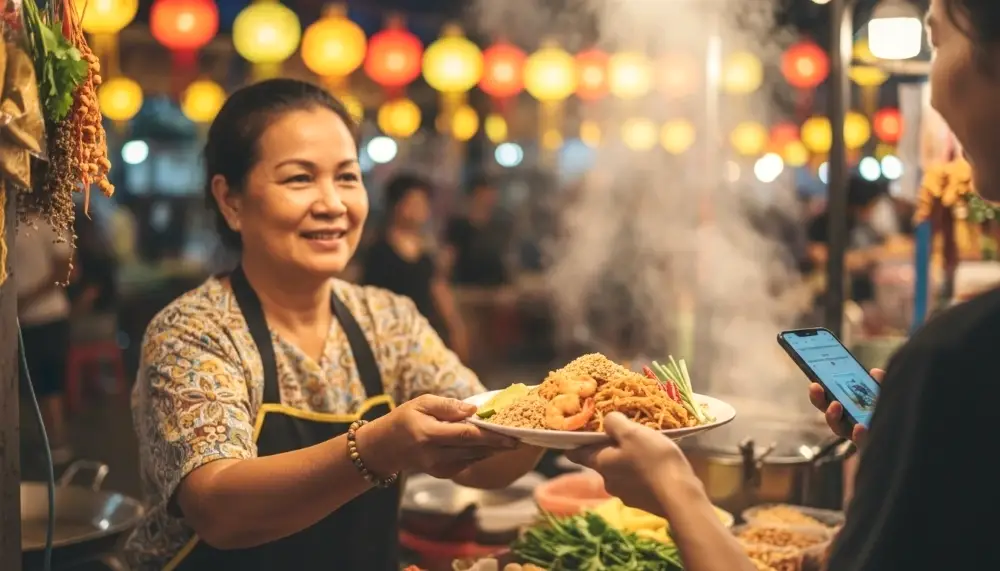
Thailand is often called “The Land of Smiles,” and it’s not just a tourism slogan. Smiling is a natural part of Thai communication and is often used to show politeness, friendliness, or even to smooth over awkward situations.
For visitors, the best approach is simple: remain calm, friendly, and patient.
Raising your voice or showing frustration rarely helps in Thailand. Instead, a relaxed attitude and a smile will usually solve problems faster than confrontation.
This easygoing approach is one of the reasons travelers quickly fall in love with the country.
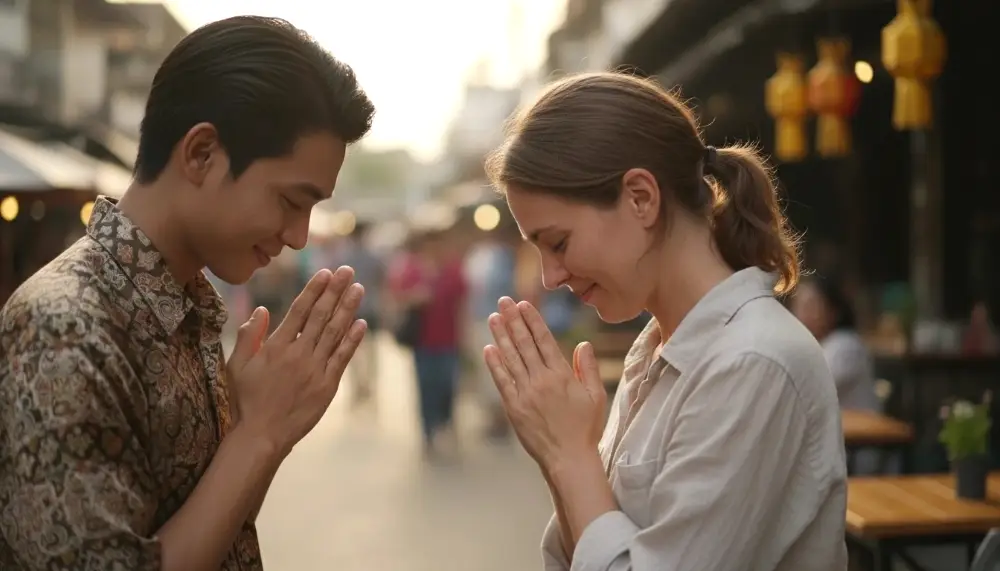
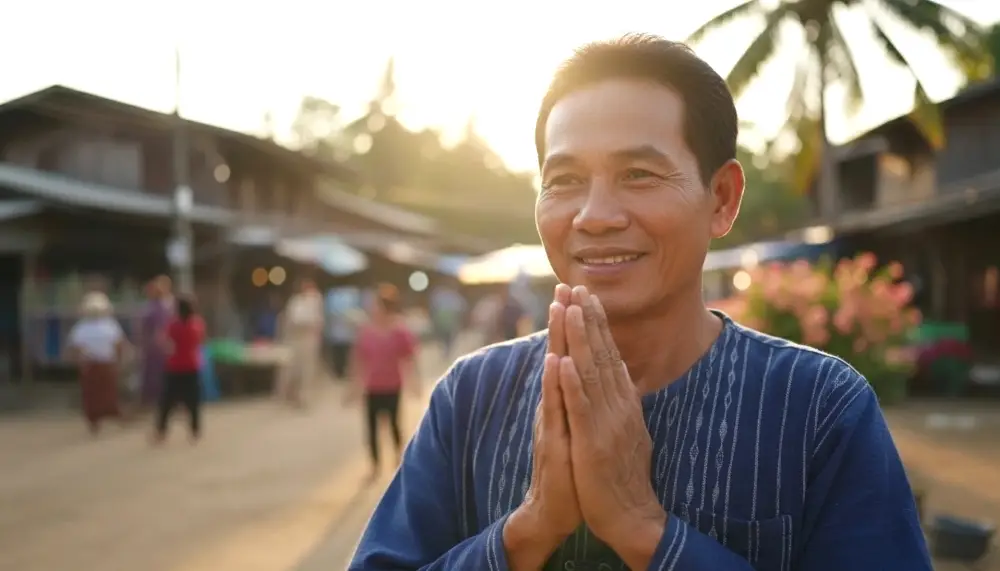
The Wai: Thailand’s Traditional Greeting
Wai is the traditional Thai greeting performed by pressing palms together at chest or face height with a slight bow. It signals status, gratitude, and apology. Generally, a younger or lower-status person initiates the Wai, while the elder or higher-status person acknowledges it with a smile or a reciprocal gesture.
The Wai is more than a hello. It is a measurement of respect. In high-traffic hubs like Siam Square or during a business meeting in Sathorn, the height of the hands dictates the level of reverence. For peers, thumbs touch the chin. For elders, thumbs touch the nose. For monks or royalty, thumbs reach the forehead. Never Wai to service staff or children; a polite nod and a smile suffice. This maintains the social equilibrium that Thais value above all else.
Some simple guidelines:
- Return a wai when someone greets you with one
- A small nod or smile is also acceptable
- Do not wai children or service staff who greet you first
- The higher the hands are placed, the more respectful the greeting
Temple Etiquette:
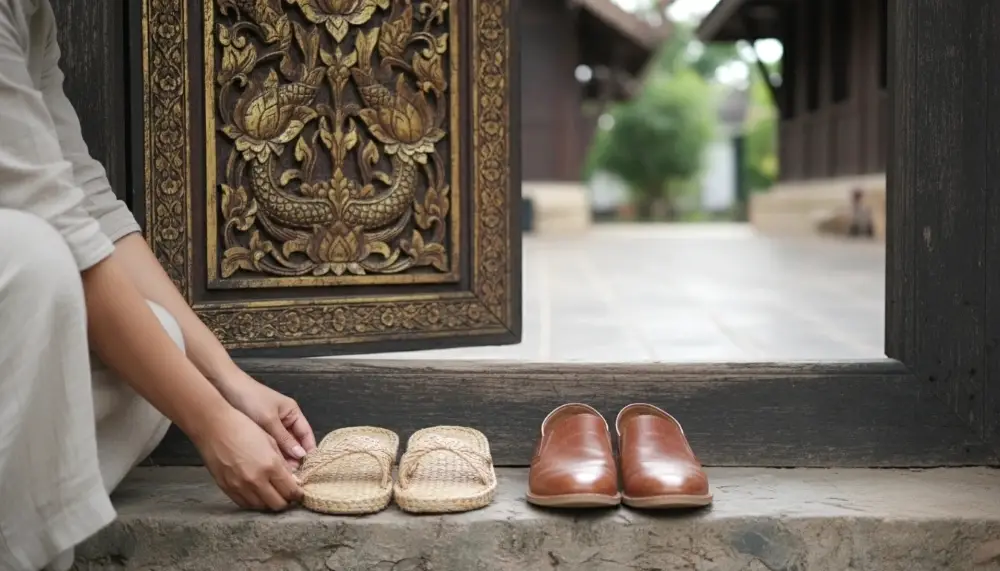
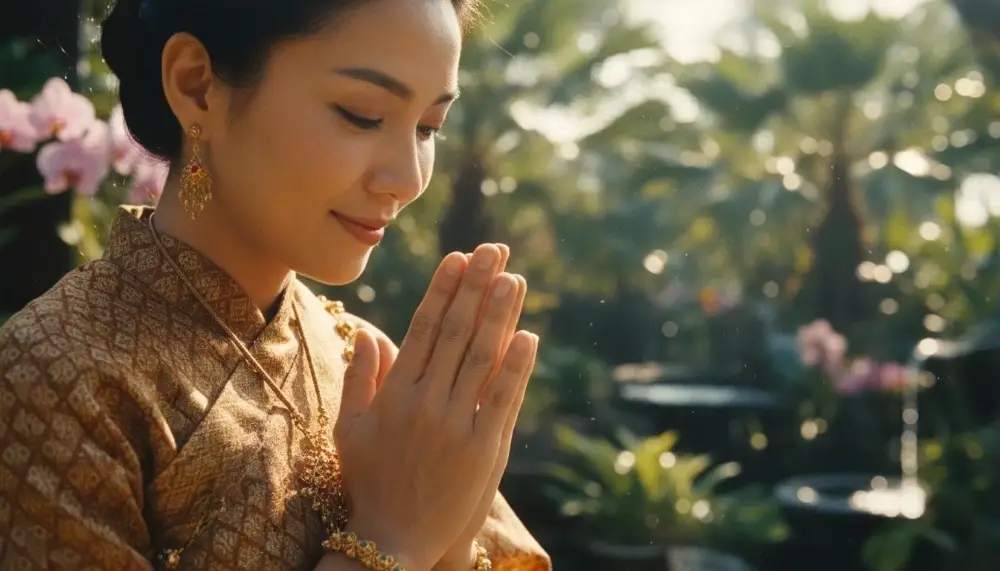
Appropriate temple attire requires covering the shoulders, chest, and knees. Sheer fabrics, ripped jeans, and sleeveless tops are prohibited in religious spaces. Carrying a lightweight sarong or linen shirt provides a quick solution for spontaneous visits to historical sites like Ayutthaya or Wat Arun.
Temples are active places of worship, so visitors should dress and behave respectfully.
Basic temple etiquette includes:
- Cover shoulders and knees
- Remove shoes before entering temple buildings
- Speak quietly and move calmly
- Never climb on Buddha statues or sacred structures
- Avoid pointing your feet toward Buddha images
| Location Type | Footwear Policy | Clothing Requirement | Expected Volume |
|---|---|---|---|
| Royal Palaces | Strictly Removed | Full length trousers/skirts | Silent/Whispered |
| Rural Forest Wats | Removed at Threshold | White or neutral modesty | Silence Mandatory |
| Urban Shrines | Usually Retained | Neat casual | Normal Ambient |
Respecting The Monarchy:
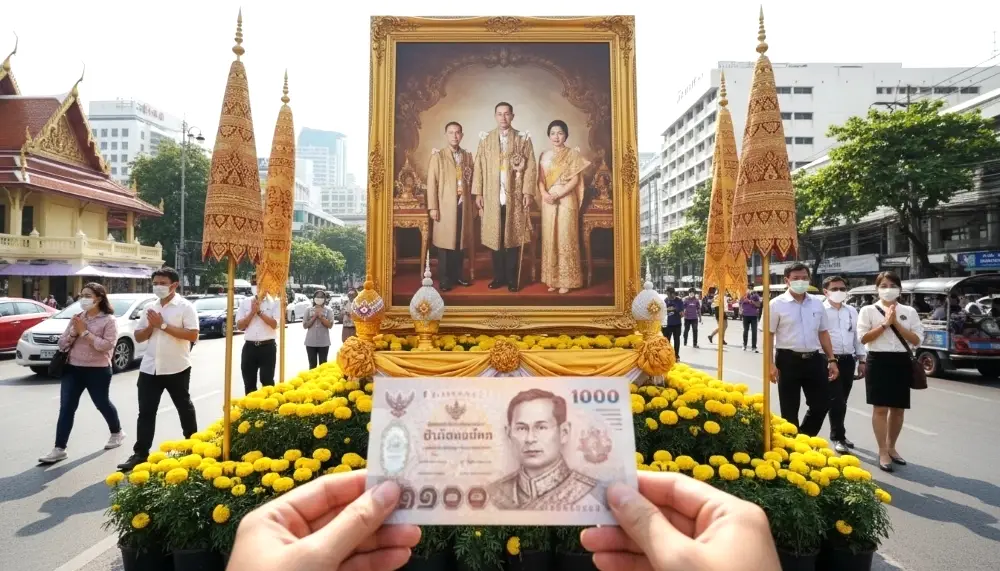
The Thai Royal Family is revered with deep sincerity. Lèse-majesté laws are strictly enforced, making any derogatory comment or act toward the King or Royal Family a serious criminal offense. This extends to physical currency, as the King’s image appears on all Thai Baht notes and coins.
At 08:00 and 18:00, the National Anthem plays in public spaces like railway stations and parks. Movement stops. Pedestrians stand still until the music concludes. If a coin or note drops, never use a foot to stop it from rolling. This act is considered a profound insult. In cinemas, expect to stand for the Royal Anthem before the film begins. Silence and stillness during these moments demonstrate a high level of cultural respect.
Visitors should always treat these images with respect.
A few important things to remember:
- Never make jokes or negative comments about the monarchy
- Stand during the royal anthem played in cinemas
- Avoid stepping on Thai currency, as it features the King
For most travelers, this simply means being respectful and aware of the importance the monarchy holds in Thai society.
Body Language Matters:
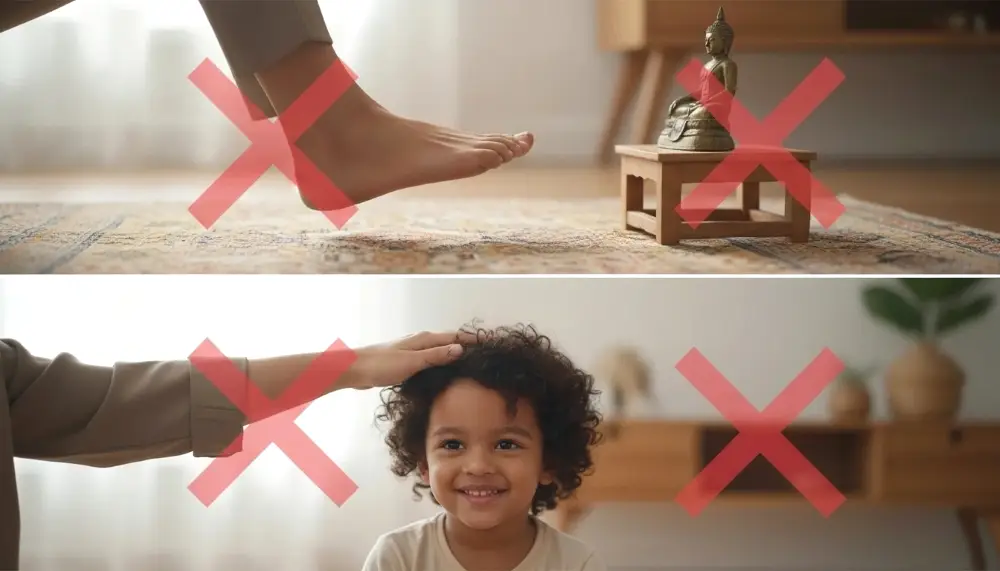
Thai culture dictates a vertical hierarchy where the head is the most sacred part of the body and the feet are the lowliest. Never touch a Thai person’s head, even a child’s, and avoid pointing feet at people, religious icons, or the King’s image on Thai Baht notes.
Walking through the narrow soi of Ari or relaxing in a Chiang Mai park requires spatial mindfulness. If accidentally stepping over someone’s legs, a quick apology is necessary.
When sitting in a temple, tuck the feet behind the body (the mermaid pose) to ensure the soles never face the Buddha. In residential areas, look for the pile of shoes outside the door; removing footwear is a non-negotiable entry requirement for homes and many independent boutiques.
Dining Etiquette and Manners:
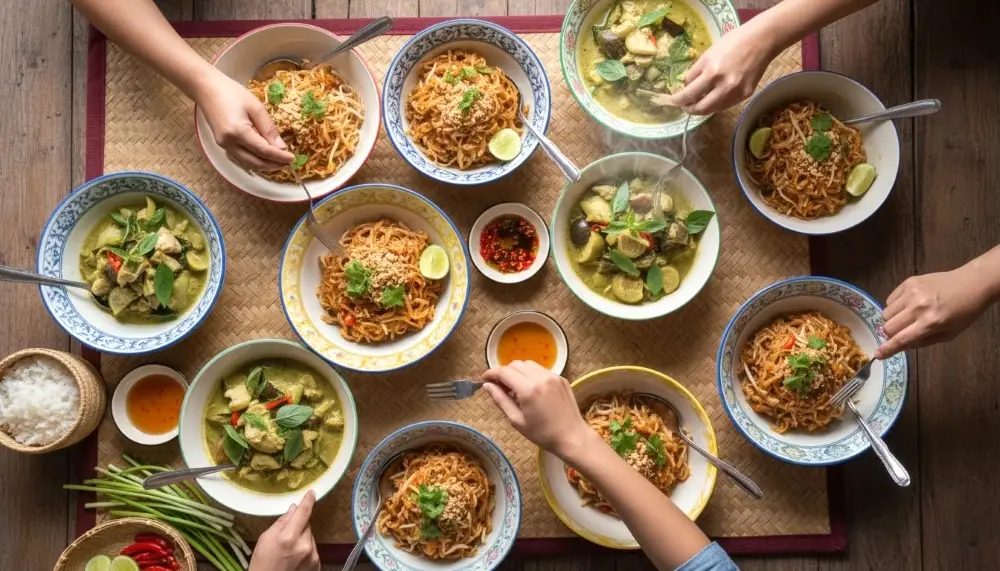
Dining is communal in Thailand. Use the spoon in the right hand to eat and the fork in the left to push food onto the spoon. Tipping is not traditionally required but is increasingly common in tourist areas. A 20 THB to 50 THB tip for porters or drivers is appreciated.
A few helpful dining tips:
- Use a spoon as your main utensil (with a fork to help push food onto it)
- Avoid sticking chopsticks upright in rice
- Wait for others to begin eating before starting
- Share dishes rather than ordering individually
Street food markets in Bangkok, Chiang Mai, and the southern islands are fantastic places to experience this social style of eating.
Trying new foods is part of the adventure.
Showing Respect to Monks:
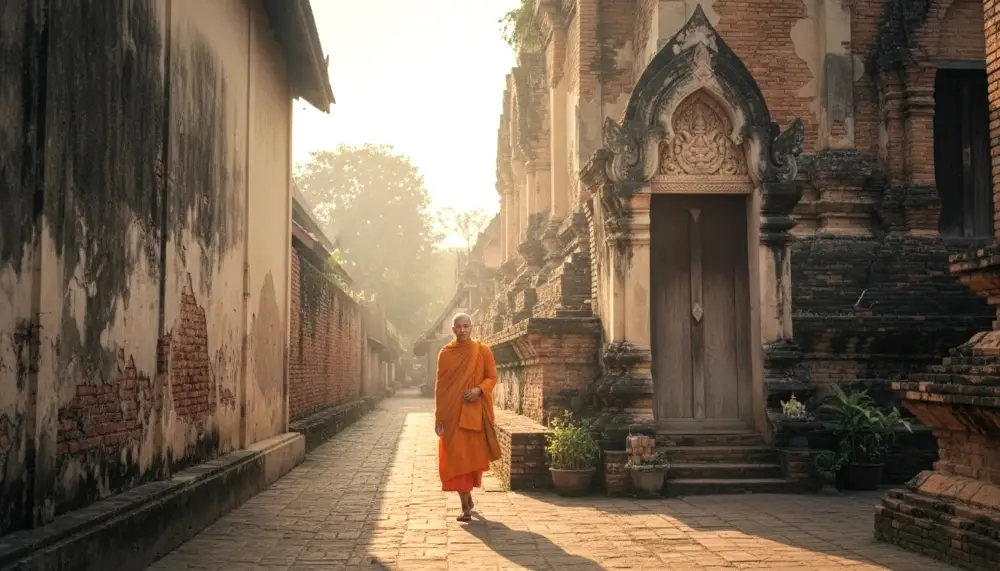
Buddhist monks are highly respected in Thai society, and you’ll see them frequently in temples, markets, and even on public transport.
Visitors don’t need to follow complex rules, but a few simple guidelines are helpful:
- Women should not touch monks
- Avoid sitting higher than a monk when possible
- Give monks space when they are walking or standing
- Dress respectfully when visiting temples
Watching monks collect morning alms is a beautiful and meaningful part of Thai daily life.
Thailand Is Very Forgiving:
One of the best things about traveling in Thailand is that locals are incredibly understanding toward visitors.
No one expects tourists to know every cultural rule. If you accidentally make a mistake, it’s rarely a big deal.
What matters most is attitude.
If you’re friendly, respectful, and open to learning, Thai people are usually delighted that you are interested in their culture.
Many travelers arrive feeling nervous about doing something wrong, but quickly realize how welcoming and relaxed the country truly is.
Cultural Awareness:
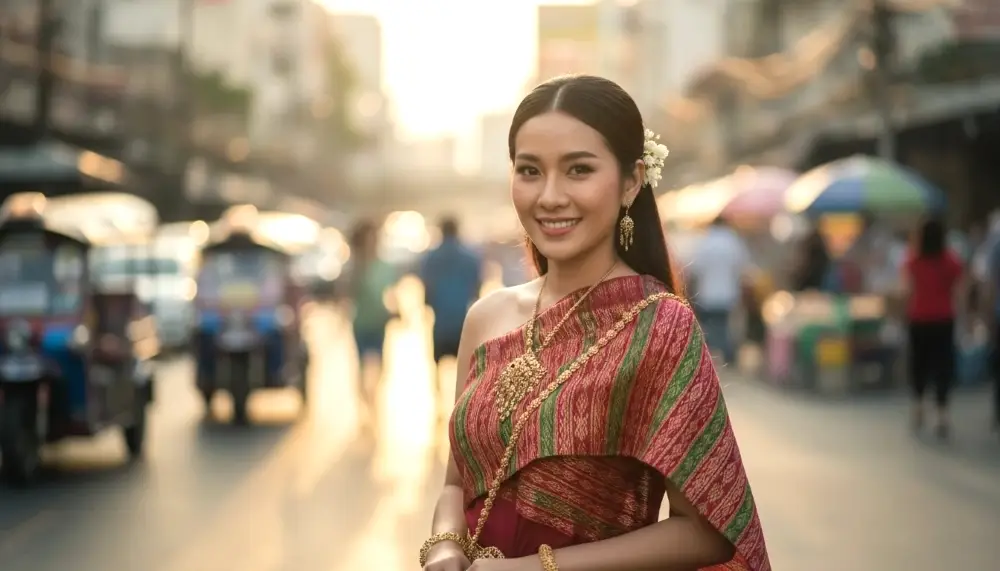
(Ruk Sa Na) is the practice of avoiding public confrontation, criticism, or embarrassment. Raising one’s voice or displaying anger is viewed as a loss of self-control and results in an immediate breakdown of communication. Calm, soft-spoken negotiation always yields better results.
Simple gestures like returning a wai, dressing respectfully at temples, or sharing food the local way help create genuine connections.
Whether you’re exploring the temples of Bangkok, wandering through night markets in Chiang Mai, or relaxing on the beaches of the southern islands, cultural awareness helps you experience Thailand more deeply.
Pro Tips:
Apps: Download Grab or Bolt for transparent ride-hailing prices. Use Klook for pre-booked tours to avoid “tourist pricing.” Yesim or Nord VPN ensures secure connectivity for digital nomads.
Currency: Always carry small denominations of THB. Many local vendors cannot break a 1,000 THB note.
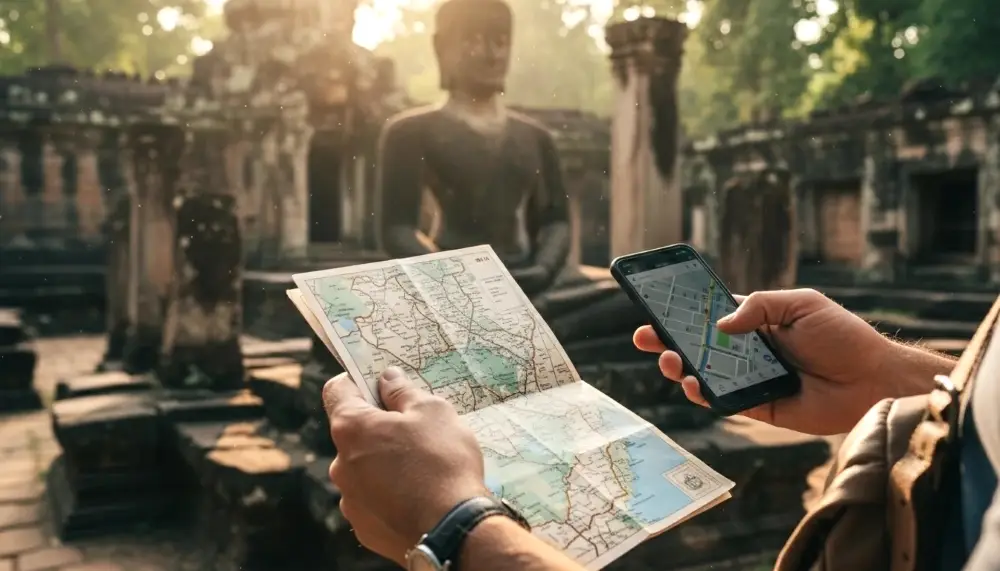
Navigation: Use Google Maps but verify with Apple Maps in rural areas like Mae Hong Son for better terrain accuracy.
FAQ: Common Etiquette Questions
Is it okay to wear a Buddha tattoo?
While not illegal, visible Buddha tattoos are considered highly offensive and “low culture.” Cover them with clothing or bandages when entering temples or government buildings.
Can I use my left hand to give items?
The right hand is the “clean” hand for giving and receiving. Using both hands to hand over a gift or credit card is a sign of high respect.
What should I do if I hear the National Anthem?
Stop walking immediately and stand at attention until the music stops. If you are sitting, stand up. Follow the lead of the Thais around you.
Do I need to tip my Grab driver?
It is not mandatory, but rounding up the fare to the nearest 20 THB or 50 THB is a kind gesture that goes a long way in the gig economy.
Continue Planning Your Trip