Phuket Old Town Guide
This site contains affiliate links. We may earn a commission at no extra cost to you.
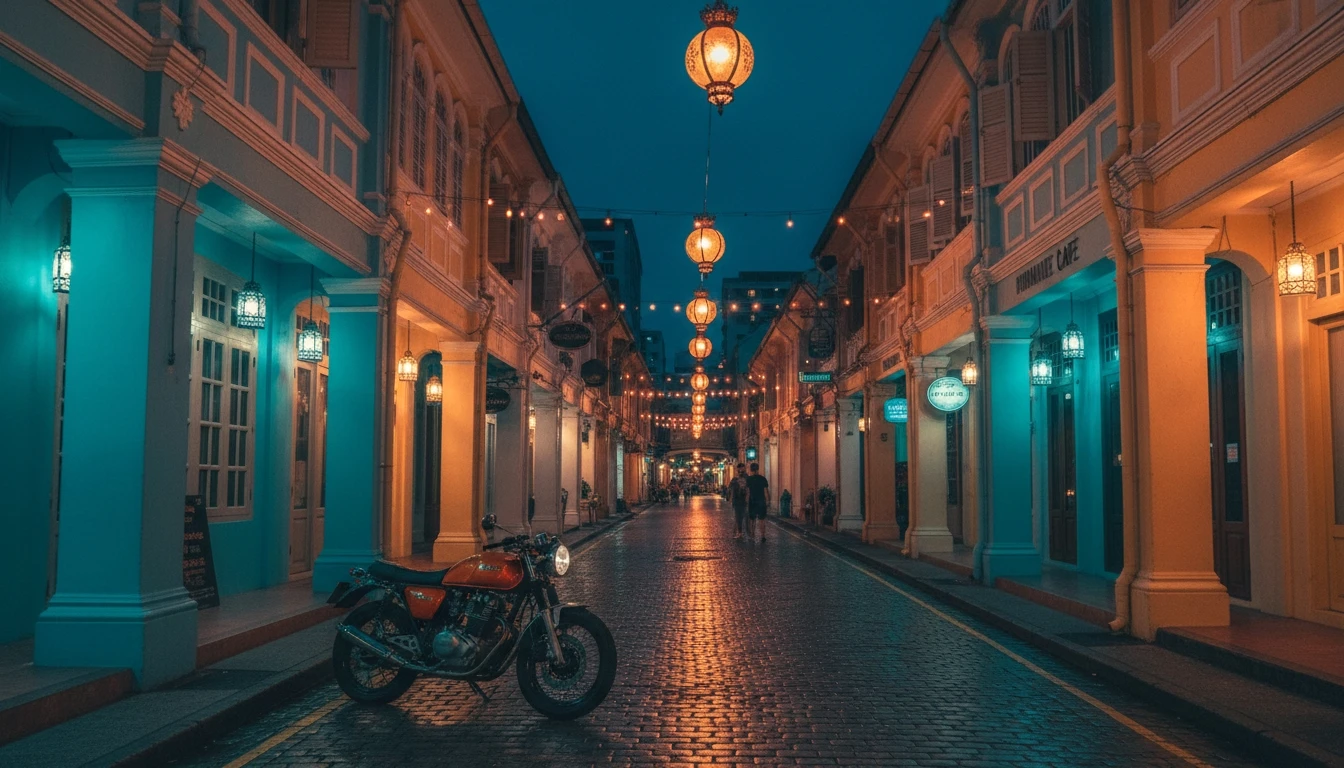
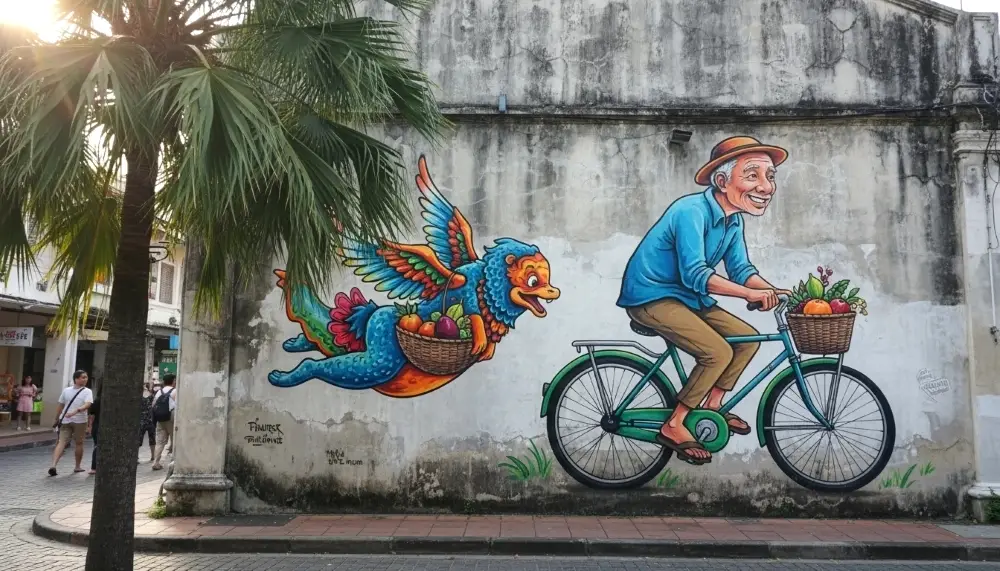
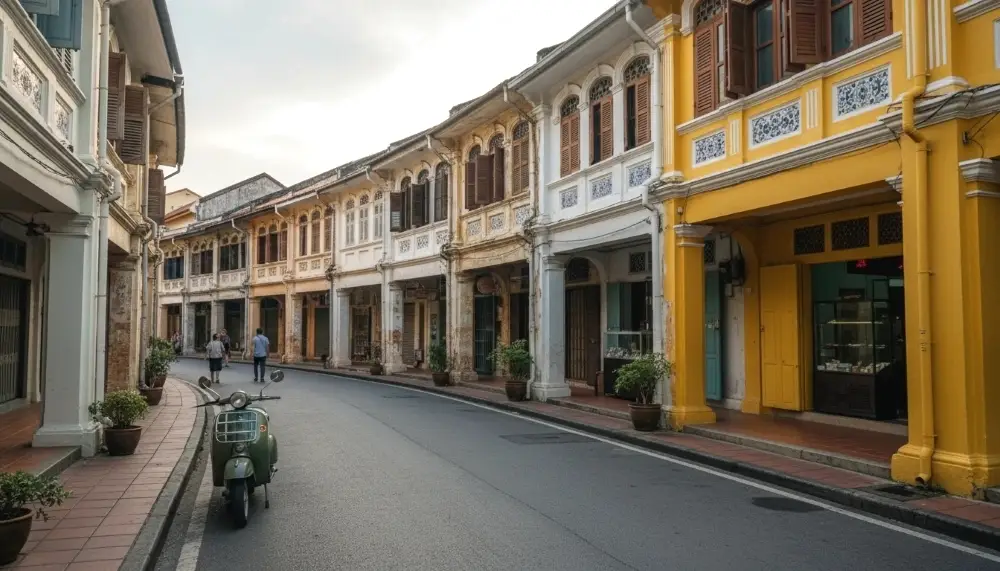
Walking through these historic streets feels like stepping into a different era. Pastel shop houses, lively markets, cosy cafés, and vibrant street art create a setting that feels both relaxed and full of life.
If you’re planning your first trip to Thailand, Phuket Old Town is one of those places that helps you understand the country beyond its famous beaches.
The Quick Summary:
Budget: 1,500 THB to 4,500 THB per day for a mid-range experience including boutique heritage stays and premium dining.
Entry Requirements: Most visitors enter via the 60-day Visa Exemption or the Tourist Visa; have proof of 20,000 THB in funds and a return flight ready.
Regional Variance: Unlike the coastal beach clubs of Patong or Bang Tao, Phuket Old Town focuses on architectural preservation, artisanal coffee culture, and Peranakan history.
Best Time to Visit: November to April offers the best light for photography, though the rainy season provides dramatic clouds and fewer crowds.
Transport: Use the Grab or Bolt apps for fixed-price transit from the airport to avoid the high-pressure taxi stalls.
Is Phuket Old Town Worth Visiting?
Yes! absolutely.
Phuket Old Town is one of the most interesting cultural areas in southern Thailand. It offers a beautiful mix of history, architecture, food, and local life that you won’t find in the resort areas.
Visitors come here to:
- Walk colourful historic streets
- Discover local markets and street food
- Visit temples and Chinese shrines
- Explore cafés, art shops, and boutiques
- Experience authentic Phuket culture
Even if you’re staying at one of Phuket’s famous beach resorts, spending half a day or an evening exploring the Old Town is highly recommended.
What Makes Phuket Old Town So Special?
Phuket’s Old Town tells the story of the island’s past. In the 19th century, Phuket became wealthy through tin mining, attracting traders from China, Malaysia, and Europe.
The result is a fascinating blend of cultures reflected in the architecture and food.
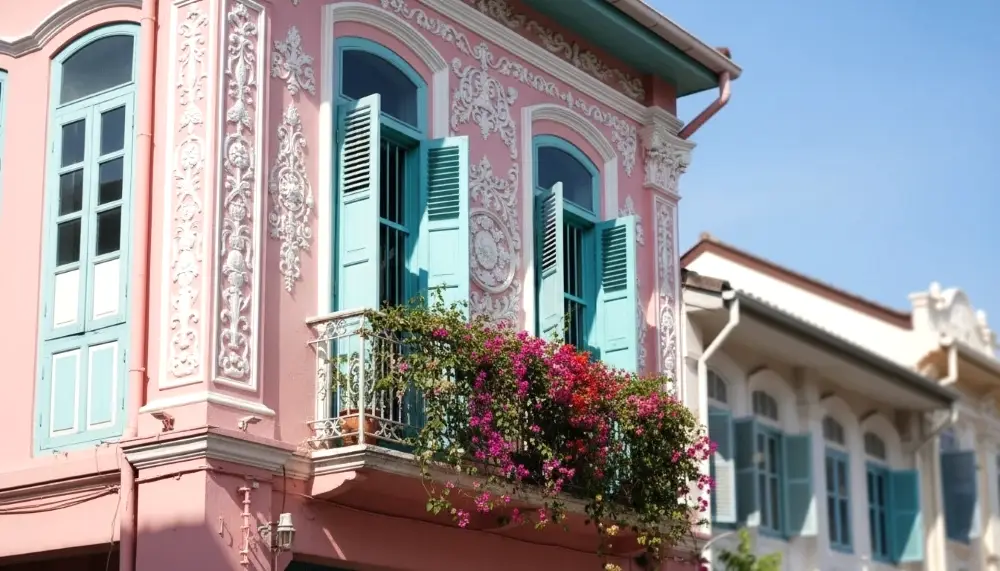
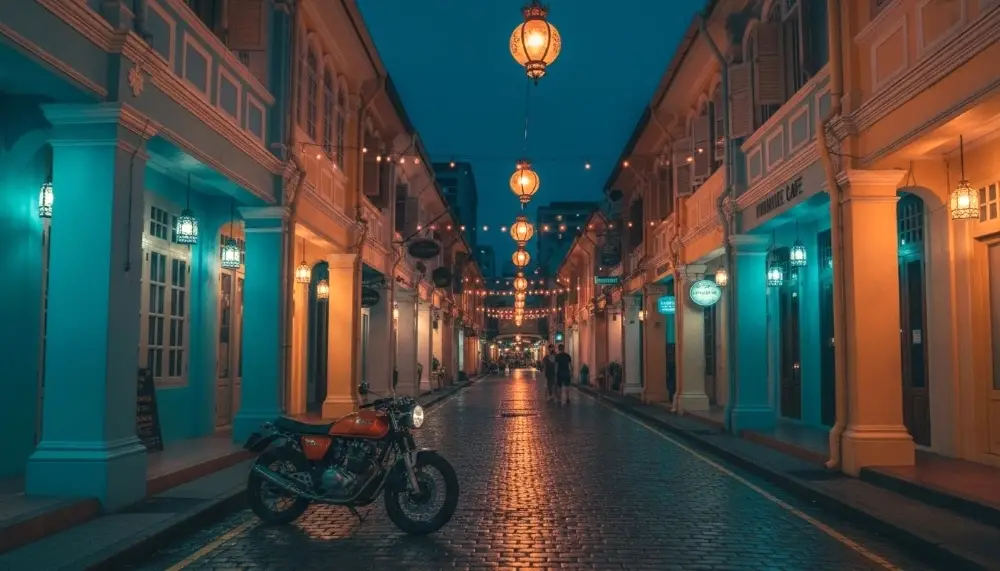
The streets are lined with beautifully restored Sino-Portuguese buildings, known for their colourful facades, wooden shutters, and elegant archways. Today many of these historic buildings house cafés, boutique hotels, art galleries, and restaurants.
This mix of history and modern creativity gives the Old Town a lively, welcoming atmosphere that visitors love.
The Architectural Legacy of Thalang Road:
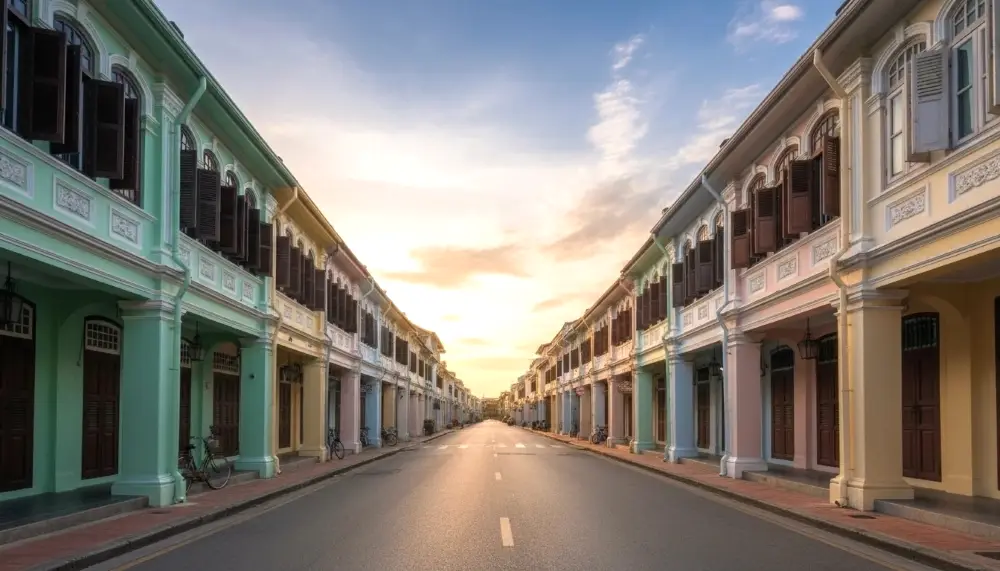
The Sino-Portuguese architecture of Phuket Old Town is a 19th-century stylistic fusion resulting from the tin-mining boom. It combines European neoclassical elements, such as arched windows and Greek columns, with Chinese functional design like internal courtyards and terracotta roof tiles, creating a distinct “Shophouse” aesthetic unique to the Andaman region.
Walking down Thalang Road feels like stepping into a living museum where the air carries the scent of roasted coffee and old wood. The rows of colorful shophouses, known locally as “Ruen Panya,” represent the wealth of the tin barons who shaped the island’s destiny. These structures were built with deep, narrow footprints to maximize street frontage while providing ventilated living spaces in the tropical heat.
The rhythmic repetition of the “Five-Footways” (Am-Kha-Kee) provides a shaded pedestrian passage that connects the community. While many buildings now house high-end boutiques or craft workshops, the structural integrity remains a testament to the Hokkien immigrants and European merchants who collaborated here. Avoid the midday heat by arriving at 08:00 when the light hits the pastel facades perfectly for photography before the crowds arrive via tour buses from the western beaches.
Soi Romanee
Just off Thalang Road is the beautifully restored Soi Romanee, consistently ranked as one of the most photographed streets in Phuket. Once a bustling district of gambling dens and brothels serving the 19th-century tin miners, it has been transformed into a vibrant pedestrian passage that connects the community.
Photography Tip: Avoid the midday heat by arriving at 08:00 when the light hits the pastel facades perfectly for photography before the crowds arrive via tour buses from the western beaches.
Visual Aesthetic: The buildings here are painted in bright pink, yellow, and blue, creating a cheerful and almost storybook-like setting against the tropical sky.
Modern Utility: While many buildings now house high-end boutiques, guest houses, or craft workshops, the structural integrity remains a testament to the Hokkien immigrants and European merchants who collaborated here.
Dibuk Road
Dibuk Road is quieter than the main thoroughfares but just as charming. Named after the tin (dibuk) that built the island’s initial wealth, this street offers a more residential and authentic glimpse into the Sino-Portuguese architectural style.
Local Commerce: This area is home to traditional print shops and family-run hardware stores that have stood for generations, offering a grounded contrast to the more tourist-centric Thalang Road.
Atmosphere: It’s a great place to wander if you want to escape the crowds while still enjoying historic buildings and local shops.
Architectural Detail: Look for the open-air “five-foot-way” (ngo-ka-kee) walkways—the covered arched passages that allowed residents to move through the neighborhood protected from both monsoon rains and the scorching sun.
Navigating the Heritage Districts:
Phuket Old Town consists of five primary streets: Thalang, Dibuk, Phang Nga, Yaowarat, and Krabi Road. Each district offers a specific historical focus, from the administrative elegance of the Thai Hua Museum to the vibrant street art and textile shops that line the Soi Rommanee alleyway.
| District | Primary Characteristic | Notable Entity |
|---|---|---|
| Thalang Road | Commercial Heart | Sunday Walking Street Market |
| Soi Rommanee | Aesthetic Heritage | The Pink House (Former Brothel) |
| Krabi Road | Educational / Museum | Thai Hua Museum |
Temples and Shrines to Visit:
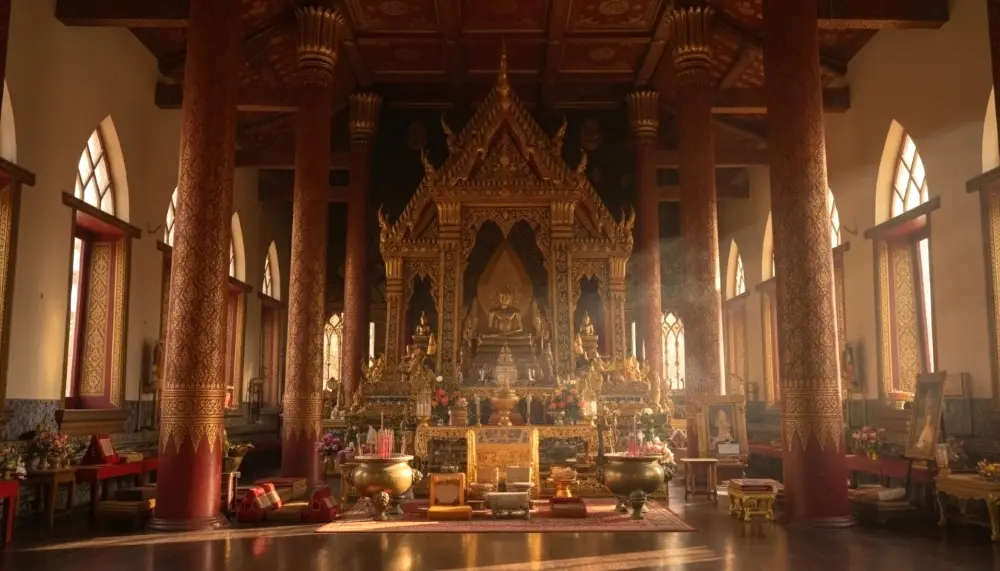
Phuket Old Town isn’t only about architecture — it’s also home to several important temples and Chinese shrines that reflect the island’s cultural mix.
Some interesting spots include:
- Wat Mongkol Nimit – a peaceful Thai Buddhist temple near the Old Town centre
- Jui Tui Shrine – one of Phuket’s most important Chinese shrines
- Put Jaw Temple – a historic temple known for its traditional design
Even if you’re not religious, these places offer a fascinating glimpse into local beliefs and traditions.
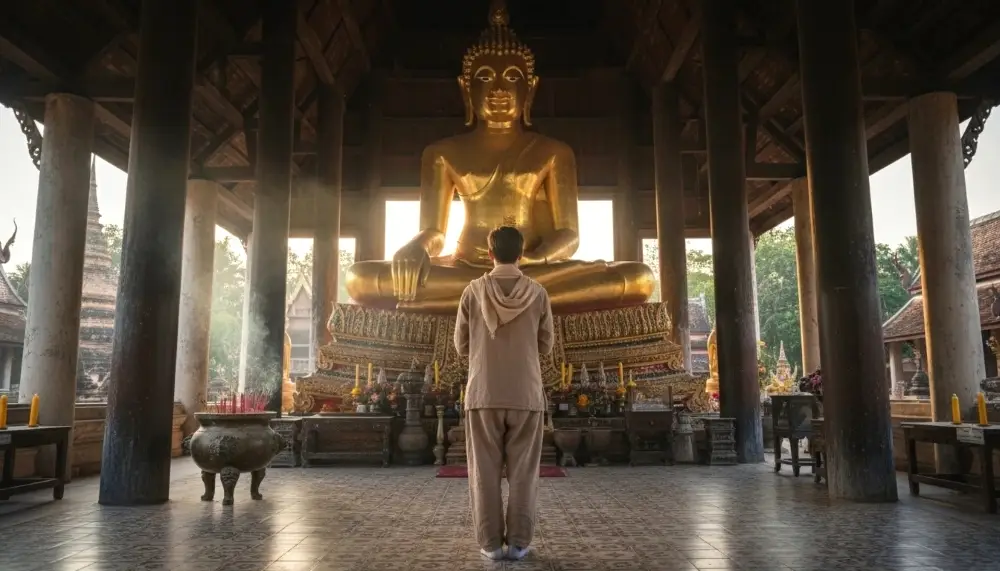
Visitors should dress respectfully when entering temples, covering shoulders and knees when possible.
The Peranakan Culinary Identity:
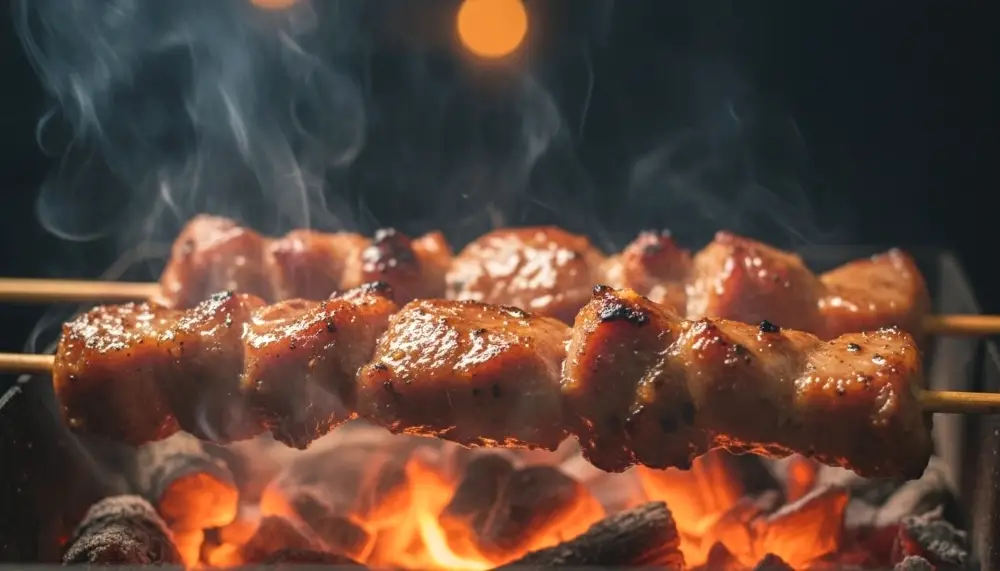
Phuket’s food culture is recognized as a UNESCO City of Gastronomy, defined by the “Baba-Nyonya” or Peranakan style. This cuisine blends Chinese ingredients like fermented soy and pork with Southern Thai spices, turmeric, and coconut milk, resulting in complex dishes such as Moo Hong (braised pork belly) and Oh-Eaw (shaved ice dessert).
The authentic flavors of the town are found in the small, unassuming shops rather than the flashy restaurants with Westernized menus. For a true taste of the island, seek out “Hokkien Mee” served in heavy ceramic bowls. The richness of the broth is a point of pride for third-generation vendors.
When dining, be aware of the “Plus Plus” (++). This refers to the 10% service charge and 7% Value Added Tax (VAT) often added to the bill in established restaurants. Tipping is not a traditional Thai requirement, but rounding up to the nearest 100 THB or leaving a 50 THB note for exceptional service in heritage boutiques is a gracious gesture that supports the local economy.
The Famous Sunday Walking Street Market
If your travel plans allow it, try to visit Old Town on a Sunday evening.
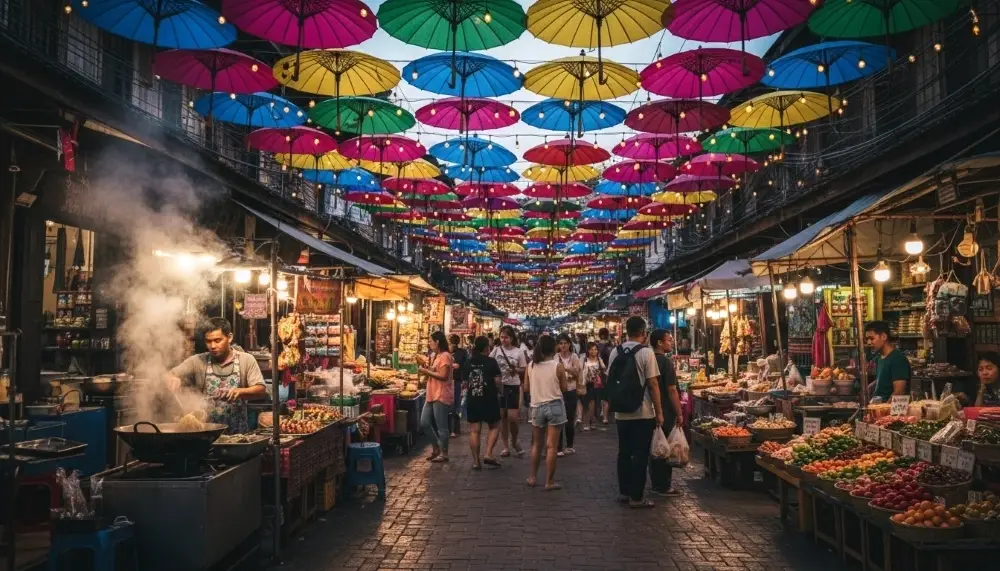
The Sunday Walking Street Market on Thalang Road is one of Phuket’s most enjoyable cultural experiences.
From around 4pm onwards, the entire street fills with:
- Street food stalls
- Handmade crafts
- Local clothing and souvenirs
- Live music and performances
The atmosphere is lively but friendly, making it a great introduction to Thai night markets for first-time visitors.
When Is the Best Time to Visit?
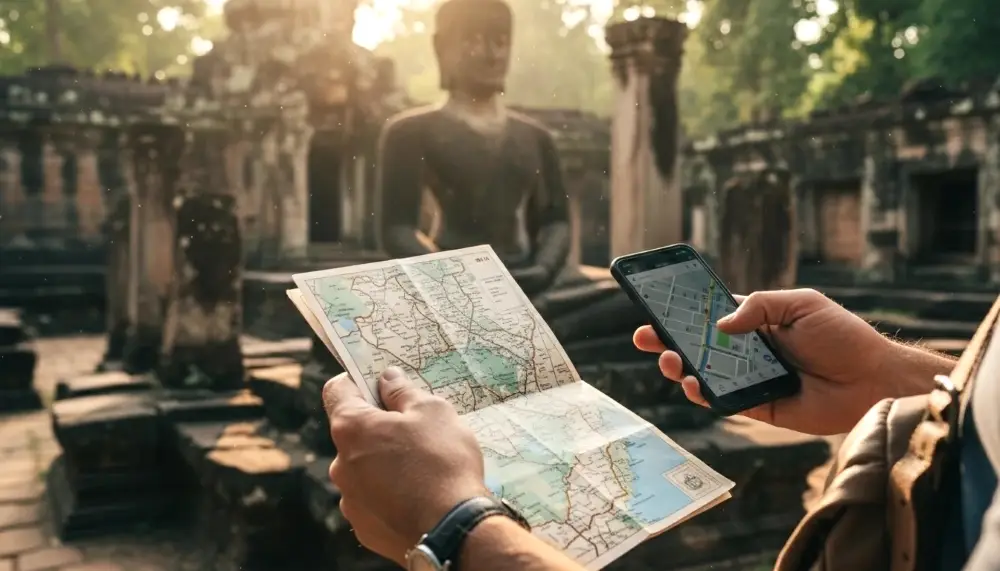
Phuket Old Town is a year-round destination, but strategic timing can significantly enhance your experience. While the architecture remains stunning regardless of the season, navigating the historic streets is best done outside of the midday peak.
The Photography Edge: Arriving early not only helps you beat the heat but also allows you to photograph famous spots like Soi Romanee before the large tour groups arrive.
Optimal Windows: Early morning (before 09:00) and late afternoon (after 16:30) are ideal because the temperatures are cooler and the lighting is perfect for capturing the vibrant colors of the Sino-Portuguese buildings.
Sundays in Old Town: If your schedule allows, visit on a Sunday afternoon to witness the Thalang Road “Lard Yai” Walking Street Market, which transforms the heart of the district into a lively festival of food and local crafts.
Strategic Itinerary: Many visitors combine a morning in Old Town with an afternoon at one of Phuket’s nearby beaches, such as Rawai or Nai Harn, to balance cultural exploration with coastal relaxation.
Pro Tips For Stress Free Travel:
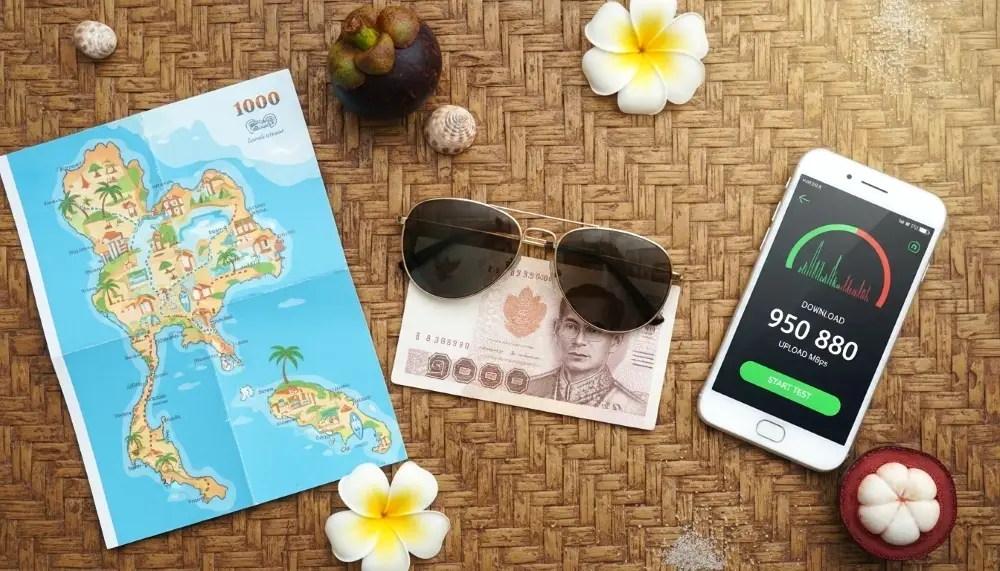
Transport: Download Grab and Bolt. These apps provide transparent pricing and prevent the “Tourist Tax” often encountered with street-side tuk-tuks.
Connectivity: Use Yesim or an eSim from Klook for immediate 5G access upon landing.
Navigation: Google Maps is reliable, but ensure you have a Nord VPN active if accessing public Wi-Fi in heritage cafes for security.
Accommodation: Book boutique stays via Agoda or Booking.com specifically within the “Old Town” filter to avoid being placed in the hilly outskirts.
Tours: Use Get Your Guide to book historical walking tours that include access to private mansions like the Baan Chinpracha.
Is Phuket Old Town Safe for Tourists?
This is something many first-time travellers wonder about.
The good news is that Phuket Old Town is considered very safe and tourist-friendly. The area is popular with both locals and visitors, and crime rates are very low.
Thailand as a whole is one of the easiest countries in Southeast Asia for new travellers to explore.
If you’ve been considering visiting places like Bangkok, Chiang Mai, or the southern islands but feel slightly nervous, Phuket Old Town is actually a perfect introduction to Thai culture in a calm and comfortable setting.
Final Thoughts: A Must-Visit Stop in Phuket
Phuket Old Town is one of those places that surprises travellers.
What begins as a simple walk through colourful streets often turns into a relaxed afternoon of café hopping, temple visits, street food discoveries, and photography.
For first-time visitors to Thailand, it’s a wonderful reminder that the country is far more than beaches alone.
Whether you start your journey in bustling Bangkok, explore the temples of Chiang Mai, or relax on the southern islands, experiences like Phuket Old Town help make Thailand unforgettable.
And once you’ve wandered these vibrant streets, you’ll likely find yourself wanting to explore even more of what Thailand has to offer.
Frequently Asked Questions
Is Phuket Old Town worth visiting for a day trip?
Absolutely. A single day allows enough time to walk the main loop of Thalang and Dibuk roads, visit the Thai Hua Museum, and experience the Sunday Lard Yai Market.
What is the best way to get from Patong to Old Town?
The most cost-effective method is the Phuket Smart Bus, but for speed and comfort, a Grab car costing approximately 500–700 THB is the standard choice.
Is the Sunday Walking Street Market too crowded?
The market on Thalang Road starts at 16:00. It becomes very busy by 19:00. Arrive early to eat comfortably before the peak crowds make navigation difficult.
Can I wear shorts in Phuket Old Town?
Yes, shorts and casual summer wear are acceptable for walking the streets. However, if you plan to enter any Buddhist temples, your shoulders and knees must be covered.
Continue Planning Your Trip