Best Beaches In Phuket
This site contains affiliate links. We may earn a commission at no extra cost to you.
Phuket is one of the most famous travel destinations in Thailand — and for good reason. With its warm turquoise waters, dramatic limestone scenery, and soft golden sand, the island offers some of the most beautiful beaches in Southeast Asia.
Explore the best beaches in Phuket so you can find the perfect place to relax, swim, and soak up Thailand’s incredible coastal beauty.
The Quick Summary:
Best for Families: Kata and Karon offer soft sands and extensive dining without the intensity of Patong.
Best for Nightlife: Patong remains the undisputed center for beach clubs and neon-lit entertainment.
Best for Seclusion: Freedom Beach and Banana Beach provide a reprieve from commercial development.
Budgeting: Expect to pay 100 THB to 300 THB for beach chair rentals in developed areas.
Transport: Use Grab or Bolt to avoid the high fixed costs of local tuk-tuks.
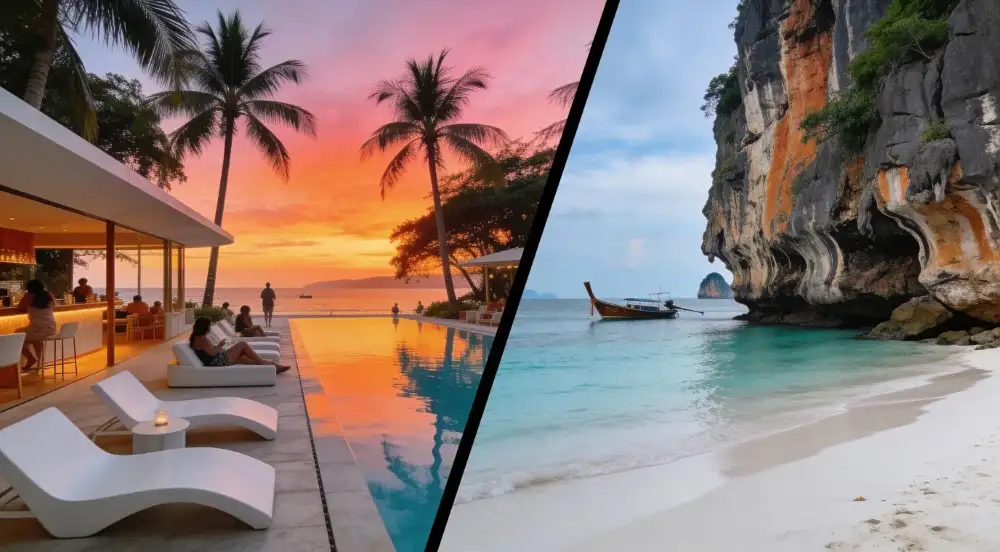
What Are The Best Beaches In Phuket?
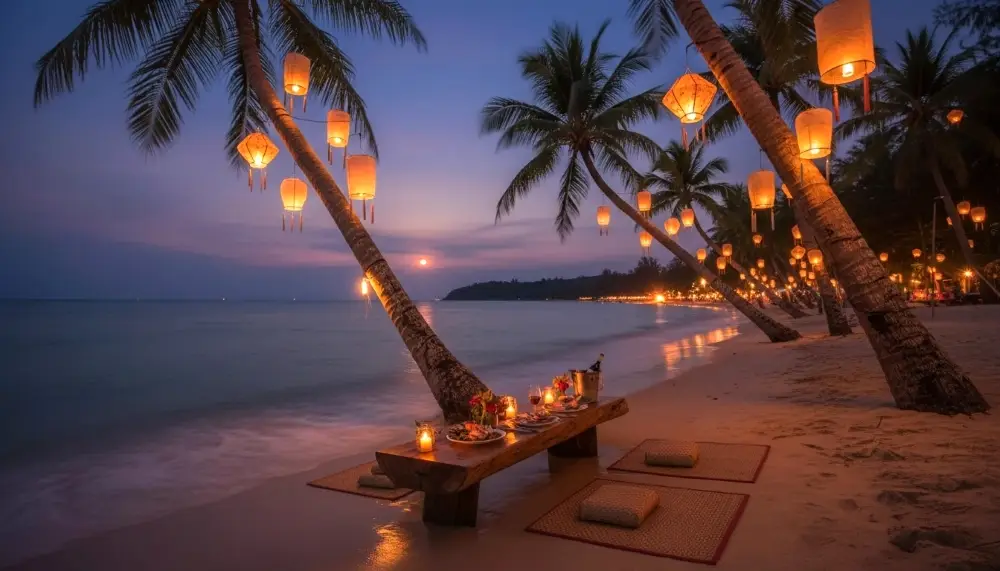
If you’re visiting Phuket for the first time, these beaches consistently rank among the best:
- Patong Beach – lively, energetic, and famous for nightlife
- Kata Beach – great for swimming and beginner surfers
- Karon Beach – long, wide beach with plenty of space
- Freedom Beach – one of Phuket’s most beautiful hidden gems
- Nai Harn Beach – peaceful and loved by locals
- Bang Tao Beach – luxury resorts and quiet stretches of sand
Each beach has a completely different atmosphere, which is one of the reasons Phuket is such a fantastic destination for travelers.
Patong Beach: Phuket’s Famous Social Hub
Patong is the definitive choice for travelers prioritizing proximity to world-class nightlife, massive shopping malls, and dense concentrations of international dining. It functions as Phuket’s logistical hub, offering the highest volume of budget accommodation and the most direct access to the island’s primary entertainment artery, Bangla Road.
Patong operates at a frantic, captivating frequency. The streets are a sensory overload of glowing signage and the rhythmic thumping of Muay Thai advertisement trucks. Kalim Beach, located at the northern edge, provides a sophisticated alternative to the main strip, featuring high-end cliffside dining and street food markets that cater to locals.
For those seeking authenticity amidst the commercialism, the Banzaan Fresh Market offers a glimpse into Thai daily life. Purchase fresh seafood on the ground floor and take it upstairs to be cooked for a small fee in THB. This is the real Patong: raw, energetic, and unapologetically loud. Avoid the overpriced “seafood sets” on the main beach road; these are designed for tourists and rarely reflect true local flavors.
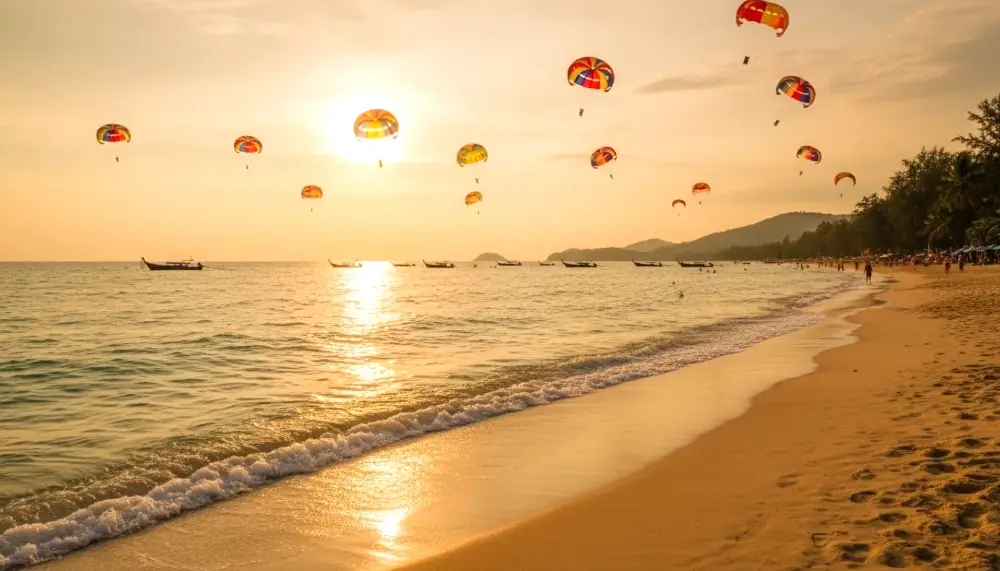
Kata Beach: Beautiful And Balanced
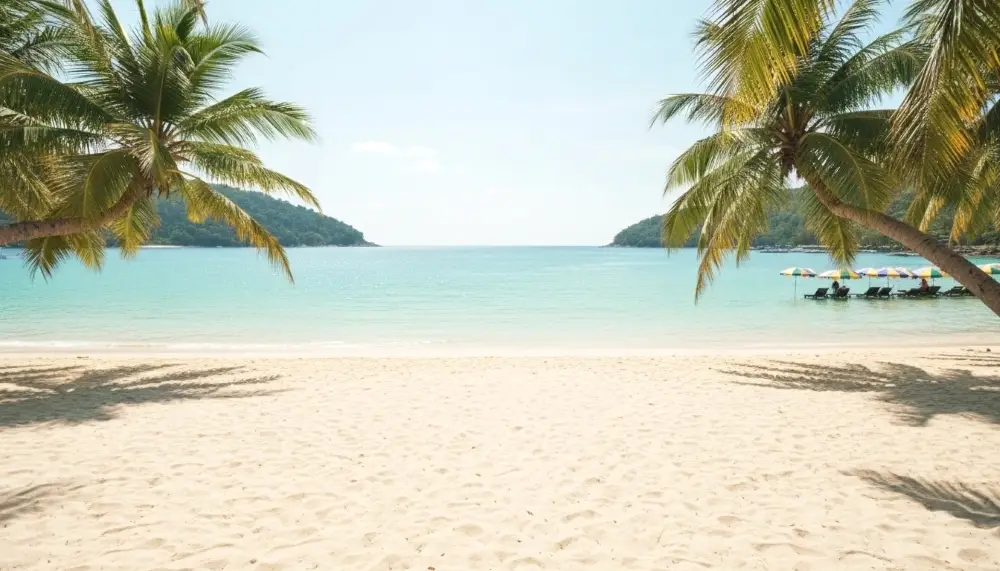
Kata Beach represents the ideal compromise for visitors seeking high-quality swimming conditions, a thriving surf scene, and a family-friendly environment. Situated south of Karon, it provides a more curated experience than Patong while remaining significantly more affordable and accessible than the exclusive northern enclaves of Bang Tao.
Kata is split into Kata Yai (the main beach) and Kata Noi (the smaller, secluded bay). The northern end of the main bay is famous for its surf schools and the “Flow House” simulated wave park. During the monsoon season from May to October, the swells attract a dedicated surfing community, transforming the town into a bohemian coastal village.
Walking through the backstreets of Kata reveals a blend of yoga studios, Scandinavian bakeries, and traditional Thai massage parlors. The Karon Viewpoint is a short drive away, offering the iconic three-bay vista of Kata Noi, Kata, and Karon. When dining, look for “Mama” shops: small, family-run eateries where a plate of Pad Krapow costs less than 100 THB.
Karon Beach: Wide, Spacious, And Relaxing
Just north of Kata Beach, Karon Beach stretches for nearly 3 kilometers. Because it’s so large, it rarely feels overcrowded even during the busiest months.
The sand here is slightly coarser and famously makes a soft squeaking sound when you walk on it.
Visitors love Karon Beach because it offers:
- Plenty of space to relax
- Great sunset views
- Clean swimming areas
- A quieter atmosphere than Patong
If you want a classic tropical beach experience without the party crowds, Karon is a fantastic option.
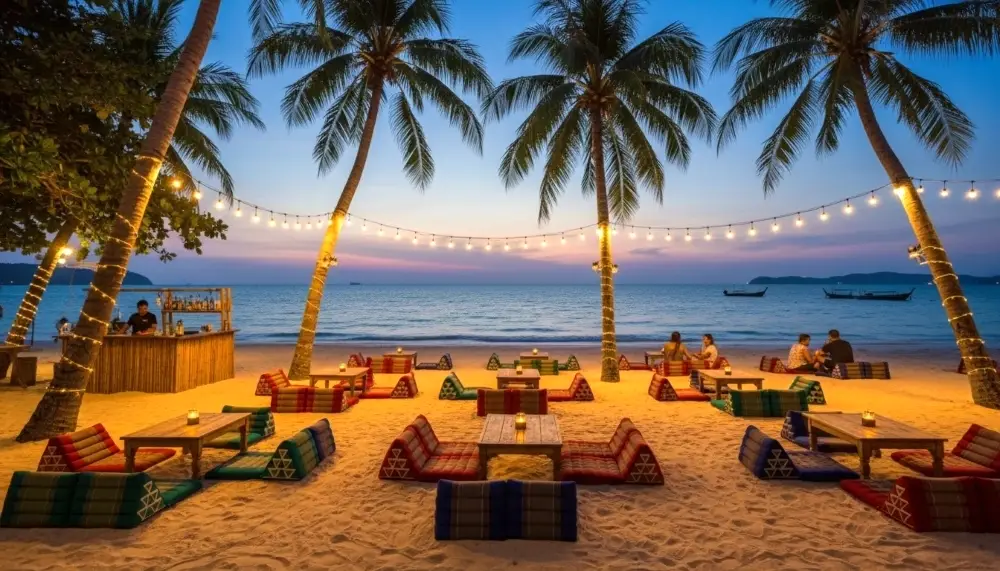
Freedom Beach: A Hidden Tropical Paradise
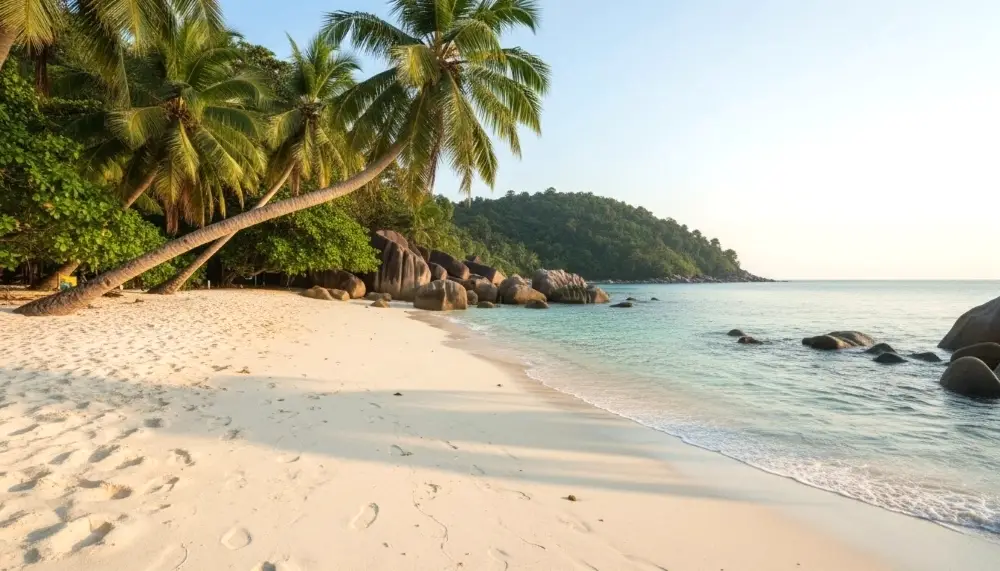
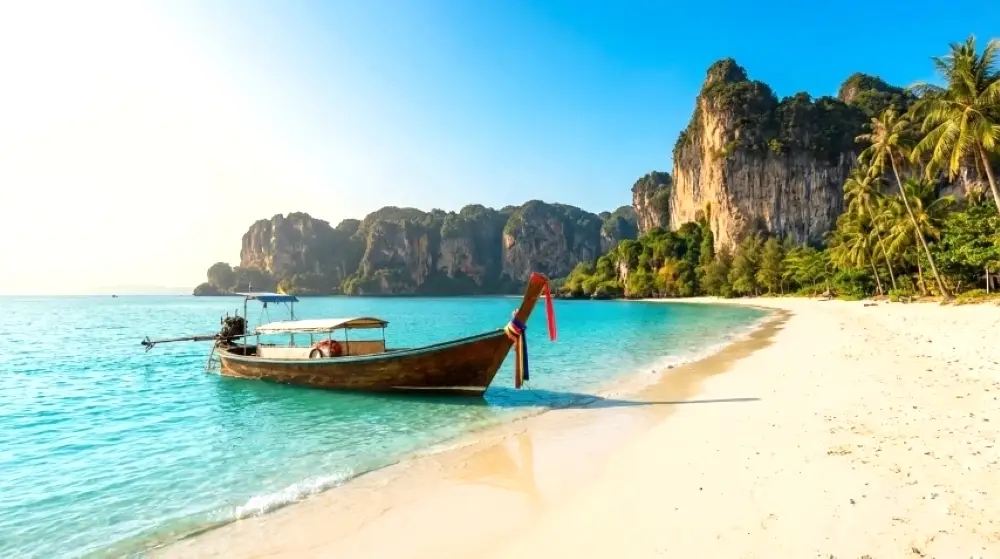
Freedom Beach is one of the most beautiful beaches in Phuket, yet it remains relatively quiet compared to the main tourist areas.
Accessible by boat or via a short jungle walk, this small bay feels like a secret slice of paradise.
What makes Freedom Beach special:
- Powder-soft white sand
- Crystal clear water
- Lush jungle surroundings
- A peaceful, secluded atmosphere
If you’re searching for those iconic Thailand postcard views, Freedom Beach delivers them perfectly.
Rawai And Nai Harn: A Local Favourite
Bang Tao is one of Phuket’s longest beaches and home to some of the At the southern tip of the island, Rawai and nearby Nai Harn offer a very different Phuket experience.
These areas feel more local and less focused on large-scale tourism. Nai Harn Beach is widely considered one of Phuket’s most beautiful beaches, surrounded by green hills.
This area is ideal for:
- Long-term travelers
- People seeking a quieter environment
- Exploring viewpoints and hidden beaches
- A more authentic Thai atmosphere
It’s a wonderful choice if you want Phuket to feel a little more like discovering a hidden corner of Thailand.
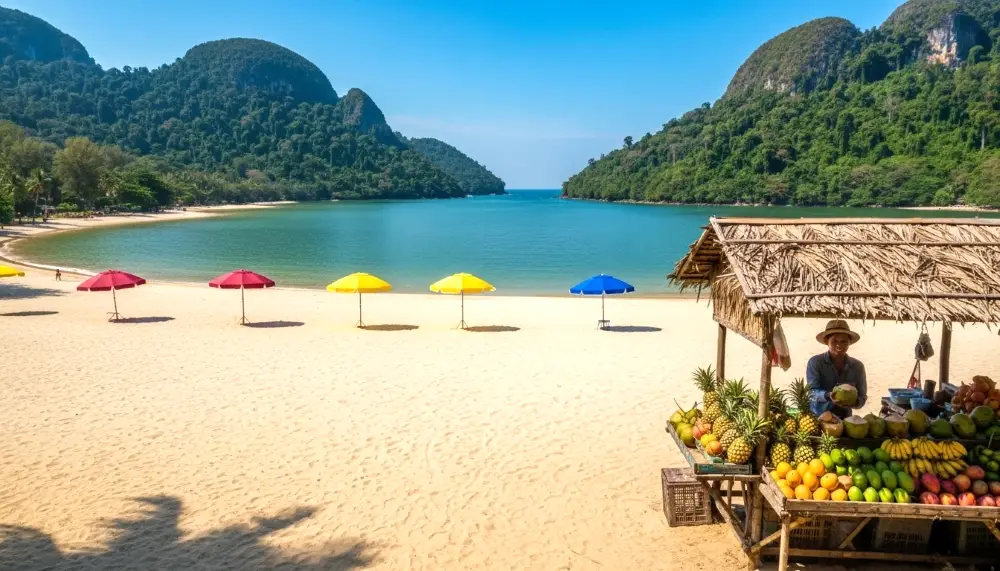
Bang Tao Beach: Luxury And Tranquility
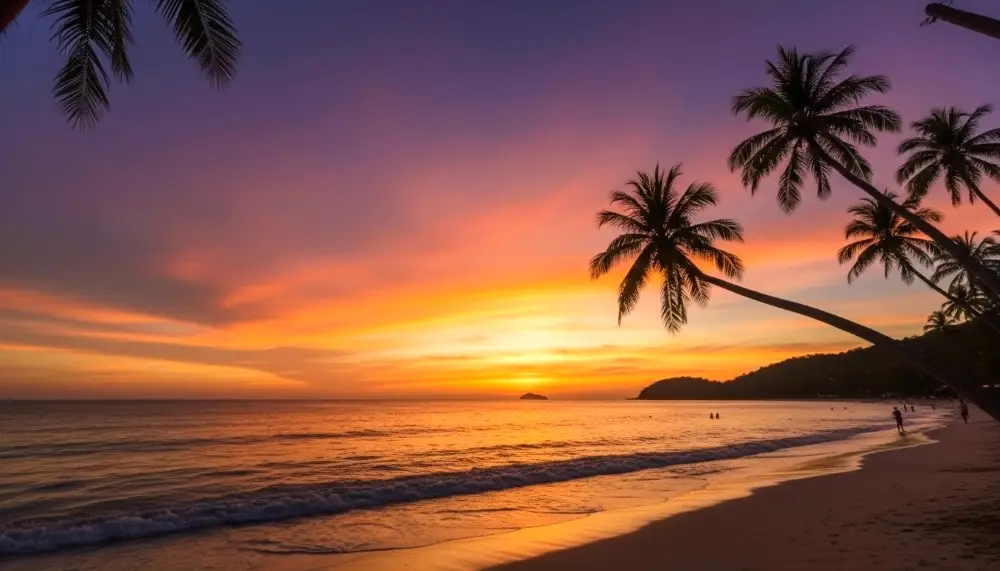
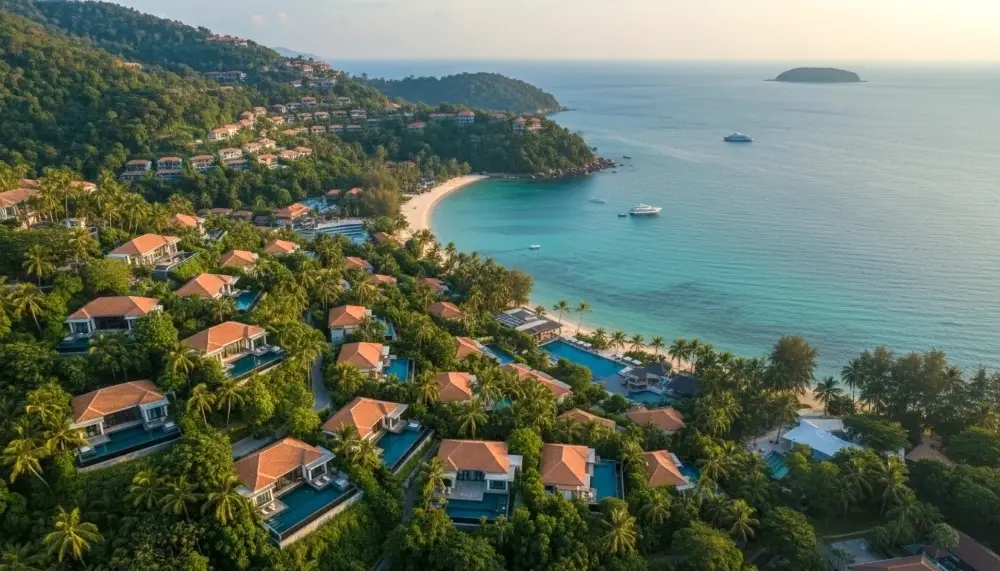
Bang Tao Beach is one of the longest beaches in Phuket and home to some of the island’s most luxurious resorts.
Despite the upscale resorts, the beach itself remains surprisingly quiet and spacious.
Bang Tao is ideal if you’re looking for:
- A peaceful beach atmosphere
- Stylish beach clubs
- Long sunset walks
- High-end resorts and spas
It’s a wonderful place to unwind after exploring more energetic parts of Phuket.
Phuket Beach Comparison:
| Beach | Primary Vibe | Average Meal Cost (THB) | Best For |
|---|---|---|---|
| Patong | High-Energy | 150 – 600 | Nightlife & Shopping |
| Nai Harn | Local & Serene | 100 – 450 | Swimming & Sunsets |
| Freedom | Rugged & Remote | 250 – 500 | Photography & Quiet |
The Hidden Coves: Sanctuary and Scenery
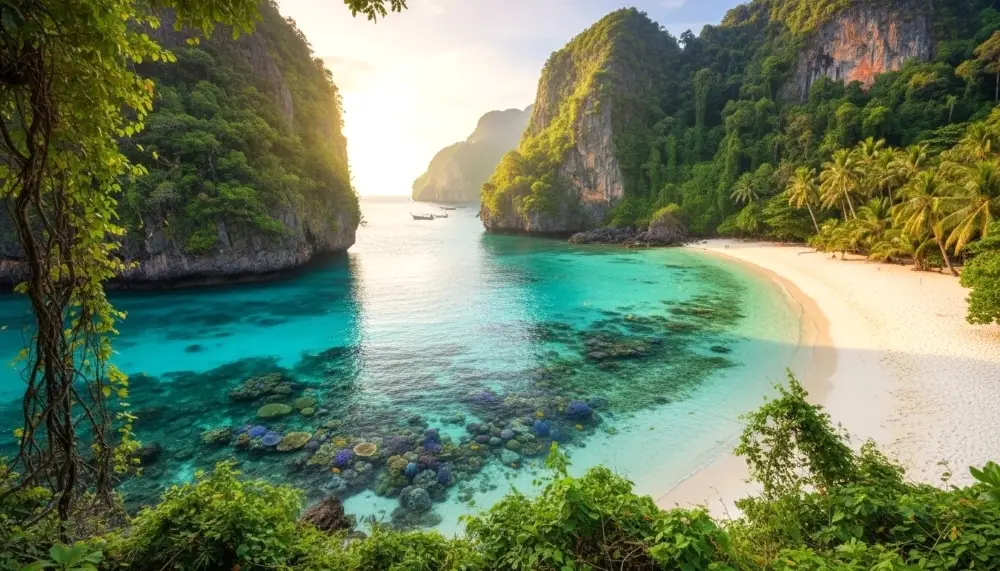
Hidden coves like Freedom Beach, Banana Beach, and Ao Sane prioritize natural preservation over commercial development. These locations often require boat access or steep jungle treks, resulting in significantly smaller crowds, superior water clarity for snorkeling, and a tranquil environment suited for travelers looking to escape the island’s main tourist corridors.
Accessing Freedom Beach is an adventure in itself. Located just around the headland from Patong, it remains remarkably quiet because it is primarily accessible by long-tail boat (roughly 1,100 THB to 1,500 THB for a return trip). The absence of jet skis and large-scale vendors preserves the crystalline quality of the water, making it a premier spot for observing local marine life just meters from the shore.
Banana Beach, tucked away in the northern district of Cherngtalay, offers a similar sense of discovery. It is often bypassed by those rushing toward the larger Bang Tao area. Shaded by towering coconut palms and casuarina trees, the sand here is powdery and white. Small, rustic shacks serve fresh papaya salad (Som Tum) for 80 THB and grilled fish, providing a grounded contrast to the polished service of the major resorts.
Pro Tips For Stress Free Travel:
Currency: THB (Thai Baht) is the only currency accepted. While cards are common in malls, carry cash (20, 50, and 100 THB notes) for beach vendors and local markets.
Transport: Grab and Bolt are essential for fair pricing. InDrive is also popular for negotiating rates with drivers.
Booking: Agoda often has the best regional rates for hotels, while Klook and Get Your Guide are reliable for booking island-hopping tours to the Phi Phi or Similan Islands.
Connectivity: Use Yesim for digital eSIMs. To access home streaming services or secure public Wi-Fi, Nord VPN is the local expat standard.
Best time to visit:
November to April is generally the best season for calm seas and sunny weather.
Watch the flags:
During the rainy season (May to October), strong currents can occur. Always pay attention to lifeguard flags.
Explore beyond one beach:
Each beach has a completely different vibe, so it’s worth visiting several during your stay.s like the Phuket they imagined before arriving.
Understanding Thailand’s Beach Culture:
If Phuket is your first stop in Thailand, you might feel slightly overwhelmed when you first arrive. That’s completely normal.
Thailand is incredibly welcoming to visitors, and Phuket has some of the most developed tourism infrastructure in the country. English is widely spoken in tourist areas, transportation is easy, and tours are simple to arrange.
Many travelers start their journey in Bangkok, explore northern culture in Chiang Mai, and then relax on the southern islands — with Phuket often being the highlight of the trip.
Once you spend your first afternoon on a warm Phuket beach watching the sunset over the Andaman Sea, you’ll quickly understand why so many people fall in love with Thailand.
FAQ:
What is the best way to get from Phuket Airport to the beaches?
The Smart Bus is the most affordable option at 100 THB, running from the airport down the west coast to Rawai. For speed and door-to-door service, a pre-booked Grab or a metered taxi will cost between 600 THB and 1,000 THB depending on the destination.
Can I drink the tap water in Phuket?
No. Always consume bottled or filtered water. Most hotels provide free glass bottles of water daily. Ice in reputable restaurants and bars is made from purified water and is safe to consume.
When is the best time to visit Phuket for calm seas?
The high season from November to April offers the calmest waters and clearest skies. This is the best time for swimming in coves like Nai Harn or taking boat trips. The monsoon season from May to October is better for surfing but can lead to rougher seas and boat cancellations.
Do I need to carry my passport at the beach?
A photocopy or a clear photo on your phone is usually sufficient for daily activities. Keep the physical passport in your hotel safe. You will need the original if you are renting a motorbike or checking into a new accommodation.
Continue Planning Your Trip