Long Term Thailand Visas Explained
This site contains affiliate links. We may earn a commission at no extra cost to you.
If you’re wondering whether it’s possible to stay longer in Thailand, the good news is that it absolutely is. Thailand offers several long-term visa options designed for travelers, retirees, remote workers, and people who simply fall in love with the country.
This guide explains the most common long-term visas in simple terms so first-time visitors can understand what their options are.
The Quick Summary:
Marriage Visa (Non-O): Requires 400,000 THB in a Thai bank or 40,000 THB monthly income.
Business Visa (Non-B): Mandatory for local employment; requires a company sponsor and a valid Work Permit.
Thailand Privilege (Elite): A residency-by-investment program ranging from 650,000 THB to 5,000,000 THB.
DTV (Destination Thailand Visa): The 2026 breakout star for remote workers with 500,000 THB in liquid assets.
LTR Visa: A 10-year high-wealth option for experts and retirees with 80,000 USD annual income.
Can You Stay in Thailand Long Term?

Yes. Thailand has multiple visa options that allow you to stay for several months or even years.
Some of the most common long-term visas include:
- Tourist visas (extended stays)
- Education visas
- Retirement visas
- Digital nomad / remote worker options
- Long-term residency programs
Each visa has different requirements, but millions of people successfully stay long-term in Thailand every year.
For many travelers, the process is easier than they expect.
Understanding Thailand’s Visa System:
At first glance, Thailand’s visa system can look confusing. But once you understand the basics, it becomes much easier to navigate.
Most travelers enter Thailand on one of these:
- Visa exemption (common for many nationalities)
- Tourist visa
- Special long-term visa categories
Your choice depends mainly on how long you want to stay and what you plan to do while you’re in Thailand.
For first-time visitors simply exploring the country, a tourist visa is usually the starting point.

Tourist Visas for Extended Travel:
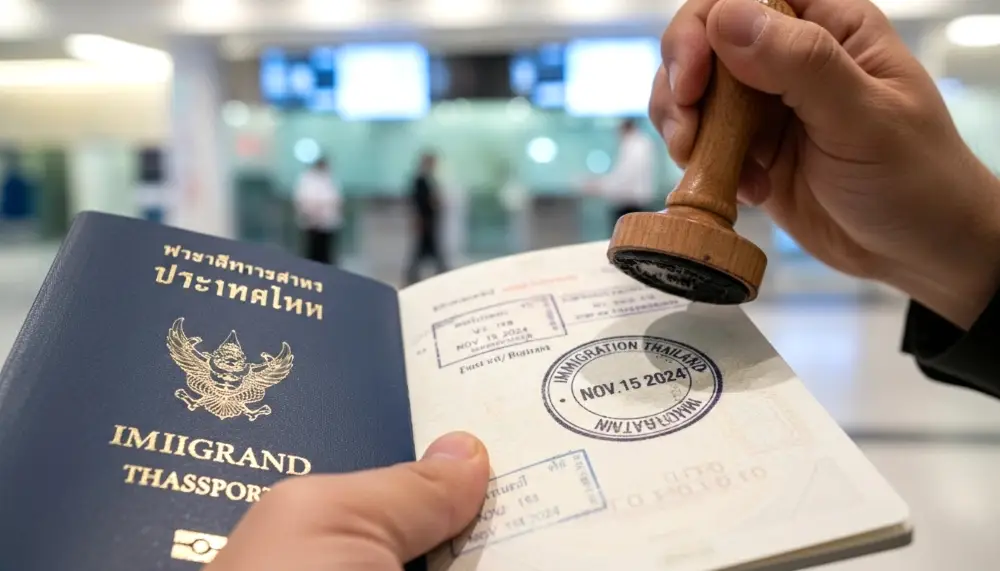
If you’re visiting Thailand for the first time and want more than a short holiday, a tourist visa is the most common solution.
A standard tourist visa often allows:
- An initial stay of around 60 days
- The ability to extend for another 30 days
- Sometimes multiple entries
This can allow traveler to spend several months exploring the country without needing complicated paperwork.
Many first-time visitors begin their journey this way, traveling between places like Bangkok, Chiang Mai, and the southern islands.
The Marriage Visa:
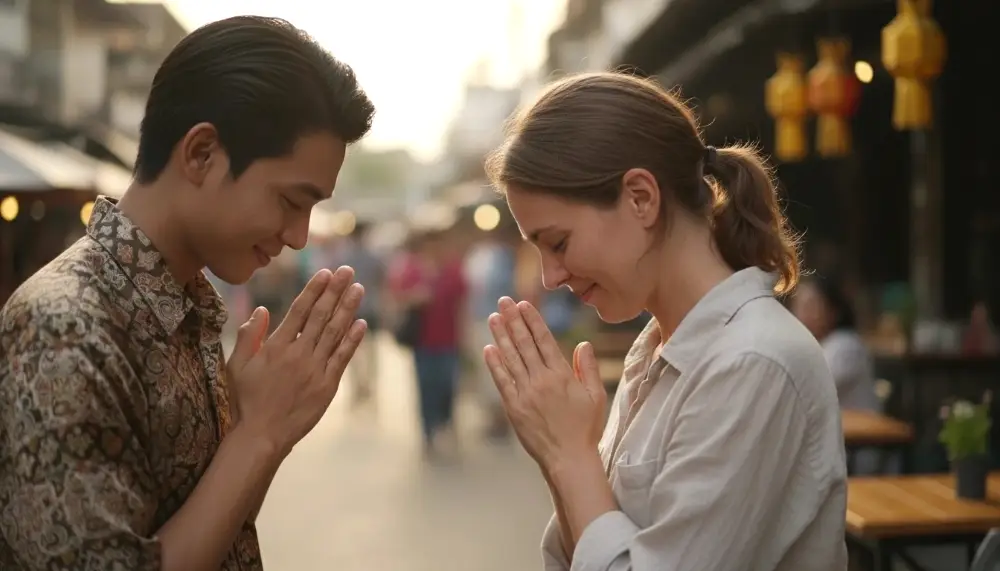
The Thai Marriage Visa, officially the Non-Immigrant O (Marriage), allows foreign nationals married to Thai citizens to reside in Thailand for one year, renewable indefinitely. Applicants must demonstrate a monthly family income of 40,000 THB or maintain a seasoned deposit of 400,000 THB in a Thai bank account.
Living as a “Khun Fan” (Thai spouse) offers a unique cultural immersion. Beyond the paperwork, this visa reflects a commitment to the Thai social fabric. The process begins at a Royal Thai Embassy or Consulate outside the country, typically in nearby hubs like Penang or Vientiane, where a 90-day initial entry is granted. Once inside the Kingdom, this is extended to a full year at your local provincial immigration office.
The financial proof is non-negotiable. If using the deposit method, the 400,000 THB must sit untouched in a Thai bank for at least two months prior to the extension application. If using income, a letter from your embassy or Thai tax records (P.N.D. 1) must verify the 40,000 THB monthly flow. Be prepared for an “unannounced” home visit; immigration officers often visit your residence to verify the marriage is genuine, often chatting with neighbors or snapping photos of the couple in their shared living space.
Education Visas:

Another popular long-stay option is the Education Visa, often called an ED visa.
This visa allows you to stay in Thailand while studying something such as:
- Thai language
- Muay Thai boxing
- Thai cooking
- Cultural programs
Language schools in cities like Chiang Mai and Bangkok commonly offer Thai language courses designed specifically for foreigners who want to stay longer while learning about the culture.
For many travellers, this becomes a meaningful way to experience Thailand beyond the usual tourist activities.
Retirement Visas:
Thailand is one of the world’s most popular retirement destinations.
Warm weather, excellent healthcare, friendly people, and affordable living costs attract retirees from across the globe.
The Retirement Visa is designed for people aged 50 and above who want to live in Thailand long term.
Requirements usually include:
- Proof of income or savings
- A valid passport
- Health insurance in some cases
Retirement visas can often be renewed annually, allowing many people to build a relaxed life in beach towns or mountain cities.
The Business Visa and Work Permit: Powering the Economy
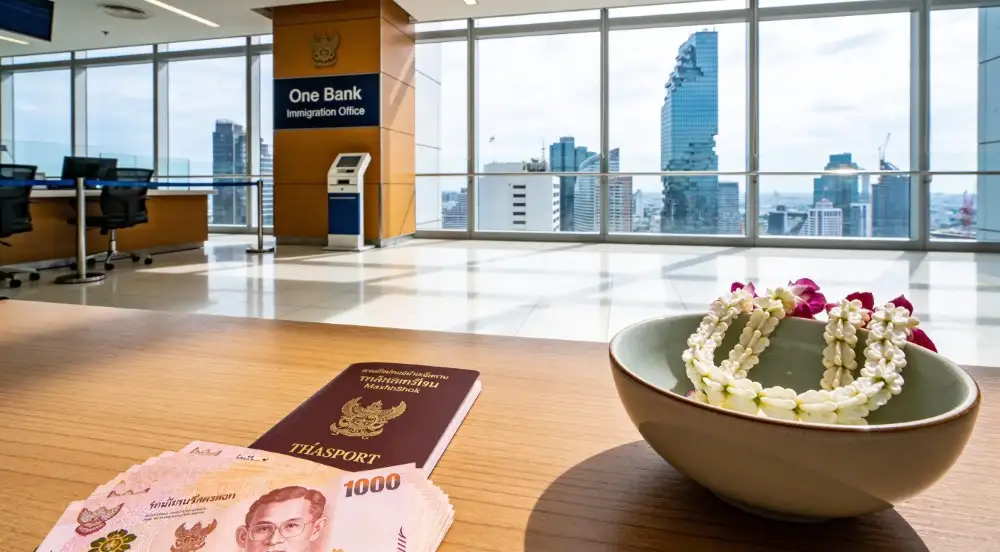
The Non-Immigrant B Visa is the legal gateway for foreign employment or business ownership in Thailand. It requires a sponsorship letter from a Thai entity with at least 2,000,000 THB in registered capital. Post-entry, holders must secure a digital Work Permit to legally engage in any labor.
Navigating the “Non-B” path is a study in systematic coordination between the Ministry of Foreign Affairs and the Department of Employment. In 2026, the transition to the e-Work Permit system has streamlined much of the legacy paper trail, but the core requirements remain stringent. A company must generally hire four Thai employees for every one foreign specialist, though Board of Investment (BOI) promoted companies enjoy relaxed ratios.
Securing the visa is only half the battle. The Work Permit defines your professional boundaries; engaging in work outside the scope listed in your “Blue Book” or digital ID is a deportable offense. For entrepreneurs, setting up a Thai Co., Ltd. provides the most control but involves significant monthly accounting overheads, including Social Security contributions and VAT filings.
Thailand Privilege: The Golden Key to the Kingdom
The Thailand Privilege Card (formerly Thai Elite) is a premier residency-by-investment program offering 5 to 20-year multi-entry visas. Membership fees range from 650,000 THB for the entry-level Bronze tier to 5,000,000 THB for the invitation-only Reserve tier, eliminating 90-day reporting hurdles via concierge services.
For those who view time as their most valuable asset, the Privilege program is the ultimate life hack. It bypasses the traditional bureaucracy of financial seasoning and annual “visa runs.” As a member, your arrival at Suvarnabhumi Airport involves a dedicated Elite Personal Assistant (EPA) who whisks you through a VIP fast-track lane while your luggage is collected for you.

Visa Tier Comparison Table (2026 Pricing)
| Membership Tier | Validity | Membership Fee (THB) | Annual Privilege Points |
|---|---|---|---|
| Bronze | 5 Years | 650,000 | 0 |
| Gold | 5 Years | 900,000 | 20 |
| Platinum | 10 Years | 1,500,000 | 35 |
| Diamond | 15 Years | 2,500,000 | 55 |
| Reserve | 20 Years | 5,000,000 | 120 |
Digital Nomad and Remote Worker Options:

Thailand has increasingly embraced remote workers and digital nomads.
Many travellers today work online while exploring the country, balancing productivity with adventure.
Options that may allow longer stays include:
- Long-term tourist arrangements
- Special visa programs
- Digital nomad-focused visa categories
Cities like Bangkok and Chiang Mai are particularly popular with remote workers thanks to strong internet, coworking spaces, and vibrant international communities.
It’s not unusual to see someone answering emails from a café in the morning before heading to a temple, market, or mountain viewpoint in the afternoon.
Pro Tips For Stress Free Travel:
Transport & Food: Grab and Bolt are the primary lifelines for navigating Bangkok’s traffic or ordering a late-night Pad Kra Pao.
Accommodation: Agoda frequently offers “Thai Resident” rates that beat Booking.com for local boutique stays.
Experiences: Use Klook or Get Your Guide for discounted fast-track tickets to the Grand Palace or island hopping in Phang Nga Bay.
Connectivity: Yesim provides seamless eSIM activation, while a Nord VPN is essential for accessing home banking apps securely.
Currency: All transactions are in Thai Baht (THB). While “PromptPay” QR codes are used by everyone from street vendors to malls, keep physical cash for “Songthaews” (baht buses) and rural markets.

Cultural Tips:

Staying longer in Thailand means experiencing the country beyond its famous beaches.
You begin to notice the rhythms of daily life, early morning markets, temple ceremonies, street food stalls opening at dusk, and the relaxed warmth of Thai hospitality.
A few simple cultural tips can make your stay smoother:
- Always show respect when visiting temples
- Dress modestly in religious places
- Learn a few Thai phrases, locals appreciate the effort
- Smile often (it’s part of Thai culture)
Thailand is famously known as the “Land of Smiles”, and long-term visitors quickly understand why.
Don’t Worry, Millions Do This!
If you’re feeling slightly overwhelmed by visa information, that’s completely normal.
The good news is that Thailand welcomes millions of international visitors every year, and long-term stays are incredibly common.
Many travellers arrive unsure about the process and soon discover:
- Visa extensions are routine
- Immigration offices are used to helping foreigners
- Travel communities share helpful advice
Within a few weeks of arriving, the process usually feels far less intimidating than it did at home.

Why Long Stays in Thailand Are So Popular

Once you spend time in Thailand, it’s easy to understand why people stay longer than planned.
The country offers an incredible variety of experiences:
- The buzzing energy of Bangkok
- The mountain temples and cafés of Chiang Mai
- The turquoise waters of the southern islands
- The warmth and kindness of Thai culture
Add world-class street food, affordable travel, and endless places to explore, and Thailand becomes a destination many travellers return to again and again.
Your Thai Adventure Might Last Longer Than You Think
For many visitors, Thailand begins as a simple holiday and slowly transforms into something much bigger.
You might arrive planning two weeks, and leave already planning your next six-month adventure.
Whether you choose a tourist visa, education visa, retirement option, or another long-term pathway, Thailand offers plenty of ways to extend your journey.
And once you’re watching the sunset on a tropical beach, exploring golden temples, or wandering a Chiang Mai night market, you may find yourself thinking the same thing many travellers do:
“I wish I could stay longer.”
The wonderful news is in Thailand, you often can.

FAQ: Common Visa Queries
Can I work on a Marriage Visa?
Yes, a Marriage Visa holder can apply for a Work Permit if they find employment, unlike a Retirement Visa which strictly prohibits labor.
What is the “Plus Plus” charge on restaurant bills?
In many mid-to-high-end establishments, prices are listed as “++”. This indicates an additional 10% service charge and 7% Value Added Tax (VAT) will be added to the final total.
Do I need to tip in Thailand?
Tipping is not traditional but is increasingly common in tourist areas. Rounding up to the nearest 20 THB for a taxi or leaving 40–100 THB for a massage therapist is a generous gesture that supports the local service economy.
Is the 90-day report still mandatory?
Most long-term visas, including Marriage and Business, require you to “check in” with immigration every 90 days to confirm your address. This can often be done online or via the “Thailand Privilege” concierge if you are a member.
Can I bring my pets to Thailand on these visas?
Yes, Thailand is relatively pet-friendly. You will need an import permit from the Bangkok Animal Quarantine Station (AQS) and valid vaccination records. Many “Pet-Friendly” condos are now appearing in the Phrom Phong and Thong Lor districts.
Continue Planning Your Trip