Temples in Chiang Mai
Quick Summary: The Temple Capital
Best Time to Visit: 6:30 AM – 9:00 AM to avoid the midday heat and tour bus crowds.
Total Temples: Over 300 (known as Wats).
Must-See: Wat Phra That Doi Suthep (Mountain views) and Wat Chedi Luang (Ancient ruins).
2026 Entry Fees: Most are free; major landmarks charge 20–50 THB (Cash only).
Digital Donations: While small cash is still king for merit-making, many major Chiang Mai temples now have QR Code “PromptPay” stands for donations. If you have a local Thai bank app or certain international travel cards (like Wise), you can “scan to donate” to help with temple restoration.
A Warm Welcome to Thailand’s Cultural Heart
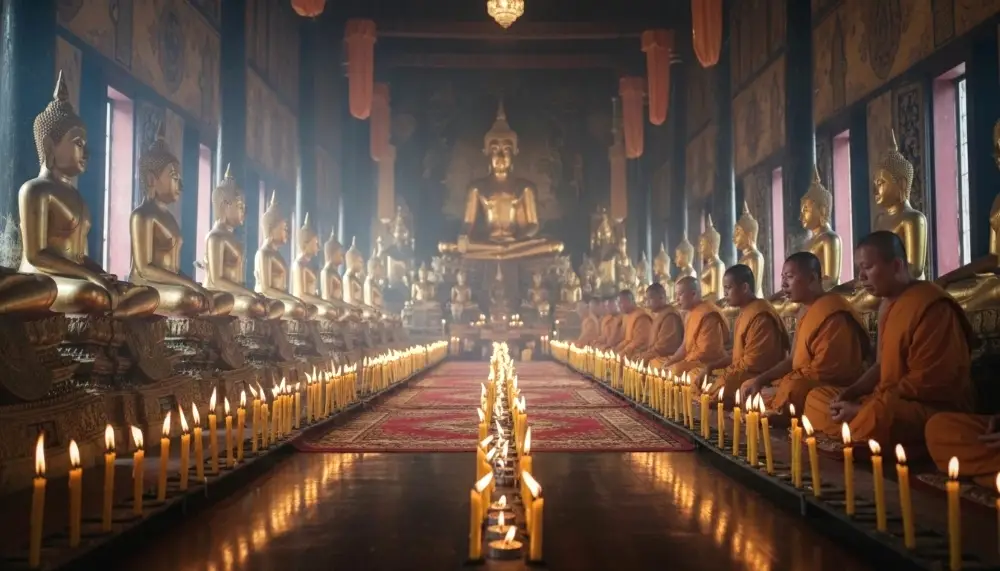
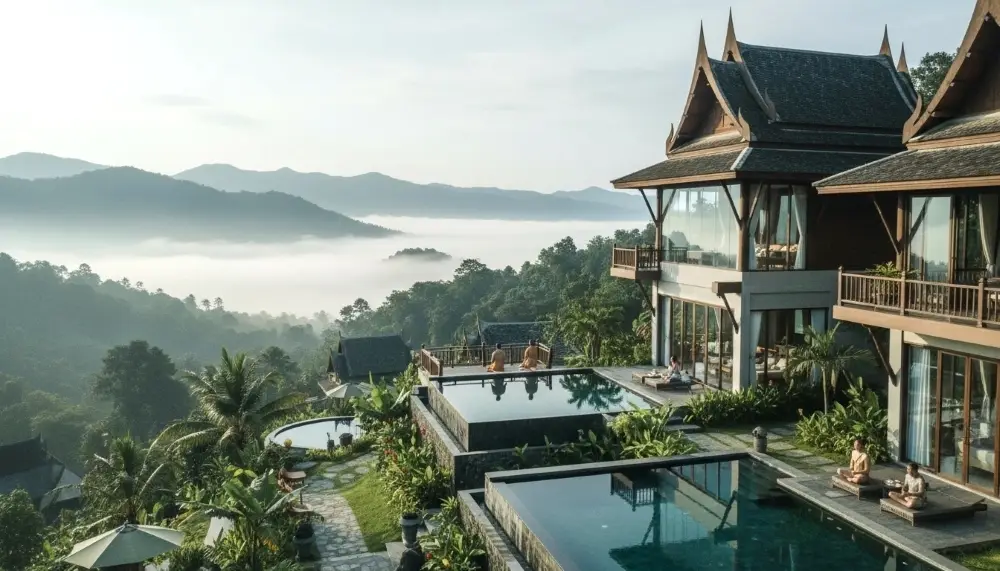
If you are planning your first trip to Thailand, one destination you will hear about again and again is Chiang Mai. Nestled in the misty mountains of Northern Thailand, this “Rose of the North” is famous for its relaxed atmosphere, rich Lanna culture, and, most of all, its breathtaking temples.
For many travelers, visiting temples in Chiang Mai becomes the most spiritual and memorable part of their journey. Each Wat offers a glimpse into Thailand’s deep artistic heritage, ranging from shimmering gold leaf to ancient weathered brick.
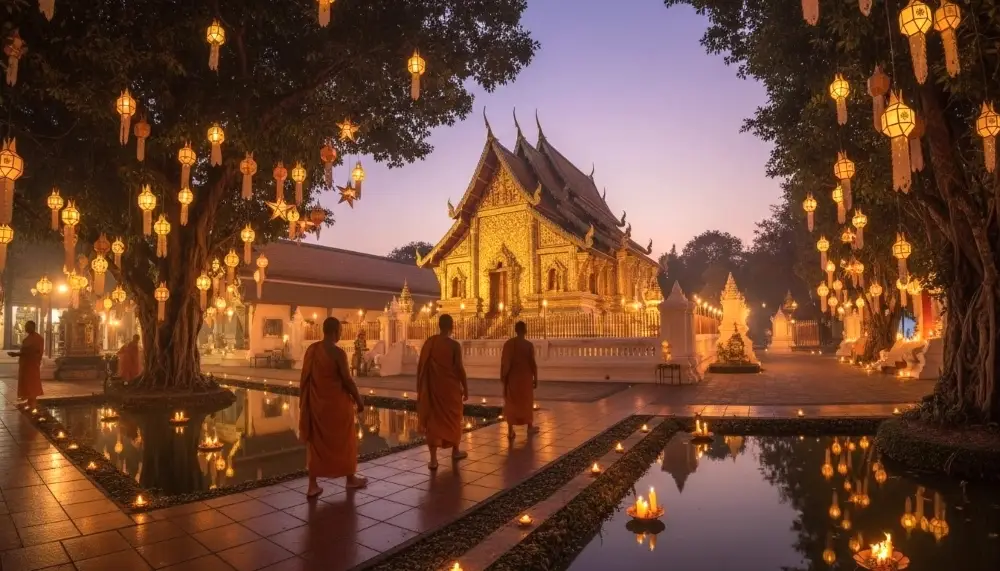
Whether you are wandering through quiet courtyards at sunrise or watching monks chant in the orange glow of sunset, Chiang Mai’s temples offer a sense of peace that stays with you long after you fly home.
Why Are Chiang Mai’s Temples So Famous?
Chiang Mai is widely considered Thailand’s temple capital because it houses over 300 temples within the city limits and the surrounding forest.
Many of these structures date back to the 13th and 14th centuries, when Chiang Mai served as the capital of the ancient Lanna Kingdom. Unlike the grand, soaring architecture of Bangkok, Chiang Mai temples often feature:
Peaceful forest settings (Like Wat Pa) perfect for meditation.
Intricate dark wood carvings.
Low-slung, tiered roofs designed for the cooler northern climate.
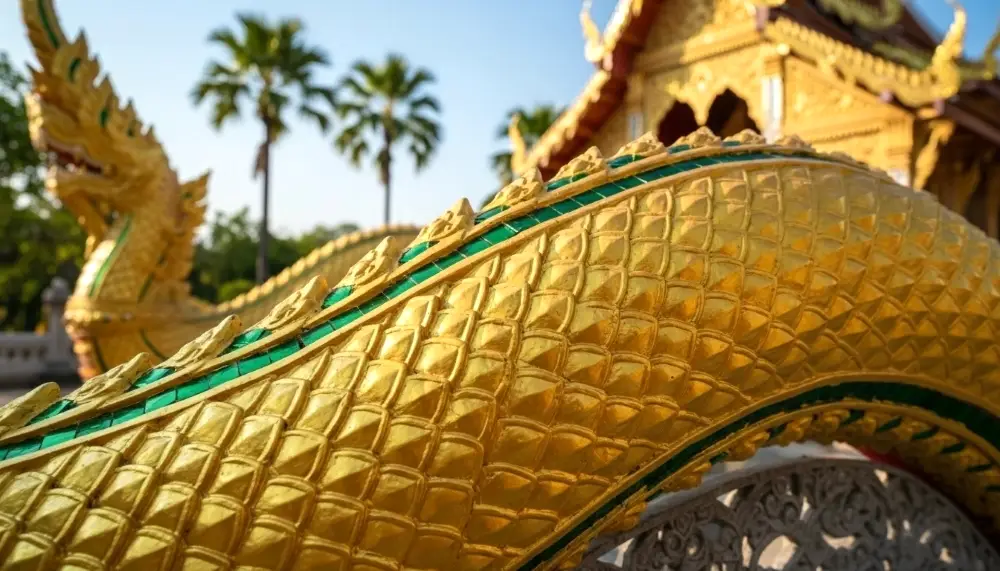
Naga serpent staircases that protect the entrances.
The Most Famous Temples In Chiang Mai
While you could spend weeks exploring, these four temples provide the most diverse look at Northern Thai architecture and history.
Wat Phra That Doi Suthep
(The Golden Crown)
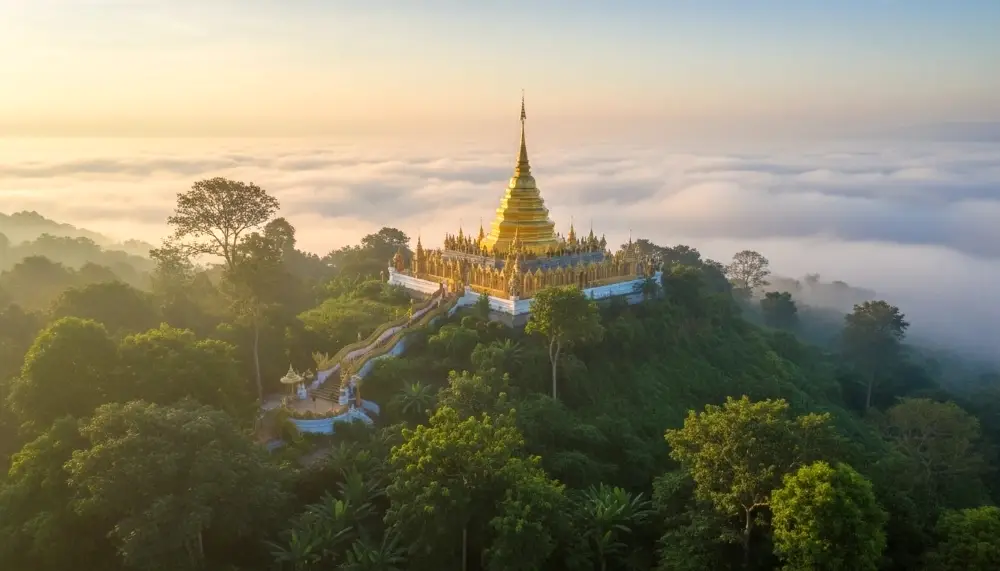
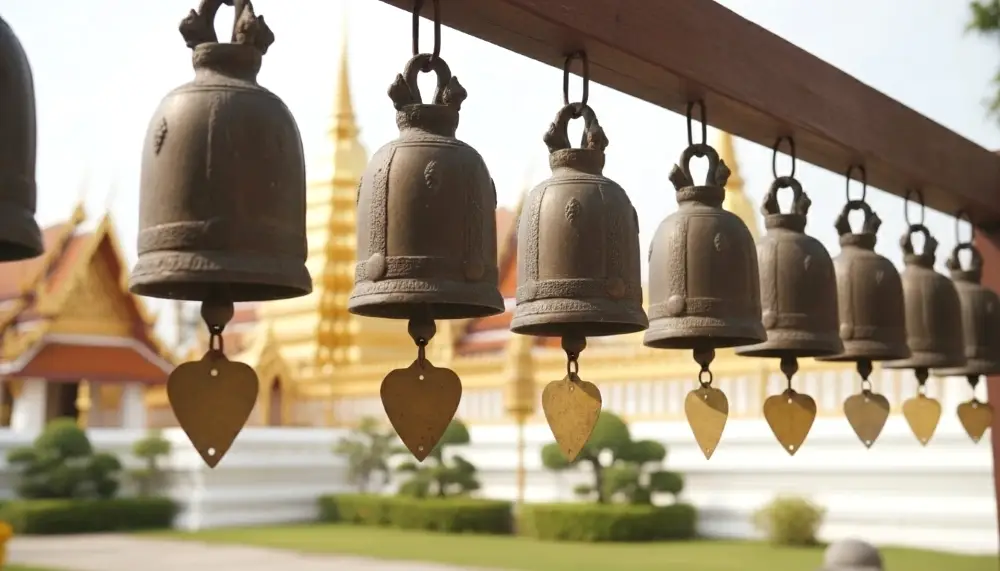
This is the most famous temple in Northern Thailand, sitting high on a mountain overlooking the valley. After a winding drive up the mountain, you climb 306 steps (or take the tram) to reach a dazzling golden stupa surrounded by prayer bells.
Pro Tip: Go for sunrise to hear the monks chanting; the view of the city waking up below is spectacular.
Wat Chedi Luang (The Ancient Giant)
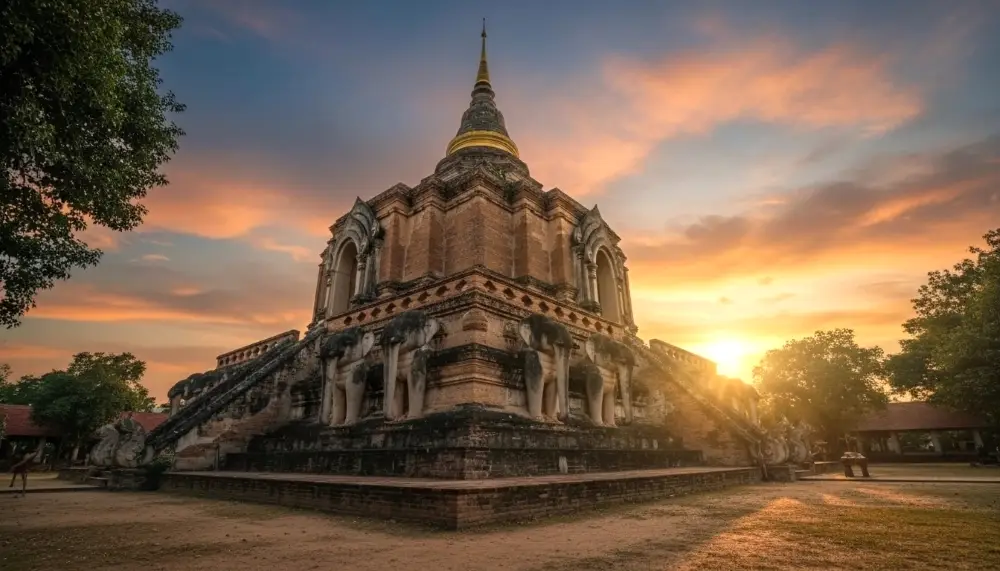
Located in the heart of the Old City, this temple features a massive 15th-century brick chedi that was partially destroyed by an earthquake in 1545.
It feels incredibly atmospheric, especially at night when the elephant carvings are illuminated.
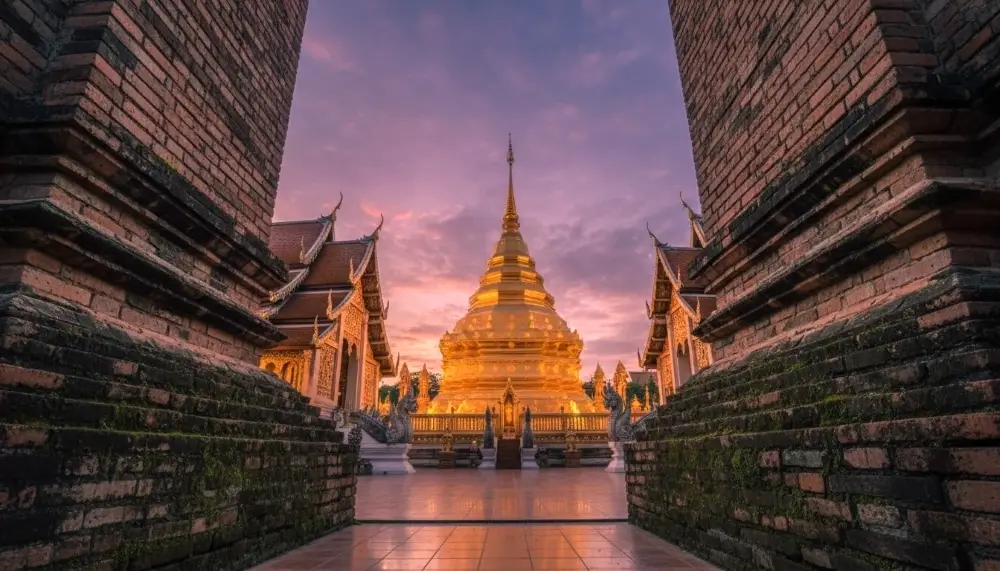
Wat Phra Singh
(The Lanna Masterpiece)
The “Monastery of the Lion Buddha” is a perfect example of classic Lanna style. The woodwork is some of the finest in the country, and the grounds are immaculately kept. It is a very active monastery, making it a great place for respectful cultural observation.
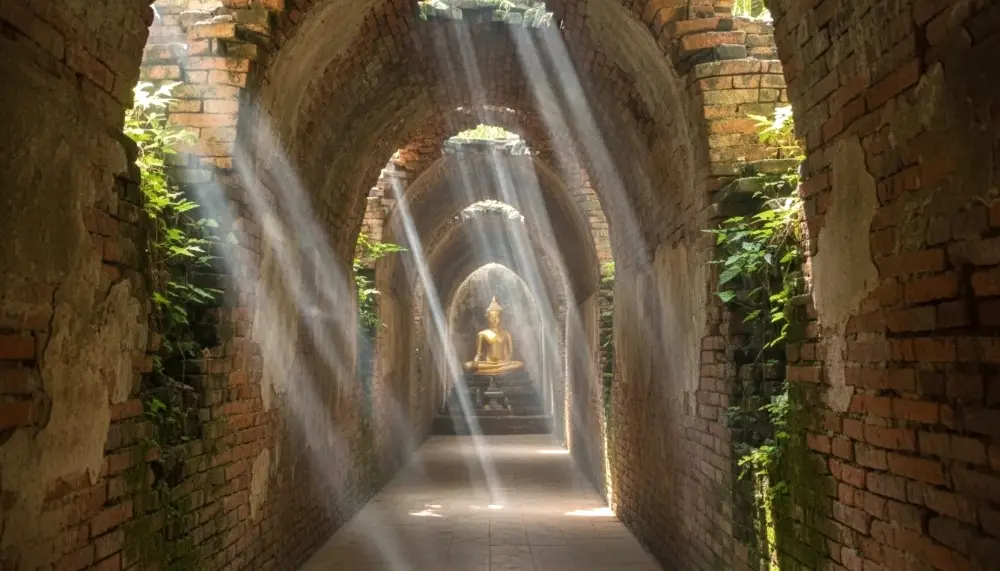
Wat Umong (The Forest Tunnels)
Hidden in the trees at the base of the mountain, Wat Umong is unique for its ancient meditation tunnels. It feels more like a jungle retreat than a city temple. It’s the perfect place to escape the heat and noise of the city center.
A Unique Cultural Experience
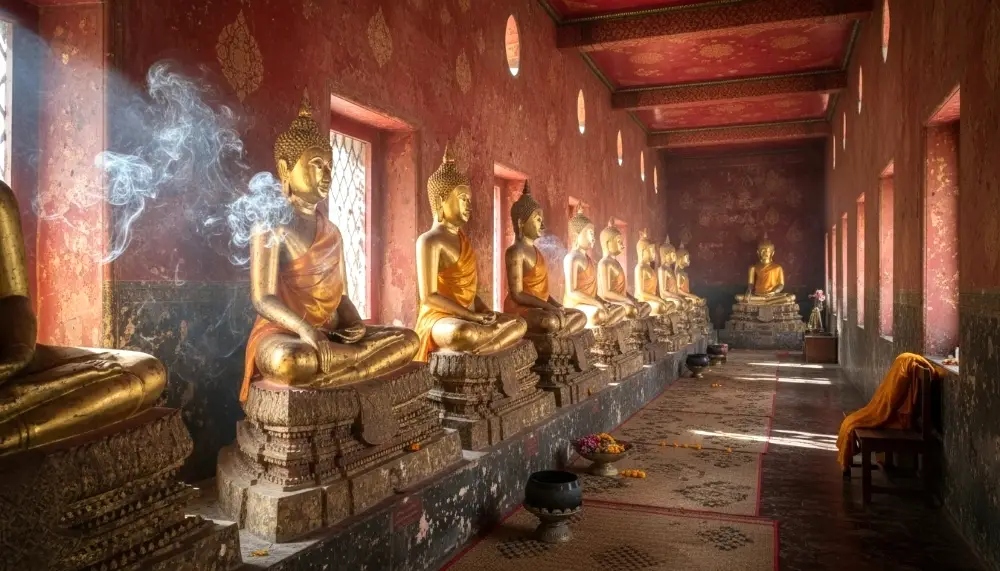
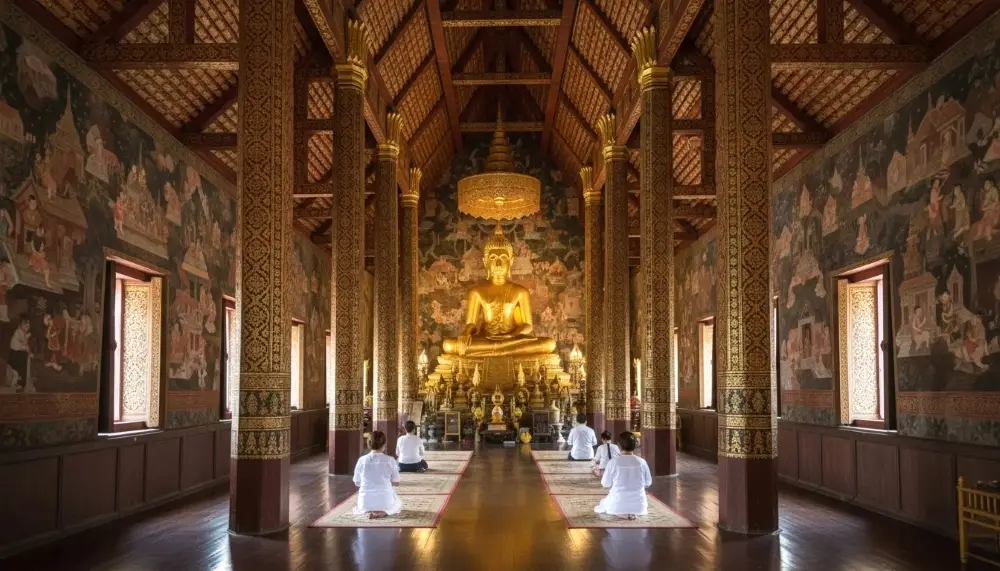
Temples in Thailand are not just tourist attractions, they are living spiritual spaces where locals come to pray, meditate, and make merit.
Visitors are welcome, but it’s important to show respect.
A few simple guidelines help ensure a positive experience:
- Dress modestly (cover shoulders and knees)
- Remove shoes before entering temple buildings
- Speak quietly and respectfully
- Never point your feet toward Buddha statues
- Ask permission before photographing monks
Following these customs isn’t difficult, and locals truly appreciate visitors who show interest in Thai culture.
The Joy Of Temple Hopping
Inside the Old City walls, temples are often just a few minutes’ walk apart, making the area perfect for relaxed wandering.
Many travelers enjoy simply strolling through the streets and discovering temples unexpectedly.
A typical temple exploration day might include:
- Morning coffee near the Old City
- Visiting two or three nearby temples
- Stopping for Thai street food or a fruit smoothie
- Relaxing in a quiet temple garden
- Watching sunset from a rooftop bar
The experience feels unhurried and immersive rather than rushed.
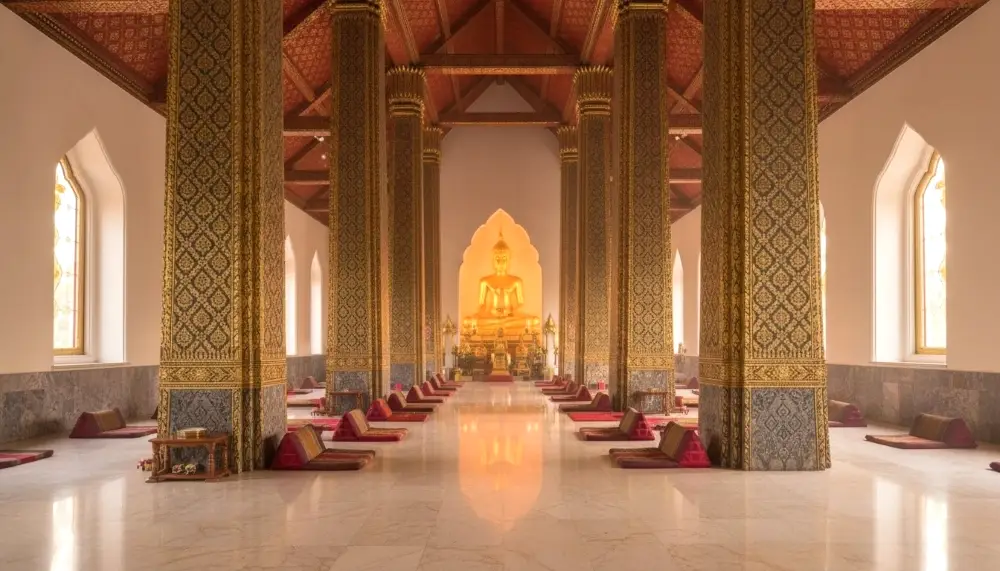
What to Wear for Temple Hopping
Thailand has a strict dress code for sacred spaces: shoulders and knees must be covered. Here is how to stay cool while remaining respectful:
The Pro Option (Technical Travel Gear): Look for moisture-wicking, anti-odor hiking pants that look like chinos. These are perfect for people who want to go from a temple visit straight to a co-working space without changing.
The Budget Hero (The Sarong): Carry a light, $5 cotton scarf or sarong in your bag. You can wrap it over your shoulders or around your waist when entering a temple.
The Mid-Range Choice (Linen Trousers): Invest in a pair of high-quality linen or loose cotton pants. They are breathable, look great in photos, and keep you “temple-ready” all day.
Understanding Temple Etiquette & Culture
Thai temples are living spiritual spaces, not just museums. Following these 2026 “Old School” customs shows deep respect for the local community:
Photography: Always look for “No Photo” signs inside the main halls. If in doubt, don’t take a photo of someone praying.
Feet are Low: Never point your feet toward a Buddha statue or a monk. In Thai culture, feet are considered the lowest/dirtiest part of the body.
The Wai: You don’t need to bow deeply, but a small Wai (palms together at chest height)and a light head bow when entering is a beautiful gesture.

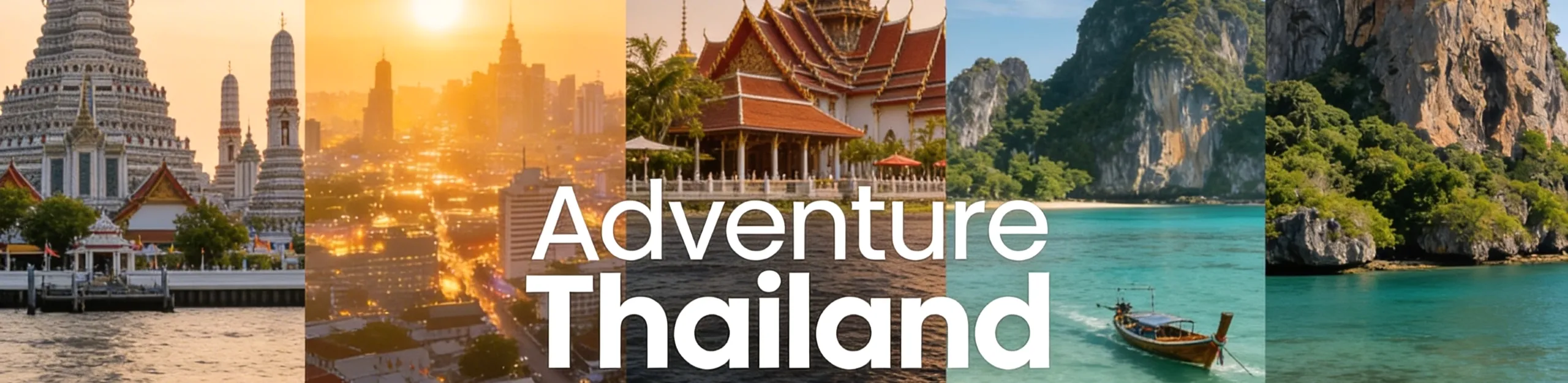
Chiang Mai As Part Of A Bigger Thailand Adventure
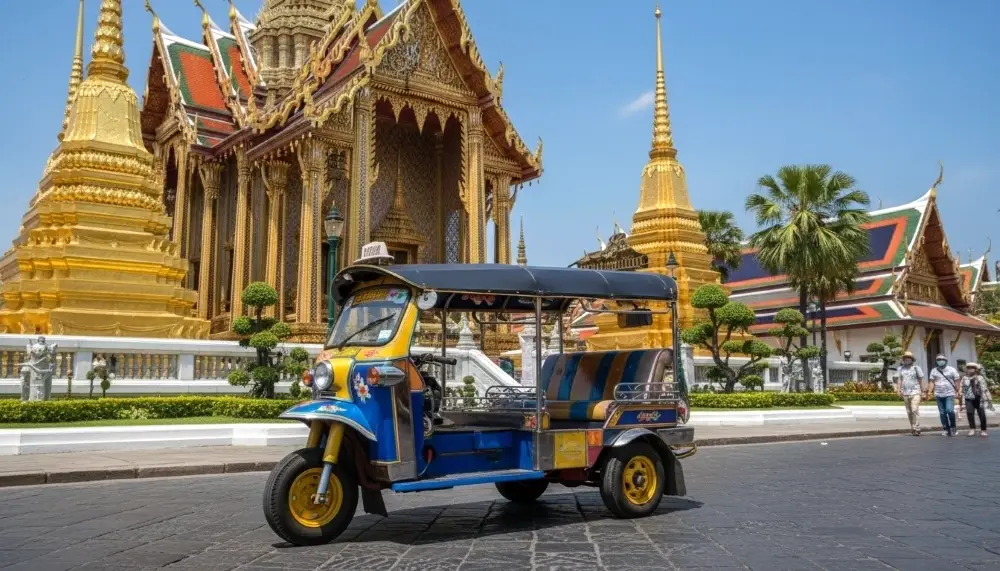
Many first-time visitors build their Thailand itinerary around three main regions:
- Bangkok for vibrant city life and famous temples
- Chiang Mai for culture, mountains, and historic temples
- Southern islands for beaches and tropical scenery
Chiang Mai provides a perfect balance between adventure and relaxation. After the energy of Bangkok, its slower pace feels refreshing.
Temple visits often become the cultural highlight of the entire journey.
A Magical Side Of Thailand
There’s something quietly magical about Chiang Mai’s temples.
Golden roofs catch the sunlight, incense drifts through the air, and monks walk softly across ancient stone courtyards. Even travelers who arrive simply curious often leave feeling unexpectedly moved by the experience.
For many visitors, these temples represent the heart of Thailand’s culture—beautiful, peaceful, and deeply rooted in history.
And the best part?
This is just one small part of what Thailand has waiting to be discovered.
So when you begin planning your adventure, make sure Chiang Mai’s temples are on your list. They may end up being the moments you remember most from your entire journey.
Continue Planning Your Trip