Bangkok Street Food Guide
This site contains affiliate links. We may earn a commission at no extra cost to you.
This is not a city where food is merely fuel; it is the primary social currency. From the soot-stained shophouses of the Old City to the neon-lit carts beneath the Sukhumvit BTS line, the street food life provides a experience where CEOs and motorcycle taxi drivers sit on the same plastic stools. Understanding the street food scene requires moving past the tourist-heavy strips and following the scent of charcoal smoke into the residential sois.
Just follow your nose, and don’t be afraid to try something new!
The Quick Summary:
Budgeting: Plan for 50 THB to 150 THB per person for a full street meal including a drink.
Local Peak Hours: Lunch rushes occur between 11:30 and 13:30; evening markets thrive from 18:00 until 22:00.
Regional Variance: Central Thai flavors dominate Bangkok, featuring a balance of spicy, sour, sweet, and salty profiles.
Payment Methods: Cash remains king at street stalls, though PromptPay QR codes are widely accepted by vendors for those with local bank accounts.
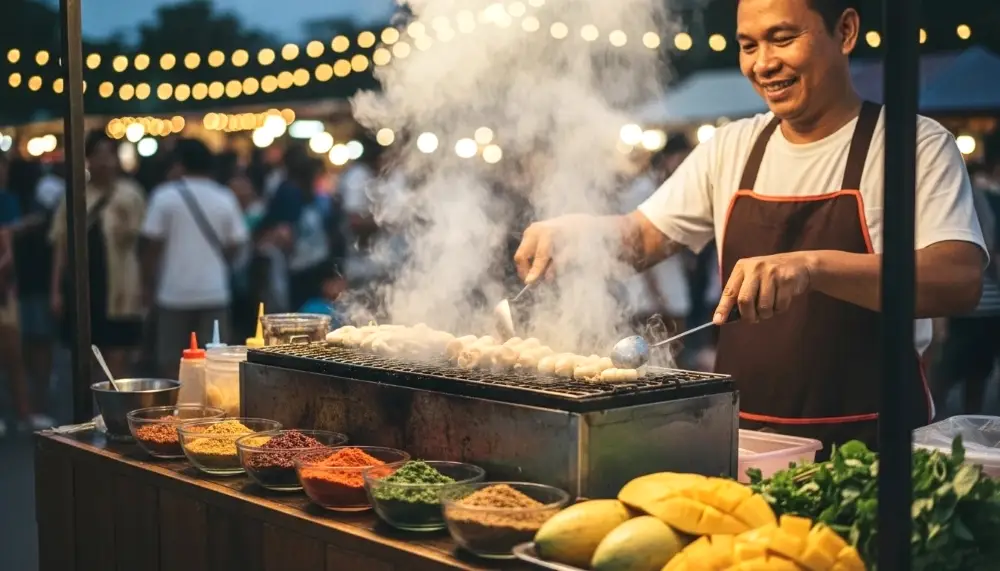
What to Expect from Bangkok Street Food:
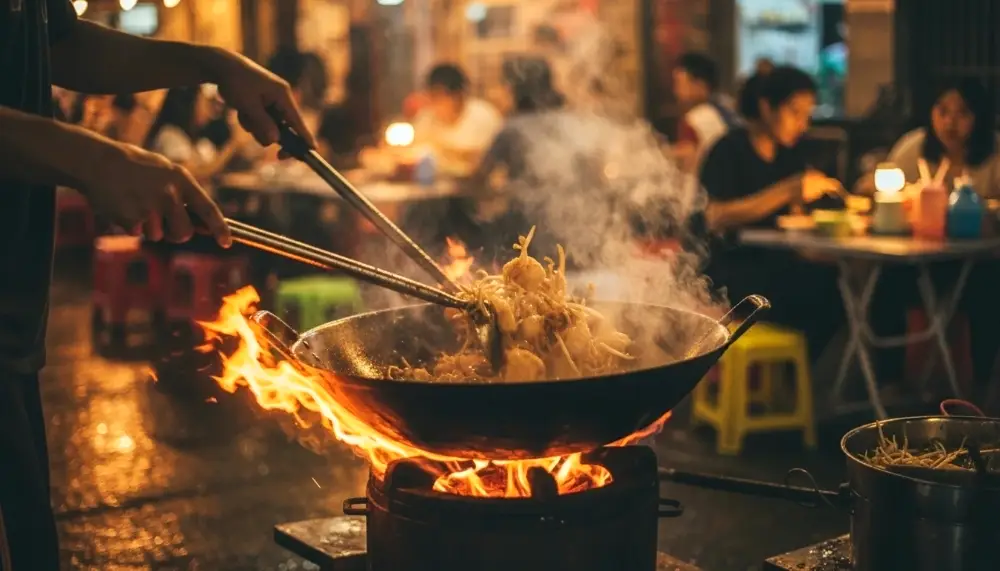
Bangkok street food is safe, affordable, and incredibly delicious. Most dishes cost between 40–100 baht (roughly $1–$3 USD), making it one of the best ways to eat well while traveling.
Visitors can expect:
- Fresh food cooked right in front of them
- Huge variety of dishes from noodles to grilled meats
- Friendly local vendors
- Small plastic stools or simple takeaway bags
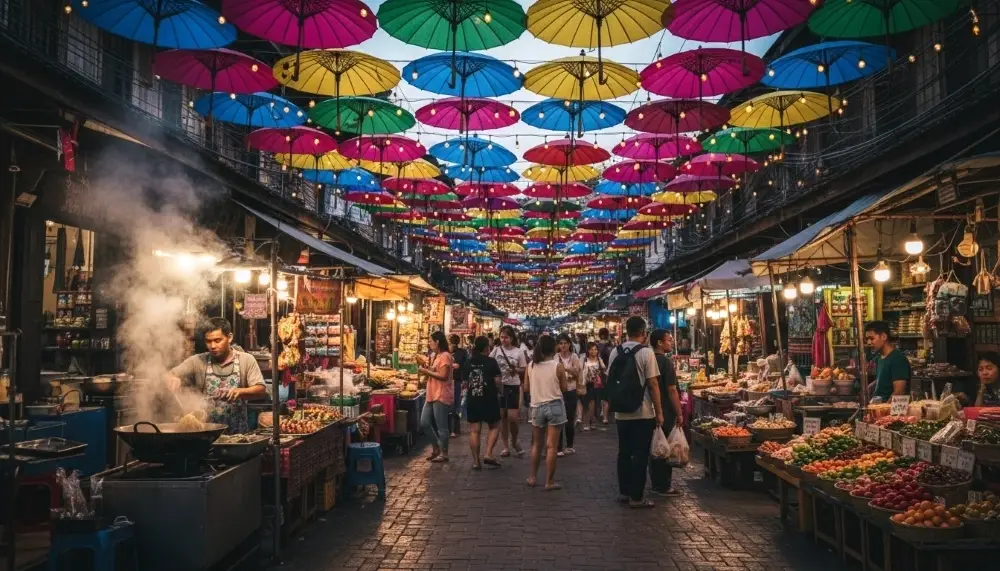
- Bustling night markets and lively street corners
Authentic Bangkok street food hubs are defined by high turnover, localized menus, and a lack of English-language signage. Look for districts like Wang Lang Market, Talat Phlu, and the backstreets of Ari. These areas prioritize traditional preparation methods over aesthetic presentation, serving a dedicated local customer base rather than transient foot traffic.
| District | Primary Speciality | Average Price (THB) | Best Access Point |
|---|---|---|---|
| Yaowarat (Chinatown) | Seafood & Rolled Noodles | 100 – 300 | MRT Wat Mangkon |
| Talat Phlu | Crispy Pork & Thai Sweets | 40 – 80 | SRT Talat Phlu |
| Ban Rak | Roasted Duck & Porridge | 50 – 120 | BTS Saphan Taksin |
Why Bangkok Street Food Is So Famous:
Bangkok’s reputation as the “street food capital of the world” isn’t just about the variety; it’s about a cultural ecosystem of culinary mastery. While “proper” restaurants might have menus with 50 items, the best street food stalls in Thailand are often “masters of one,” perfecting a single family recipe for decades.
The Three Pillars of the Street Scene
To find your path through the chaos, it helps to understand the three distinct styles of street-side eating you’ll encounter:
- Ahan Tam Sang (Made-to-Order): These are the ultimate “everyman” stalls. You tell the cook exactly what you want, usually a quick stir-fry like Pad Krapao or Fried Rice, and it’s prepared in a sizzling wok right in front of you.
- Specialized Carts (Mastery of One): This is where you find the true experts. These vendors often sell only one dish, such as Khao Mun Gai (Hainan chicken rice) or Guay Tiew (noodle soup). Because they focus on one thing, they have often spent 20 or 30 years refining that specific flavor profile.
- Gap Khao (Rice and Curry): Known literally as “with rice,” these stalls feature a colorful pre-prepared display of various curries and stir-fries. You simply point to two or three items, and they are served over a bed of jasmine rice for a fast, diverse, and affordable meal.
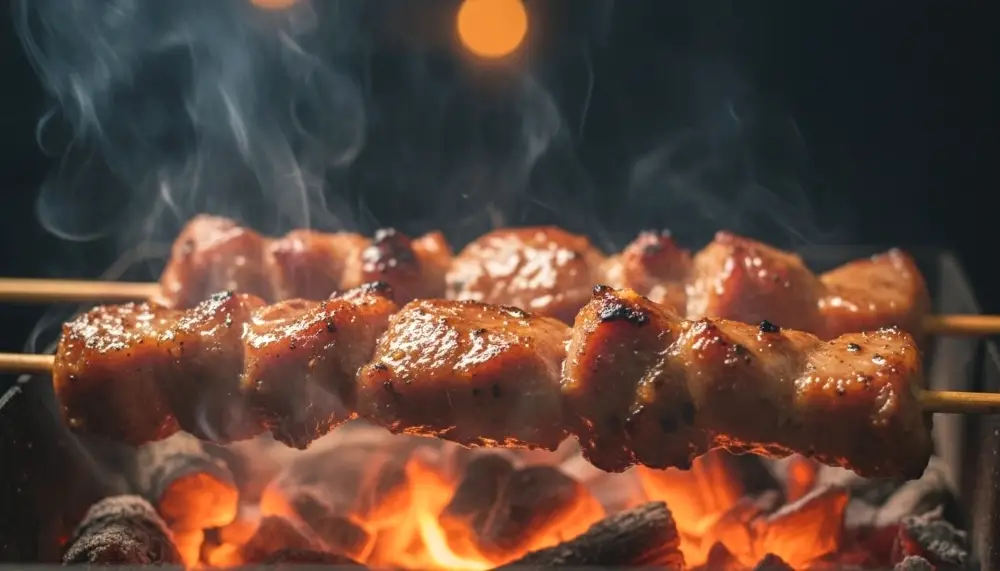
This focus on specialization is a reflection of Thailand’s heritage, with many iconic recipes having deep historical roots and being passed down through generations. Whether it’s the perfect crack of a fried egg or the smoky balance of a grilled pork skewer, the street food scene provides an authentic glimpse into the city’s soul that no luxury dining room can replicate.
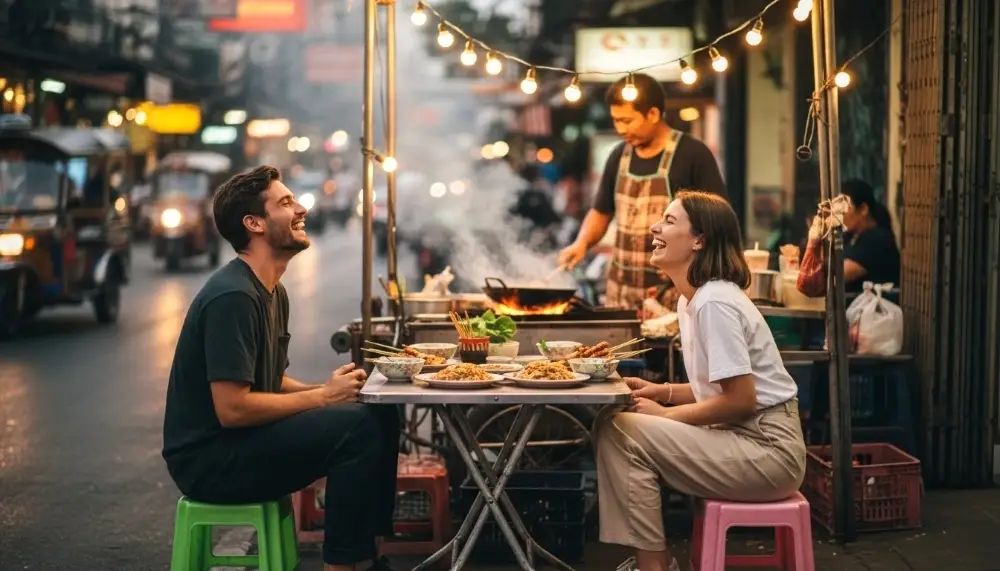
Must-Try Street Food Dishes in Bangkok:
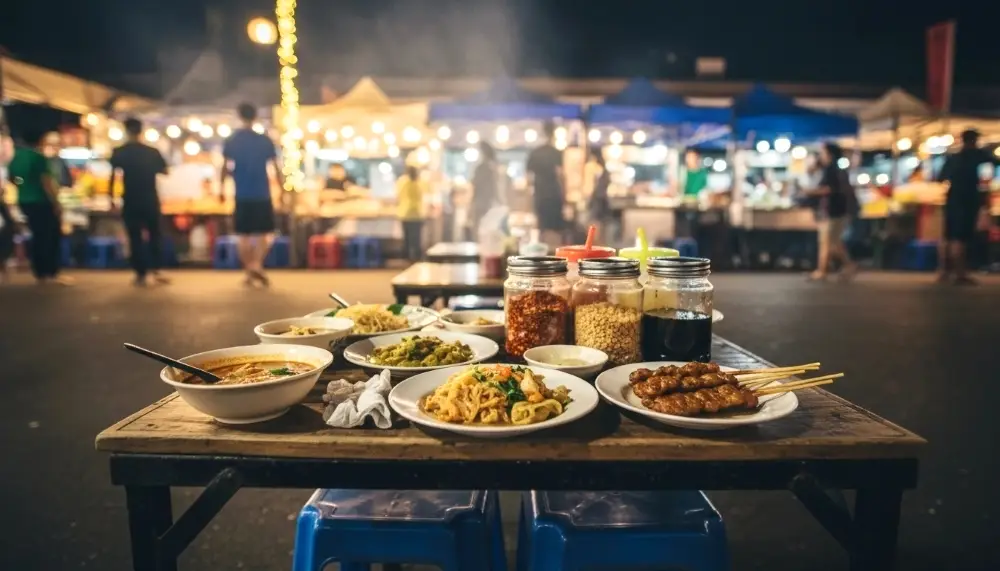
With hundreds of options available, choosing what to try can feel overwhelming. Fortunately, there are several classics to try.
Guay Tiew Reua (Boat Noodles): Originally served from boats in the canals, these small bowls are rich with dark soy sauce and pig’s blood. Head to the alleys near Victory Monument for the most authentic experience.
Som Tum Pu Plara: While tourists often stick to the basic Thai style, locals prefer the pungent, fermented fish sauce and small field crabs found in the Isan-style stalls of Huai Khwang.
Pad Kra Pao: Avoid the versions loaded with baby corn or carrots. A legitimate Kra Pao uses only holy basil, garlic, chilies, and meat. Request a “Kai Doa” (fried egg) on top for the complete experience.
Best Areas in Bangkok for Street Food:
Yaowarat (Chinatown):
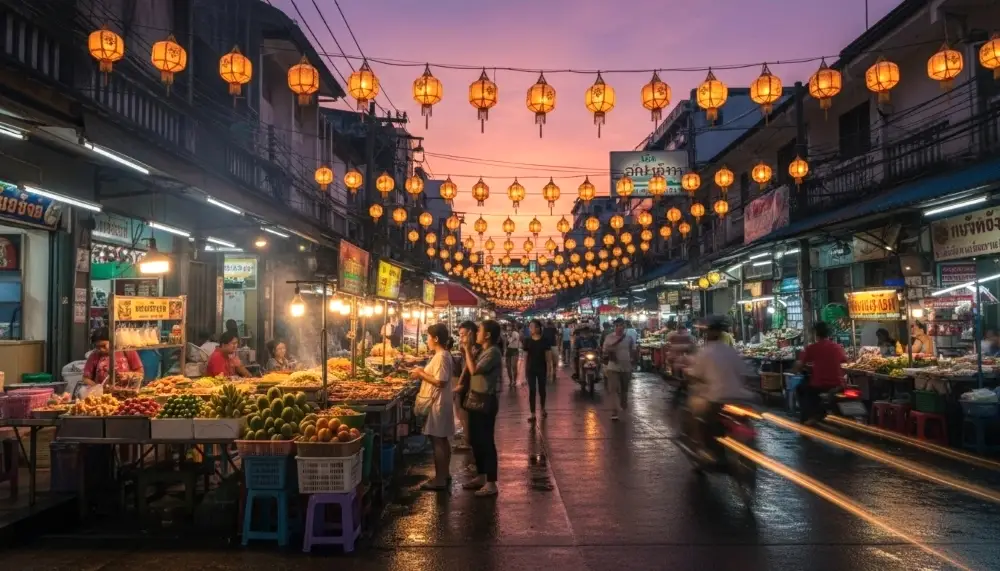
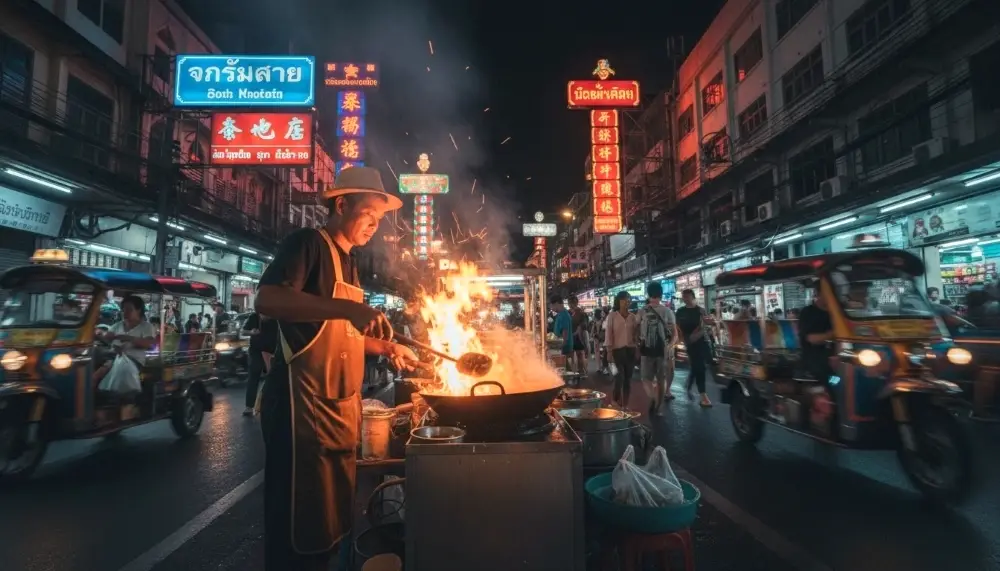
Yaowarat is widely considered the street food capital of the world, offering a masterclass in urban contrast where centuries-old traditions meet a high-octane neon pulse. As the sun sets, the main thoroughfare transforms into a glowing food paradise. You will find legendary vendors serving everything from peppery Guay Jab (rolled rice noodles) to charcoal-toasted buns dripping with pandan custard.
Practical Tip: Most stalls are closed on Mondays for city-wide street cleaning, so plan your visit for Tuesday through Sunday.
Best Time to Visit: Arrive between 18:00 and 20:00 for the full sensory experience.
Must-Try Dish: Guay Jab Nai Ek is famous for its crispy pork and spicy broth.
Khao San Road Area:
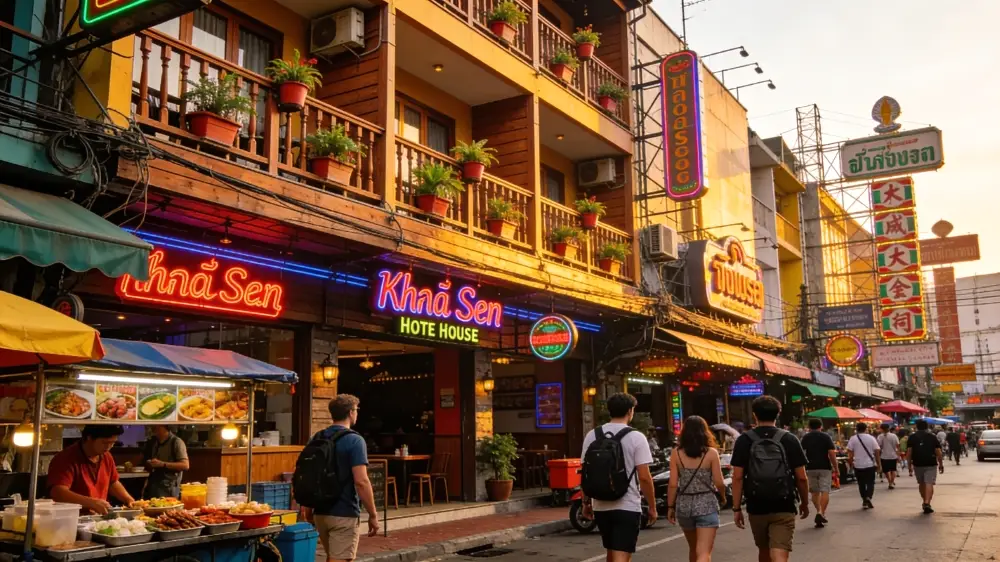
While famous for its backpacker energy and neon-lit nightlife, the streets surrounding Khao San Road, specifically Rambuttri Alley, offer a surprisingly huge range of quality food options. This area is the perfect starting point for those looking to find their path through Thai cuisine, balancing classic staples with more adventurous snacks.
Pro Tip: Escape the main drag and head to the quieter Sois nearby for authentic “sitting on plastic stool” meals that locals actually eat.
Atmosphere: Expect a loud, chaotic, and thrilling environment where you can eat for just a few dollars.
The Variety: You can find everything from 50 THB Pad Thai to adventurous snacks like fried scorpions and insects for the bold traveler.
Night Markets:
Night markets like the Train Night Market (Jodd Fairs) and Asiatique combine shopping, music, and incredible street food into one lively atmosphere. These hubs are a favorite spot for locals and travelers alike, offering a more organized way to sample dozens of dishes in a single evening without navigating heavy traffic.
Budgeting: These spots offer fantastic value; you can enjoy a full meal, a dessert, and a drink for under 300 THB.
Signature Eats: These markets are famous for giant plates of Mountain Pork Ribs (Leng Saap) and fresh boat noodles.
Logistics: Most major markets are easily accessible via the MRT Blue Line or the BTS Skytrain, helping you avoid the notorious Bangkok evening gridlock.
How to Order Street Food in Bangkok:
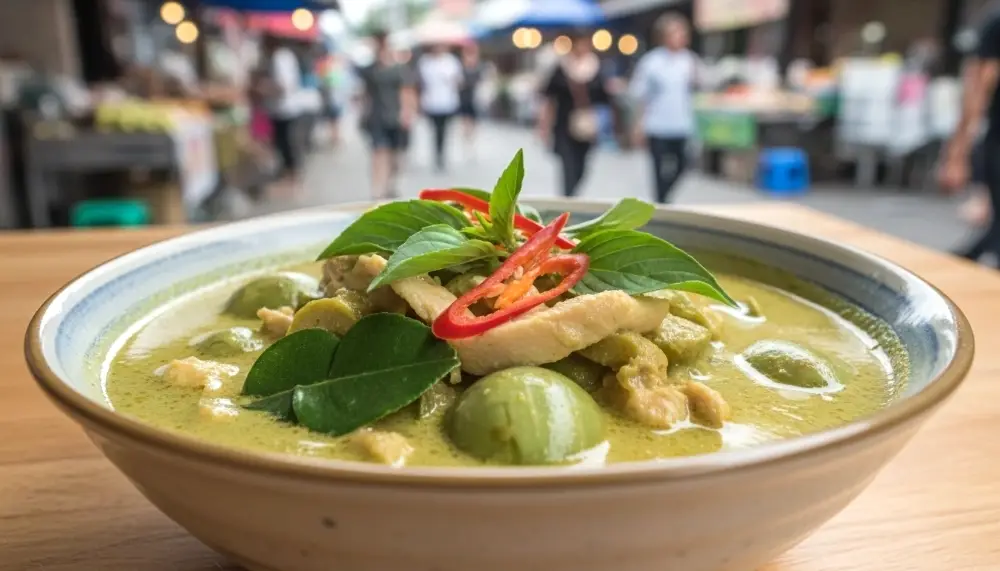
Ordering food in Bangkok is usually simple, even if you don’t speak Thai.
Many stalls display photos of dishes, and vendors are used to helping travelers choose something delicious.
A few helpful tips:
- Pointing politely at a dish is perfectly normal
- Most vendors accept cash only
- Look for stalls with lots of local customers
- If you’re unsure about spice, say “not spicy” or “little spicy”
Thai people are incredibly friendly, and many vendors will happily help guide you.
Is Bangkok Street Food Safe?
This is one of the most common concerns for first-time visitors to Thailand.
The good news is that Bangkok street food is generally very safe to eat.
Most stalls cook food fresh to order, and the high turnover means ingredients are constantly being replaced. In many cases, street food can actually be fresher than restaurant meals.
To stay comfortable during your trip:
- Choose busy stalls with lots of customers
- Avoid food that has been sitting out too long
- Drink bottled water instead of tap water
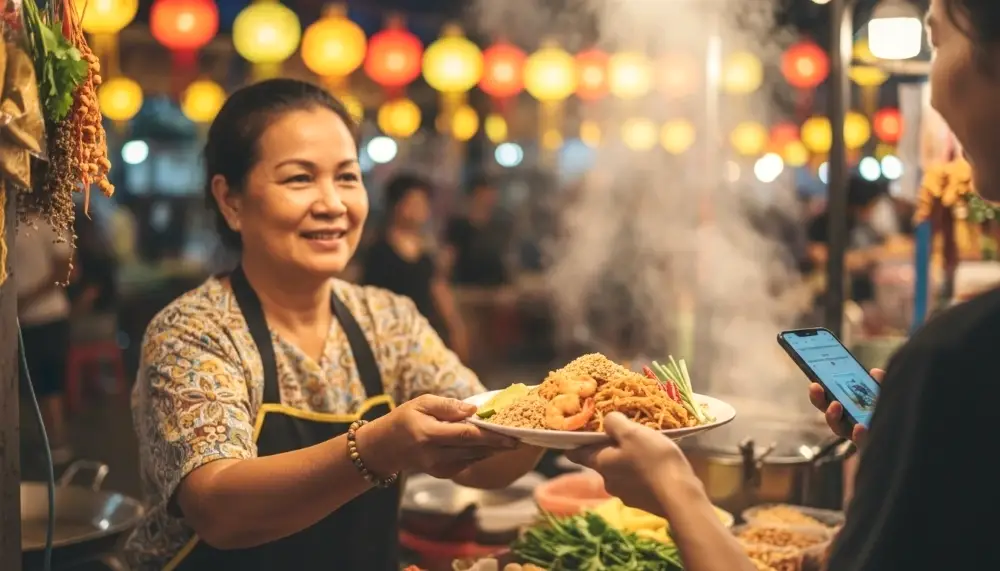
Street Food Culture in Thailand:
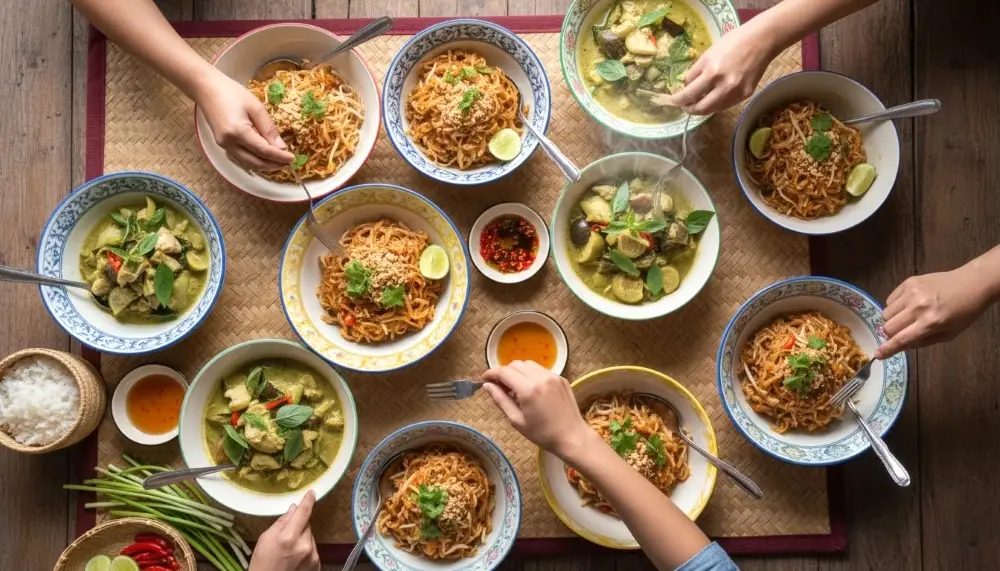
Food in Thailand is deeply social. Meals are often shared, and eating is seen as a joyful activity rather than a rushed necessity.
Street vendors are often small family businesses passed down through generations. Many people in Bangkok rely on these stalls for their daily meals.
When you sit on a tiny plastic stool eating noodles beside locals on their lunch break, you’re experiencing everyday Thai life.
This cultural connection is part of what makes street food such an important part of visiting Thailand. happily help guide you.
Beyond Bangkok: Street Food Across Thailand
While Bangkok is famous for street food, incredible food can be found throughout the country.
In northern Thailand, cities like Chiang Mai are known for dishes such as khao soi, a rich coconut curry noodle soup.
In the south, especially around beach destinations and islands, seafood becomes a highlight. Fresh grilled fish, spicy curries, and coconut-based dishes dominate the menus.
Every region of Thailand has its own flavors and specialties, which makes traveling across the country a culinary adventure.
Pro Tips For Stress Free Travel:
Navigating Bangkok’s food scene requires a combination of reliable logistics and connectivity tools. Essential apps include Grab and Bolt for transport to remote markets, and Klook or Get Your Guide for specialized food tours. Connectivity via Yesim or a local physical SIM ensures access to maps and translation apps in real-time.
- Transport: Use the BTS Skytrain and MRT Subway to bypass gridlock, then switch to Grab or Bolt for the final mile.
- Navigation: Google Maps is highly accurate for shophouse locations, but verify “Open” status via local reviews.
- Security: Use Nord VPN when connecting to public Wi-Fi in malls or cafes while researching your next meal.
- Booking: For those wanting a curated experience, Agoda and Booking.com offer stays near the major food veins like Silom and Sukhumvit.
Frequently Asked Questions:
How do I know if a stall is good?
Look for a high concentration of locals and a specialized menu. A vendor cooking only one or two dishes has likely spent decades perfecting them.
Is the ice safe in Bangkok?
Yes. Commercial ice in Bangkok is produced in factories with purified water and is delivered in distinct tube shapes with holes in the middle. Avoid crushed ice in remote rural areas, but in the city, it is generally safe.
What are the “Plus Plus” charges?
This refers to the 10% service charge and 7% Value Added Tax (VAT) added to the bill at many sit-down restaurants. Street food stalls do not have these additional costs.
Can I find vegetarian street food?
Look for the yellow and red “Jay” flags, particularly during the vegetarian festival in October. Many stalls in the Talat Noi area offer year-round plant-based options.
What is the best time to visit Yaowarat?
Arrive around 18:00 as the sun sets and the neon signs flicker on. The most famous stalls begin setup late in the afternoon and hit their stride by 20:00.
Continue Planning Your Trip